Not all skateboards are built the same way. The shape, concave, nose, and tail configurations dictate what terrain the board is designed to conquer. Understanding these distinctions prevents you from buying a specialized tool for the wrong job. Let us examine the three primary categories of skateboard geometry available on the market today.
1. Street and Park Skateboards
Street boards feature a symmetrical or near-symmetrical twin-tail shape with a moderately steep concave. Both the nose (the front of the board) and the tail (the back) are kicked upward at roughly the same angle, allowing skaters to ride and land tricks in switch stance (riding backward). The wheels are typically smaller and harder, designed to grip smooth concrete skateparks and plaza ledges. If your goal is to learn ollies, kickflips, grind rails, and drop into concrete bowls, a traditional street setup is mandatory.
2. Cruiser and Penny-Style Boards
Cruiser boards are engineered for transportation rather than aerial acrobatics. They often feature directional shapes—meaning a wide, squared-off front nose and a tapered, single kick tail—reminiscent of 1970s surf-style skateboards. Cruisers incorporate much larger, softer wheels and flexible decks constructed from plastic, bamboo, or multi-ply maple. If you need a board to commute across a college campus, navigate cracked urban sidewalks, or cruise along beach boardwalks, a cruiser is your best option. Just remember that trying to perform heavy street tricks on a flexible cruiser will result in snapped boards and bruised shins.
3. Transition, Vert, and Bowl Skateboards
Transition boards resemble oversized street decks, typically measuring 8.5 inches wide or broader, paired with wide trucks and large, high-durometer wheels. They feature a longer wheelbase to provide stability when dropping into deep concrete bowls, halfpipes, and vert ramps. The concave is often deeper, locking your feet securely into the platform as gravitational forces press you against vertical walls. If your local spot features massive quarter pipes and concrete swimming pools, step up to a dedicated transition board.
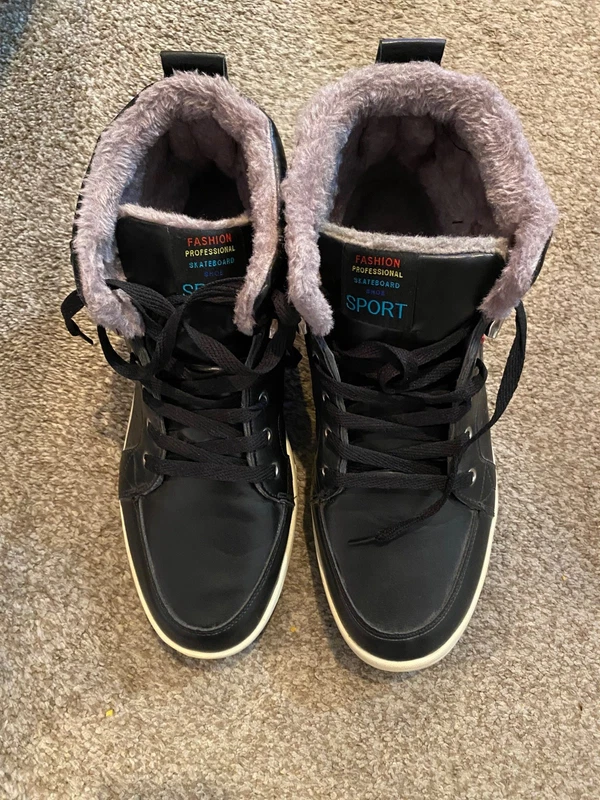
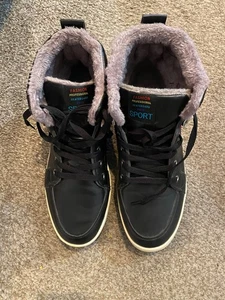
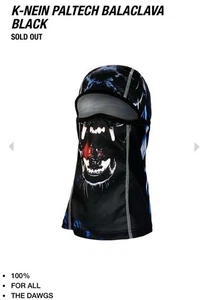
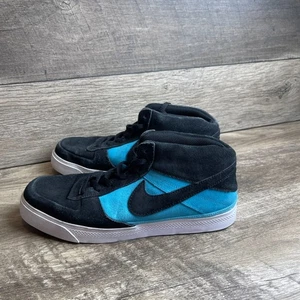
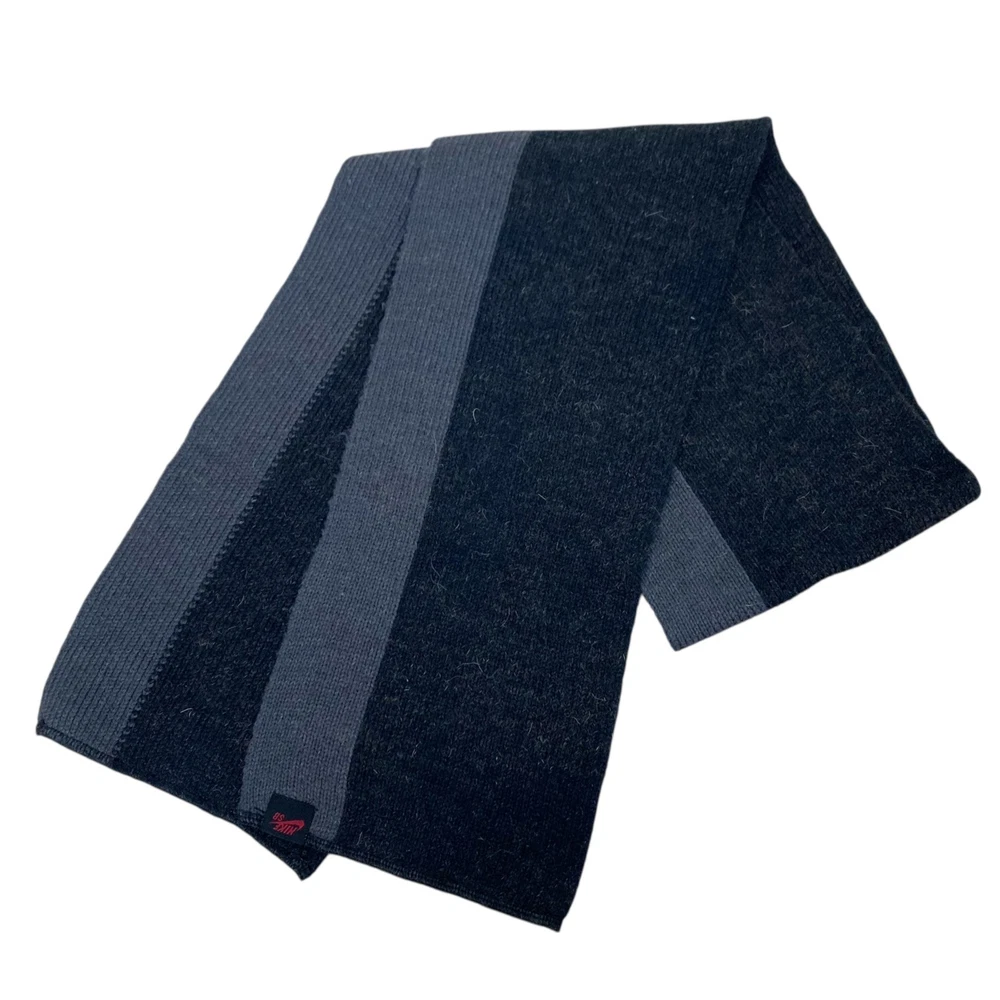
When winter weather forces sessions indoors or onto cold streets, specialized footwear such as can keep your feet warm and dry while you travel to indoor skate facilities. For ultimate protection against biting winter winds when riding your board in freezing conditions, the provides full facial coverage with high-tech skate branding.








 $40.0