UV protection is the baseline for both brands and is not a differentiator — you should assume it on everything in this roundup unless a listing says otherwise. The real difference is in how each brand handles visible light, and it comes down to two proprietary approaches.
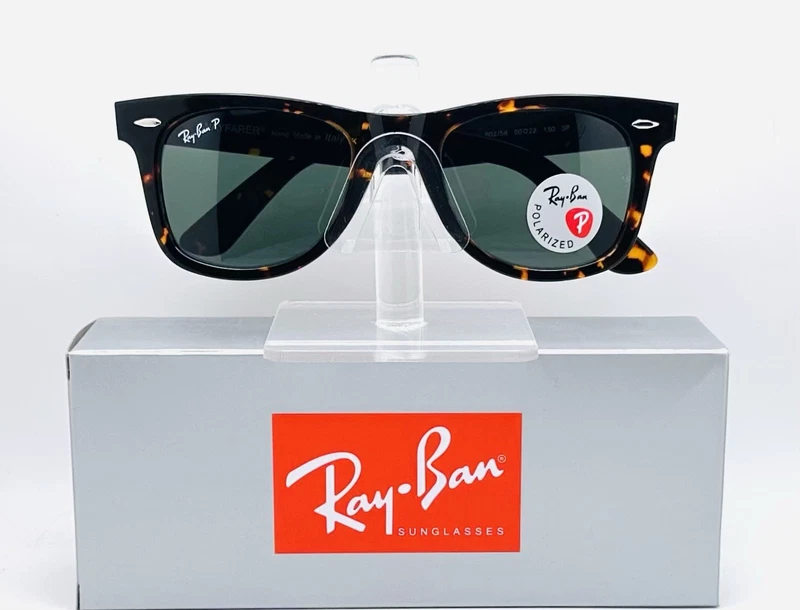
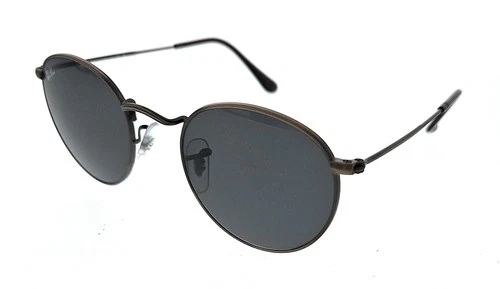
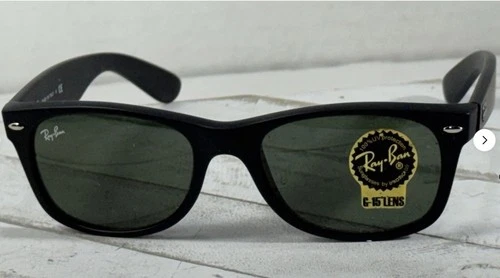
Ray-Ban’s heritage lenses are colour-specific. G-15 green is the classic general-purpose lens, appearing on the at $79.88 and on the at $47.00. Gradient and mirror tints are where Ray-Ban is most expressive: the at $35.00, the at $49.50, and the at $62.10, which is the most fashion-forward Ray-Ban in the set.
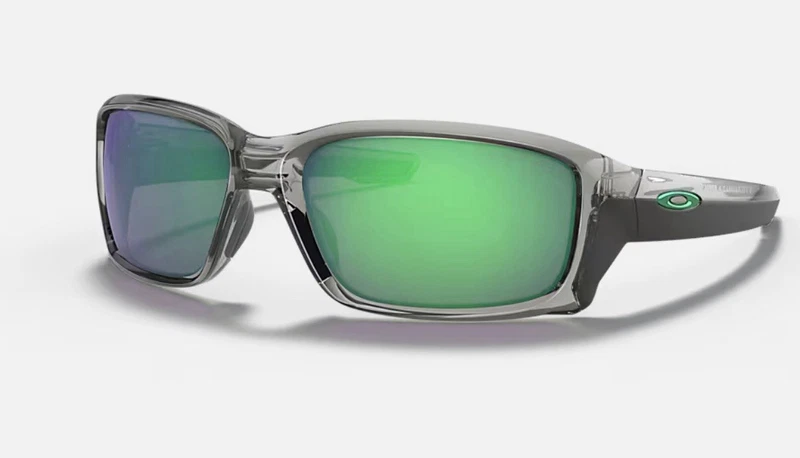
Oakley’s answer is Prizm, which is described as lens technology tuned for particular light conditions rather than a single tint, and it shows up repeatedly in the listings: the at $32.99, the at $89.95, the at $140.00, and the at $169.95. Sapphire, Snow, Road, Black and Grey are condition names, not colours — that is the whole idea.
Polarization: Where Both Brands Converge
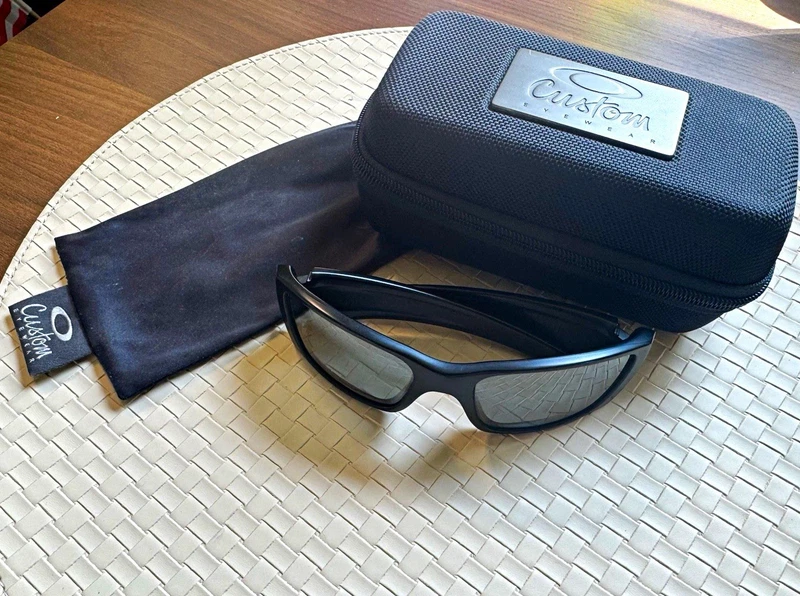
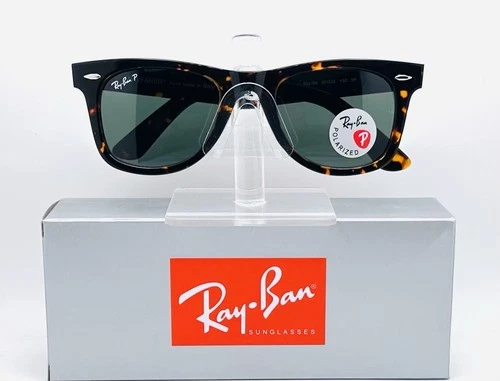
Both brands sell polarized versions, and the listings prove it rather than the marketing pages. On the Ray-Ban side, the RB4165 Justin at $35.00 has an orange mirror polarized lens, the Erika at $49.50 has polarized gray gradient lenses with an anti-reflective coating, and the Wayfarer in Havana at $68.39 has a polarized green lens. On the Oakley side, the VALVE at $79.99 has gray tinted polarized glass lenses, and the custom Fuel Cell at $40.00 has mirror polarized lenses.
The caution is the same for both: polarization kills glare but muddles screens. Many phone displays, dashboard screens and some monitors go dark or show colour banding through a polarized lens. If that describes you, buy UV400 unpolarized — the at $35.00 or the at $65.00 both fit the bill.
Fit, Sizing and Youth and Women’s Cuts
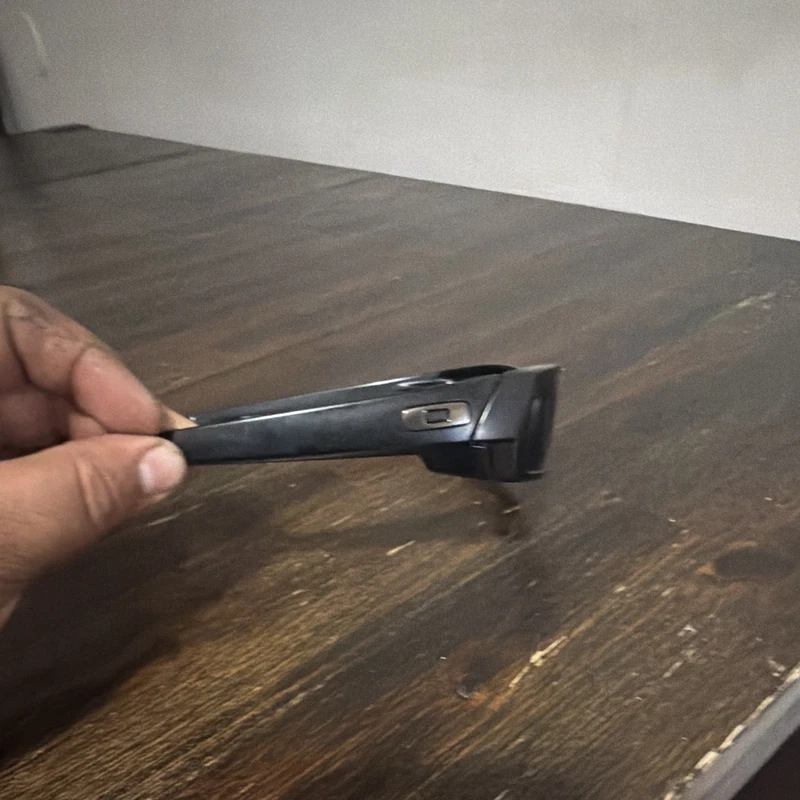
Ray-Ban publishes lens measurements on almost every listing, which makes comparison easy: 50 mm on the Wayfarer, 58 mm on the RB3025, 55 mm on the RB4165, 54 mm on the Erika, 54-16-145 on the black square Justin, and 51 21 145 on the Clubmaster. Oakley publishes model numbers instead — OO9463-1539, OO9211-0438, OJ9010-0223 — and fit tends to be more generous at the temple, which is deliberate for helmet use. Oakley’s youth range is a genuine advantage if you are buying for a child: the at $84.50 is listed for ages 7 to 10 and includes the box, a soft pouch and an extra set of nose pads. The same brand’s at $49.50 comes with a seller rating the lens condition at 7 out of 10 and noting various scratches — read that rating, it is exactly the disclosure that saves you a return.




 $109.99