There are exactly four honest reasons, and only one of them is price.
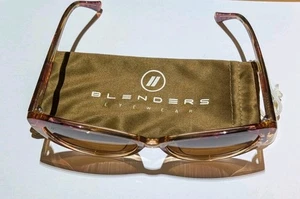
Price, and the gap is wider than people think. The at $68.00 is the benchmark every other pair here is measured against. The most expensive Wrangler-class or vintage frame in this roundup is $91.07, and the priciest new-brand alternative is $55.00. But the interesting comparison is the floor: a genuine used pair of Blenders at $23.00 does the same visual job for a third of the outlay. Over a few pairs and a few years, that compounds.
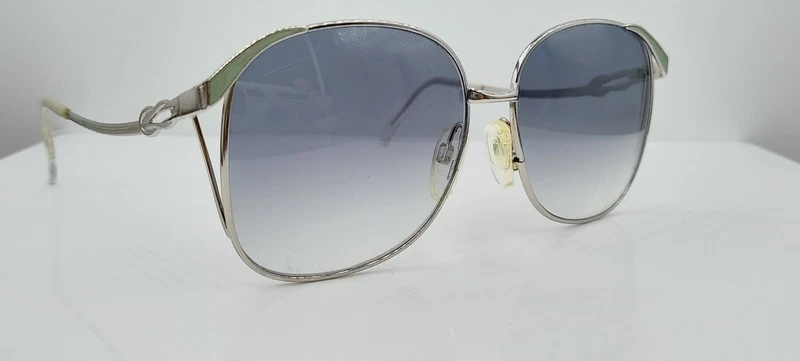
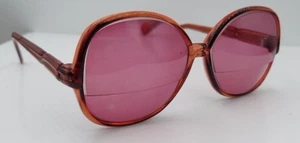
Shape availability. Ray-Ban’s classic catalogue is deliberately narrow. If you want a horn-rimmed oval, an 80s Italian acetate, a mirrored red lens or a large square shield, the alternatives market is where those shapes live, and it is where they are cheap because nobody is competing for the trademark.
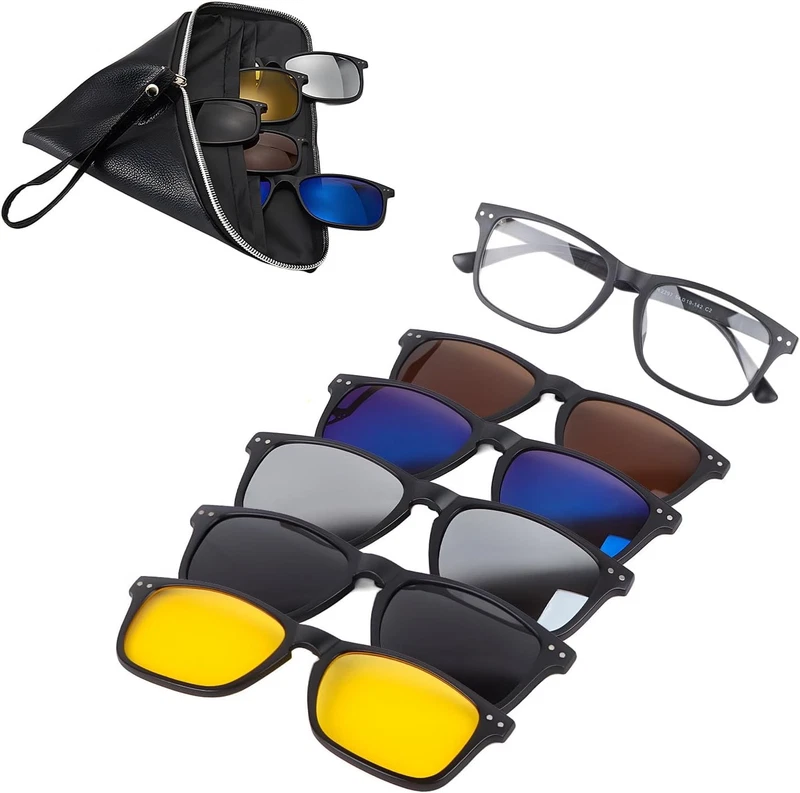
Prescription and fit-over needs. If you wear glasses, prescription Ray-Ban means paying a premium on top of a premium, and the fit-over category solves it for a fraction of the price. That gets its own section below.
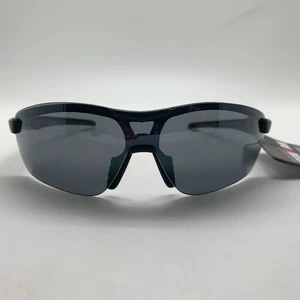
Sport. Ray-Ban’s most iconic shapes are lifestyle shapes. If you ride, fish, run or work outside, a wraparound with a polarized lens is a better tool than a Wayfarer, and there are real options at $14 to $35.
What you give up is real but specific: brand cache at a party, resale value (genuine Ray-Ban holds value better than anything else in eyewear), Made in Italy construction, and the small pleasure of the RB etch. None of that matters if you like the frame you are wearing. All of it matters if the sunglasses are a status item, which is precisely why Ray-Ban versus Oakley is worth reading before you buy either.
There is also a middle path most roundups ignore: a genuine Ray-Ban that is simply not new. The at $55.00 is listed as never worn at size 50-22-150, complete with a microfibre cloth, while the at $99.00 carry a UV rating up to 400. Buying the real brand second-hand is how some buyers get the etch, the Italian construction and the resale value for less than new — and it is the only route in this whole category where the cheap price and the genuine article are the same thing.
One more practical point before the lists, because it decides half of them. Polarization is not the same as UV protection, and the two are frequently conflated. UV protection is the baseline you should not compromise on; polarization is what kills glare off water, wet road and snow, and it is the feature that changes how a day feels. The cost of polarization is screens — many phone and dashboard displays go dark or rainbow through a polarized lens. If you are the sort of person who does not put their phone down, buy UV400 without polarization; if you spend your weekends on a boat, polarization is non-negotiable. Both are covered in this roundup, and each listing below notes which one it is.
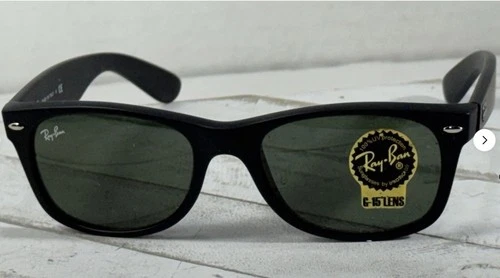







 $68.0