The story of the interlocking plastic brick spans nearly a century. The Danish company behind the iconic Danish brick began manufacturing wooden toys before transitioning to cellulose acetate interlocking blocks in the late 1940s. By 1958, the modern clutch-power tube system was patented, creating a standard of engineering precision that remains compatible with bricks manufactured today. That extraordinary backward compatibility means a brick made in 1965 clicks seamlessly onto a set purchased this morning. This commitment to precision molding and tight manufacturing tolerances is the cornerstone of the brand's legendary reputation among children and adult hobbyists alike.
On the other side of the ring, the primary competitor emerged with a focus on accessible, larger-scale construction for toddlers and budget-conscious families. Designed primarily to provide an alternative price point, these blocks carved out a massive market share by offering bigger boxes filled with more pieces for significantly less money. Over the decades, the brand evolved from simple preschool megabricks into sophisticated collector lines featuring highly articulated micro-action figures, particularly in partnership with major video game and entertainment franchises. While early iterations suffered from loose connections, modern engineering has closed the gap significantly, though subtle differences in plastic composition and mold tolerances remain.
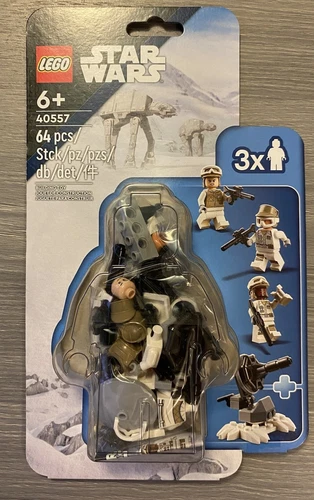
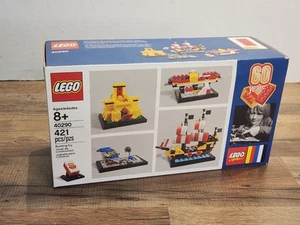
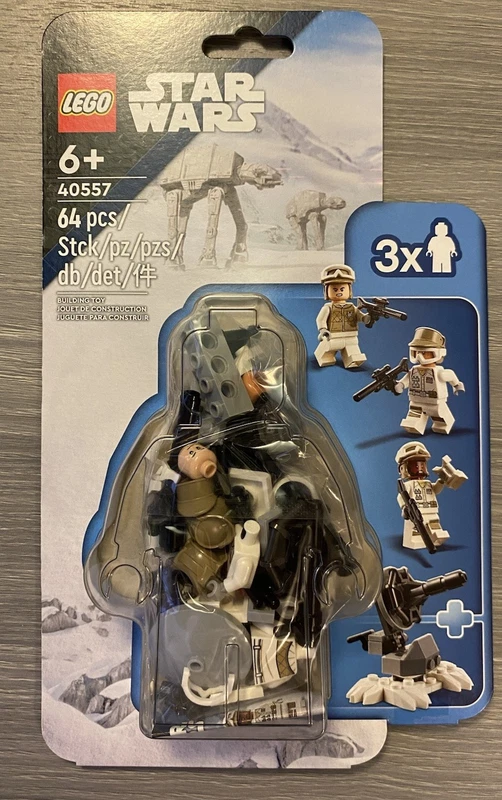
Navigating the secondary market for these toys reveals fascinating economic realities. For instance, enthusiasts frequently hunt down retired collector items and specific themed releases across online marketplaces. You might stumble upon rare treasures such as the featuring classic minifigures in a pristine unopened box. Similarly, military and sci-fi fans love tracking down complete sets like the , which packs 105 pieces suitable for ages six and up. These standard retail boxes maintain active communities of builders who trade, collect, and preserve miniature pieces with intense dedication.
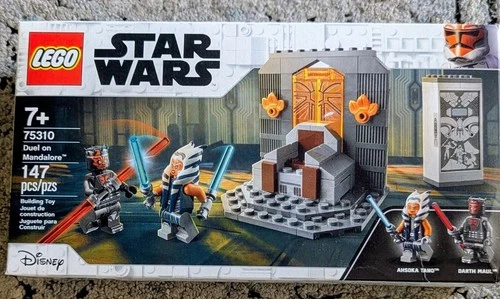
For collectors seeking intricate display models rather than simple play bricks, the landscape expands dramatically into complex licensed builds. Fans of fantasy literature often spend hours assembling detailed character sculptures like the , which features 671 pieces representing key characters from the popular wizarding series. Action-oriented builders might prefer space adventures, such as the , a 147-piece plastic construction toy complete with characters like Ahsoka Tano and Darth Maul. These complex builds demonstrate the incredible versatility of the brick system, catering to fans well past childhood.
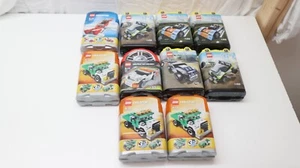
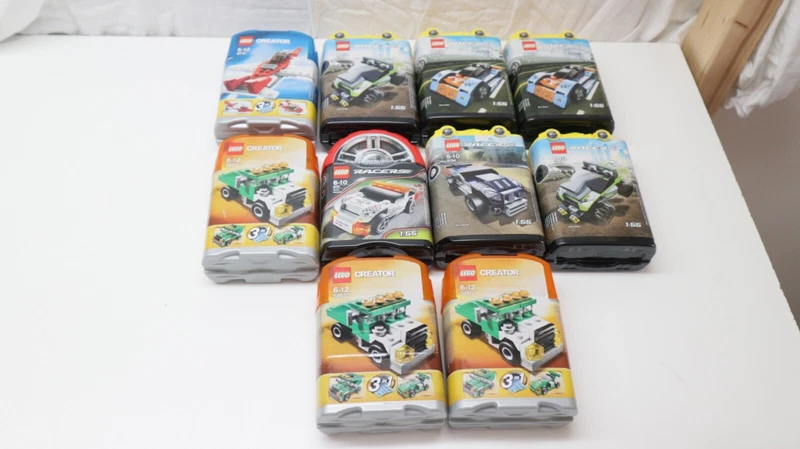
Beyond traditional spacecraft and fantasy castles, the market spans whimsical action themes and creative vehicle lots. A prime example of dynamic engineering is found in the , which brings high-speed mythological action directly to the playroom floor. For those who love automotive collections, hunting down a curated provides multiple factory-new vehicles from classic numbers like 6741, 5865, and 8121. Even kitchen enthusiasts can get creative with novelties, though traditional plastic rules the day when comparing classic interlocking bricks to culinary experiments like the designed for baking edible stacking waffles.