The most immediate difference you will notice when placing a cruiser board next to a street skateboard is the deck geometry. Traditional street skateboards—often referred to as standard popsicles—feature a symmetrical or nearly symmetrical twin-kicktail shape. They are typically between 31 and 32 inches long and range from 7.5 to 8.5 inches wide. Both the nose and the tail turn upward aggressively, allowing the rider to pop the board off the ground from either direction, ride backward (fakie or switch), and execute flips and spins with precision.
By contrast, cruiser boards come in a massive variety of shapes, lengths, and widths. Some cruisers mimic the classic retro "penny" or "banana" board shapes of the 1970s, which can be as short as 22 to 27 inches, while others are longer "longboard" hybrids, pintails, or shaped boards that stretch anywhere from 28 to 38 inches. Cruisers usually feature a flat nose, a single kicked tail, and a much wider, directional platform designed for forward momentum rather than switch-stance technical tricks.
Wheel construction creates an even more dramatic divergence in the ride experience. Street skateboards utilize small, hard wheels—usually measuring between 50mm and 54mm in diameter with a high durometer rating (typically 99a to 101a). These hard wheels slide predictably on smooth skatepark concrete, bounce less, and allow for rapid acceleration. However, those same hard, tiny wheels turn every tiny pebble, crack, and expansion joint in a standard sidewalk into a jarring, teeth-rattling roadblock.
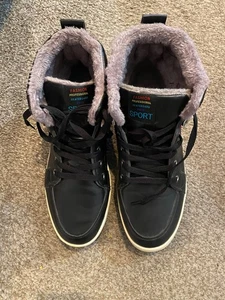
Cruiser skateboards, meanwhile, are equipped with large, soft wheels, often ranging from 56mm to 65mm or even larger, with a soft durometer rating (usually 78a to 85a). These gummy, pliable wheels absorb road vibrations, roll smoothly over debris, and maintain momentum over rough asphalt. If you plan on commuting, you might want to look at gear options similar to how you would check out Best Hiking Boots & Trail Running Shoes Deals when preparing for unpredictable outdoor terrain. The soft urethane grips the ground tightly, making slips less likely on gritty city streets.
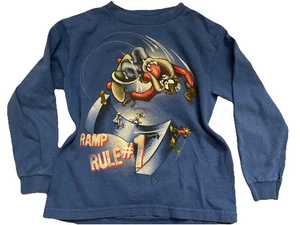
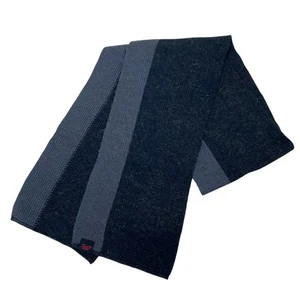
Before hitting the pavement, skaters often gear up with the right apparel to handle the elements, whether that means pulling on a Hiking Boots Buying Guide (Waterproof, Fit, Traction) style jacket or wearing a lightweight layer like the for cool morning sessions. Staying comfortable while skating is half the battle, and having functional layers makes long cruising sessions much more enjoyable.










 $40.0