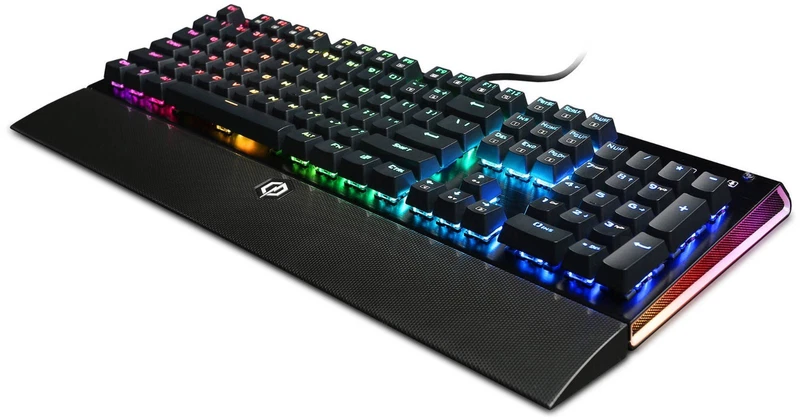
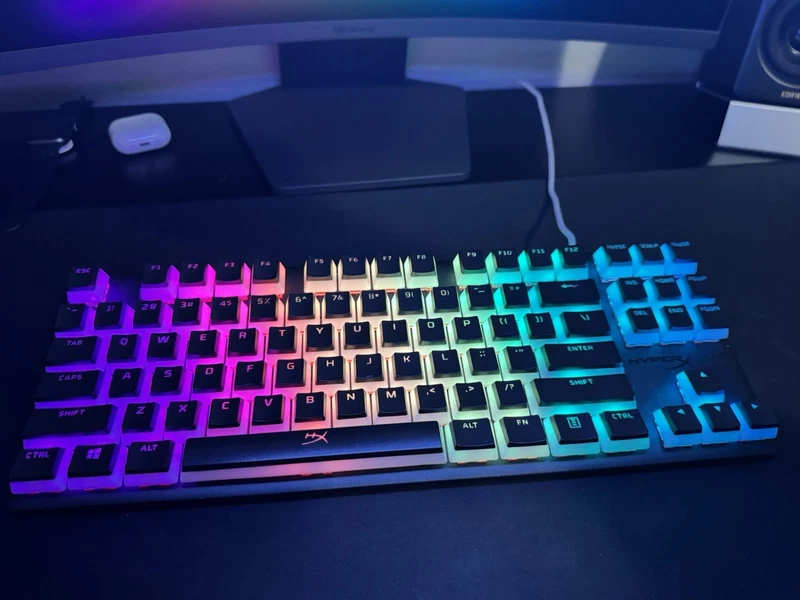
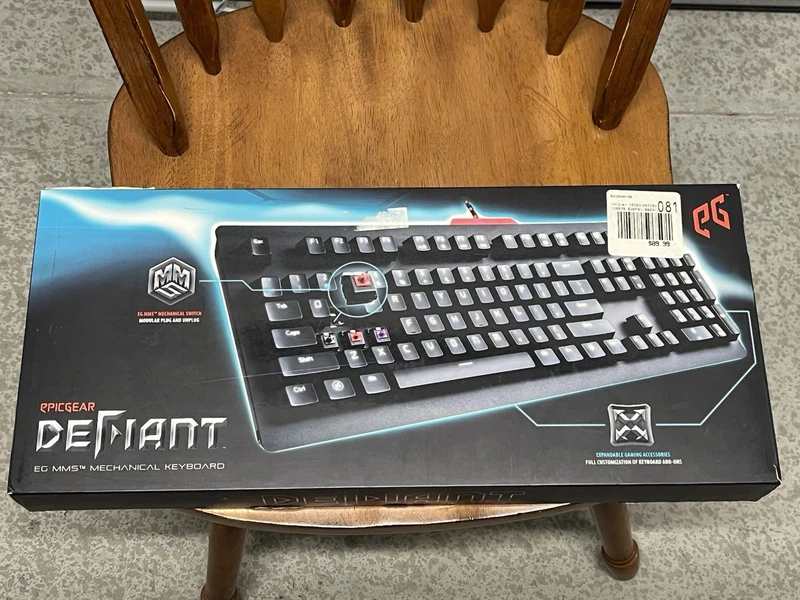
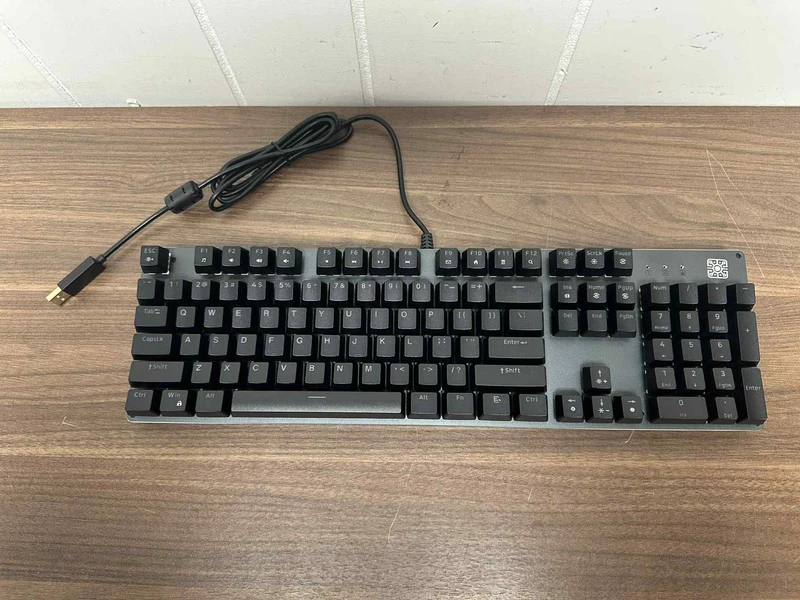
If you spend hours at a desk writing code, drafting emails, or battling through competitive multiplayer lobbies, the rubber-dome membrane keyboard that came bundled with your desktop PC is likely holding you back. This roundup is built for everyday typists, home office workers, and budget-conscious gamers who want to escape mushy keystrokes without spending hundreds of dollars on custom boutique builds. Across the market, mechanical keyboard deals currently span an incredible range of pricing tiers—from ultra-budget $11 wired boards to feature-packed $110 optical-mechanical flagships. Whether you are looking to upgrade your office productivity with tactile feedback or hunting down an affordable hot-swappable chassis to test out different switch weights, understanding your options is the first step toward finding your ideal typing tool.
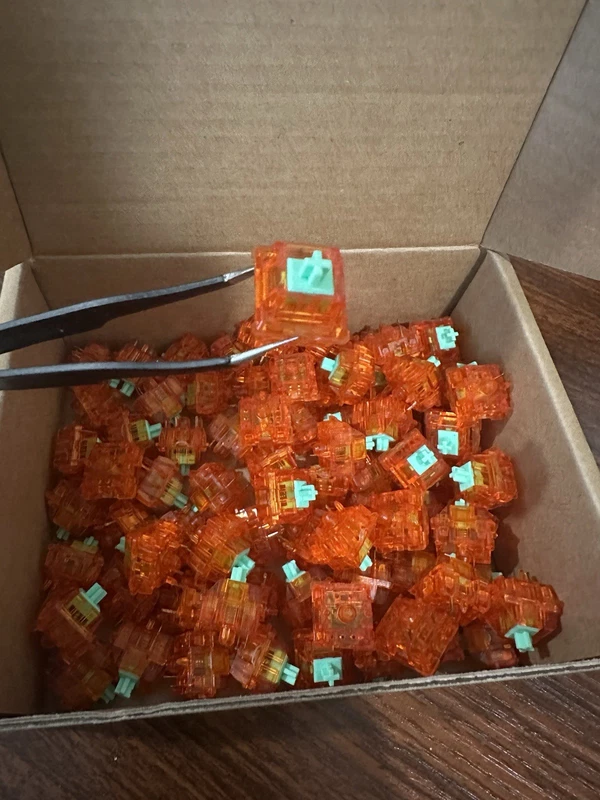
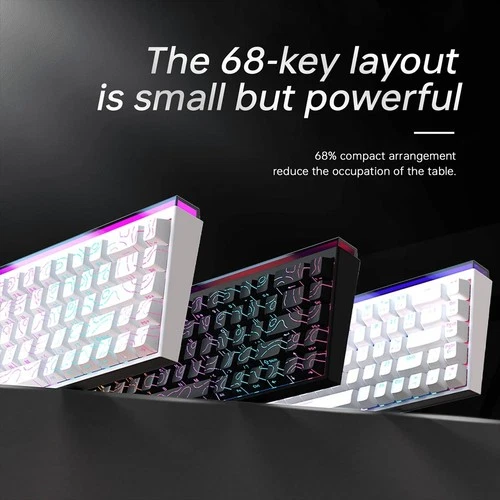
When diving into the world of mechanical keyboards, the sheer volume of jargon can feel overwhelming. You will encounter terms like linear, tactile, and clicky switches, which dictate the physical sensation and audible profile of every single press. Linear switches offer a smooth, uninterrupted downward travel without any tactile bump, making them favored by fast gamers. Tactile switches introduce a subtle physical bump mid-press to let your fingers know the actuation point has been reached, which helps reduce typos during long-form typing sessions. Clicky switches add a sharp, audible snap to that tactile bump, delivering an unmistakable retro typewriter sound that delights some offices and infuriates others. Beyond switches, you must navigate layout sizes: ultra-compact 60% and 68-key boards strip away the number pad and function row to save desk space, while 75%, TKL (Tenkeyless), 96%, and full-size 100% layouts retain dedicated arrow keys, navigation clusters, or full numeric pads for data entry.
Mounting styles and keycap materials further shape your daily experience. Modern boards often utilize tray mounts—where the circuit board screws directly into the bottom case—or advanced gasket mounts, which isolate the typing plate using silicone or foam strips to deliver a softer, more cushioned sound profile and reduced finger fatigue. Keycaps are typically molded from either ABS plastic, which tends to develop a shiny smooth patina over time, or textured PBT plastic, which resists grease and wear. For anyone exploring these modifications, there is an honest learning curve when customizing a board versus simply plugging in what ships out of the box. Swapping switches, lubing stabilizers, and tuning acoustics requires patience, trial, and error. Fortunately, many entry-level units now feature hot-swappable sockets, meaning you can pop out switches with a simple tool and drop in new ones without touching a soldering iron. If you are setting up a comprehensive battlestation, you might also want to check out our best gaming monitors under $300 to pair with your new desk peripherals.


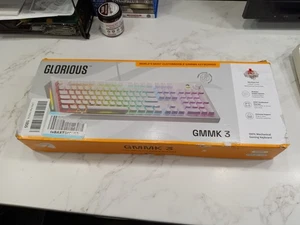

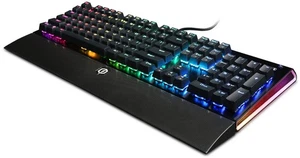
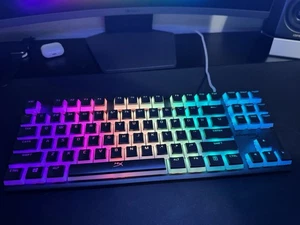
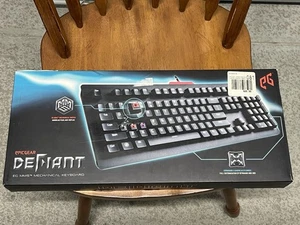
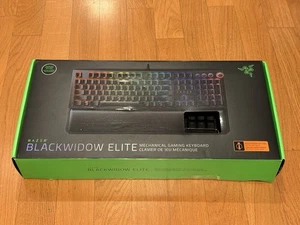
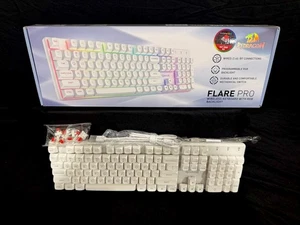
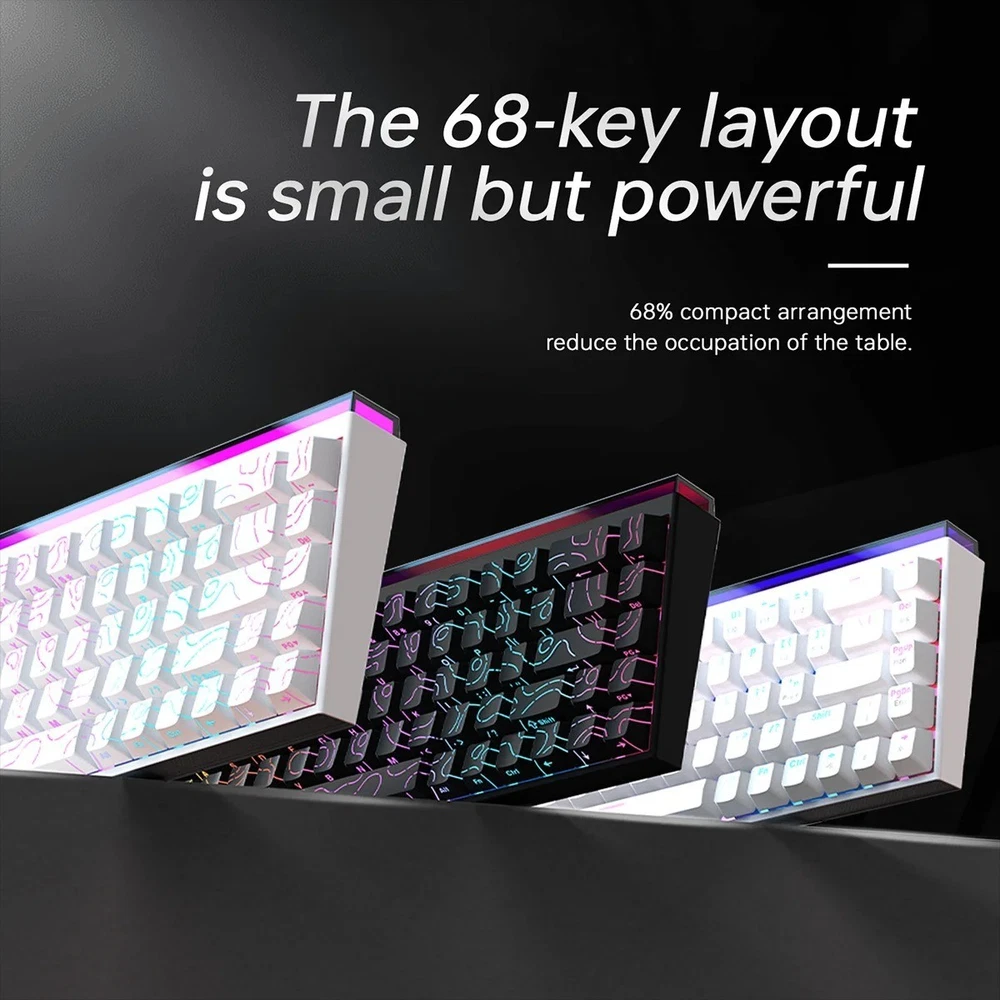
 $40.99