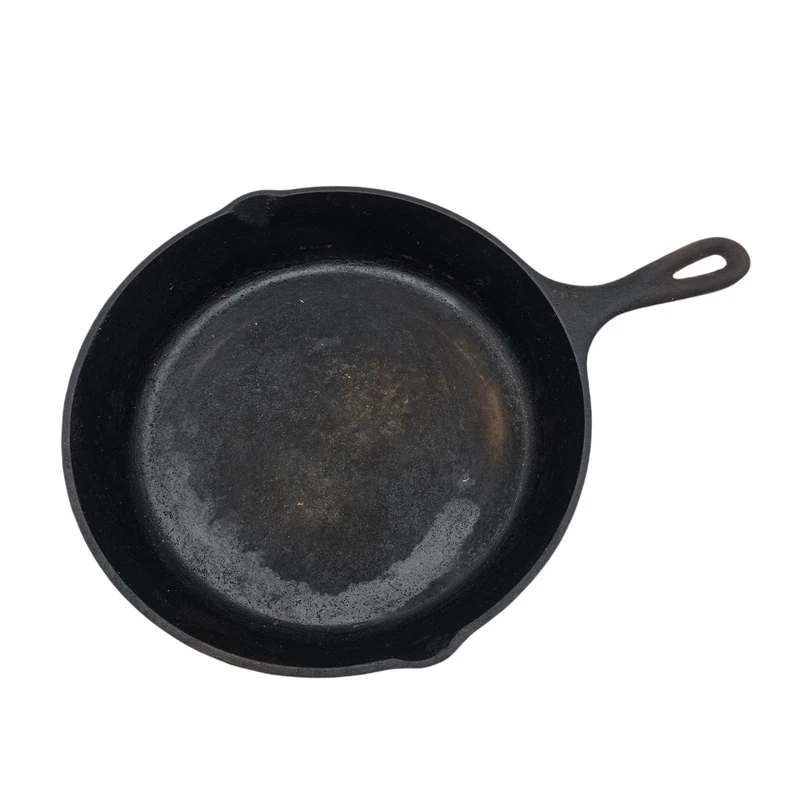
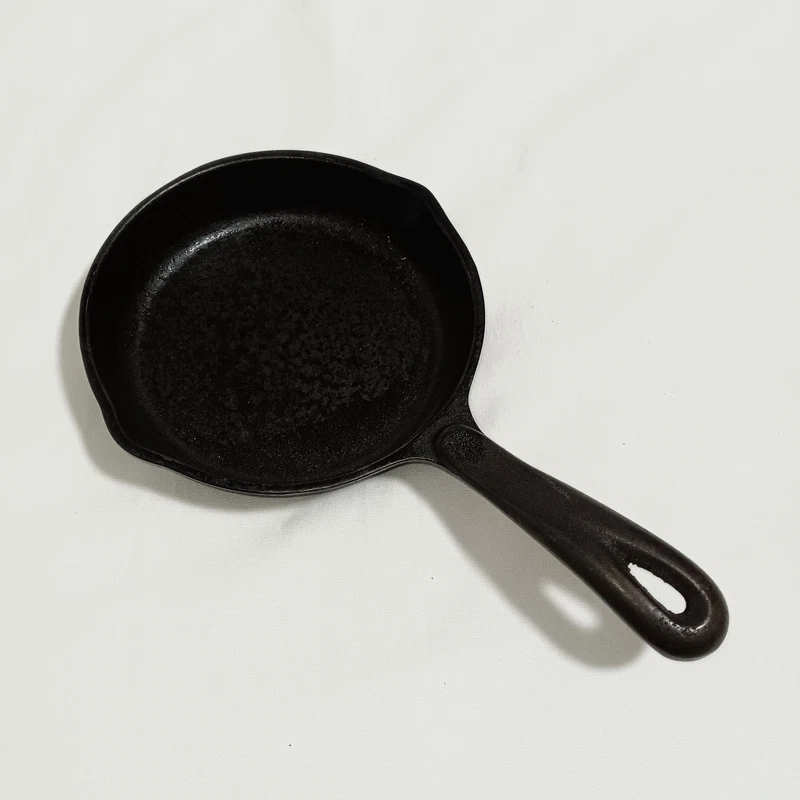
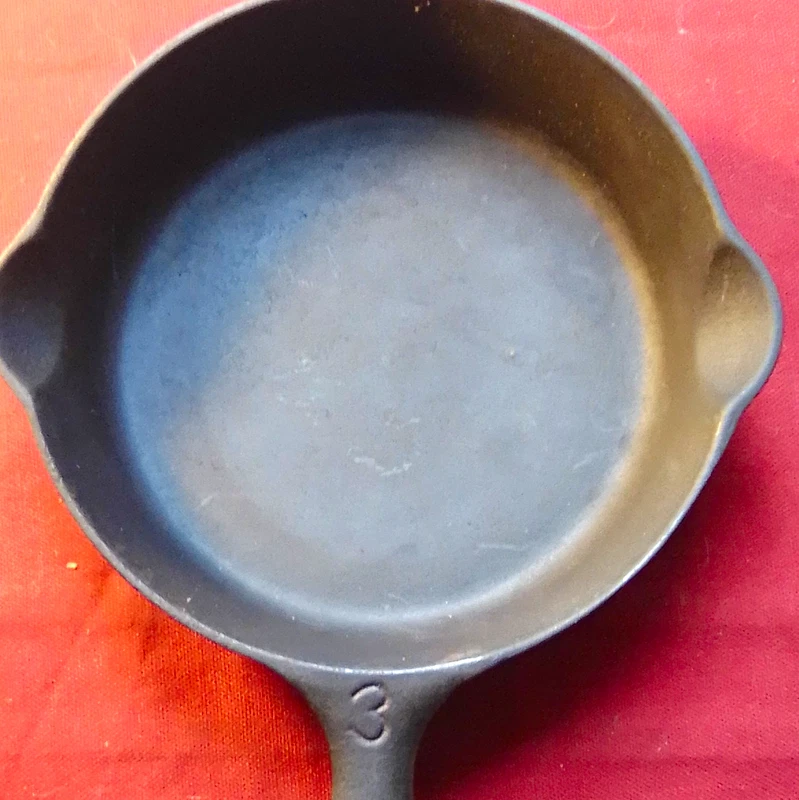
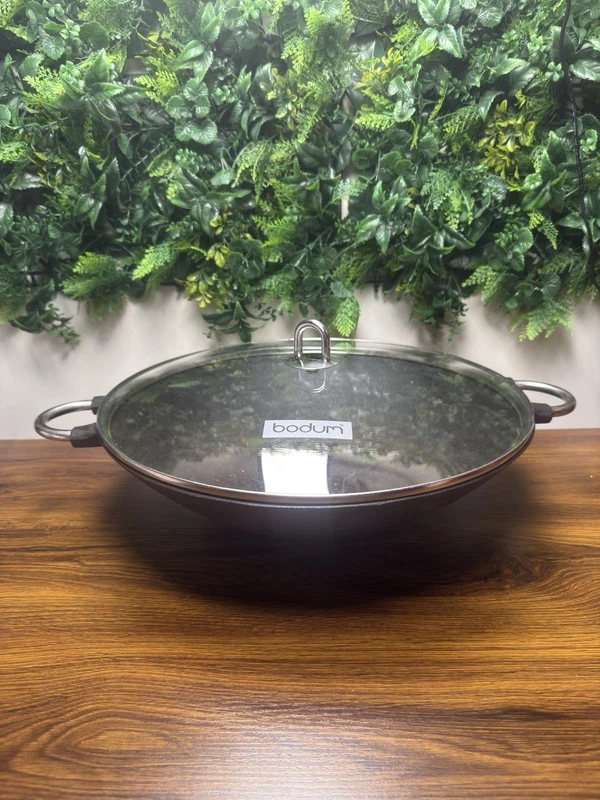
Skillets are where vintage value is most concentrated. A cast iron skillet spends its life on a burner and it does not care how old it is, as long as the metal is intact. The 8 inch is the standard, 10 and 11 inch are for family portions, and 6 inch pans are for one egg or one small pancake.
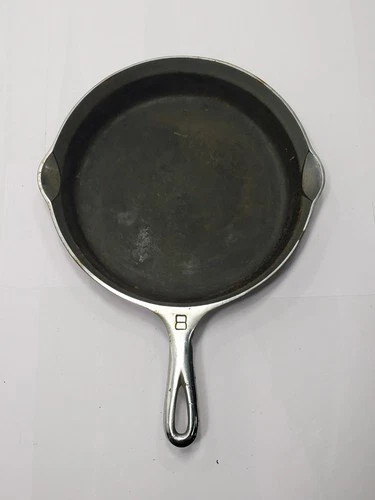
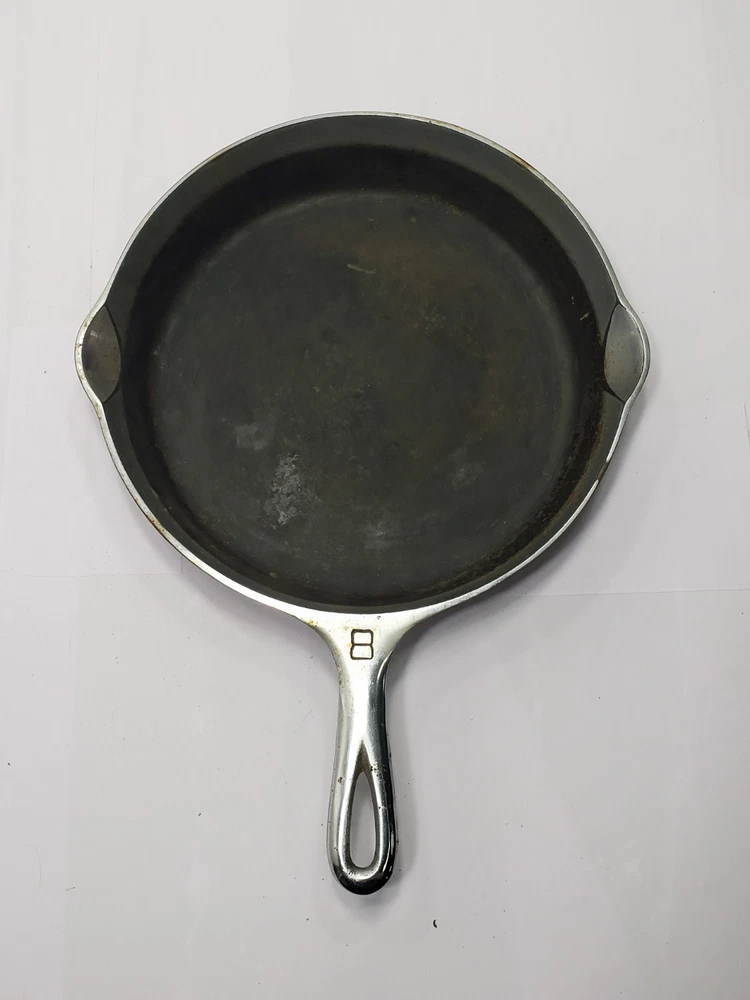
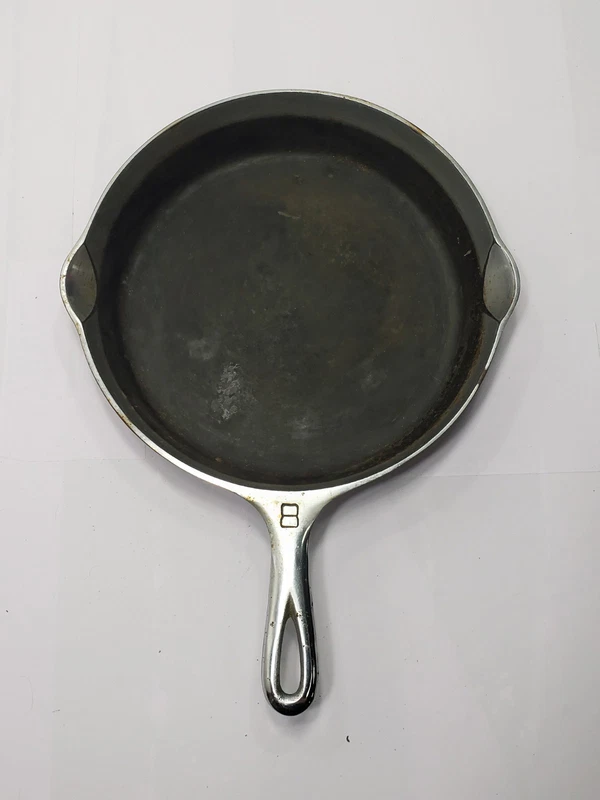
Griswold No. 8 Cast Iron Skillet, Erie — $89.99, used
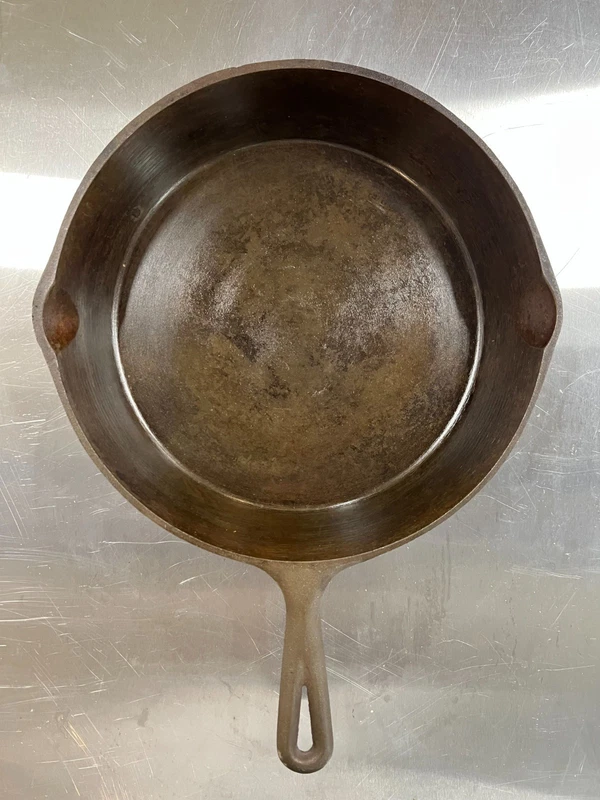
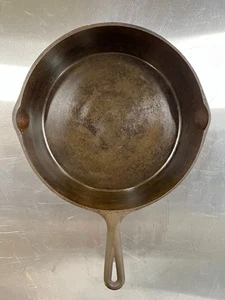
The is the collector piece of this roundup at $89.99. The seller describes it as preowned, seasoned, with normal surface wear and some rust on the outer bottom edge, and notes that the interior is in good shape.
- Griswold with a readable Erie, PA mark and a No. 8 pattern, which is the most collectible combination on this list
- Rust on the outer bottom edge does not touch the cooking surface and scrubs off easily
- 8 inch is the most useful size in cast iron, period
- Cons: at $89.99 you are paying partly for the logo, not just the pan
- Cons: surface wear means it will look better after your first re-seasoning than it does in the photos
Vintage Lodge No. 8 Skillet, 8 Inch — $55.00, used
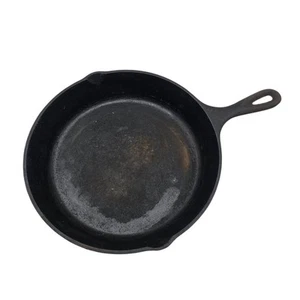
The is used at $55.00, described as a solid user-grade pan with a round cooking surface, pour spouts, a heat ring and a classic open handle. The seller notes it sits flat.
- Sits flat, which is the single most important thing about a skillet
- Heat ring means even heating rather than a hot centre
- Pour spouts make it a real cooking tool, not a display piece
- Cons: at $55 it costs more than the working 11 inch Lodge below, with less size
- Cons: user-grade, so the seasoning is yours to maintain
Lodge 11 Inch Wide Cast Iron Skillet — $38.84, used
The is used at $38.84 and is the best size-to-price ratio in the article. The seller keeps a store, lists new items daily, and says to look at the photos for an accurate description, which is how you want a used pan to be sold.
- 11 inches is the family size, and this is the cheapest way to get it
- Under $40 for a Lodge skillet of this size is a genuine deal
- A wide pan sears more surface area at once, which is the whole point of cast iron
- Cons: used, so plan on a scrub and a re-season before the first meal
- Cons: at this size you may prefer a helper hand for a full pan of food
Vintage Wagner 6.5 Inch Skillet — $40.00, used
The is used at $40.00 and is described as a versatile, durable piece suitable for induction, electric and gas, made of high-quality cast iron with a non-stick style surface.
- Wagner is a respected American name and the pan reads as a genuine vintage piece
- 6.5 inches is a two-portion size that heats fast and stores easily
- Works across all three common stovetop types
- Cons: at $40 this is expensive per square inch compared with the Lodge 11 inch
- Cons: small pans lose heat quickly when you add cold food
Birdboro Cast Iron Skillet — $30.00, used
The is used at $30.00, with a flat bottom, a long handle and even heat distribution across induction, electric and gas. Birdboro is a lesser known name, which is exactly why the pan is $30.
- Flat bottom design, which is the critical feature and is stated plainly
- Long handle for a secure grip over a hot pan
- Unknown brands are cheaper, and the metal is still cast iron either way
- Cons: no collectible value, so it is a tool and not an heirloom
- Cons: check for rust, since unknown-brand pans often sat unused
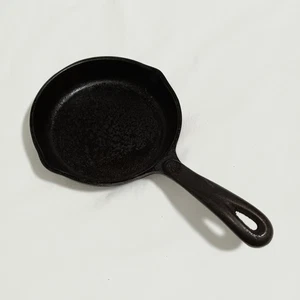
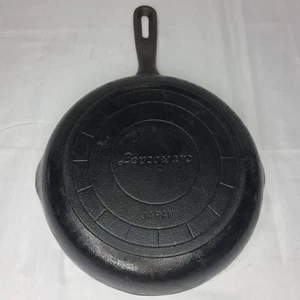
Vintage Levcoware 6 Inch Skillet — $33.00, used
The is described as a 1960s piece made in Japan, round in shape, black cast iron, 6 inch diameter, and collectible. It is listed at $33.00 used.
- A genuine collectible with a real maker name and a stated 1960s date
- Made in Japan, which is a different production history from American foundries
- 6 inches is a real, usable size rather than a toy
- Cons: collectible pieces are not better cookers than ordinary pans
- Cons: 1960s cast iron may have a factory seasoning that is now under the modern food safety bar, so re-season it first


 $89.99