This is the core of the comparison. Five properties decide which pan belongs in your kitchen, and they are the same five whatever brand is on the base.
| Property | Traditional (seasoned) | Enameled |
|---|
| Maximum heat tolerance | Excellent — the whole point | Very good, but the enamel can crack if shocked |
| Acid and tomato sauces | Can strip seasoning; requires care | Non-reactive; no risk |
| Maintenance | Dry, oil, repeat. Skips exist | Wash and dry. Nothing else |
| Damage tolerance | Damage becomes part of the surface | Chips are permanent and expose bare iron |
| Heat retention once hot | Excellent | Excellent, marginally better with a heavy lid |
| Upfront cost | Cheapest, especially used | Highest, especially new from a premium brand |
1. Heat
Cast iron is cast iron. Both families are heavy, both hold heat, both take a searing heat without complaint. Traditional has one genuine edge here: a chip in an enameled pot is a permanent crater right where the food sits, and enamel is more brittle than seasoned iron. A traditional pan that gets dropped develops a flat spot and carries on working. An enameled pot that gets dropped can crack outright.
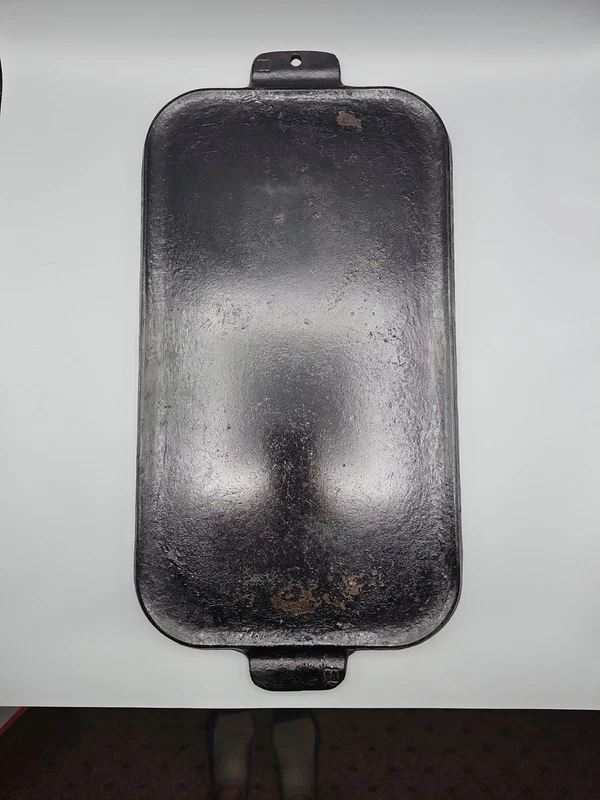
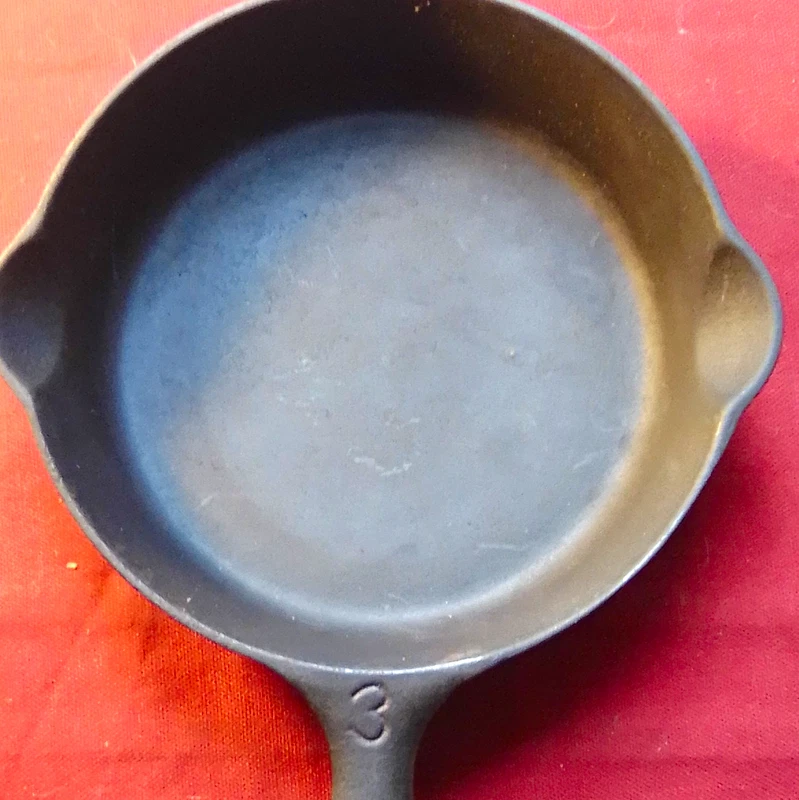
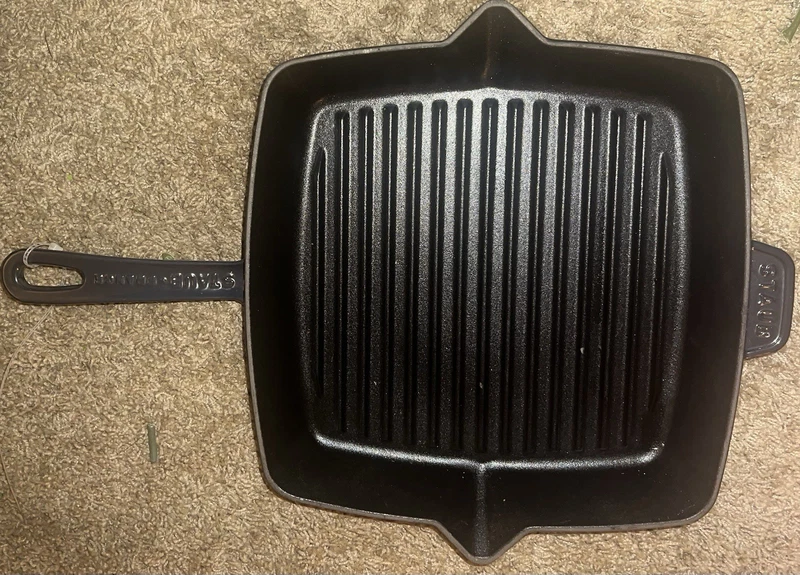
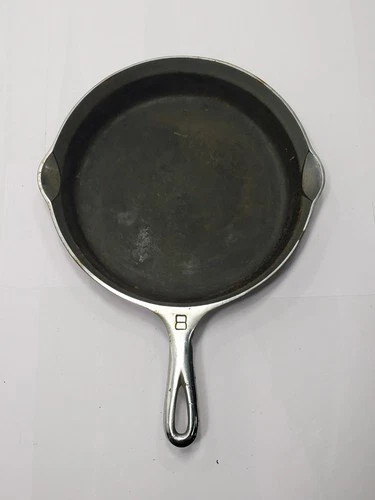
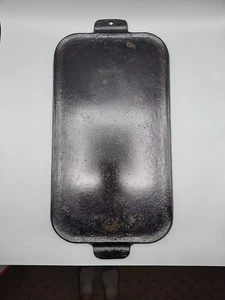
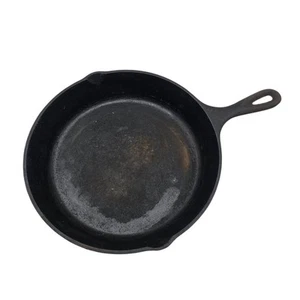
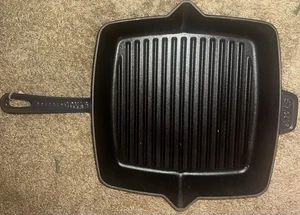
For griddling and searing, neither enamel nor seasoning is as important as the mass. That is why the at $76.00 is a legitimate buy for pancakes — the surface area and the thermal mass do the work, not the finish.
2. Acid
This is the cleanest dividing line. Bare seasoned iron is reactive. A long simmer of tomato sauce, a vinaigrette, or a wine reduction will strip the polymerised oil layer and leave you with a pan that needs re-seasoning. That is not damage, it is a ten-minute fix with a hot oven and a paper towel, but it is an extra chore in the middle of cooking a meal.
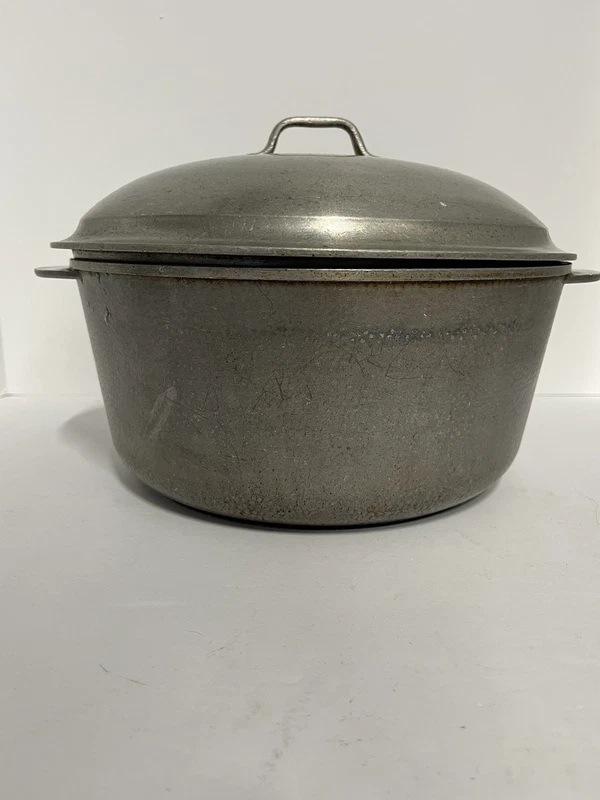
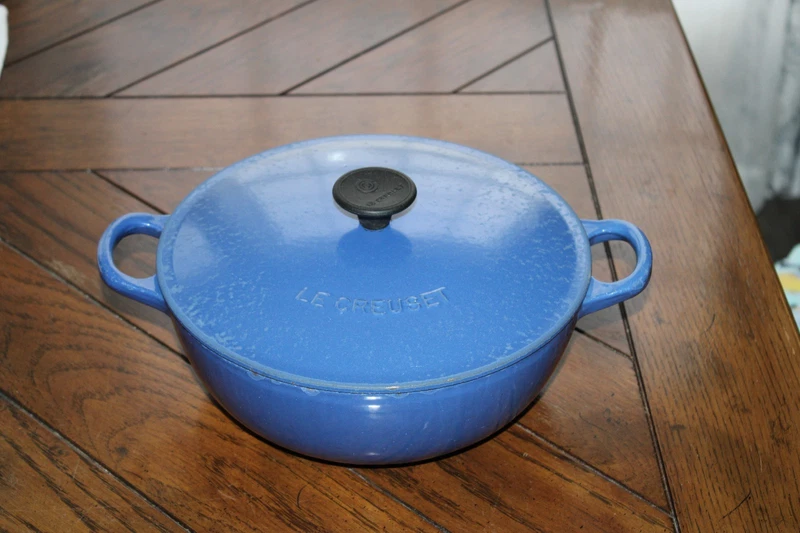
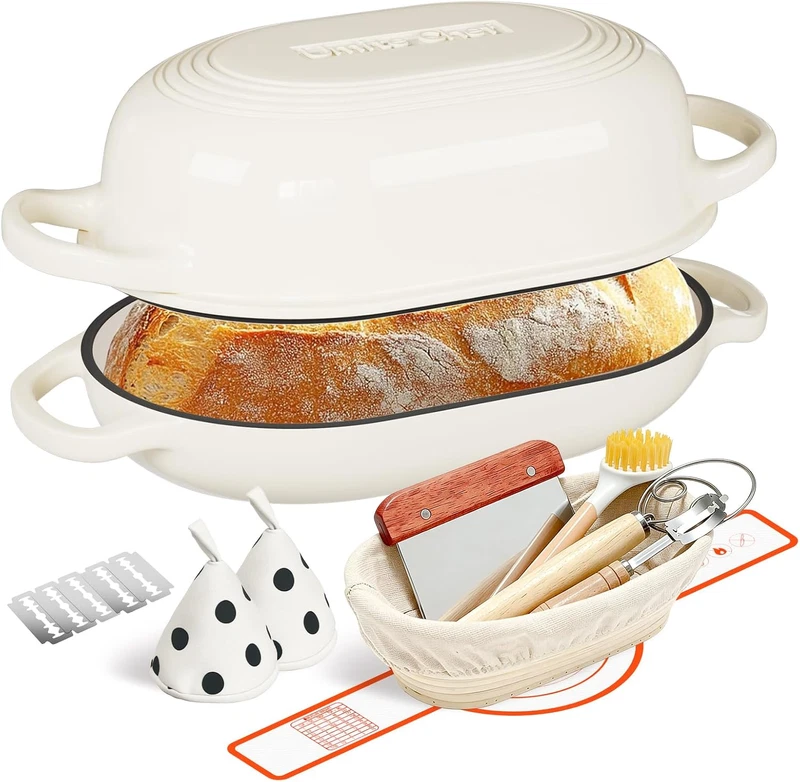
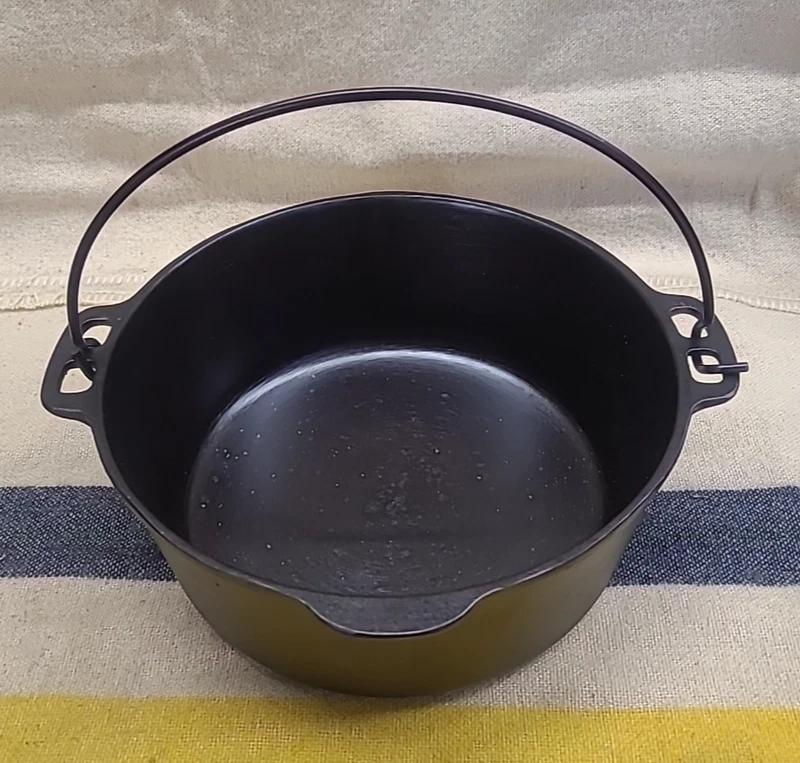
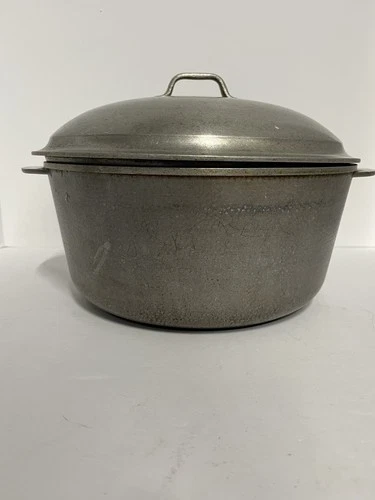
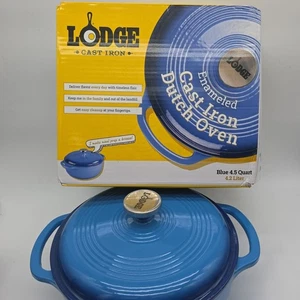
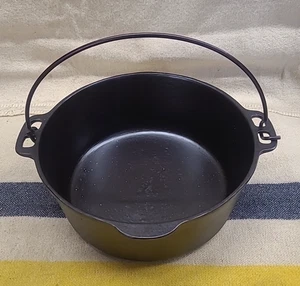
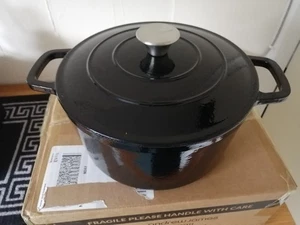
Enamel is inert. The is sold for bread and sourdough, but the same inertness makes it the right pot for a long tomato braise. This is the strongest argument for owning at least one enameled piece.
3. Maintenance
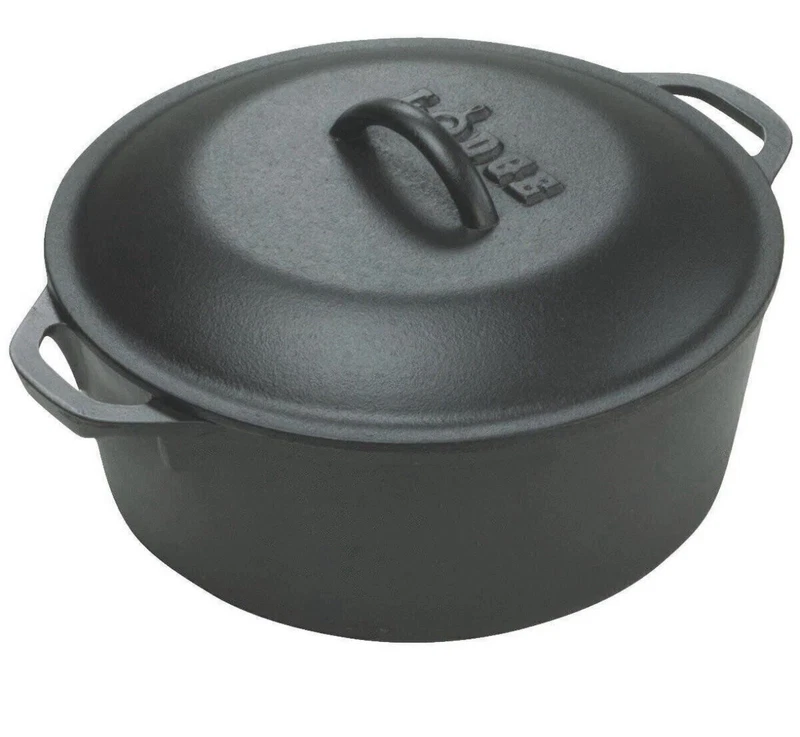
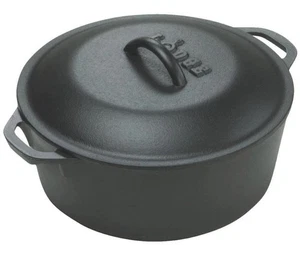
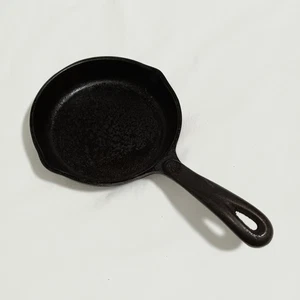
Traditional asks for two minutes of attention after every use: dry it on the burner, wipe on a film of oil, done. for years without thinking about it. Skip it and rust appears, and rust is the beginning of the end for a seasoning layer.
Enameled asks for a wash and a dry. No oil, no seasoning, no polymer to maintain. It is objectively less work, and for people who do not enjoy the ritual, that difference is worth real money.
4. Damage
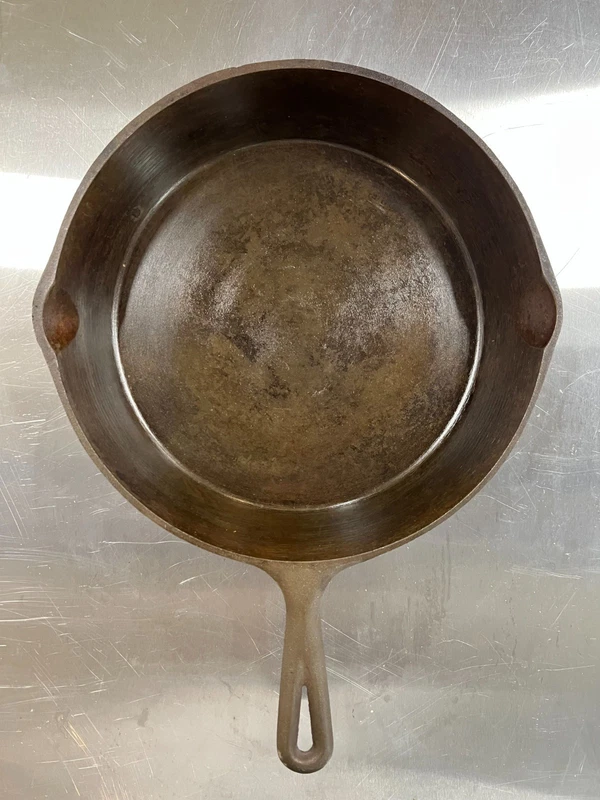
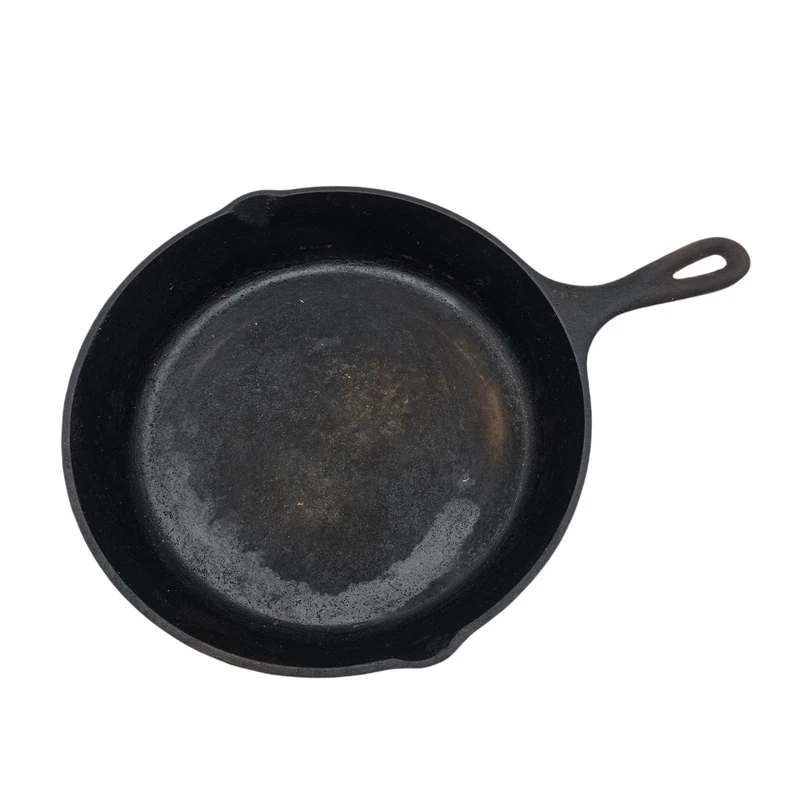
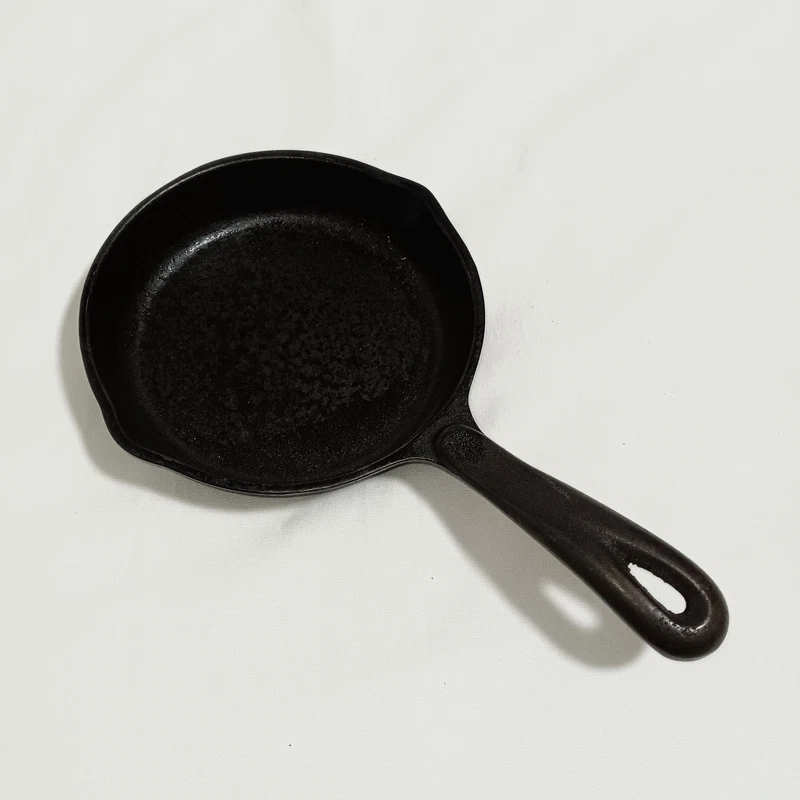
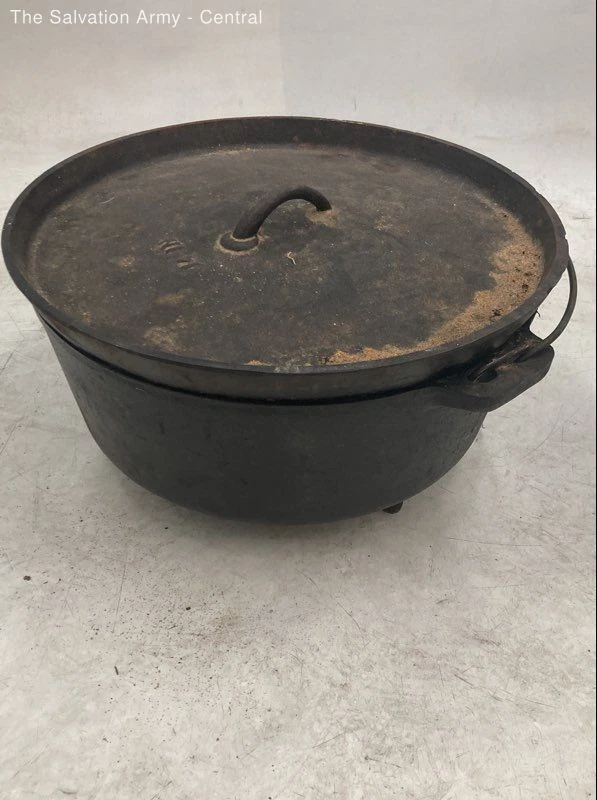
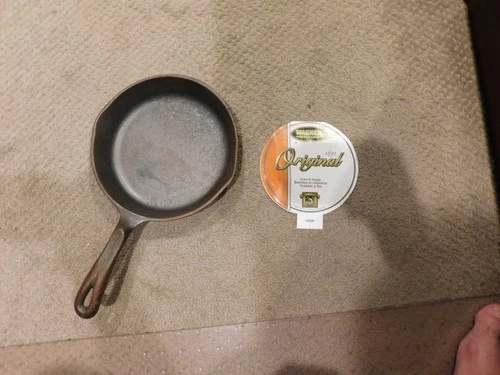
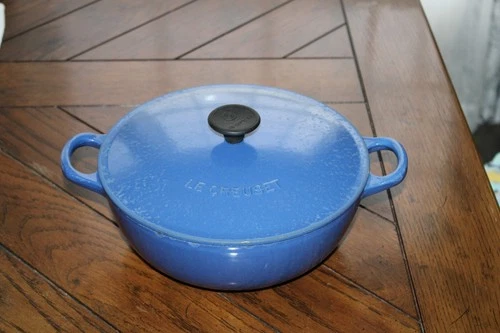
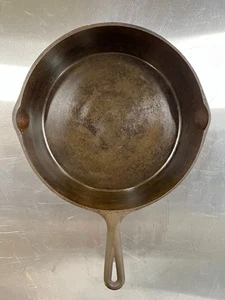
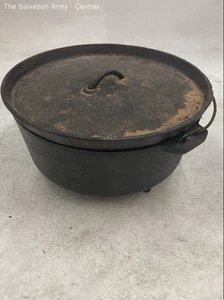
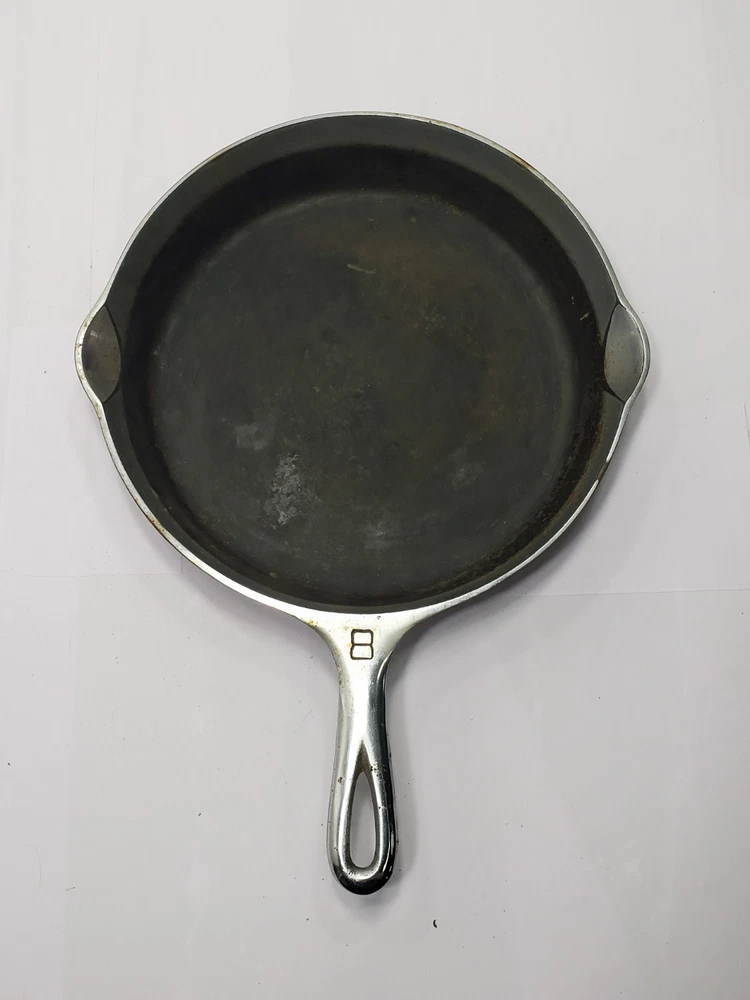
Traditional iron absorbs damage. The at $30.00 is described as a flat-bottomed, long-handled round pan suitable for induction, gas and electric — a utilitarian description of a piece that has clearly been worked hard. Scratches on a seasoned surface are not a problem; they are part of the surface. A chip in enamel is a different animal. The Lodge 4.5-quart listing is explicit about it: minor chips at the top of the pot, which the seller says should not affect cooking. Chips at the rim are cosmetic. Chips on the cooking surface mean bare iron exposed to acid, and that is a real functional loss.
5. Price
This is where the two camps genuinely differ, and where the used market does the most interesting work. Enameled pots hold value better because the finish is the product. Bare iron is only worth buying seasoned, and an unseasoned or rusty pan is a restoration project.


 $89.99