Tahabay icon tahabay

Smartwatch Buying Guide: Which One Fits Your Phone?

A practical smartwatch buying guide for 2026 — phone compatibility, displays, fitness tracking, battery and real eBay prices in every budget tier.

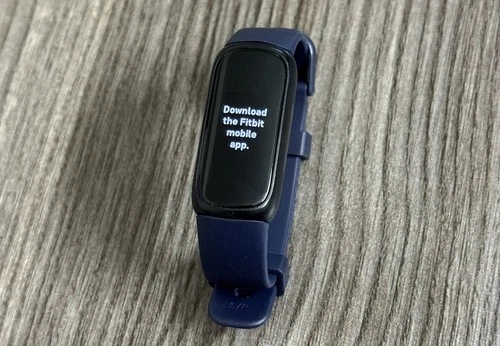
Fitbit Inspire 3

Spending money on a smartwatch is easy. Spending it on the right smartwatch is not — because every major option on eBay belongs to a different philosophy. Apple builds watchOS devices that only pair with iPhones. Samsung builds Wear OS watches that shine with Android. Fitbit sells fitness-first trackers that politely get along with both. And Garmin builds outdoor-and-training gear that treats battery life as a feature, not a compromise. Prices confirmed September 23, 2026 across eBay show all four camps available at every price point from $25 to $200, which is exactly why this guide exists.

The good news for deal-hunters is that smartwatch prices on eBay settle fast. A generation-old Galaxy Watch or Fitbit Versa that launched at several times its current price is a genuinely great buy if it matches how you live. The bad news is that condition and compatibility traps catch more buyers than bad products do. Read this before you open eBay, and in about ten minutes you will know which watch is right for your phone, your wrist and your wallet — and what smartwatch features you can safely skip.

Part 1

Step One: Which Phone Do You Own?

This single question eliminates more options than every other factor combined. Compatibility is not a preference — it is a hard wall. No box on this planet makes an Apple Watch work fully with an Android phone, and no software update changes the fact that Samsung's very best features assume you use one.

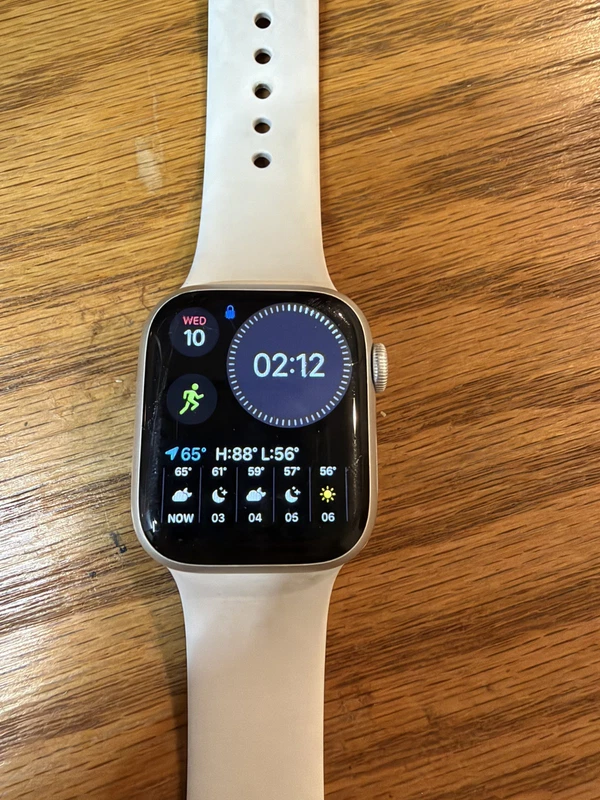
  • iPhone in your pocket? Your best experience is an Apple Watch, which requires an iPhone. You can also wear a Fitbit or Garmin watch, or an Android-compatible Wear OS watch, and they will work for fitness, calls and notifications — but you give up some iPhone integrations like Apple Pay and tighter messaging. Nothing else fully replaces the Apple Watch on iOS.
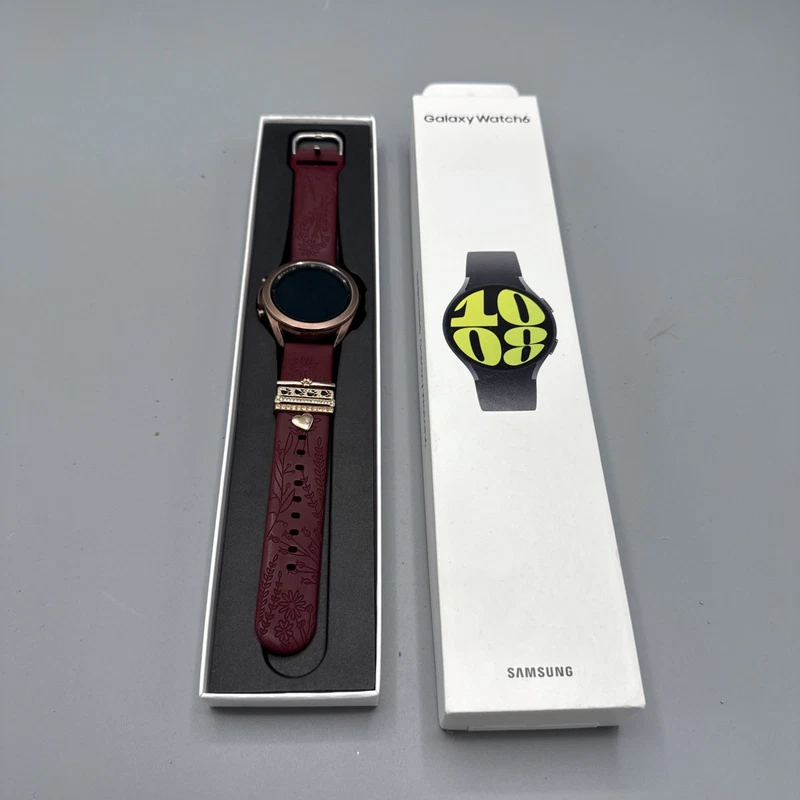
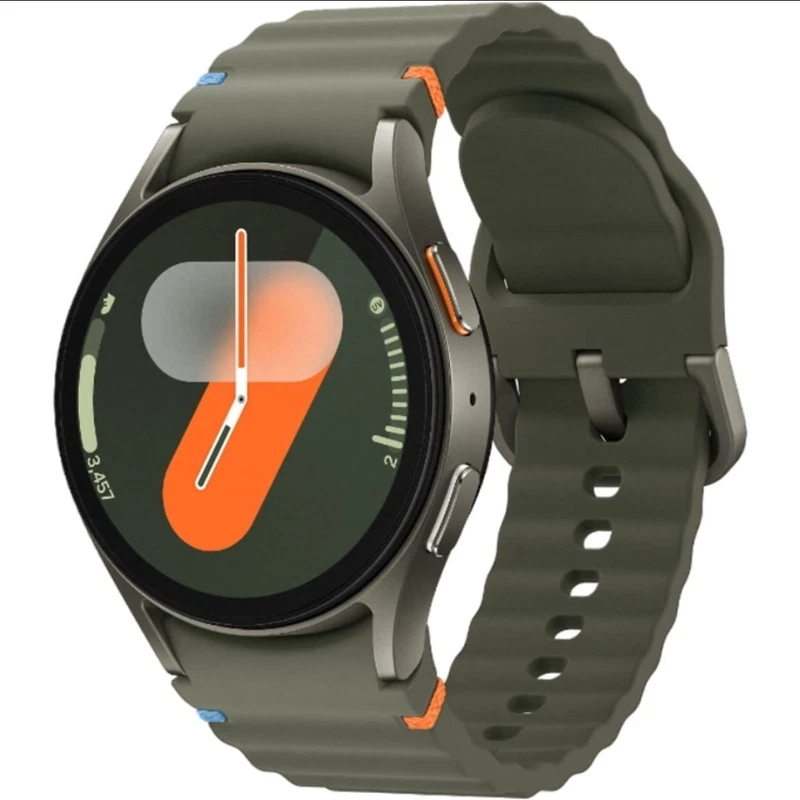
  • Android phone? You have the widest choice. Samsung Galaxy Watches running Wear OS are the natural pick, and the Fitbit, Garmin and Amazfit lines all work well too. The most common switch for former iPhone owners is to a Galaxy Watch, because it keeps the same "big display smartwatch" feel.
  • Both? Household with mixed phones? A Fitbit or Garmin watch is the only clean choice, because both officially support iOS and Android. Pick one brand and everyone in the house can wear it — a point that matters more than any single sensor spec.

The short version:

Watch platformiPhone?Android?Best for
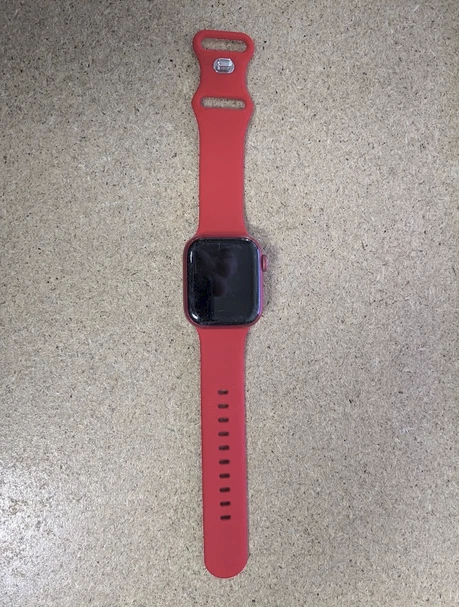
Apple Watch (watchOS)Yes, fullNoDeep iPhone integration
Samsung Galaxy Watch (Wear OS)Basic use onlyYes, fullAndroid all-rounder
FitbitYesYesFitness-first, cross-platform
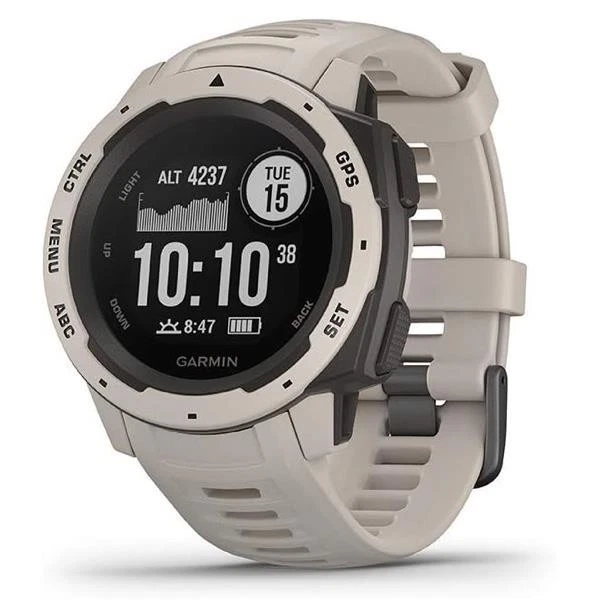
GarminYesYesSport and outdoor
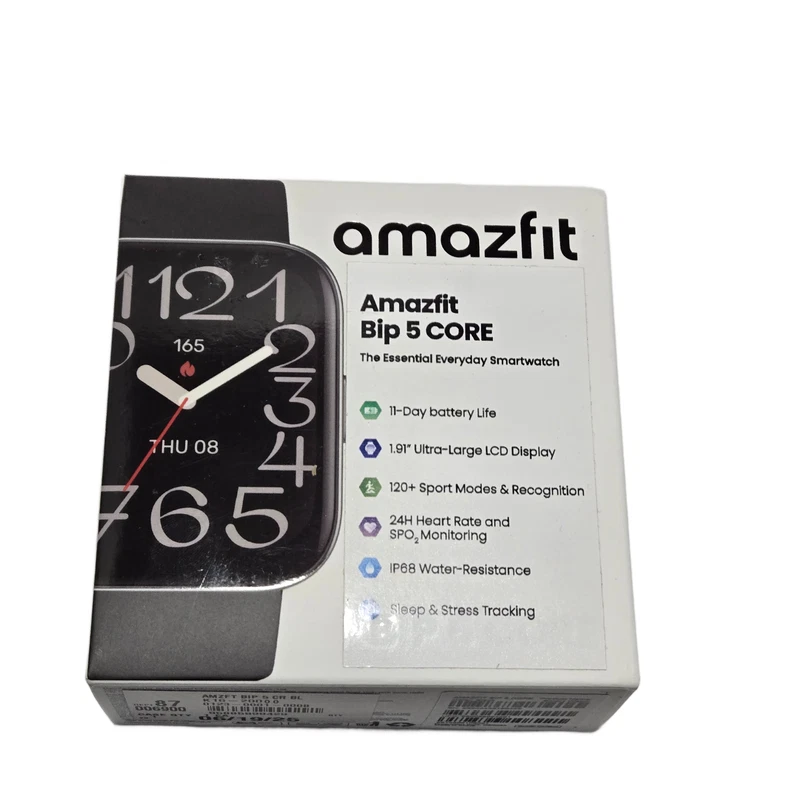
Amazfit / budget brandsYesYesBest value for the price

One nuance worth knowing: Android compatibility is not symmetrical. A Fitbit or Garmin on Android is a one-way street in the other direction too — you get the full Android app, but nothing like the Apple Watch's deep linking with an iPhone exists in reverse. If both platforms are in play in your household, buy the watch brand that runs its own mature app (Fitbit, Garmin) and stop worrying.

\n

If you are coming from an iPhone and weighing a switch, the same decision logic applies: our guide to Apple Watch alternatives for Android walks through what you gain and lose watch by watch.

Part 2

Step Two: Display, Size and How It Wears

A smartwatch is the closest piece of tech you will ever wear, so fit beats specs. Three measurements matter before features do.

Case size. Most watches come in 40–42mm and 44–46mm versions. The smaller size suits average and slimmer wrists and rarely costs anything in features; the larger size adds screen real estate and battery. If a listing says only one size, check your wrist against the band spec — many sellers note the exact strap length in the description. As a rule of thumb, 40–42mm fits most wrists up to about 16cm, and 44mm and up is the modern standard for 17cm-plus wrists.

Display type. AMOLED screens look brilliant and handle a full-color watch face well, with rich blacks and vivid notifications. MIP and simple monochrome displays — common on older Garmins and long-running trackers — trade color for battery life and outdoor visibility, so they stay readable in direct sun where AMOLED can struggle. Decide which matters more to you before you shop: a face you can glance at on a morning run is very different from a bright office-friendly screen.

Bands and weight. Every watch in this price range accepts replacement bands, and on eBay spare straps cost a few dollars. A chunky stainless case you love plus a cheap sport band is a better outcome than a perfect band on the wrong-size watch. Heavier cases feel premium but can annoy you at night or during workouts, so consider stainless versus aluminum honestly.

Screen and glass. Watch faces take knocks, and listings for used units are honest about it — some describe visible scratches. A screen protector is cheap insurance, and a used watch with a pristine face is always worth a small premium over an identical listing with a scratched one.

Part 3

Step Three: What Fitness Tracking Do You Actually Need?

Fitness is the one feature that adds cost at every level, so do not pay for more than you use. Walk through the four tiers and pick the highest you realistically need:

  • Steps and sleep. Every watch here does this. Even the cheapest trackers on eBay count steps, monitor sleep and log basic workouts. If this is the whole story, you can safely shop near the $30 mark.
  • Heart rate. This is the standard today — nearly every modern unit does continuous optical heart-rate tracking. It powers calorie estimates, resting-rate trends and workout intensity. Look for it on any fitness-focused watch you shortlist.
  • Built-in GPS. Phone-free GPS matters only if you run, ride or walk without your phone, or you want accurate maps and pace. Fitbit Inspire-class trackers skip it; the Fitbit Versa 3, Garmin Vivoactive and Galaxy Watch lines include it. If you always carry your phone, GPS is a nice-to-have, not a must.
  • Blood oxygen, sleep stages and sports modes. SpO2 sensors are standard on modern mid-range units, sports-mode counts range from a handful to 100+, and sleep staging is more about interpretation than hardware. Nice extras — but they are rarely the reason a watch fails at its core job.

One honest note on sensors: the app and the measurement philosophy matter as much as the hardware. Garmin and Fitbit have spent a decade refining their health platforms, which is why their numbers feel cohesive day after day. Cheaper watches record plenty, but the interpretation is thinner. If you are a data-driven athlete, that difference is worth real money; if you just want nightly sleep scores, it barely matters.

For a full feature-by-feature comparison of the four big platforms, our Apple vs Samsung vs Fitbit vs Garmin breakdown puts them head to head.

Part 4

Step Four: Battery Life Is a Lifestyle Choice

Nobody talks about battery enough. Realistic numbers by category:

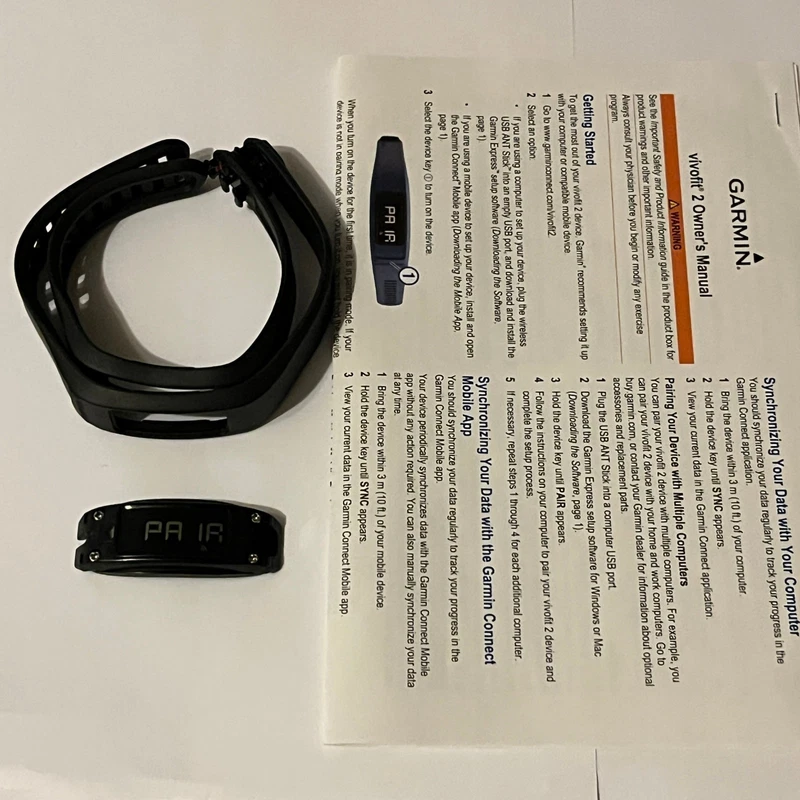
  • Trackers (Fitbit Inspire, Garmin Vivo/Vivofit): typically a week between charges. Set-and-forget territory.
  • Full smartwatches (Galaxy Watch, Fitbit Versa, Apple Watch): usually two to four days. You will build charge-in-the-morning habits.
  • Outdoor watches (Garmin GPS lines): the best of both — days of smartwatch use and far more with GPS modes and power settings.

Your lifestyle is the deciding factor, not the spec sheet. If you want a watch you never think about, buy a tracker. If you love bright animated faces and replying to messages from your wrist, budget for charging every couple of days and stop being annoyed by it. There is no watch in the world that is both a vivid full smartwatch and a two-week device — every brand makes the same trade-off, so the only real question is which side you prefer.

Charging habits also shape which watch to buy. Some buyers prefer magnetic pucks, some like cradles, and some models charge on standard wireless pads. Used listings sometimes sell chargers separately, which can be the cheapest path if you already own the cable from a previous watch in the same family — a small point, but a real saving for families already inside one ecosystem.

\n

On used watches specifically, ask two battery questions by reading the listing carefully: whether the seller tested the unit's battery, and whether the charger is included. Proprietary charging cables are the most common hidden cost in second-hand smartwatch deals — if a listing says "watch only," budget for a cable.

Part 5

Step Five: Water Resistance and Everyday Durability

Water resistance is another feature everyone claims and few listings explain. The realistic blanket statement is that most modern smartwatches survive showers, rain and sweat; expensive flagship outdoor watches are the ones you actually take swimming and diving with. On eBay, check whether the listing mentions water resistance in the description and — just as important — whether a used watch had its back case opened, because reseals are where water resistance quietly disappears. If you plan to swim laps or paddle, favor a current-generation sports watch and a seller who states testing. If your wrist only sees gyms and offices, standard daily resistance is fine and you should spend your money elsewhere.

Part 6

Step Seven: The Honest Limits of a Smartwatch

Every buying guide should tell you what a category cannot do, so here is the unfiltered version. A smartwatch is still not a medical device. Optical heart rate and SpO2 readings are good trends, not clinical measurements, so treat anomalies as a reason to see a doctor rather than an alert to trust. Notifications are genuinely handy, but deciding your phone is better elsewhere will reduce your charging anxiety more than any battery upgrade. Built-in speakers and microphones on sub-$150 watches are best for quick calls, not podcasts. And no watch in this bracket replaces a dedicated sports computer for advanced training data — for that you step up to Garmin's flagship Fenix/Forerunner territory, which this guide's price range deliberately does not cover.

There is also an app-polish gap between the famous brands and the budget ones. Samsung, Apple, Fitbit and Garmin ship companion apps refined over many years, with clean data, reliable syncing and thoughtful notifications. Cheap watches record the same raw numbers but the surrounding software is thinner, and long-term support is less certain. That is the real trade you make at the $30 mark, and it is a defensible one — but it should be an informed trade, not a surprise.

One final reality check: watch cases scratch, screens lose their shine with abuse, and proprietary cables disappear into drawers. Spend part of your saved budget on a screen protector, a spare band and a spare cable from the start. Those three cheap accessories protect more watch value than a case ever did.

\n
Part 8

Step Six: Buying a Smartwatch on eBay Safely

Seller signals matter, too. Favor listings from sellers with well-established feedback and recent completed sales of the same category, and watch out for listings that reuse the same description across a dozen models — a sign you are buying from a catalog reseller rather than inspecting the exact unit. When the photos show the actual watch with its serial viewable and a description that names physical flaws, you are looking at a seller who knows exactly what they are shipping. That clarity is worth paying a little extra for on any used smartwatch.

\n

A few habits separate a great deal from a regretted one. First, always read the condition note for the exact unit — phrases like "tested," "open box," "as-is" and "minor scratches" mean very different things. Second, confirm what is physically included: charger, bands, original box. Third, for LTE models, make sure the listing states the watch is unlocked or paid off, because a carrier-locked watch is almost worthless to you. Fourth, compare the listing price to completed sales of the same model so you know you are buying a deal and not re-paying a fictional MSRP. Finally, remember that eBay prices change constantly — if the deal you read about here has disappeared, search the model name again tomorrow and a fresh listing will almost always appear.

Two budget-zone tips before you jump in. First, generation timing: Samsung and Apple refresh watches yearly, and Garmin and Fitbit on a slower cadence, so the previous generation always floods eBay a few months after each launch — that is the single best moment to buy a near-flagship watch at a mid-range price. Second, model naming: listings that just say "smart watch" without a brand are usually either budget-branded units or resold generics, so learn the model numbers that matter (Galaxy Watch R8xx/W6/W7, Versa 3/4, Vivoactive 3, Inspire 2/3, Charge 2/6) and search by them — you will instantly filter out the noise and see the real deals.

\n
Part 9

Quick Glossary for Smartwatch Shoppers

  • Wear OS: Google's smartwatch operating system, used by Samsung Galaxy Watches and many others. Works best with Android.
  • watchOS: Apple's smartwatch operating system. iPhone only.
  • AMOLED: The vibrant color display tech used by most modern smartwatches.
  • MIP display: A low-power reflective display, common on older Garmins, that keeps battery life up and stays readable in sunlight.
  • GPS: Built-in positioning for distance and maps without your phone nearby.
  • SpO2: Blood-oxygen measurement, now standard on most mid-range watches.
  • LTE: A cellular radio letting the watch call and text standalone — subject to carrier plans in some markets.
  • Open box: A returned or surplus unit, usually tested and complete; a good middle ground between new and used.
  • Water resistance rating (ATM/IP): A durability label, not a guarantee. Higher numbers survive more. On used units, only trust it if the seller confirms the case has not been opened.

Once you know your phone, your wrist size, your fitness habits and your battery tolerance, the right watch picks itself — and the deals on eBay do the rest. For a look at the best complete list in the budget bracket, our best smartwatches under $150 roundup has every pick with live pricing.

Questions

Frequently asked questions

Which smartwatch works with both iPhone and Android?

Fitbit and Garmin watches officially support both iOS and Android, so they are the cleanest cross-platform picks. Samsung Galaxy Watches are built around Wear OS and work best with Android, while the Apple Watch requires an iPhone.

Do I need GPS on my smartwatch, or is it a waste?

You only need built-in GPS if you run, ride or walk without carrying your phone, or you want accurate pace and maps. If your phone is always with you, phone-tethered GPS is fine and you can skip the extra cost.

How long should a smartwatch battery last?

Trackers such as the Fitbit Inspire or Garmin Vivo lines typically last about a week. Full smartwatches like Galaxy Watches and Fitbit Versas usually go two to four days. Outdoor GPS watches last longest, especially with power-saving modes.

Is buying a used smartwatch on eBay risky?

Not if you read the listing. Look for tested condition notes, confirm the charger and bands are included, verify LTE models are unlocked, and compare the price to completed sales. Buying used is the fastest way to get a great watch for a fraction of retail.

What is the difference between a fitness tracker and a smartwatch?

Trackers are lighter, smaller and battery-efficient, focused on steps, heart rate, sleep and workouts. Smartwatches add bigger color displays, notifications, calling and apps. If you mostly want data and long battery, a tracker wins; if you want a wrist computer, get a smartwatch.