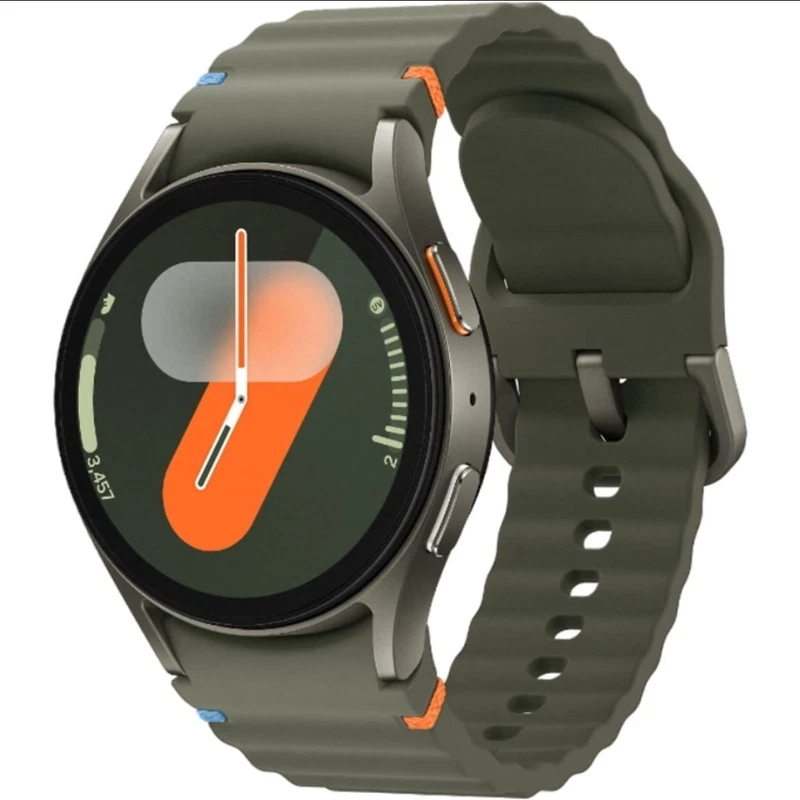
Where Apple owns the iPhone wrist, Samsung owns the Android wrist. Galaxy Watches run Google's Wear OS, which means deep Android integration — notifications, apps, Google services — in a big, bright display that largely shadows the Apple Watch experience without the Apple name. Samsung has iterated for a decade, and humble is not the word: the Watch8 Classic generation even brought back the rotating bezel-style premium look.
Samsung's eBay story is the opposite of Apple's. Because Galaxy Watches are released annually and Samsung owners upgrade quickly, previous generations flood the used-and-surplus market and prices crater fast. That makes Samsung the best platform for buyers who want real smartwatch function at the sharpest possible discount.
Real listings checked today, from the absurdly cheap to the current flagship:
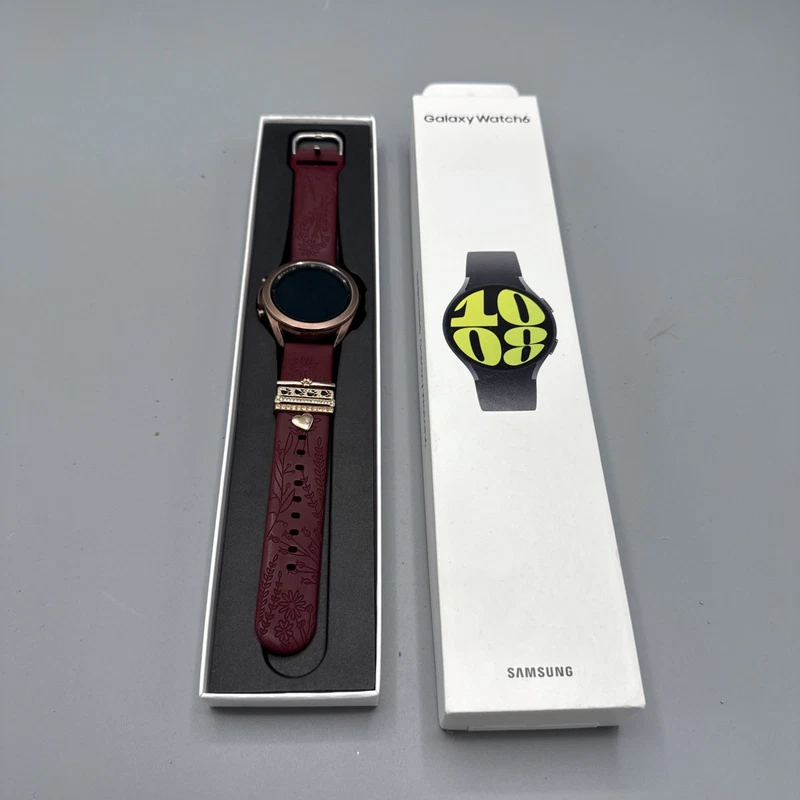
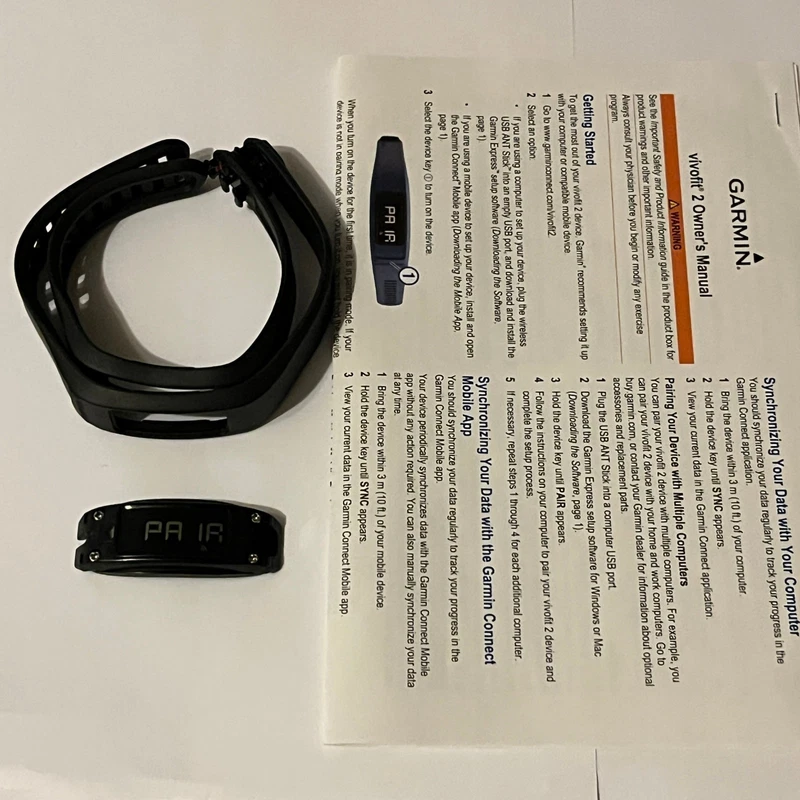
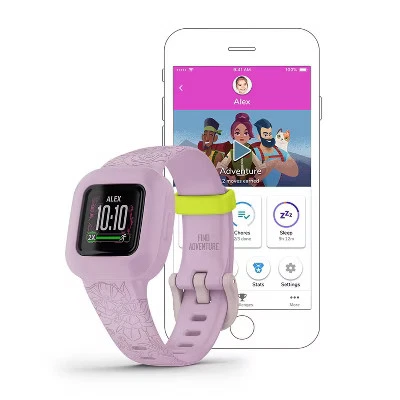
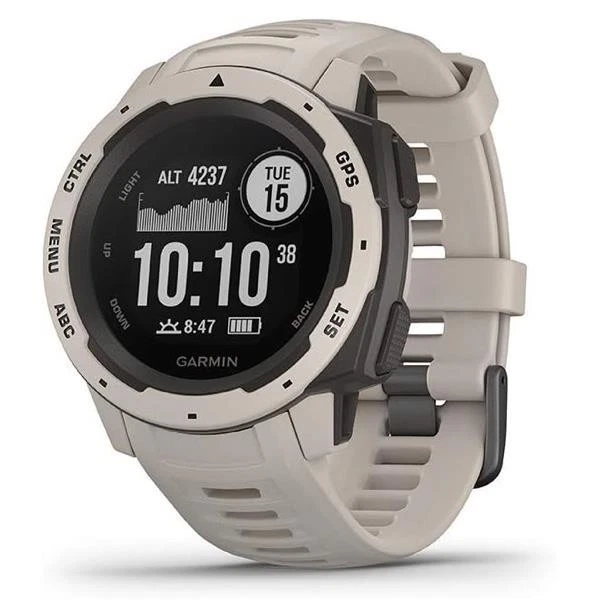
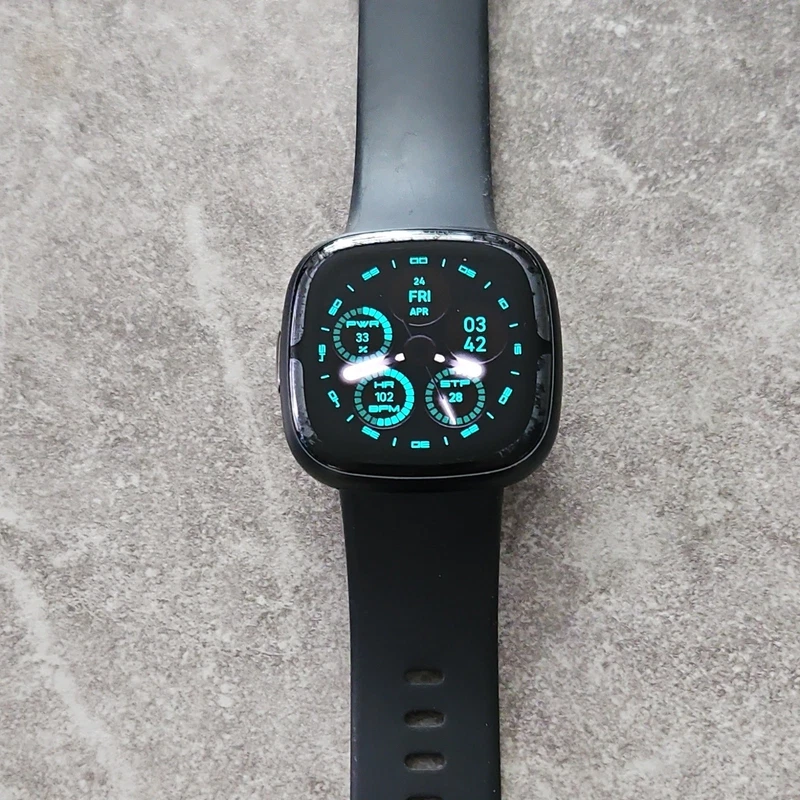
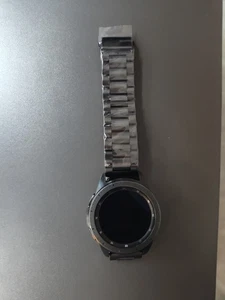
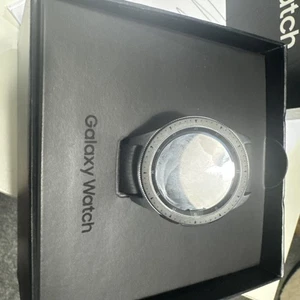
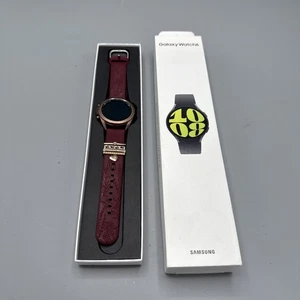
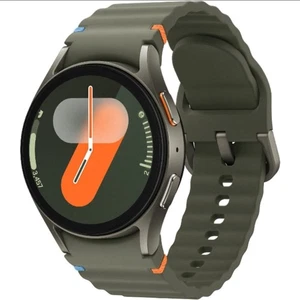
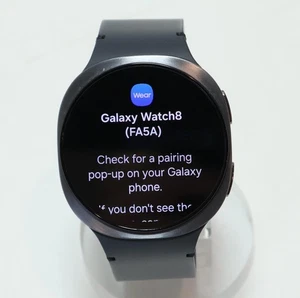
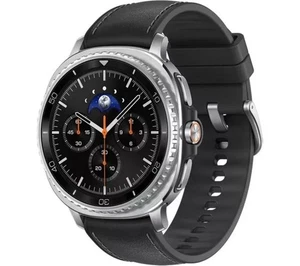
The is the poster deal of this comparison — a stainless steel Galaxy Watch listed new at about $35, complete with GPS and heart-rate tracking. The at about $61 new adds standalone LTE calling. Mid-generation value lives in the at about $110 new with a modern aluminum case and Wear OS, and the newest-generation pick under $150 is the at about $144 new. Above that, the at about $170 used (AT&T version, includes watch, band, cable and box) and the at about $226 new round out the top of the bracket.
Three practical hooks make Samsung the value champion of this comparison. First, the ecosystem ladder: because Samsung releases nearly every year, there is a current-generation price for every wallet — from the $35 SM-R810 all the way up to the $226 Watch 8 Classic. Second, LTE is common and priced gently on Samsung where it is a premium on Apple, so wrist-only calling is an achievable, affordable checkbox. Third, the accessories market is enormous and cheap; replacement bands, screen protectors and chargers for Galaxy Watches sell for a few dollars on eBay, which quietly lowers the total cost of ownership more than any single sale price.
\n
- Pros: Best Android smartwatch experience; huge annual refresh cycle means big discounts; Wear OS app support; current-generation units cheap by Apple standards.
- Cons: Best experience requires an Android phone; battery matches Apple's two-to-four-day rhythm; iOS support is only partial.
Who it is for: Android phone owners who want a full smartwatch — which is the majority of the market outside iPhone.







 $99.99