More than suction, more than battery, more than brand, navigation is what separates a robot that cleans your house from a robot that repeatedly bumps into the same chair leg. There are three tiers in these listings, and they map cleanly onto the price bands.
Tier one: bump navigation, no mapping
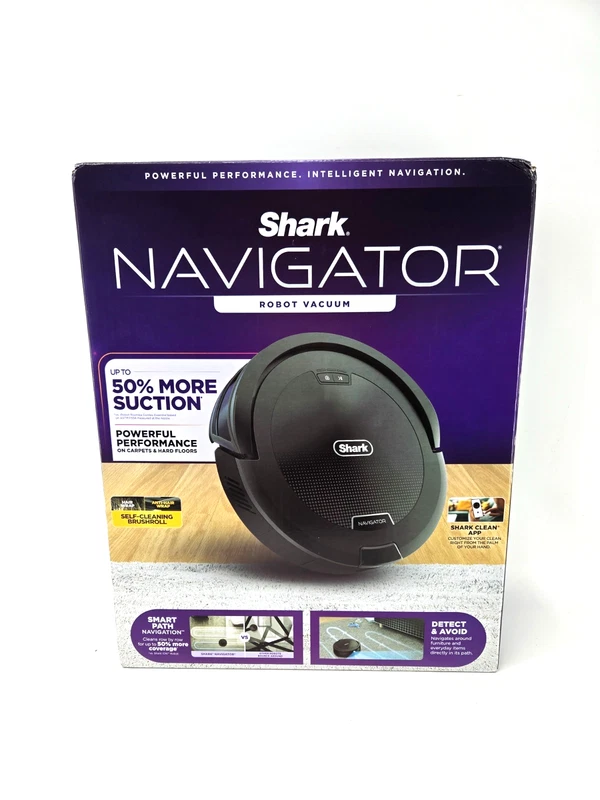
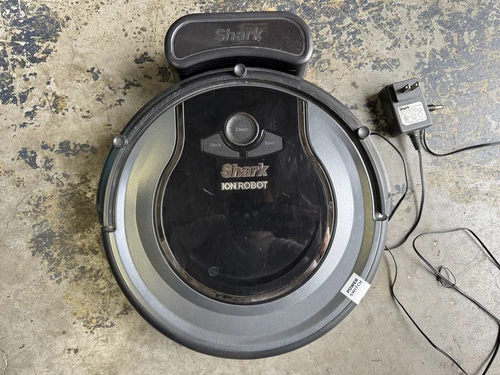
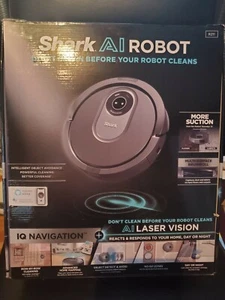
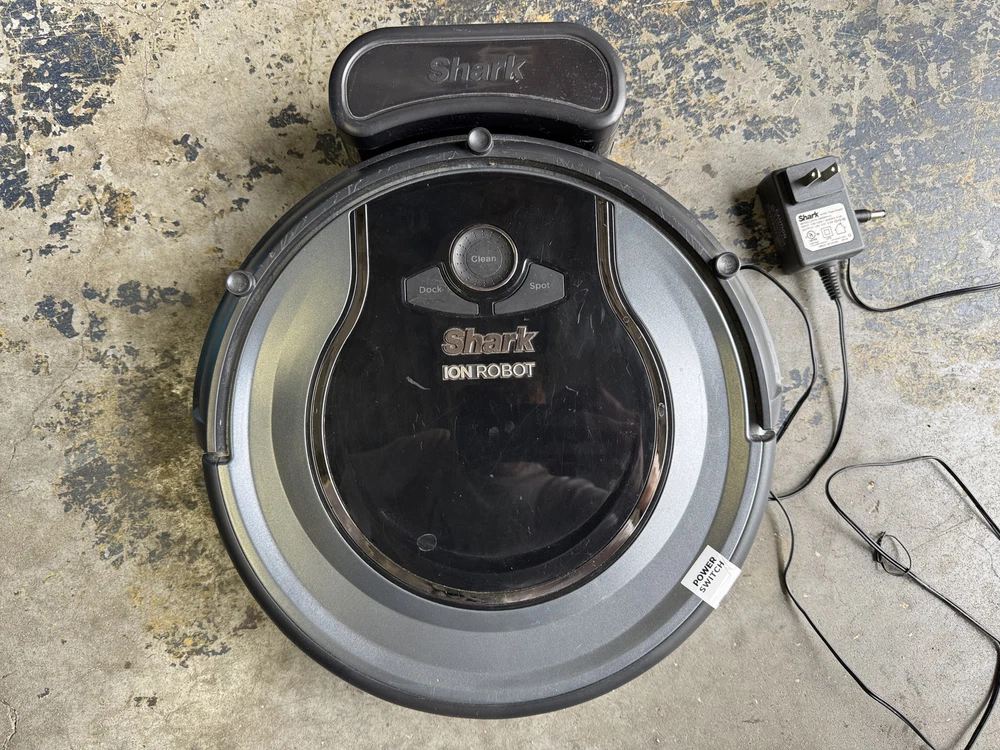
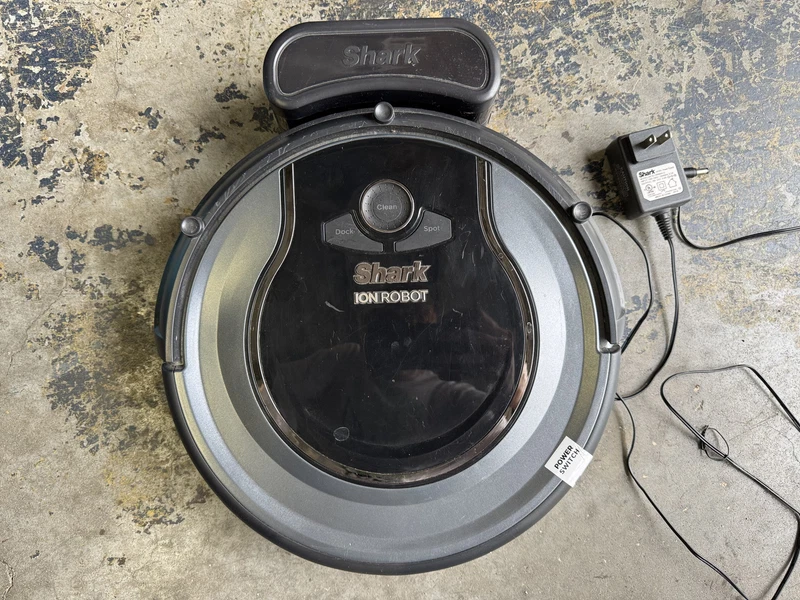
The oldest machines in the pool navigate by contact, and they are represented at the bottom of this article. The $34.38 used is described by the seller as good used condition, working well, with normal signs of wear, sold as is. The $34.99 new is the same idea bought new. Neither listing makes any claim about mapping, room division or app-based control, and that absence is informative in itself. These machines clean an open room adequately, get confused by clutter, and have no idea they have cleaned the same spot four times.
For a small flat with hard floors and tidy furniture, that is genuinely fine, and the price gap to anything better is large. For a house with pets, a rug in the middle of the floor, or more than one room, the time you spend repositioning and re-running the machine eats the saving within a month. Contact navigation is not a bad product choice; it is a small-home product choice, and buying one for a large home is the most common expensive mistake in this category.
Tier two: visual mapping and app control
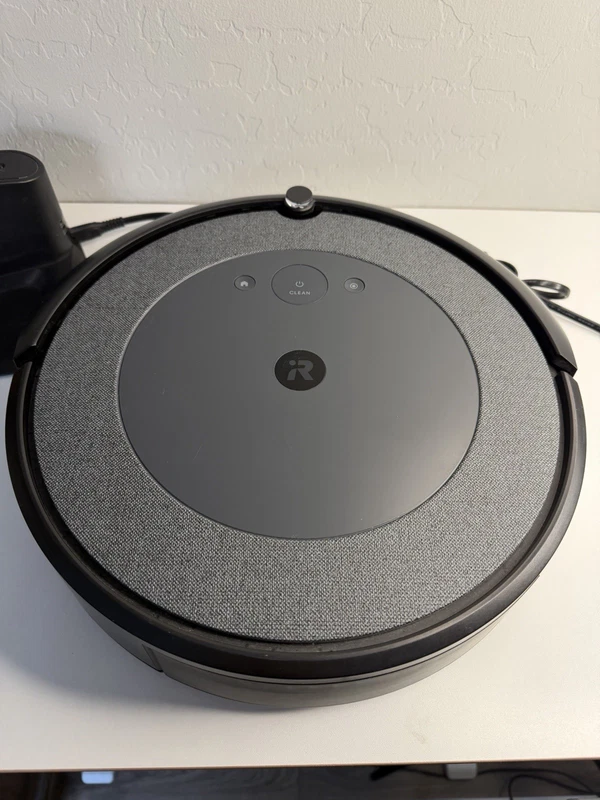
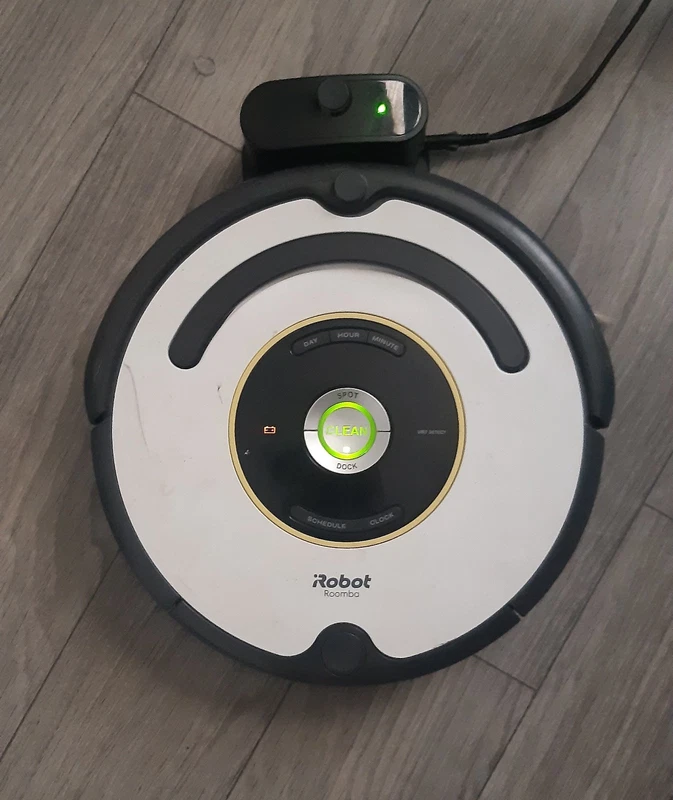
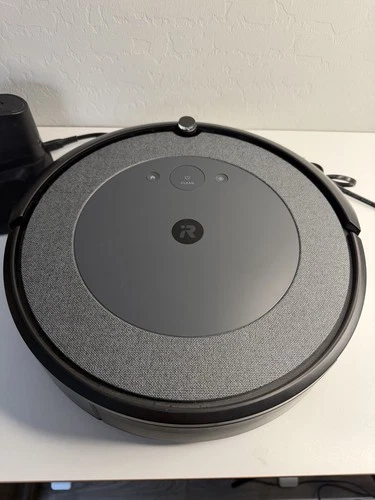
The middle tier adds a camera or optical sensor to build a rough map, and typically adds an app. The $90 used sits here, described as a sleek and efficient robot with Wi-Fi connectivity for monitoring and control and an included charging dock. It is the most capable iRobot machine in our pool and it maps, but it does not claim the row-by-row systematic coverage that the machines below do.
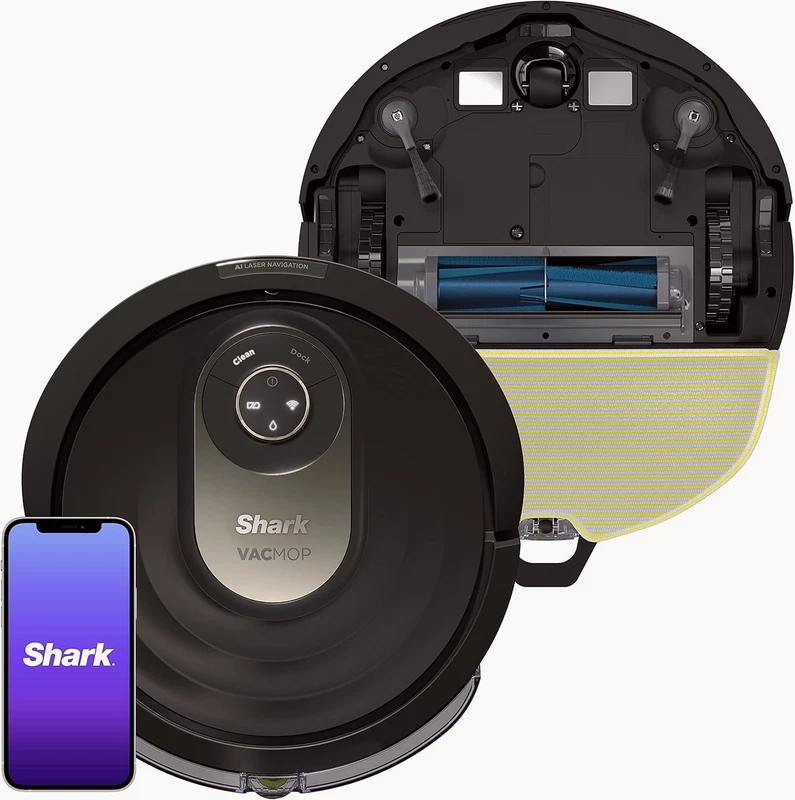
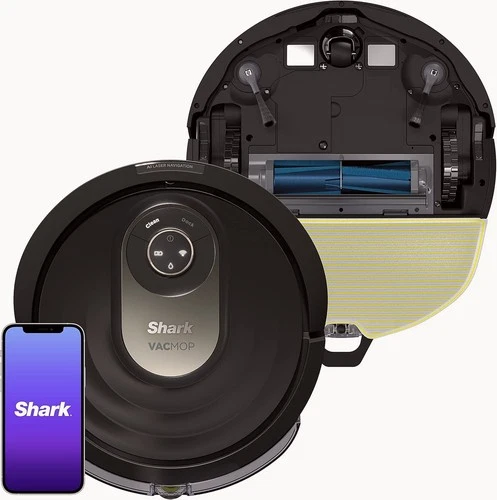
The $94.99 used also sits in this tier and goes further, with intelligent home mapping, AI navigation, simultaneous vacuuming and mopping, and sonic mopping. The $139.99 new is the clearest statement of it, described as new and unused and built around SmartPath row-by-row cleaning. That is a meaningful difference from random pattern cleaning, because a robot that cleans in rows returns to the same place at the end of a pass, which is how coverage becomes predictable.
Tier three: LiDAR, and where the money goes
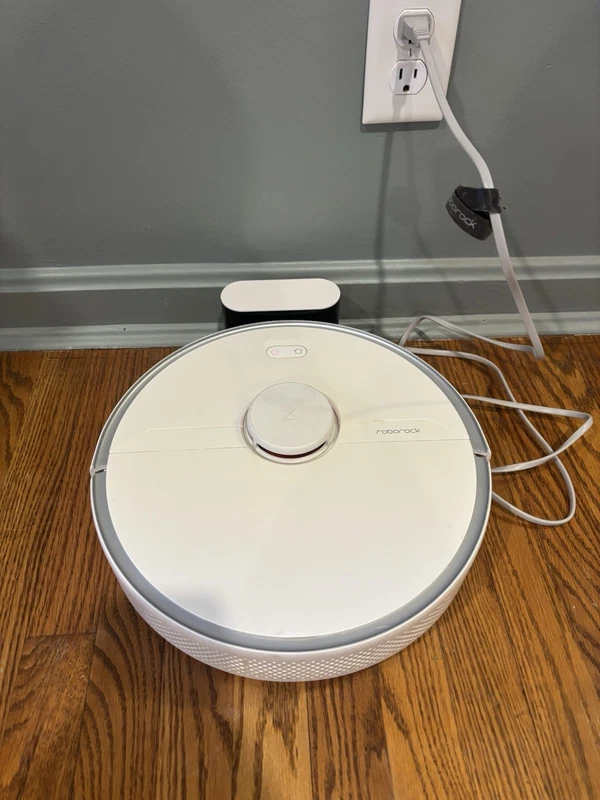
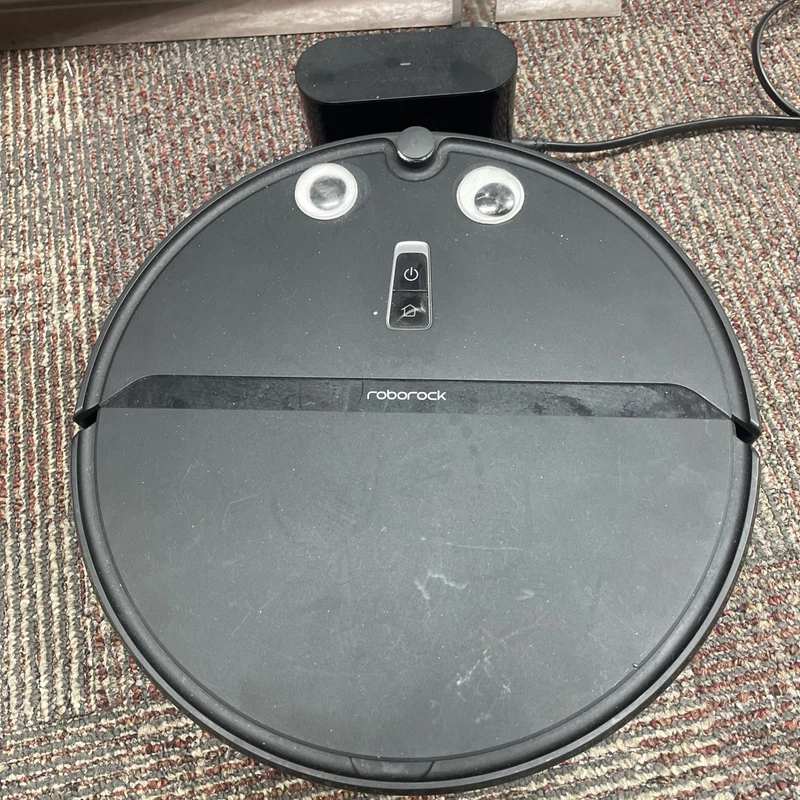
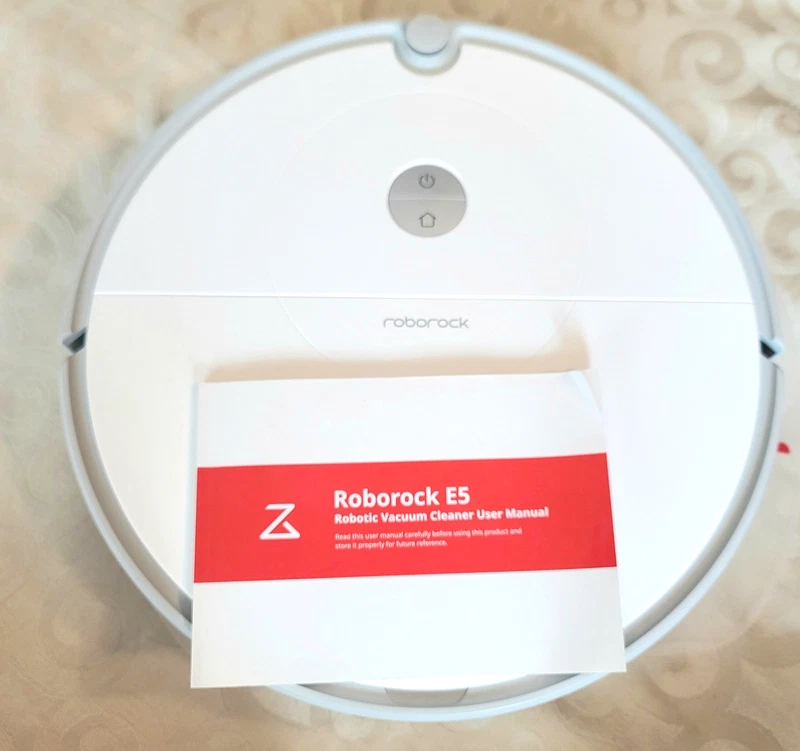
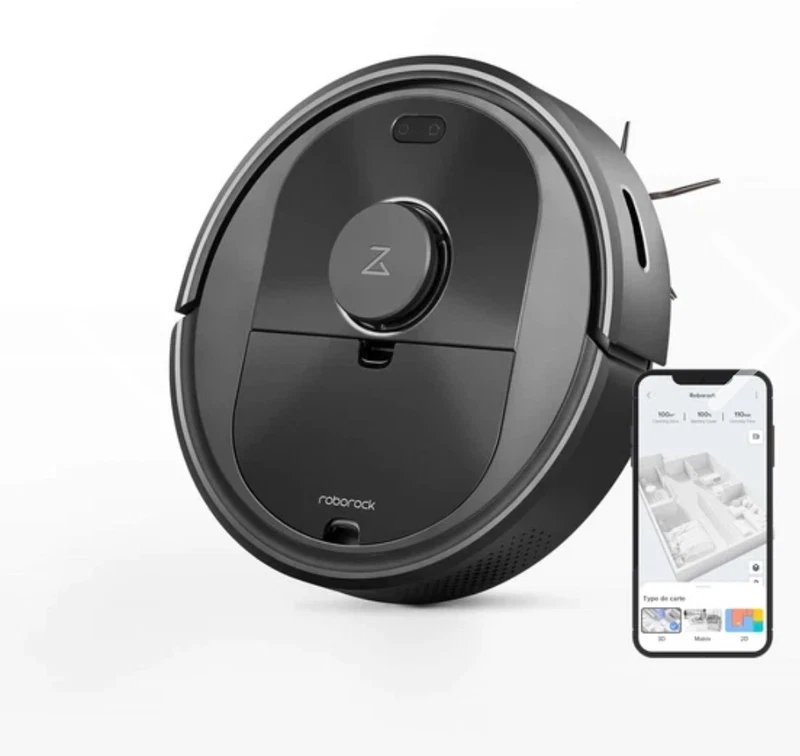
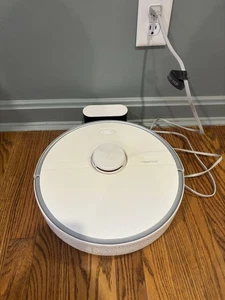
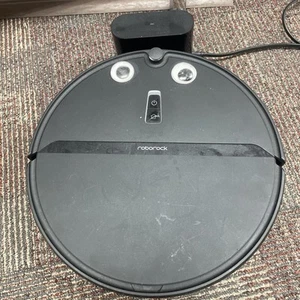
This is the tier that separates the brands, and it is where Roborock leads decisively. The $49.99 is the standout value in this entire article, and the seller is refreshingly blunt about its condition: used-acceptable, significant scratching and cosmetic marks, fully functional and reset, with all consumable parts and brushes new. At that price, LiDAR mapping is the single best hardware-per-dollar finding in this comparison, and it is worth saying plainly that a scratched $49.99 Roborock navigates better than a clean $199.99 Roomba.
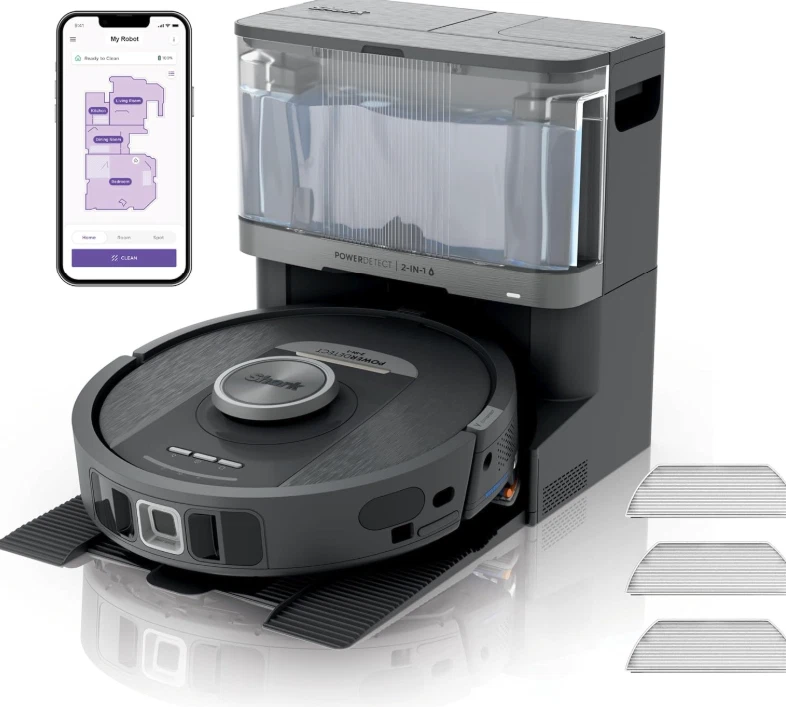
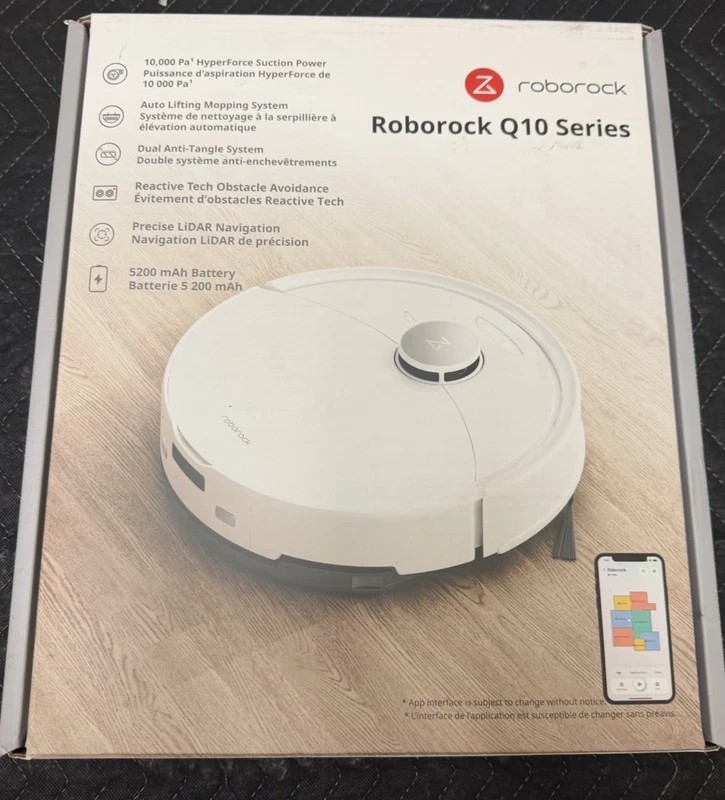
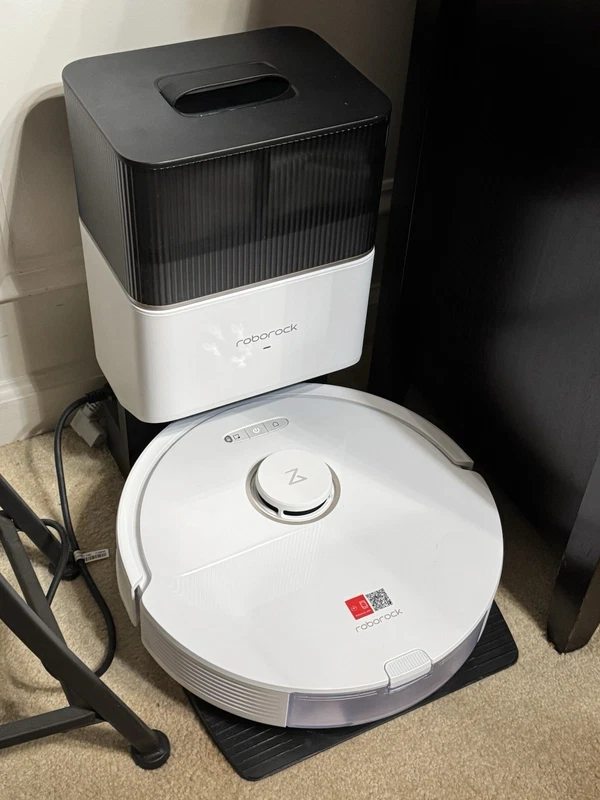
Above it, the $169.99 is an open-box unit described with 30% better carpet cleaning in UltraClean mode, which is a useful, specific claim rather than a vague one. The $172.09 combines LiDAR with a base, and the $172.50 new uses a tri-brush system described as great for picking up large and small debris. One caveat applies across all LiDAR machines: they need a low, clear space to sit while they map, and a cluttered room can produce a poor first map that the robot then follows faithfully.
| Brand | What the listings show at the entry price | What you get at the top of the range |
|---|
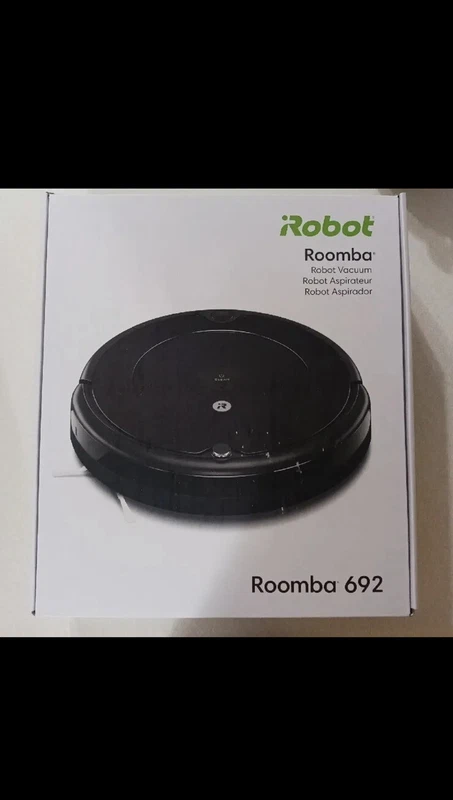
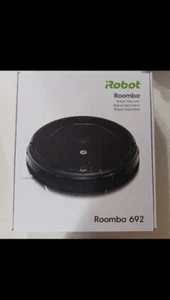
| iRobot | Used Roomba 690 at $49.99 and Roomba 670 at $85, described as household basics without mapping claims | New Roomba 692 at $199.99, bagless with three-stage filtration and Alexa and Google Home support |
| Roborock | Used S4 with LiDAR at $49.99, which out-navigates everything cheaper in this article | Q8 Max+ at $359.99 with 5,500Pa suction and DuoRoller all-rubber brushes, described as used once for 83 minutes |
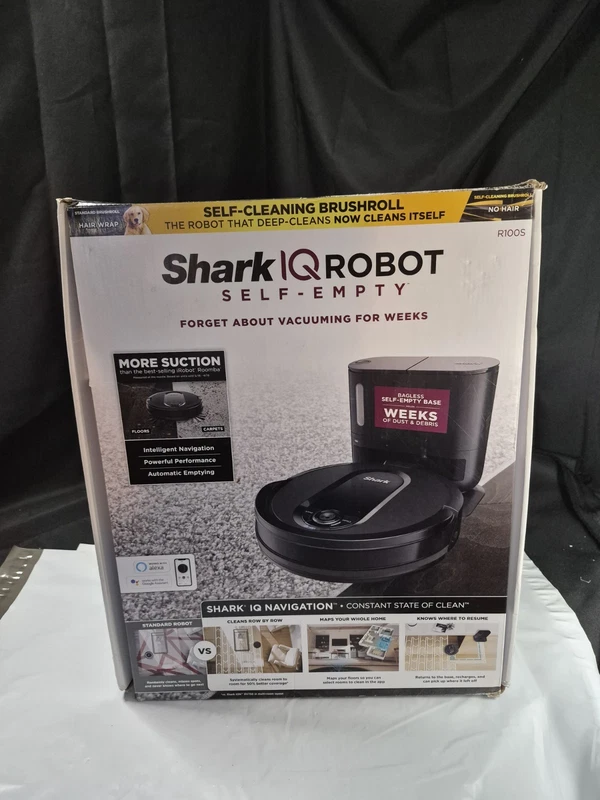
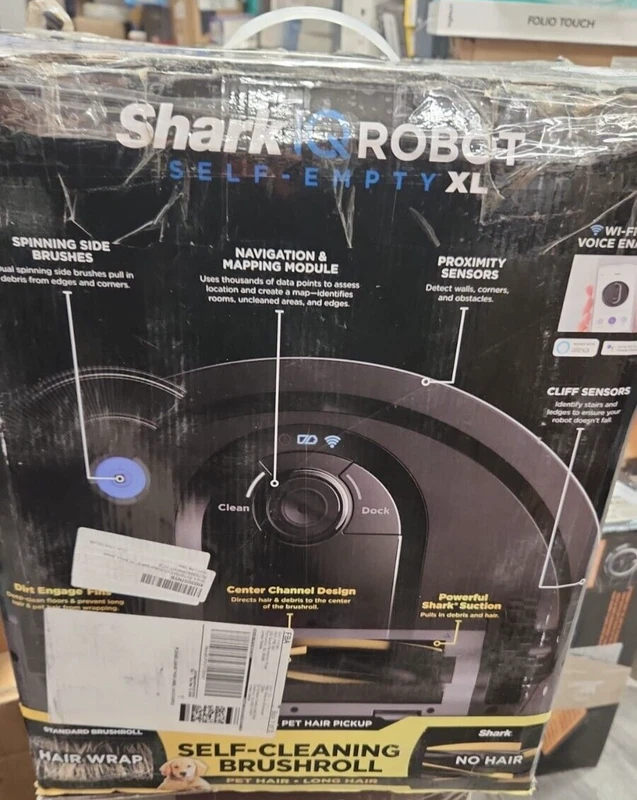
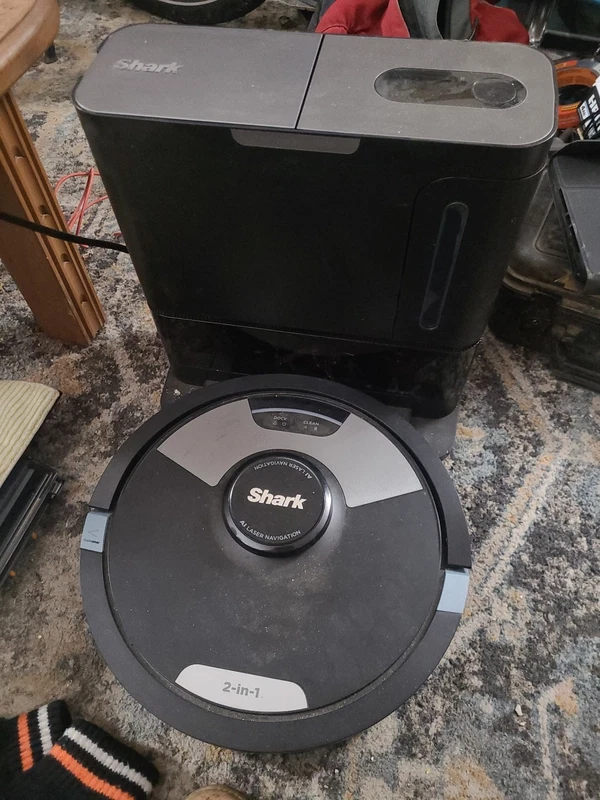
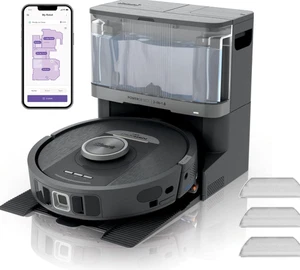
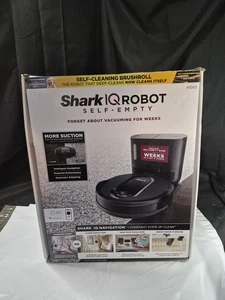
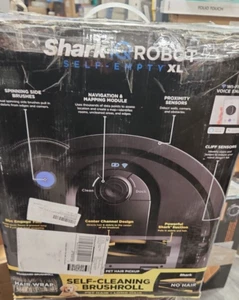
| Shark | Used RV750 at $34.38 and new ION RV850BRN at $34.99, no mapping | AI self-empty XL at $200 with a HEPA filter, 90-minute runtime, Wi-Fi and Alexa |
The honest read of this table: Shark and Roborock both beat iRobot on navigation at every price point, and iRobot competes on ecosystem and resale. If you have never mapped a floor with a robot, the jump from contact navigation to LiDAR is the most noticeable upgrade in the category — it is the difference between running it daily and running it when you feel like it.








 $34.38