Ask ten people what matters most in a robot vacuum and you will get ten answers about suction. Ask ten people who own one which problem they actually had, and almost all of them will say the robot could not get around the house properly. That is a navigation problem, not a suction problem, and it is worth understanding the three tiers before you spend anything.
Random bounce — the sub-$60 tier
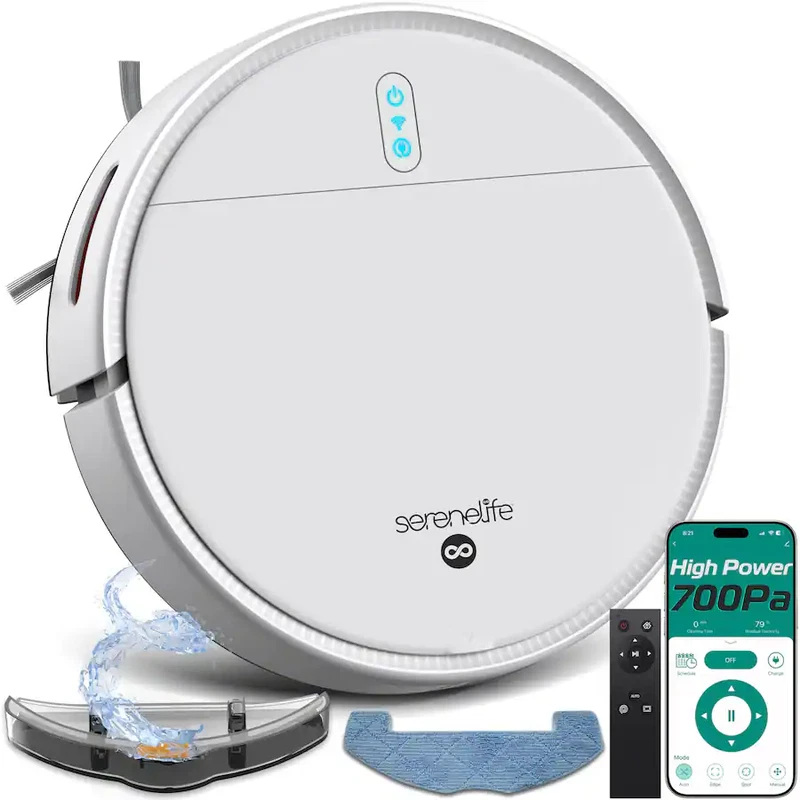
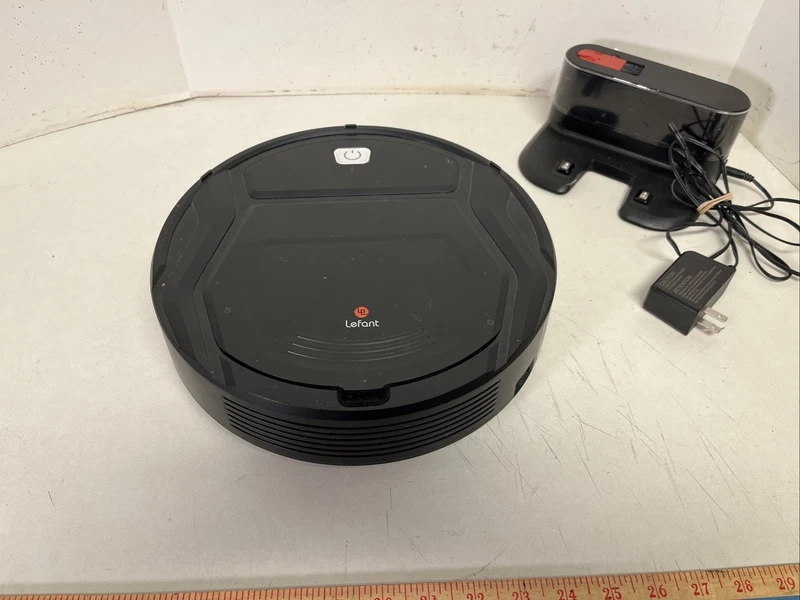
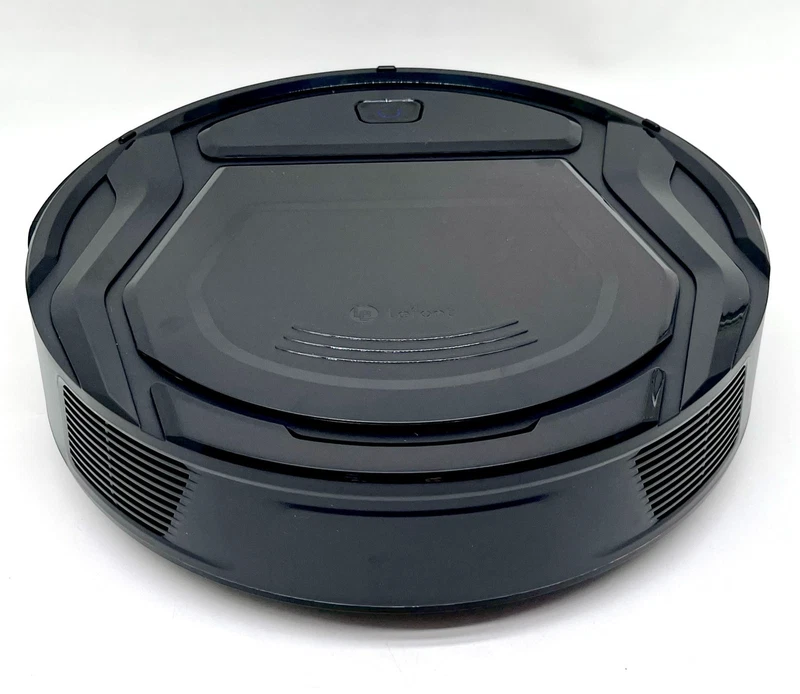
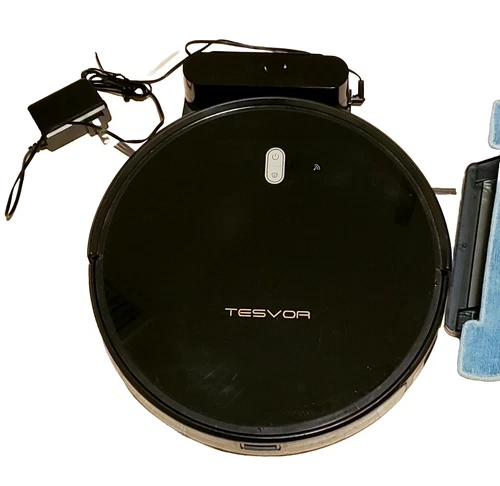
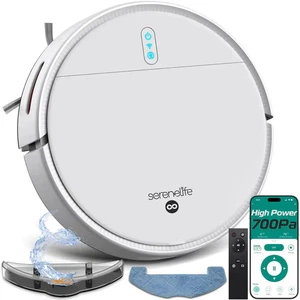
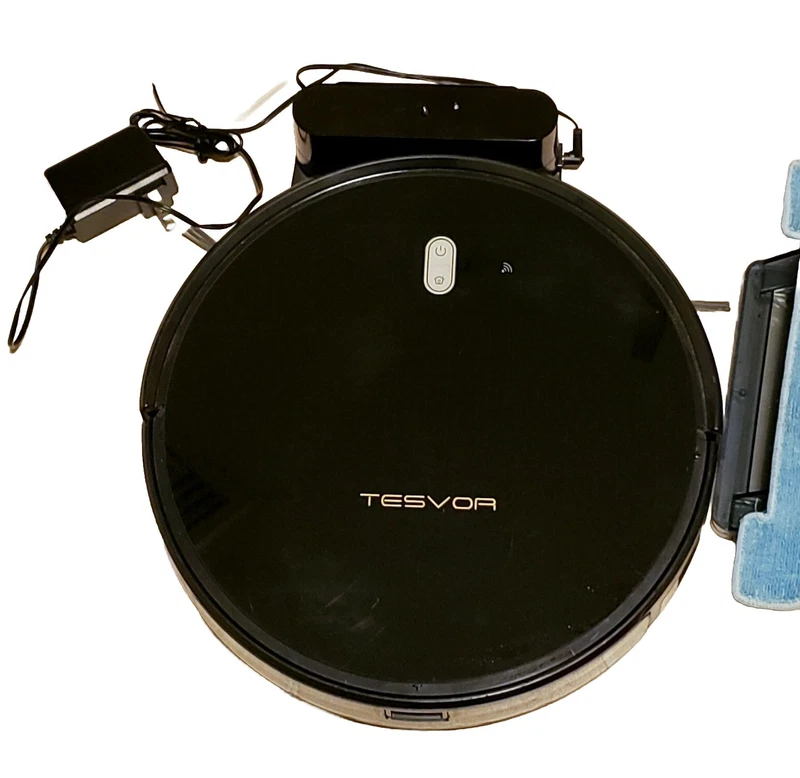
A random-bounce robot has no idea where it is. It drives forward until it hits something, turns at an angle, and repeats. In a small square room with hard floors, this is genuinely fine. The is listed at $20 used, described as used a handful of times, in great condition, with a 35W motor, 100 minutes of runtime, a 3-hour charge time, a filter and a watertank, weighing 4kg, controlled by remote. That is a complete, functioning machine for the price of two takeaway orders.
What a random-bounce robot cannot do is clean predictably. It will cover roughly two-thirds of an open space and then leave, it will not return to a dock reliably, it cannot be told to skip the kitchen, and it will sit in a corner until you move it. If you have one carpeted room and a bathroom, that is a tolerable compromise. If you have a whole flat, it will not be.
Bump-and-steer with a dust sensor — the $50 to $90 tier
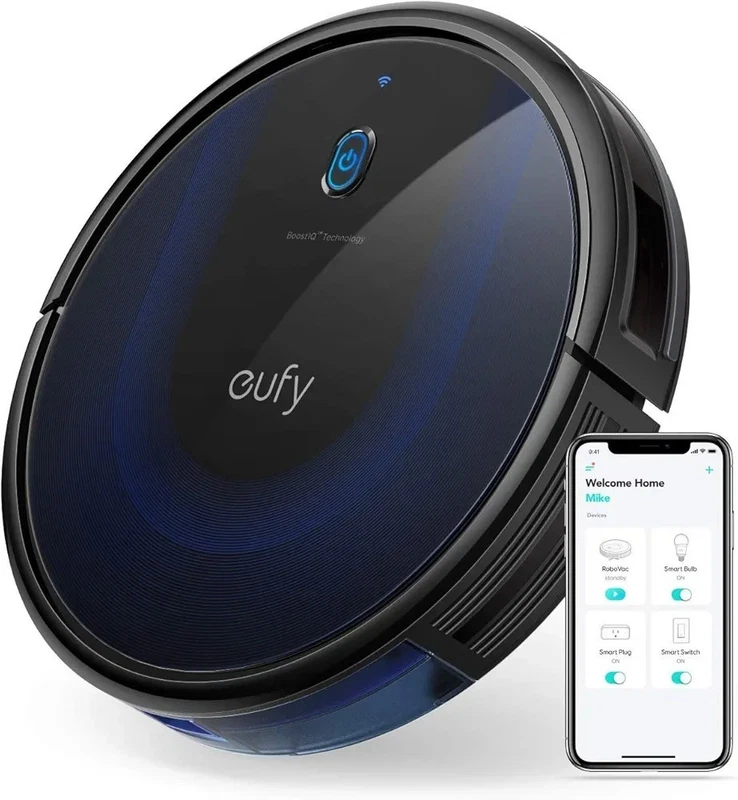
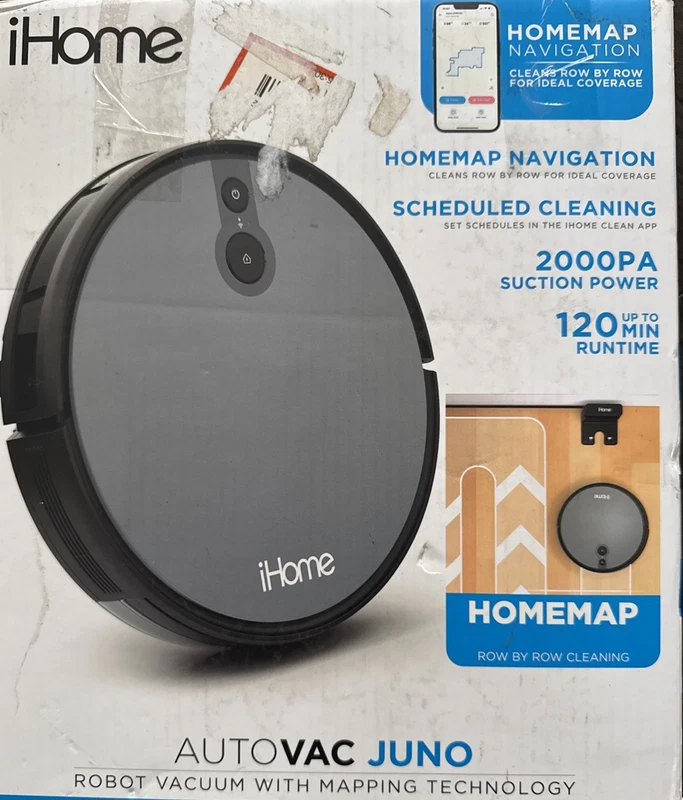
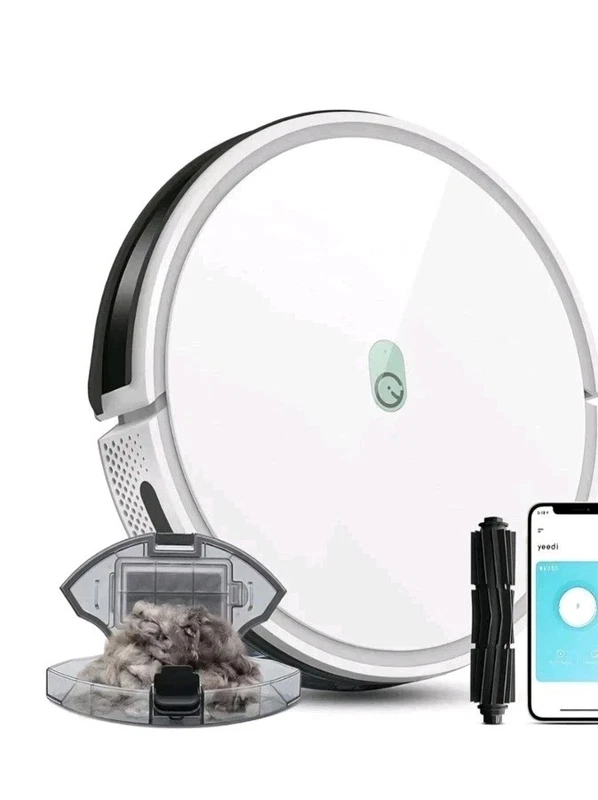
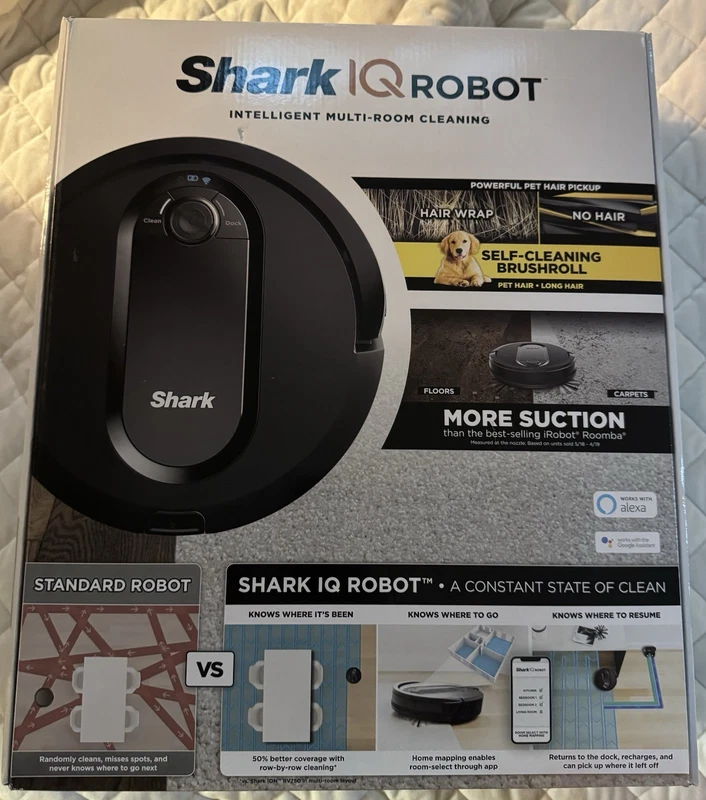
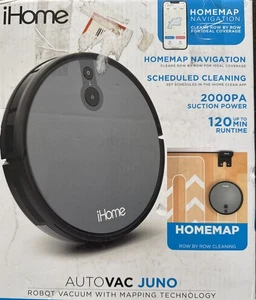
This tier adds a cliff sensor (so it does not drive off the stairs), a dirt sensor to decide when a spot is clean enough, and sometimes an app for scheduling. The is listed at $69.99, with a stated 100-minute runtime, a 600 square foot capacity, a 2.88lb weight and a slim profile designed to go under beds and sofas. The is listed new at $56 with 2,000Pa suction, a 2.85-inch body, BoostIQ suction adjustment, self-charging, and a note that the box has minor scratches and that units were donated to a second-hand store.
This is where most first-time buyers should look. You get a machine that runs unattended while you are out, does not fall down the stairs, and recharges on a dock. What you give up is mapping — the 11S has no room recognition, so no no-go zones and no targeted room cleaning. It also means the app experience is thin: schedule it, start it, battery status, done.
Lidar and SLAM mapping — the $90 to $200 tier
Lidar is a spinning laser range-finder. The robot measures distances to walls and furniture continuously, builds a real map of your home in the app, and then cleans that map methodically. It also enables the features people actually miss: room labels, no-go zones drawn with a finger, targeted room runs, and “where did it go” troubleshooting when it gets stuck.
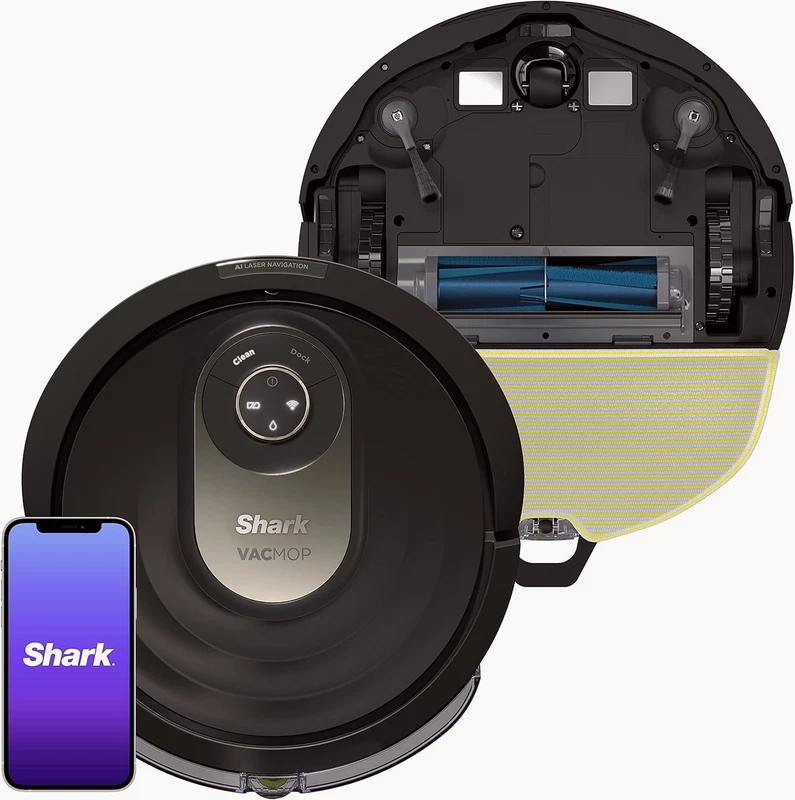
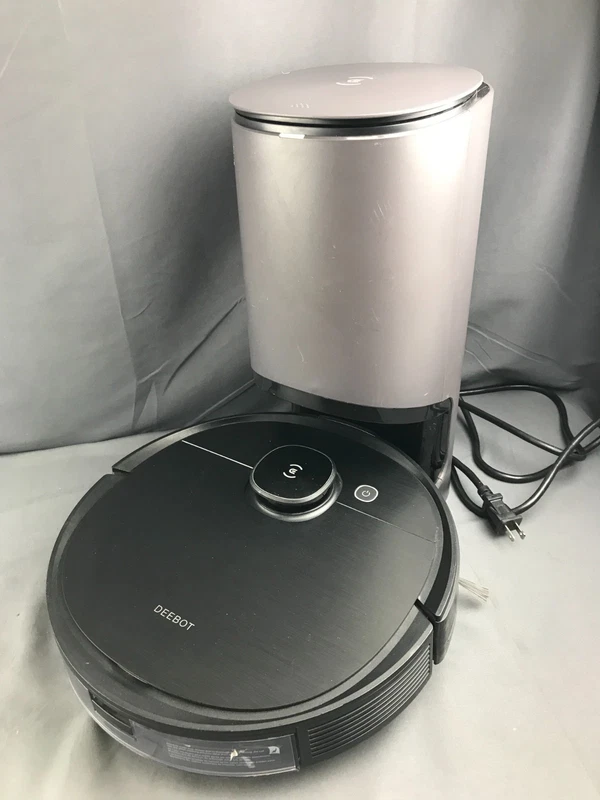
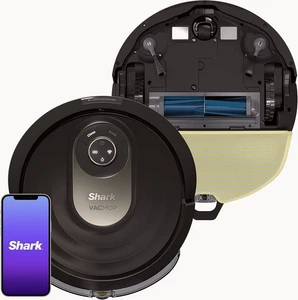
The is listed at $179 and gives real numbers: 180 minutes of runtime, a 4-hour charge time, rotating brushes, Wi-Fi smart-home control, and a charger included. That 180-minute figure is a mapping-tier runtime, and it is roughly double what a random-bounce machine in the same house would manage.
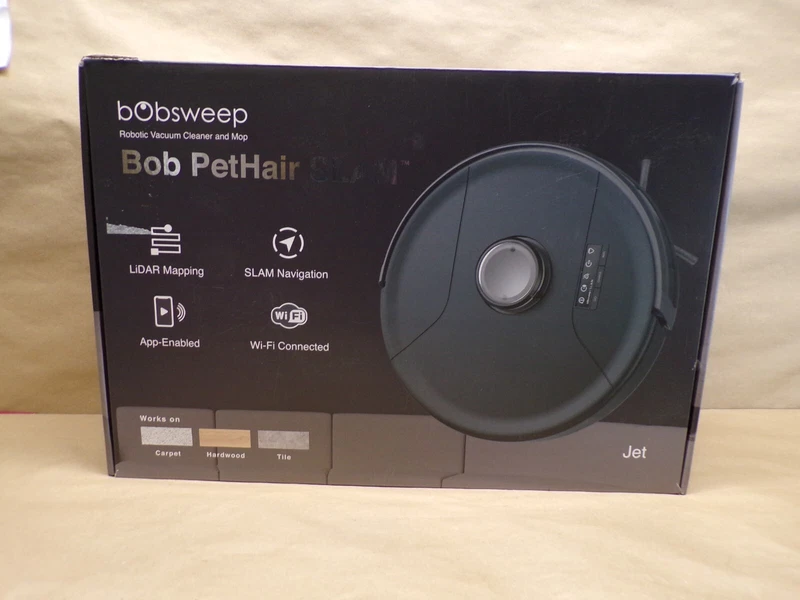
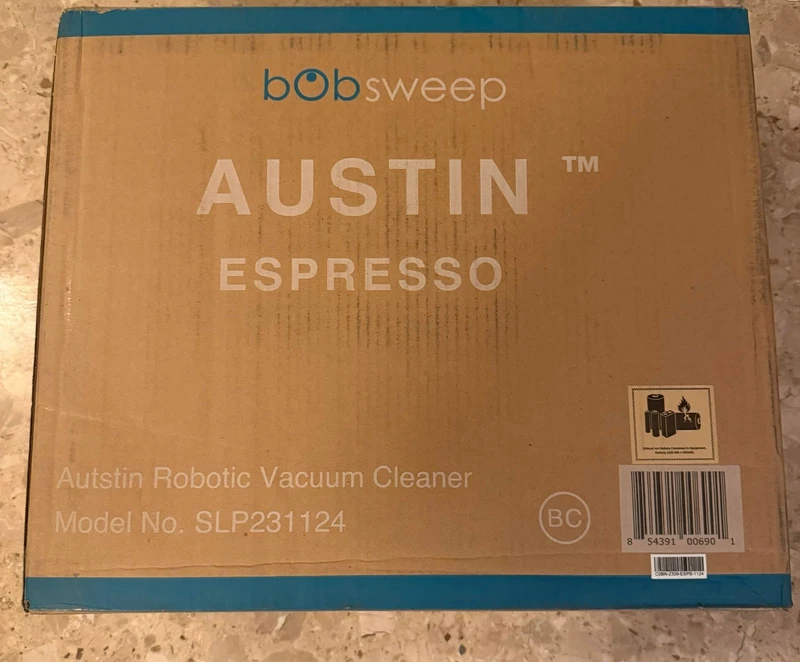
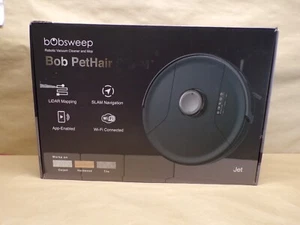
The other side of the Lidar tier is whether the brand still exists. The is listed at $116.99 and its description is a good advert for what laser vision buys you: real-time mapping, room identification and colour-coding, customised cleaning plans, and Wi-Fi app control. But bObsweep is effectively discontinued, which is a real trade-off at any price.
What to look for in the listing text
Good listings name the navigation type. Search the description for four phrases, in this order of value: LiDAR or laser (best), SLAM or home mapping (good), smart navigation or dynamic navigation (unclear, could be either), and nothing at all (assume random bounce). A listing that says only “smart navigation” is not lying, but it is not telling you what you need to know either.







 $20.0