A moisturiser does three things, and it is worth knowing which you need because a heavy cream and a light gel do not do the same job.
Occlusion: holding water in
Oils and butters sit on the surface and reduce water escaping. This is the effect that stops your skin feeling tight, and it matters most in cold, dry air — which is exactly the condition most people are dealing with at this time of year.
Humectancy: pulling water in
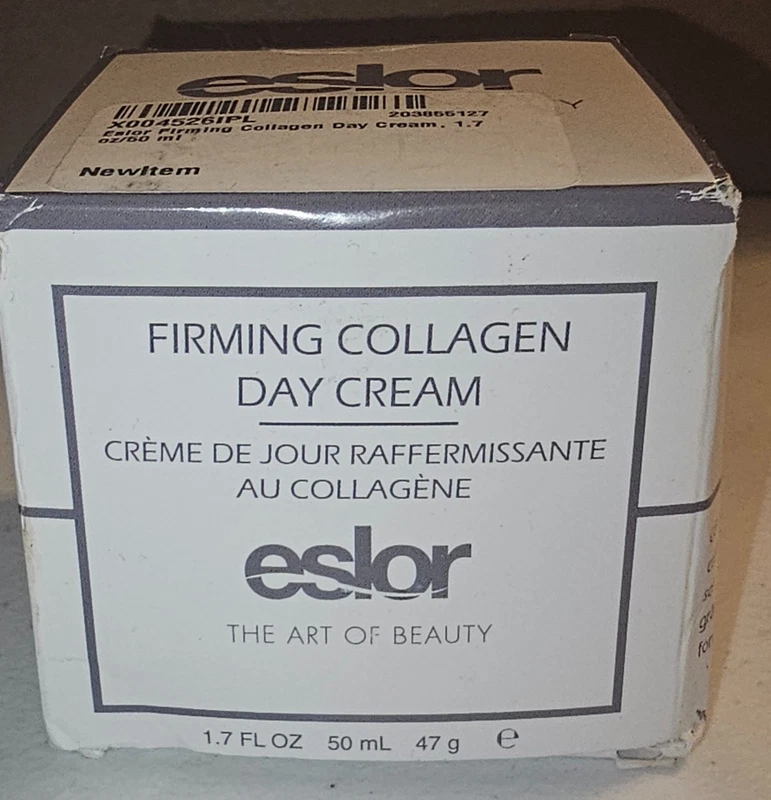
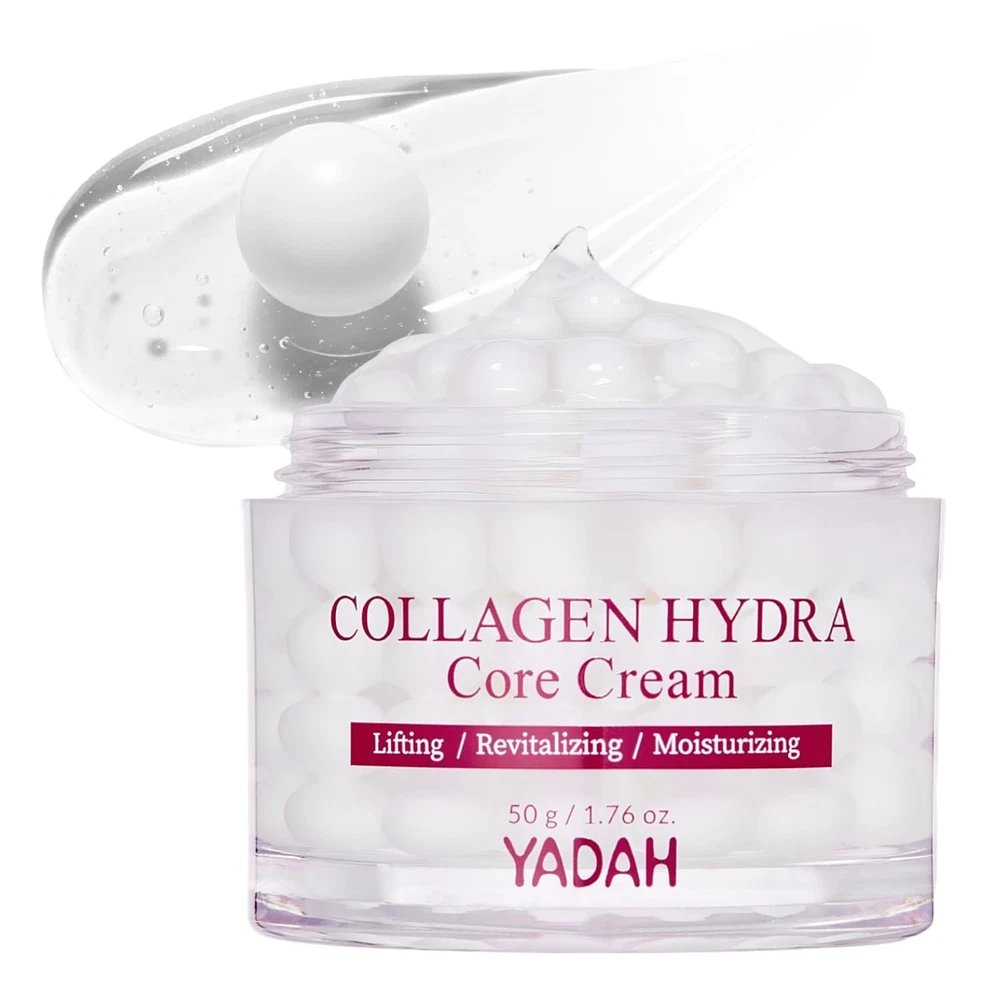
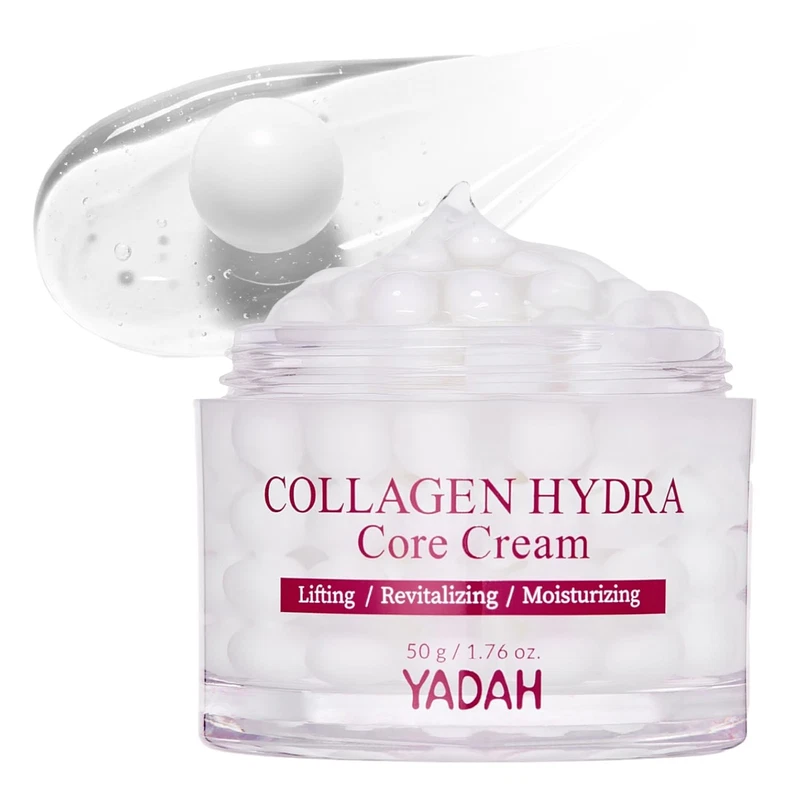
Ingredients like glycerin, hyaluronic acid and honey attract water into the upper layer of skin. Hyaluronic acid is the most widely used, and the combines it with collagen in a formulation aimed at exactly this.
Emollients: smoothing the surface
These soften and smooth the top layer, which is what makes skin feel softer immediately rather than over days. Ceramides, squalane and shea butter all fall here.
What day and night products are for
The day/night split is one of the most misunderstood conventions in the category. It is not that night cream is a different chemical from day cream — it is that you are buying two things for two different jobs.
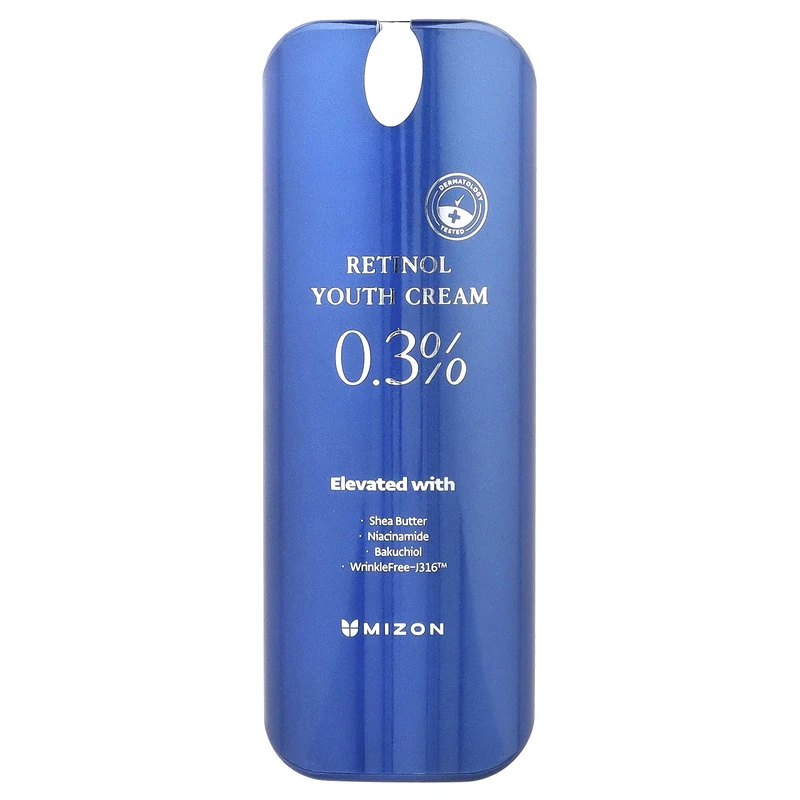
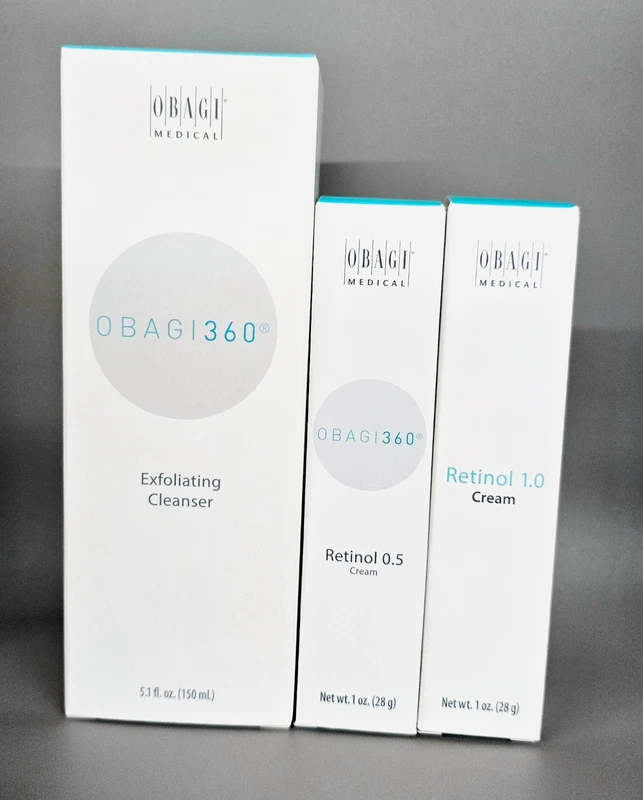
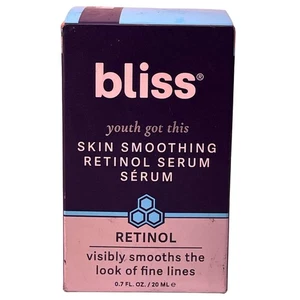
A day cream is formulated to sit under makeup and to withstand sun exposure, so it tends to be lighter and finishes matte. A night cream is formulated to stay on for hours without needing to look presentable, so it tends to be richer and more occlusive. That is the whole distinction. A and a are the two halves of that idea, and buying both is reasonable if you want the pairing.
What is not required is owning both. One good moisturiser used consistently, morning and night, will serve you better than two mediocre ones you alternate between.
Matching the format to your skin
Gels and light lotions are for oilier skin and warmer weather. Creams are the general-purpose default. Oils and heavier balms are for dry skin and dry air. The is a mid-weight cream, which is the format most people can use year round.
More important than any of that is using it every day. A moisturiser you finish is better than one you forget on the shelf.


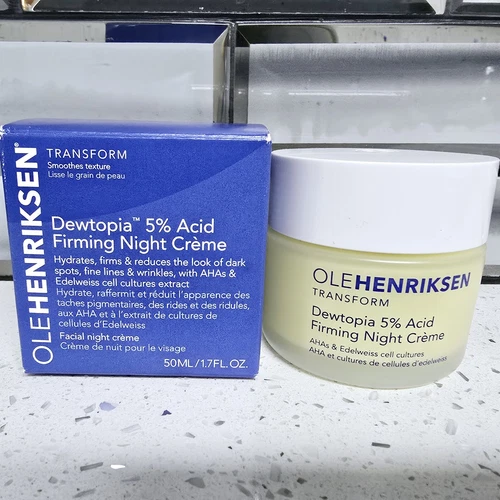




 $34.65