Tahabay icon tahabay

Fishing Rod & Reel Buying Guide (Match the Set)

How to choose a fishing rod and reel that actually match — power, action, length, reel size and line weight explained, with live eBay prices confirmed today.

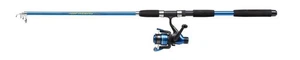
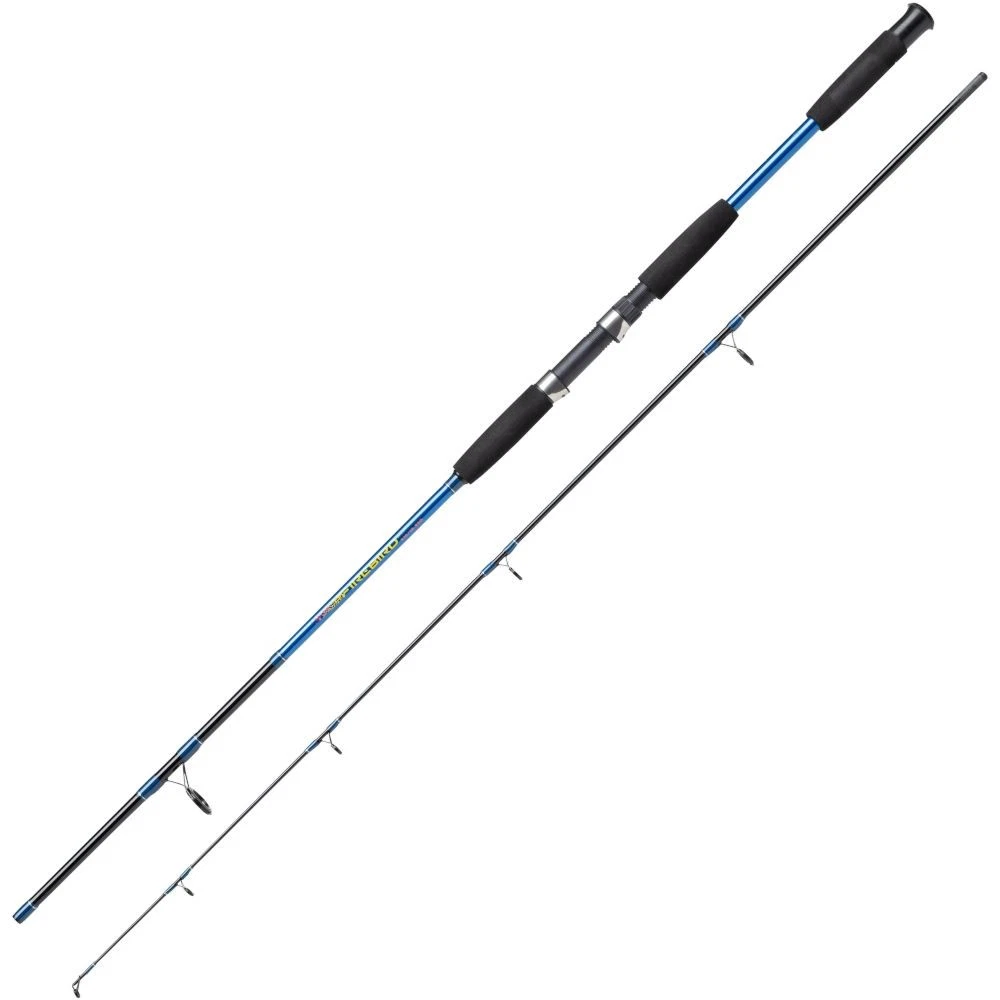
Shakespeare Firebird boat rod 7ft rated 20-30lb

Almost every disappointing first fishing set is a matching problem, not a quality problem. A rod is a length of tapered material with a seat cut into it, and a reel is a spool in a housing that has to fit that seat. Get the two right and a modest set will outfish an expensive mismatched one for years. Get them wrong and you will spend your time fighting a bent bail wire or a line that breaks at the wrong moment, and you will conclude that fishing is not for you. That is a bad outcome, and it is entirely avoidable.

This guide is built around that matching problem. It walks through the four numbers that matter — length, power, action and reel size — then the line weight that ties them together, and it explains what each one does to the actual fishing rather than what it sounds like on a product page. Every product referenced was pulled from a live in-stock listing priced on September 30, 2026. eBay prices change and vary by seller and by condition, so treat every figure as a snapshot. If you want the current deals rather than the theory, our fishing gear roundup under $100 has the live picks.

Part 1

Start With Line Weight, Not Length

Almost every rod is rated for a range of line or lure weight, and that range is the single most informative number printed on the blank. A rod rated 4-8lb will bend properly on 6lb line. The same rod on 12lb line will not bend at all — it will behave like a straight stick, because there is not enough give in the tip for the line to absorb a strike. That is the mismatch that ruins first sets, and it happens because beginners pick by length first.

So the order of decisions runs like this: decide the fish you will actually be near, look up their typical fight weight, take the middle of the rod's stated range, then choose a reel that holds that line comfortably, then choose a length. That order matters more than any individual choice, and it is why a 6-foot rod and a 9-foot rod can be exactly right for you.

One caution about the numbers themselves. Line weight and lure weight are not the same thing, even though they are often printed in the same range. Line weight is the actual breaking strength of the line in pounds. Lure weight is how heavy a lure the rod will cast without the tip feeling slack. A rod rated 4-10lb for line and 1-1/4 oz for lures is telling you it will throw a small baitcaster or a 1/4 ounce spinnerbait. A lure you can cast is not a line you can land, and confusing the two is why people snap leaders.

Part 2

Rod Length: The Most Overrated Specification

Length is the number beginners fixate on, and it is genuinely the least consequential of the four. Longer rods cast further because the line is moving faster at the moment it leaves the guides. That is real, and on open water or surf it can matter. But the marginal gain from 7 feet to 8 feet is much smaller than the marketing implies, and the cost is a longer rod that is harder to transport, harder to control on close-range structure, and stiffer in the tip.

The ranges that actually matter are these. At 4 to 5 feet you have a stream and panfish rod, best for spinning with light line, and it is the easiest length to control. At 6 to 7 feet is the general-purpose freshwater band — bass, trout, walleye, panfish — and this is where most advice will point you. At 8 to 9 feet you gain casting distance for open water, carp and pike, and you lose close-range accuracy. At 10 feet and above, you are in the surf and musky territory where the rod exists for a specific reason: it keeps the line out of the water for long enough to make long casts and stay in contact with a fish moving away.

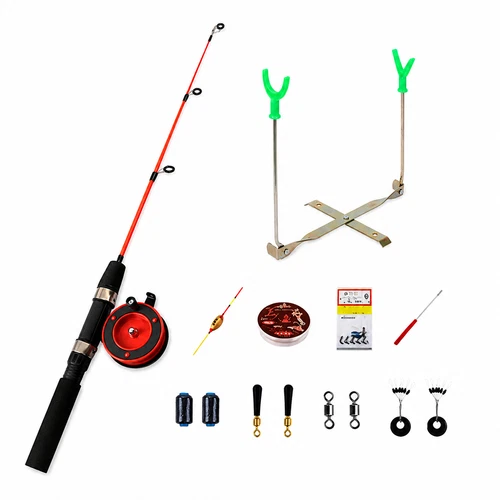
Look at the and you can see the length-power relationship stated outright. A 7-foot rod rated at 20 to 30 pounds is not a beginner rod, and the 7-foot figure is what makes it workable rather than a 9-foot monster. The is the extreme of the other direction: at roughly 23 inches it is short enough to hold one-handed on a bucket, and its whole design priority is being short.

Shakespeare Firebird boat rod 7ft rated 20-30lb$74.13

Shakespeare Firebird boat rod 7ft rated 20-30lb

eBay JimsOnline | eBay My Items About Us Feedback Contact Shakespeare Firebird Boat Rod 7' 20-30lb Pictures shown are stock images and are for illustration purpose only. Ask Question Save Seller Fast UK Delivery We aim to dispatch all parcels same day. Price C

See the live listing →
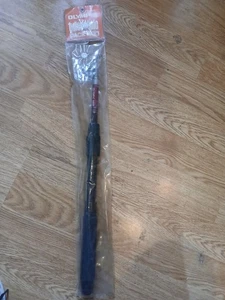
70 cm portable ice rod combo$43.04

70 cm portable ice rod combo

eBay Eurowagens eBay Template eBay Shop Home Add To Favourites Help & FAQ's Feedback About Us More - eBay Shop Home Join Our Newsletter Shipping & Returns Help & FAQs View Feedback About Us Contact Us Menu eBay Shop Home Add to Favourites Join Our Newsletter S

See the live listing →
Part 3

Power and Action: The Two Specs Everyone Confuses

Power is how much stiffness the lower blank carries

Power describes how stiff the lower portion of the blank is, and it is the specification that tells you what the rod can handle. There are three labels you will meet, and the middle one is the default answer for most freshwater anglers.

  • Light power. Bends through most of its length, handles ultralight lures and 2-6 pound line, and is the most sensitive rod you can buy. This is the trout, panfish and beginner rod.
  • Medium power. The default. Handles 6-12 pound line and light to medium lures, and covers the overwhelming majority of freshwater fishing that is not dedicated to one species.
  • Heavy power. Stiff lower two-thirds, handles 12 pound line upward, and is required when you are casting heavier lures, fishing structure, or fighting a fish that will not give up.

The classic mistake is over-powering. A heavy-power rod feels impressive in a shop and is unusable for a beginner, because it will not give you the visual cue of a bite — the rod tip simply does not move much. A light-power rod is more capable than its owner on a bad day, and being under-powered on a big fish is a problem you can solve by getting a bigger net.

Concrete examples from the listings below. The is a short, light, species-specific rod for jigging close to the hole, and its 1.2 metre length and two named species are the whole specification. The is the opposite — the description states a hard action, which places it in the responsive, unforgiving end of the power spectrum, and it is the right choice for someone who already knows how to cast.

Action is where in the blank that stiffness shows up

Action is regularly confused with power, and they are different measurements. Power is how stiff the rod is. Action is where along the length the bend forms when the rod is loaded. The two combine into the descriptions printed on rods, and the ones you need to recognise are these.

  • Fast action. The bend forms in the lower third. Maximum sensitivity and minimum forgiveness. Wrong line weight is immediately obvious.
  • Moderate, or medium, action. The bend runs through the middle half of the rod. The most common general-purpose setup, and the one most beginners should buy.
  • Slow action. The bend forms in the upper third. Maximum forgiveness, absorbs the shock of a bad cast, and is the traditional choice for beginners and for live bait fishing where the line cannot be set hard.

Here is the thing worth internalising: for a beginner, a slow-action medium-light rod is the safest possible purchase, because it hides your mistakes. It will not break when you badly mistime a hookset, it will not break when you snag the bottom, and it still bends enough to show you a bite. The is close to that profile — light power at a short length for panfish and ultralight work — and it is exactly the combination most often recommended as a first rod.

The reverse argument is worth stating too, because it applies to almost everyone who continues past year one. Slow action is forgiving, which means it hides mistakes, which means those mistakes persist. Once you can cast consistently without snagging, a faster rod pays for itself in feel and accuracy every trip. Most anglers end up with a medium rod rather than an extreme one at either end.

1.2 m fiberglass panfish ice combo$40.66

1.2 m fiberglass panfish ice combo

eBay Description: [Fiberglass Construction] This panfish ice fishing rod is built with fiberglass, offering sensitivity to detect even the lightest bites from crappie and bluegill, while providing the strength needed to reel in your panfish during winter fishi

See the live listing →
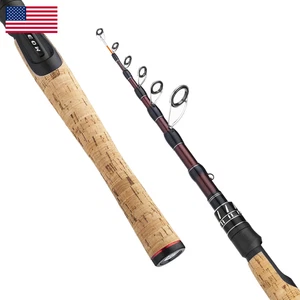
carbon fiber telescopic spinning combo$49.78

carbon fiber telescopic spinning combo

eBay Description: [Carbon Fiber Rod] Crafted from Carbon Fiber, this telescopic fishing rod offers a hard rod action for responsive handling and reliable performance, well-suited for freshwater fishing. [Cork Handle] Featuring a comfortable Cork handle, this s

See the live listing →
5 ft 6 in light action micro spinning rod$35.99

5 ft 6 in light action micro spinning rod

eBay Micro Spinning Fishing Rod - Light Action Experience the thrill of fishing with the 5'6" Spinning Rod . Crafting a seamless blend of performance and enjoyment, this exquisite rod is tailored for those who appreciate the precision needed for lighter lures

See the live listing →
Part 4

Reel Size: The Matching Step Most People Skip

What the size number actually means

A spinning reel size — 1000, 2000, 3000, 4000, 5000, 6000 — is the spool diameter in rough proportion. The number is not arbitrary, and it is the number that makes a reel match a rod. A larger size holds more line of a given diameter and has a wider spool for smoother retrieval; a smaller size is physically smaller and lighter.

The matching rule is simple and worth memorising, because it prevents almost every mismatch: take the middle of your rod's stated line weight range, then pick the size from this table.

Rod line ratingUsual spinning reel sizeWhat that buys youTypical use
2-4 lb1000Smallest, lightest spoolTrout, panfish, ultralight
4-8 lb2500-3000Light, quick retrieveTrout, bass light, ice fishing
8-12 lb3500-4000General-purpose balanceBass, walleye, most trout water
14-20 lb5000Longer cast, more lineShore casting, carp, salmon
20 lb and up6000 and aboveHeavy drag reserveSurf, boat, saltwater species

Note the direction of the error to avoid. Stepping up to a bigger reel on a rod is tolerable — you will feel the imbalance but it will work. Stepping down is worse, because a reel below the rod's range is physically small for the spool diameter the line needs, which shortens your casting distance and can overload the drag. A spinning reel that is physically larger than the rod's reel seat was cut for will not simply bolt on, which is a hard stop rather than a bad experience.

Two real listings illustrate both ends. The states a 16.1 lb maximum drag and a 6.2:1 gear ratio, which is a drag system sized for real fish rather than a marketing maximum, and the 6.2:1 ratio is fast — good for pulling fish away from structure. The is the same idea at the cheap end: a named size, which tells you the line diameter the spool is designed for, rather than a vague claim that a reel is included.

Spinning or baitcasting: the decision that shapes everything

Once the numbers are settled, the reel type is the last big decision, and it is less technical than it sounds. A spinning reel hangs beneath the rod and the line comes off the spool directly, which means you can start a retrieve with nothing more than flicking the bail arm. A baitcasting reel sits on top of the rod, and you must thread the line into it by hand before every cast.

That threading step is the entire difference. It is a ten-second manual process that you will do two hundred times a season, and for the first month it will cost you more time than it saves. In exchange, a baitcaster gives you a much tighter line to lure connection, precise placement, and the ability to stop a lure dead on command. For light line fishing, where a spinning reel creates line twist, the baitcaster is genuinely better.

The practical recommendation: start spinning, move to baitcasting when you are casting heavier lures or targeting specific species. The is the cheapest credible entry point on the current market at $52.98, with a stated 7.3:1 high-speed ratio, which is above the usual 6:1 to 7:1 range and is the specific reason to consider baitcasting. If you are still choosing, the full comparison of the two mechanisms is in our spinning versus baitcasting guide.

Quantum Throttle 25 TH25C spinning reel$21.99

Quantum Throttle 25 TH25C spinning reel

eBay THE CAP DOES NOT CLOSE FIRMLY. Quantum Throttle 25 TH25C Spinning Reel is a high-quality fishing reel designed for both freshwater and saltwater fishing. With a maximum drag of 16.1 lb and a gear ratio of 6.2:1, this reel offers smooth and efficient perfo

See the live listing →
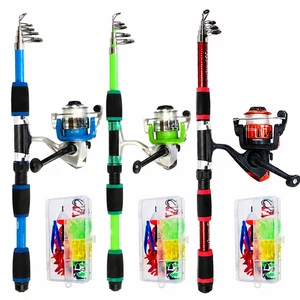
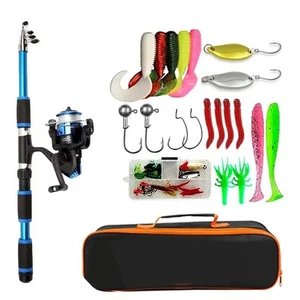
fiberglass telescopic kit including a 200-size reel$32.41

fiberglass telescopic kit including a 200-size reel

eBay Description: [Full Kit with Carrier Case] This beginner fishing combo includes a telescopic rod, a 200 reel, and 20 essential accessories, providing everything needed for a complete fishing experience right out of the box. It's a fishing rod and reel comb

See the live listing →
Reaction Tackle ReactCast baitcasting reel$52.98

Reaction Tackle ReactCast baitcasting reel

eBay Reaction Tackle Baitcasting Fishing Reel – ReactCast Edition- High-Speed 7.3:1 G Upgrade your gear with the Reaction Tackle ReactCast Edition baitcasting reel—built for smooth casting, fast retrieves, and reliable control. Featuring a high-speed 7.3:1 gea

See the live listing →
Part 5

Materials, Sections and the Three Price Tiers

Blank material and section count

Two structural decisions affect how a rod behaves, and both are usually stated in the listing.

Blank material. Fiberglass is heavier, cheaper and more forgiving — it bends further and absorbs more punishment before breaking, which is why most budget rods and most ice rods are fiberglass. Carbon fiber and the 24T carbon constructions common in imported rods are lighter and stiffer for the same strength, which gives you sensitivity and casting speed. The is explicitly fiberglass for sensitivity to light bites, while the states carbon fiber with a 0.8mm tip diameter. Neither is the better choice; they are different answers to different fishing.

Section count and how you carry it. More sections means a shorter packed rod. The is the clearest listing on the point, giving packed lengths of 50 and 55 centimetres for 180 and 210 centimetre extended lengths — that is genuinely rucksack-portable, which is why it is worth a look if you travel. The cost of that portability is four joints, each of which can loosen, each of which has a guide wrap, and each of which is one more place a failure can start. Buy the extra sections only if you are actually moving the rod between waters.

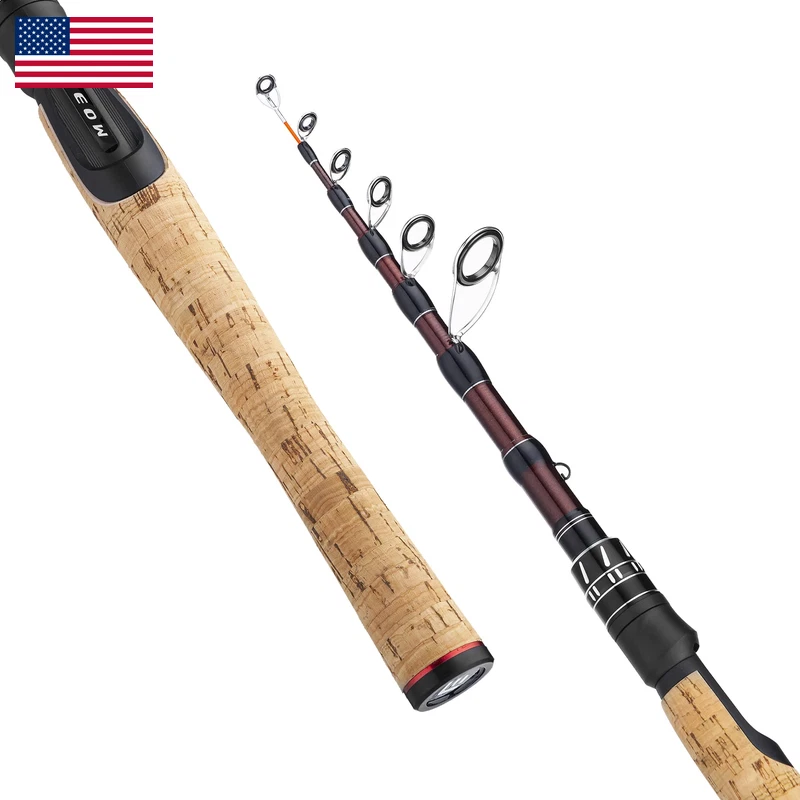
One last material note that catches beginners: a telescopic rod is not a multi-section rod, and it is a worse choice than it looks. Each section telescopes inside the next, so the guides are supported only at their upper end and the tip section is the weakest point in the design. Telescopic rods are the right call for a traveller and a poor choice for someone who casts hard. The describes a 24T carbon blank, which is the specification that makes the cheap version worth considering at all.

The three price tiers, and what each buys

Once the matching is decided, budget divides into three honest tiers, and the difference between them is not as large as the retailer's pricing suggests.

The under-$30 tier is house-label hardware with a reel included. You are buying a rod and a reel as one undifferentiated object, and the listing will often be more specific about where it is meant to be used than about what it is made of. The is the honest example: it states the fishing type, the spool material, the included parts and a list of positions from ocean rock fishing to river fishing, which is more specification than most products twice the price offer. The limitation is that you have no idea what the rod's power or action is, and you will not know until you have it in your hands.

The $30-60 tier is where named brands appear and where the difference in feel becomes real. The states a 10-25g casting weight on a named model from an established tackle maker, which is a genuine specification on a real product, not a description. The is the specialist equivalent: at $57.74 it is real money for a fly reel, and the 3/4 weight designation is the only number that matters, because a fly reel at the wrong weight for the rod and line will strip line continuously.

The $80+ tier is where you are buying a named reel with a named drag system. The is the clearest example in the article, with the description naming durable construction and a specific HT-100 drag, and the 5000 size indicating a mid-size body for roughly 200 to 300 yards of 10 to 14 pound line. The goes further, with an all-metal body and stainless gearing, which is what you are paying for when you fish salt water.

The honest summary of those tiers: the $30 tier is fine for a first rod and for anyone on a strict budget, the $50 tier is where most people should stop, and the $90 tier is money better spent on a reel than on a rod — because as noted, a reel is the part you touch on every cast and the part whose failures are repairable.

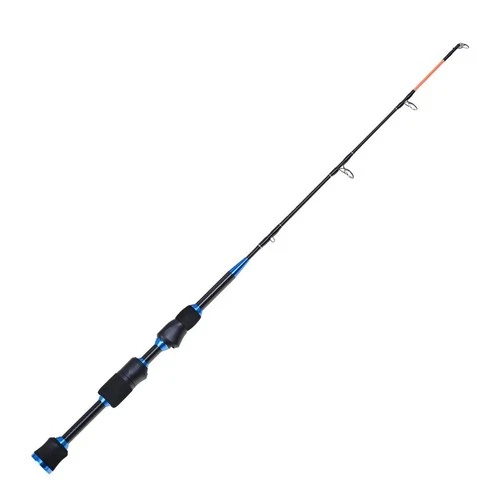
4-section carbon lure rod at $28.98$28.98

4-section carbon lure rod at $28.98

eBay Lightweight and Sturdy 4 Section Fishing Lure Rod Improve Your Casting Accuracy DESCRIPTION Features: * Length:180cm,210cm. * Number of sections: 4. * Shrink length: 50cm, 55cm. * First diameter: .8mm. * Element diameter: 9.0mm. Specification: Material:ca

See the live listing →
Eow Xpedite telescopic spinning casting rod$61.62

Eow Xpedite telescopic spinning casting rod

eBay Eow Xpedite Portable Telescopic Fishing Rods Spinning Casting 24T Carbon Blanks Product Features SUPERIOR QUALITY: EOW XPEDITE telescopic spinning rods are made from 24T carbon and epoxy for sensitivity, durability, and high performance. The tips are soli

See the live listing →
telescopic combo with line and bag at $20.39$20.39

telescopic combo with line and bag at $20.39

eBay Specifications High-concerned chemical None Fishing Type others line Spool Material Aluminum alloy Main Parts Rod +Reel+ Line Position Ocean Boat Fishing, Ocean Rock Fishing, Ocean Beach Fishing ,LAKE ,River, Reservoir Pond ,stream Fishing Rod Included Ye

See the live listing →
Shakespeare Firebird 7ft telescopic spinning combo at $33.71$33.71

Shakespeare Firebird 7ft telescopic spinning combo at $33.71

eBay "In association with Great Outdoors Superstore Ltd " Maintained by: Great Fishing Tackle "In association with Great Outdoors Superstore Ltd " Maintained by: Great Fishing Tackle View our Shop Shakespeare Shakespeare Firebird 7ft Tele Spinning Combo 10-25g

See the live listing →
aluminium alloy fly reel combo at 3/4 weight$57.74

aluminium alloy fly reel combo at 3/4 weight

eBay Aluminum Alloy Fly Reel Combo - 3/4WT A solution for aspiring fly fishers, our Aluminum Alloy Fly Reel Combo offers remarkable quality at an accessible price point, making it an ideal choice for novices eager to delve into the art of fly fishing. Features

See the live listing →
Penn Battle II 5000 spinning reel at $86.22$86.22

Penn Battle II 5000 spinning reel at $86.22

eBay Penn Battle 5000 - NEW The PENN Battle II offers attractive cosmetics, durable design, and silky smooth HT-100 drag as just a few of the many reasons why so many anglers fish this reel. The Full Metal Body construction allows it to maintain precision gear

See the live listing →
Okuma all-metal spinning reel at $91.55$91.55

Okuma all-metal spinning reel at $91.55

eBay Okuma All Metal Spinning Fishing Reel 🎣 12+1BB • 15KG Max Drag • Anti-Seawater Design Overview Built for serious anglers, this all-metal spinning reel features an aluminum alloy wire cup, stainless steel guide rods, and a brass main shaft for du

See the live listing →
Part 6

Used Rods and Reels, Plus a Matching Checklist

Where the risk actually is

Buying used fishing gear on eBay is a genuinely good deal in one specific category and a bad one in another, and the dividing line is mechanical complexity. Buy a used reel. A spinning reel's wear is mechanical and predictable — drag wash, dried bearings, a bent bail — and all of it is serviceable. Be careful with a used rod. Guide wrapping damage, a cracked reel seat and a snapped tip are common on older rods, none of them show in a photograph, and none of them are repairable by a beginner.

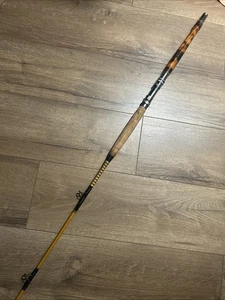
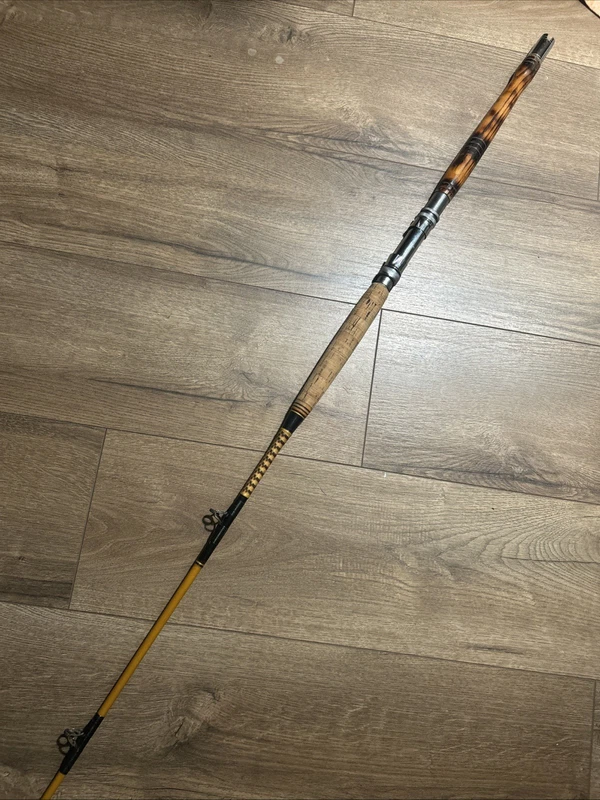
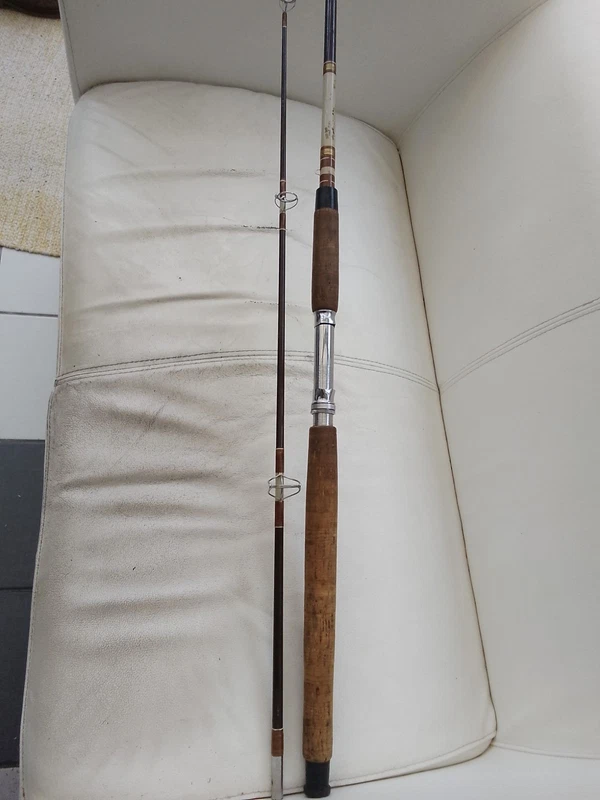
Good used listings exist and are worth finding, particularly for vintage glass. The is a listing where the description is thin but the object is a known, collectable name. The is the better-used example, because the seller describes the condition in the specific terms a buyer can act on: the rear wooden handle removes with a single ring nut, the cork foregrip is in excellent condition with no rips or tears, and the rod is in perfect working condition. That level of detail about condition is what you should be looking for in any used rod.

The shows the honest way to list something that needs work: the seller says it needs a little work as per the photos, gives an approximate era of the late 1970s, and invites questions before purchase. That is a listing you can buy safely at $33.74 because the defect is disclosed and priced. A vintage rod with no defect mentioned and a low price is a listing to message about first.

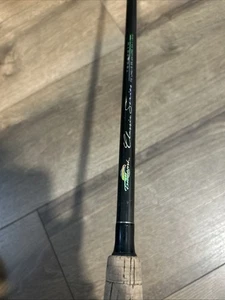
The is listed in used condition with no description beyond the standard eBay boilerplate, which is the pattern to avoid: the price is mid-range for a used rod, the condition is unstated, and there is nothing to assess. Same for the , where the seller does at least disclose boat rash on the reel seat and dirty-but-intact guides — real information, at a price that reflects it.

A five-minute matching checklist

Run through this before you buy anything, and it takes less time than deciding between two colours.

  1. Name the fish and find the line weight. A typical fight weight, not the world record. Take the middle of the rod's range from there.
  2. Pick a power that is one step below the fish. Medium for most freshwater, light for trout and panfish, heavy only for structure fishing and saltwater.
  3. Pick an action that matches your casting. Slow if you are learning, moderate if you can already cast, fast if you are chasing bite feel.
  4. Choose a reel size from the table. Take the middle of the range, and check the physical fit against the rod's reel seat before you commit.
  5. Check the length against how you will carry it. Under 6 feet for wade fishing, 6-7 feet for the bank, 8 feet and up only if you are casting from open ground.
  6. Read the condition wording, not the title. Especially on anything used, where a disclosed flaw is worth more than an unmentioned one.

Finally, on price. eBay prices change and vary by seller and by condition, and every figure in this guide was confirmed on September 30, 2026 rather than being a price list. The cheapest listing in a category is frequently the one with the slowest shipping and the thinnest description, so add postage to the total before comparing two options. And if you want to see what these matching rules look like applied to real, live listings, the fishing gear roundup under $100 works through sixteen current examples, with the weak point of each one named.

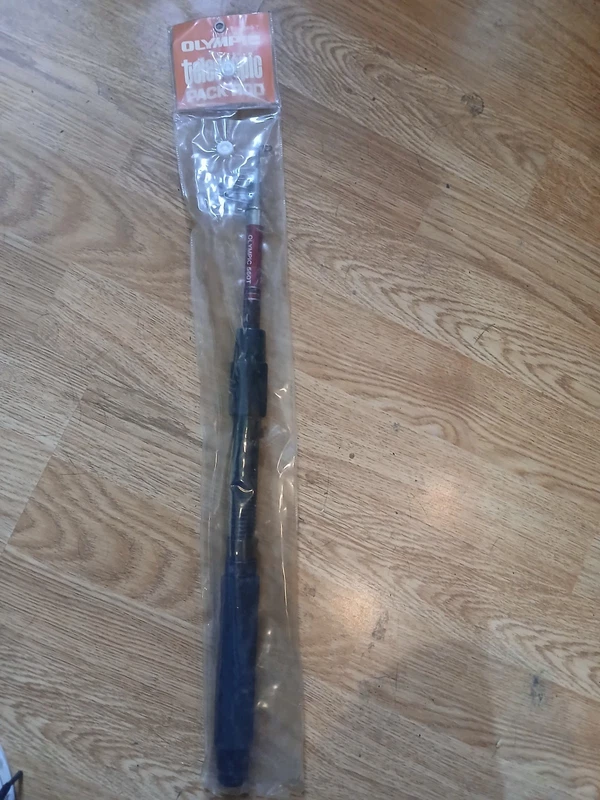
vintage 2000 6FT glass telescoping fishing rod$31.88

vintage 2000 6FT glass telescoping fishing rod

eBay Up for sale with super fast safe free shipping Thanks for stopping by.

See the live listing →
6ft vintage custom two-piece saltwater rod at $89.00$89.0

6ft vintage custom two-piece saltwater rod at $89.00

eBay This old 6’, x2 piece vintage saltwater rod is in great shape. It is in perfect working condition.the rear wooden handle removes with one ring nut. The cork foregrip is in excellent condition with no rips or tears. It has a size 12 roller tip and a solid

See the live listing →
Daiwa 2025 vintage 8ft carp rod at $33.74$33.74

Daiwa 2025 vintage 8ft carp rod at $33.74

eBay Needs a little work as per photos. 1970s I believe. Original 2025 2 piece Rod. Any questions please ask before purchase.

See the live listing →
Tsunami Classic 7ft one-piece rod at $64.99$64.99

Tsunami Classic 7ft one-piece rod at $64.99

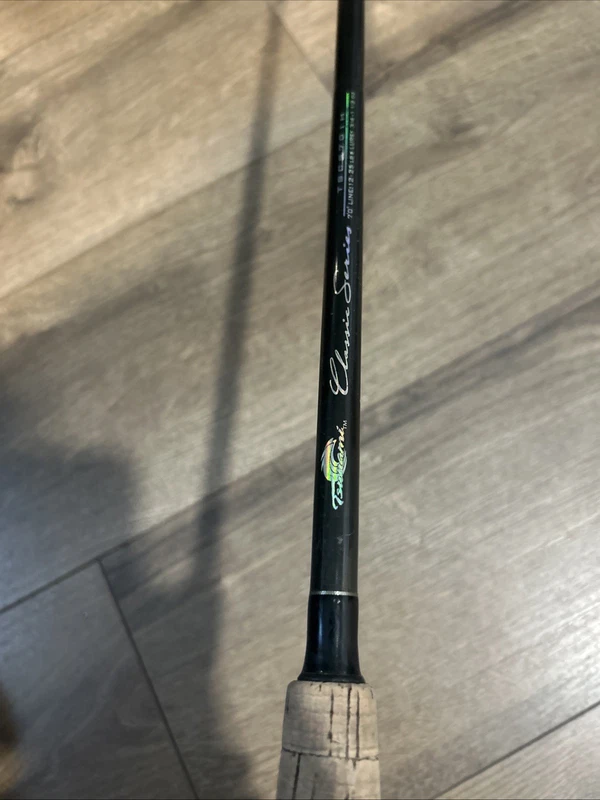
Item specificsConditionUsed: An item that has been used previously. The item may have some signs of cosmetic wear, but is ... Read moreabout the conditionUsed: An item that has been used previously. The item may have some signs of cosmetic wear, but is fully o

See the live listing →
Shimano FX-2550 ultralight two-piece rod at $20.00$20.0

Shimano FX-2550 ultralight two-piece rod at $20.00

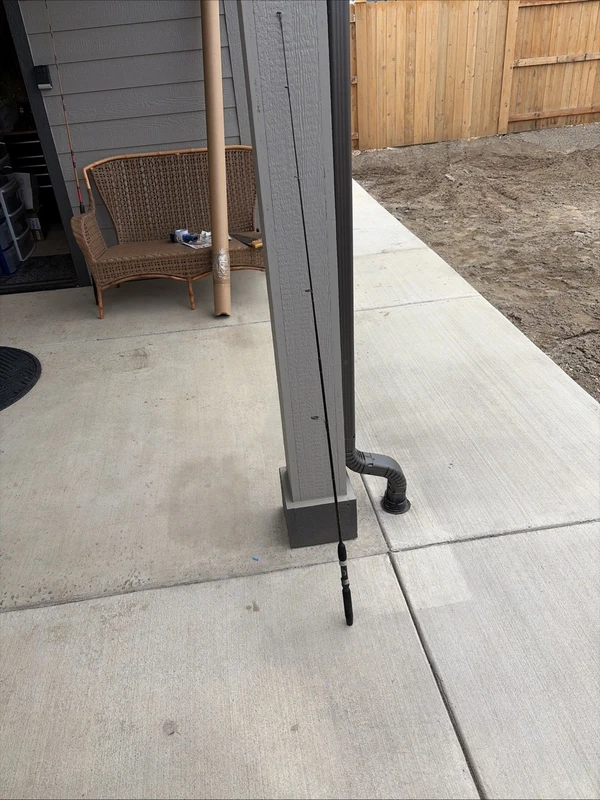
eBay Shimano fx 2550 ultra light 2 piece rod. The reel seat had some boat rash all guides intact they are a little dirty. Rod is in good shape over all

See the live listing →
Questions

Frequently asked questions

What is the difference between rod power and rod action?

Power is how much stiffness is in the lower half of the blank, and it describes what the rod can handle. Action is where in the blank that stiffness shows up as the rod bends. A light-power rod can be fast action, which means the bend is in the lower third and the rod is sensitive and unforgiving, or slow action, meaning the bend runs most of the length and the rod is forgiving. Light and slow is the beginner's rod. Medium power and medium action is the most versatile general-purpose combination.

How do I know which reel size to buy?

Match the reel to the line weight the rod is rated for, not to the fish you hope to catch. A rod rated for 4 to 8 pound line wants a 2500 or 3000 size spinning reel; 8 to 12 pound line wants a 3500 or 4000; 14 to 20 pound wants a 5000. The practical rule is to pick the middle of the rod's stated range, because a reel at the bottom of its range will overfill its spool and a reel at the top will be physically larger than the reel seat was designed to hold.

Is it bad to put a bigger reel on a lighter rod?

It is much less bad than the reverse. A reel that is too heavy for a light rod makes casting feel unbalanced, causes the rod to dip when you lift it, and wears the reel seat unevenly over time, but it works. A spinning reel that is too large for the rod's reel seat may simply not physically fit. A heavy baitcasting reel on a light spinning rod is the pairing that genuinely does not work, because the reel seat and the balance are designed for something else entirely.

How many rod sections should I buy?

Fewer is better for performance and worse for portability. A two-piece rod has one joint, which is why it is the standard for anything over eight feet and for anyone who will be casting hard. A four-piece travel rod is chosen specifically for the packed length, and every extra section is another guide wrap, another taper and another joint that can loosen. If you are not flying with it, buy fewer sections than you think you need.

Should I spend more on the rod or the reel?

The reel, for most people. The blank is the part of the setup that is genuinely hard to manufacture well, and a cheap rod is usually only slightly worse than an expensive one. The reel is the part you touch on every single cast, and the failure modes — a slipping drag, dry bearings, a bent bail — are all repairable and all make fishing worse. If you are starting with a fixed budget, buy a decent reel and pair it with an adequate rod. Our picks in the related roundup show real prices for both halves of that decision.