Many pet owners notice their dog scratching constantly, licking their paws, experiencing chronic ear infections, or suffering from intermittent digestive upset, and immediately jump to the conclusion that their pet has a food allergy. In veterinary medicine, however, true food allergies are often misunderstood. A true food allergy is an immune system response to a specific protein source—most commonly beef, chicken, dairy, or wheat. When an allergic dog consumes the trigger ingredient, their immune system mounts an attack, resulting in severe skin inflammation, hives, and chronic itching.
Food intolerances, on the other hand, do not involve the immune system. Instead, an intolerance is a digestive issue—often an inability to properly break down certain ingredients, such as lactose or specific fats, or a sensitivity to artificial preservatives, colors, or lower-quality fillers. Intolerances typically manifest as digestive disturbances such as loose stools, flatulence, vomiting, or mild belly discomfort rather than the relentless scratching and skin rashes associated with true allergies. If you suspect your dog has a food sensitivity, your veterinarian will likely recommend an elimination diet trial using a novel protein or a hydrolyzed diet.
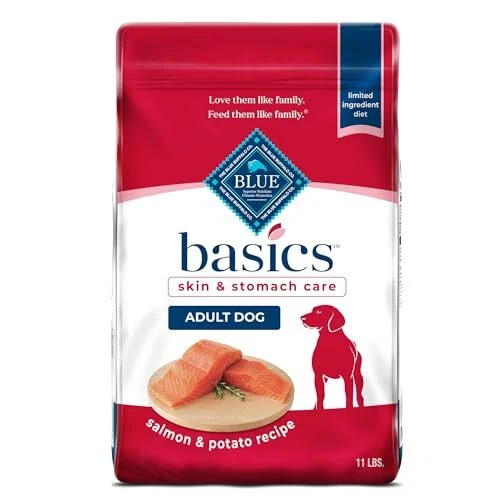
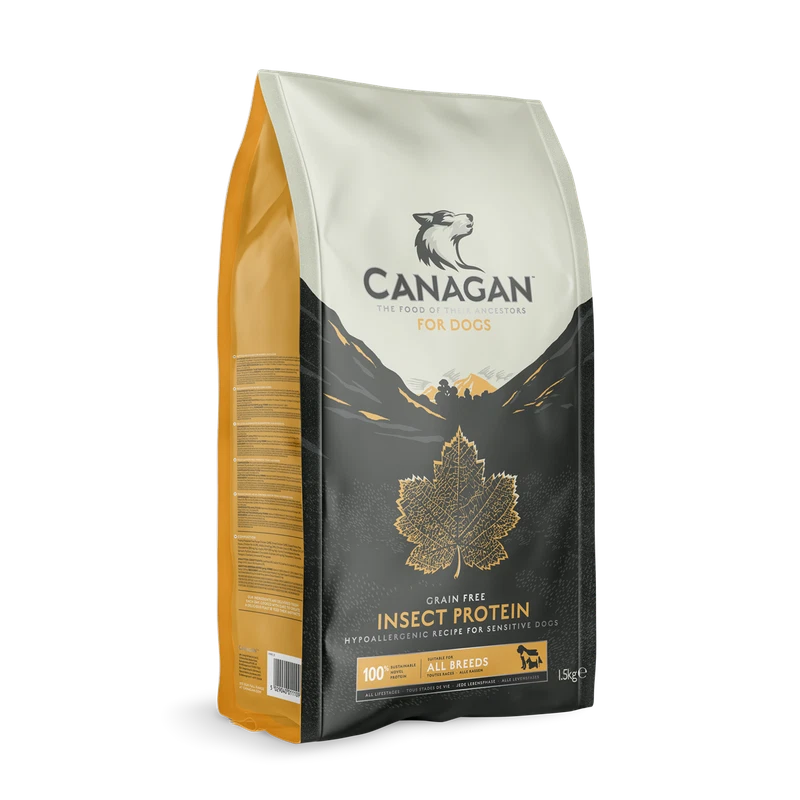
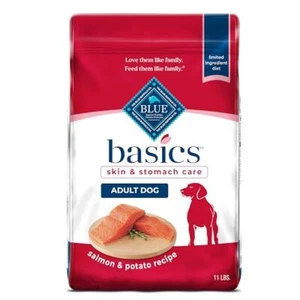
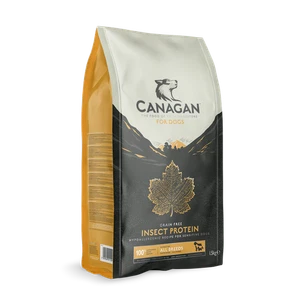
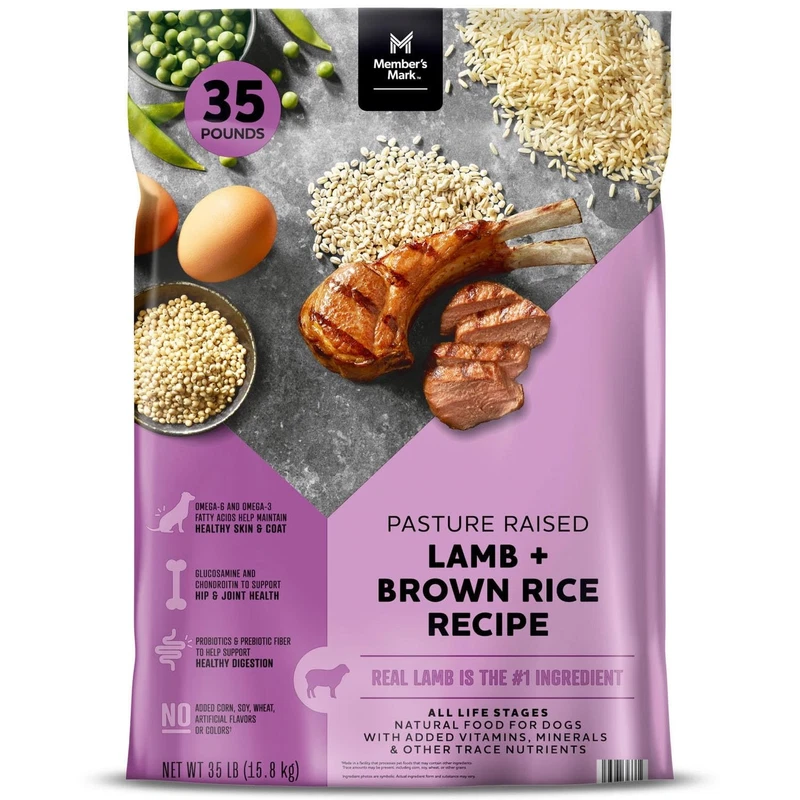
For dogs with sensitive stomachs or suspected sensitivities, switching to limited-ingredient or hypoallergenic formulas is often the most effective remedy. Many manufacturers design recipes specifically for these dietary needs. For example, provides a limited-ingredient adult formula centered around salmon and potato to support skin and digestive health without triggering common sensitivities. Similarly, alternative protein sources are gaining popularity for dogs that react poorly to poultry or beef. You can explore sustainable, novel options like , a grain-free, hypoallergenic recipe utilizing insect protein as a sustainable solution for sensitive dogs.
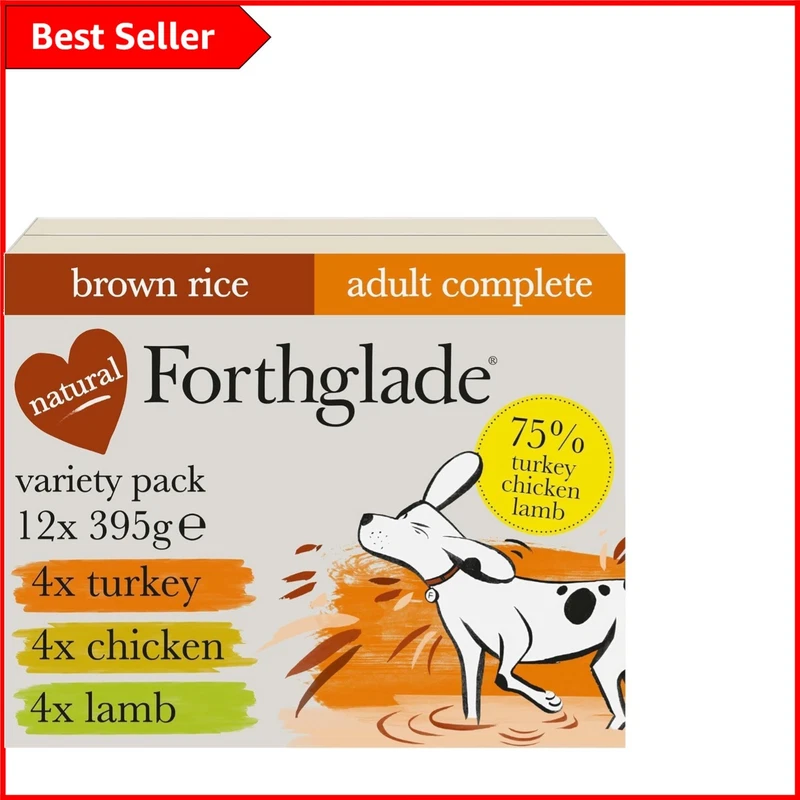
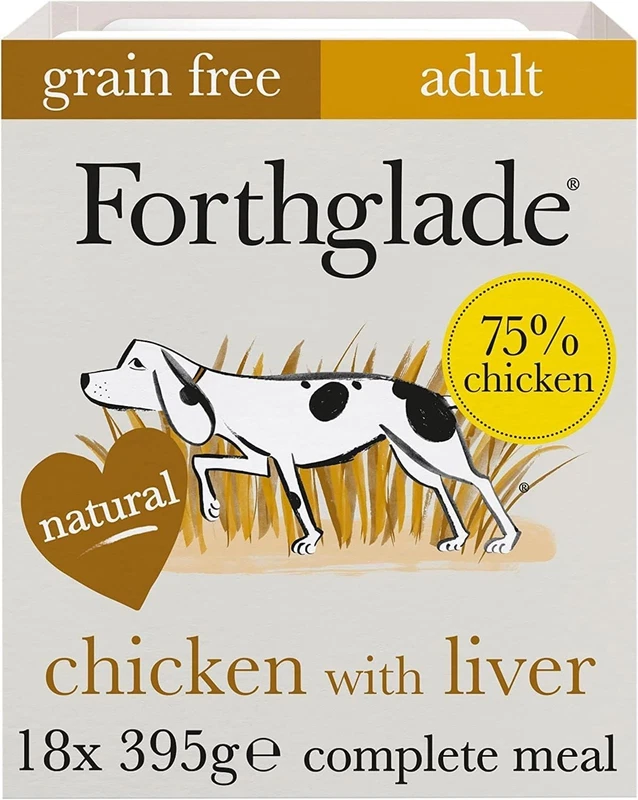
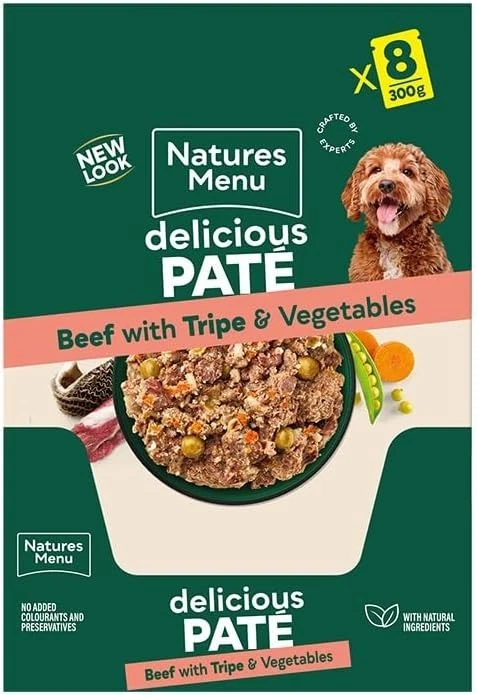
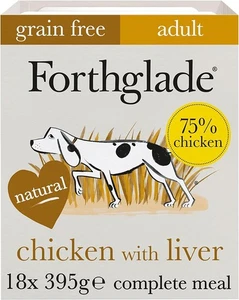
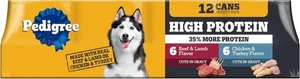
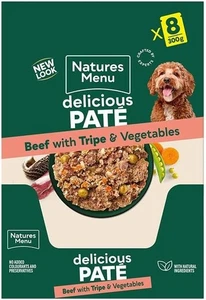
Wet food options are also frequently utilized for dogs with delicate digestive tracts because they tend to be highly palatable and easier to chew. Products such as and grain-free alternatives like offer complete, sensitive-stomach meals packed with natural ingredients. For dogs that require specific protein variety without added triggers, options like , made with grass-fed beef and garden vegetables, provide a gentle, high-moisture meal option.
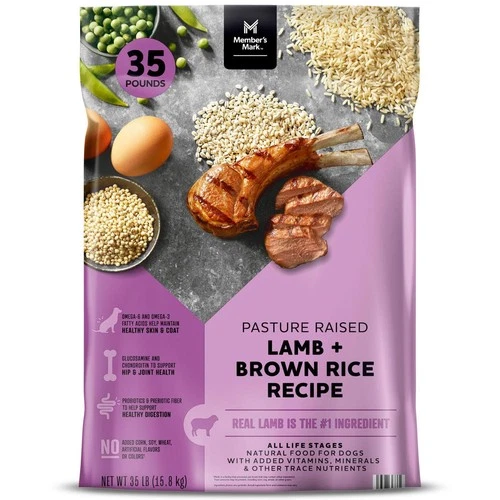







 $88.94