Tahabay icon tahabay

Cycling Helmet Buying Guide: Specs, Price Tiers & Safety Explained

Master our cycling helmet buying guide. Learn how to choose a cycling helmet for beginners, decode sizes and features, and find the right lid from $10 to $80.

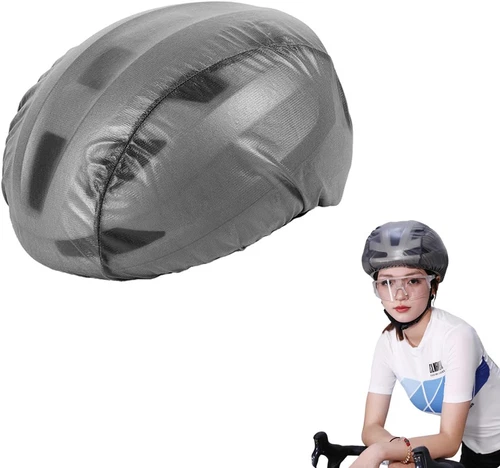
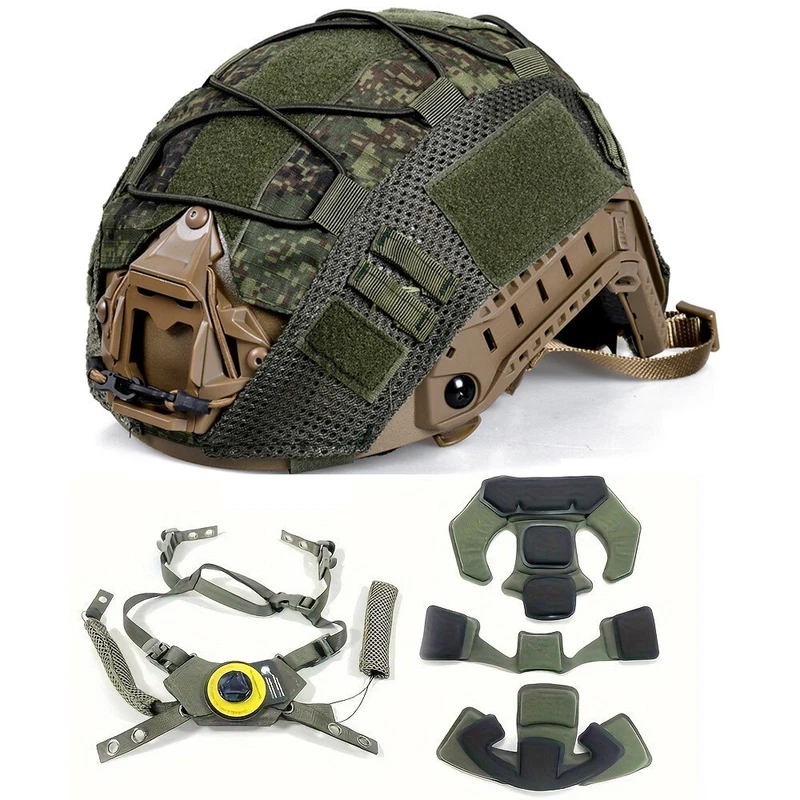
Cycling Helmet Cover for Bicycle,Waterp<wbr/>roof Helmet Protective Cover with Refl...

This comprehensive cycling helmet buying guide is built for riders who are tired of sorting through confusing marketing jargon, conflicting safety certifications, and wildly fluctuating price tags. Whether you are dusting off a cruiser for weekend park paths, commuting through dense urban traffic in wet weather, or hammering out high-speed intervals on a road bike, your head deserves dependable protection without paying for features you do not need. Choosing the right lid is not merely about picking your favorite color or matching your jersey; it is about understanding impact mechanics, retention systems, ventilation physics, and coverage requirements. Throughout this guide, we will strip away the fluff, examine what different price tiers actually buy you, and help you determine whether you need a high-end aerodynamic shell or a simple recreational bucket.

Many beginners make the mistake of assuming all bike helmets are essentially identical underneath the outer plastic shell. In reality, manufacturing techniques, EPS foam densities, slip-plane technologies, and retention cradles vary drastically. If you are shopping for a cycling helmet for beginners, you might feel overwhelmed by terms like MIPS, in-mold construction, NTA 8776 ratings, and aerodynamic channeling. We are going to demystify these concepts so you can evaluate options objectively. Along the way, we will also explore how accessories like a can extend the life of your gear during unexpected downpours while boosting your visibility in low-light conditions.

Part 1

Understanding Cycling Helmet Anatomy and Specifications

To understand how to choose cycling helmet models that fit your specific riding style, you must first understand the basic anatomy of a modern bicycle helmet. At its core, a standard bike helmet consists of three primary components: an outer shell, an inner impact-absorbing liner, and a retention system that holds the whole assembly securely to your cranium. The outer shell is typically made of polycarbonate plastic, which is vacuum-formed or directly fused to the inner liner during production—a process known in the industry as in-molding. This fusion creates a lighter, stronger structure compared to older, glued-together designs.

Beneath that outer shell lies the expanded polystyrene (EPS) foam liner. This foam is engineered to crush upon impact, absorbing and dissipating the kinetic energy of a crash before it reaches your skull. More advanced helmets utilize dual-density EPS foams, which combine softer foam layers to handle lower-speed impacts with denser foam layers designed for severe, high-speed collisions. When evaluating options, look at how the foam is channeled. Internal air channels allow cool air to enter through front vents, pass over your scalp, and exit through rear exhaust ports, keeping your head from overheating during grueling climbs.

Another crucial specification that frequently confuses shoppers is rotational impact protection, most commonly associated with MIPS (Multi-directional Impact Protection System) or similar slip-plane technologies. Traditional helmets are exceptionally good at managing direct, linear impacts. However, real-world crashes almost always involve an angled or oblique blow, which creates rotational forces that can twist the brain inside the skull. Slip-plane systems feature a low-friction layer inside the helmet that allows the outer shell to rotate independently—typically by 10 to 15 millimeters—relative to your head during the critical milliseconds of an angled impact, significantly reducing rotational shear stress.

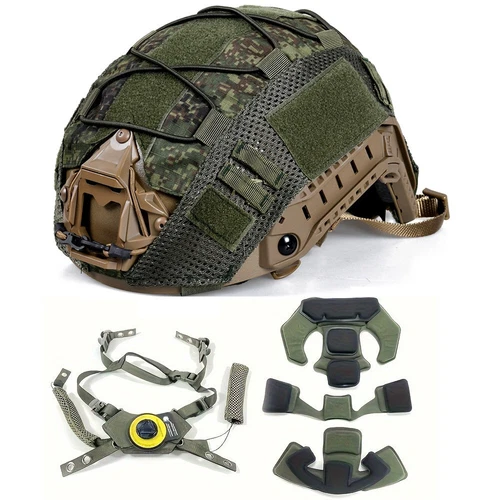
If you are upgrading from older protective gear, you might also consider refreshing your interior fit with a , which helps restore a snug, comfortable feel if your original pads have compressed over years of sweat and use. Similarly, for riders seeking a plush, custom fit right out of the box, options like a can dramatically improve comfort on long endurance rides by eliminating hot spots and distributing pressure evenly across the crown of your head.

27 Pcs Universal Helmet Inner Pad Foam Kit Replacement Motorcycle Bicycle Helmet$9.99

27 Pcs Universal Helmet Inner Pad Foam Kit Replacement Motorcycle Bicycle Helmet

eBay The MTGHYARE Bike Helmet Pads Padding Kit is a universal bicycle replacement foam pads set designed for adult riders. Made in the United States, these lightweight grey pads come in one size and are perfect for adding extra comfort and protection to your h

See the live listing →
Cycling Helmet Suspension System with Memory Foam Pad and Cover$10.66

Cycling Helmet Suspension System with Memory Foam Pad and Cover

eBay Welcome friends to luciernaga Outdoor store Follow the store to get great coupons Hope to get your 5 star rating Please don't give bad reviews directly If you have any questions, please contact customer service in time We do our best to serve you and wish

See the live listing →
Part 2

The Decision Framework: Tiers, Thresholds, and Trade-Offs

Navigating the vast market of protective headwear requires a clear understanding of price bands and what they actually deliver. Spending more money does not automatically buy you superior direct-impact safety; all legally sold helmets must meet baseline government safety standards such as CPSC in the United States or CE EN1078 in Europe. Instead, paying a higher price buys you reduced weight, enhanced ventilation, advanced aerodynamic profiling, premium strap materials, sophisticated retention mechanisms, and specialized rotational protection systems.

Let us break down the market into four distinct tiers so you can map your budget to your actual riding requirements:

  • The Budget Tier (Under $30): These models cover the bare essentials. You get certified safety and basic strap adjustments, but ventilation is often minimal, weight is higher, and the retention system may feel clunky or difficult to adjust with one hand. These are ideal for casual neighborhood cruising, college campus commuting, or occasional recreational rides where speed and distance are modest.
  • The Mid-Range Tier ($30 to $70): This is the sweet spot for most regular cyclists, recreational mountain bikers, and daily commuters. In this bracket, you find much better airflow, lighter in-mold construction, more refined retention dials, and frequently integrated MIPS or proprietary slip-plane technology. Products like the and the reside comfortably here, offering reliable day-long comfort and modern safety features.
  • The Performance Tier ($70 to $200): Geared toward enthusiasts, road racers, and serious gravel grinders. Here, weight drops significantly, internal venting is optimized via wind-tunnel testing, and aerodynamic tails or compact profiles become standard. Helmets in this category, such as the and the , also cater to specialized niches like high-speed e-bike commuting or aggressive mountain biking.
  • The Pro/Flagship Tier ($200 and Above): The absolute pinnacle of helmet engineering. These flagship models use ultra-lightweight materials, cutting-edge structural reinforcement, and elite aerodynamic shaping designed for professional athletes. Examples include the , the , and the high-clearance . Buy these if you demand marginal gains, absolute featherlight comfort, or specialized convertible full-face versatility for enduro mountain biking.

To help you visualize where your needs intersect with these tiers, review the following decision matrix:

Riding Discipline Recommended Price Tier Key Priority Features Who Should Skip It
Casual / Campus Cruiser Budget (Under $30) Basic CPSC certification, easy universal fit Long-distance road racers and serious mountain bikers
Daily Urban Commuter Mid-Range ($30 - $70) Reflective details, secure retention, robust shell Ultralight weight purists looking for zero wind resistance
Recreational Road & Gravel Performance ($70 - $200) MIPS slip-plane technology, excellent ventilation Riders on strict budgets who only ride twice a summer
Competitive Road / Enduro MTB Flagship ($200+) Wind-tunnel aerodynamics, dual-density foam, elite fit Beginners unsure if they will stick with the sport

When selecting your gear, you must also consider the hidden costs of ownership and transport. If you invest in a high-end performance lid, keeping it protected during transit is essential. Tossing an expensive helmet into a dark trunk filled with tools and shoes is a surefire way to crack the outer shell or compromise the foam integrity. Utilizing a dedicated storage solution like the or the rugged ensures your investment remains scratch-free and structurally sound between rides.

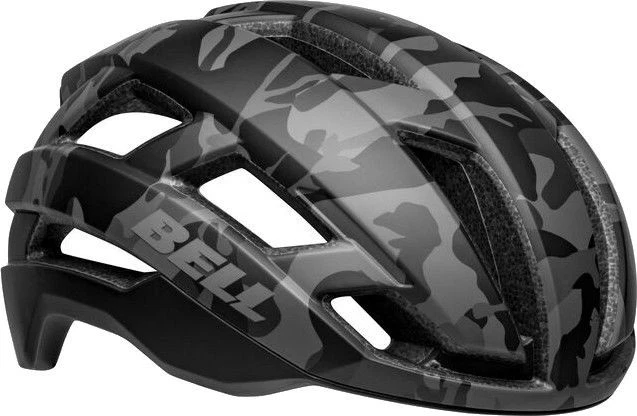
Bell Falcon XR MIPS Road Cycling Helmet, Matte Black Camo, Small$74.97

Bell Falcon XR MIPS Road Cycling Helmet, Matte Black Camo, Small

eBay Bell Falcon XR MIPS Road Bike Helmet Description When Bell set out to design the XR Spherical, they were after one helmet to do a bit of everything, from racing cyclocross to touring the world to just KOM’ing your buddies on the weekly lunch ride. With Fa

See the live listing →
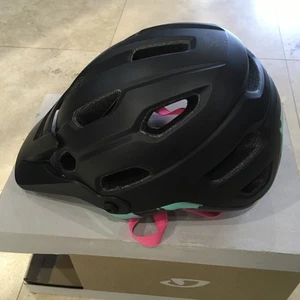
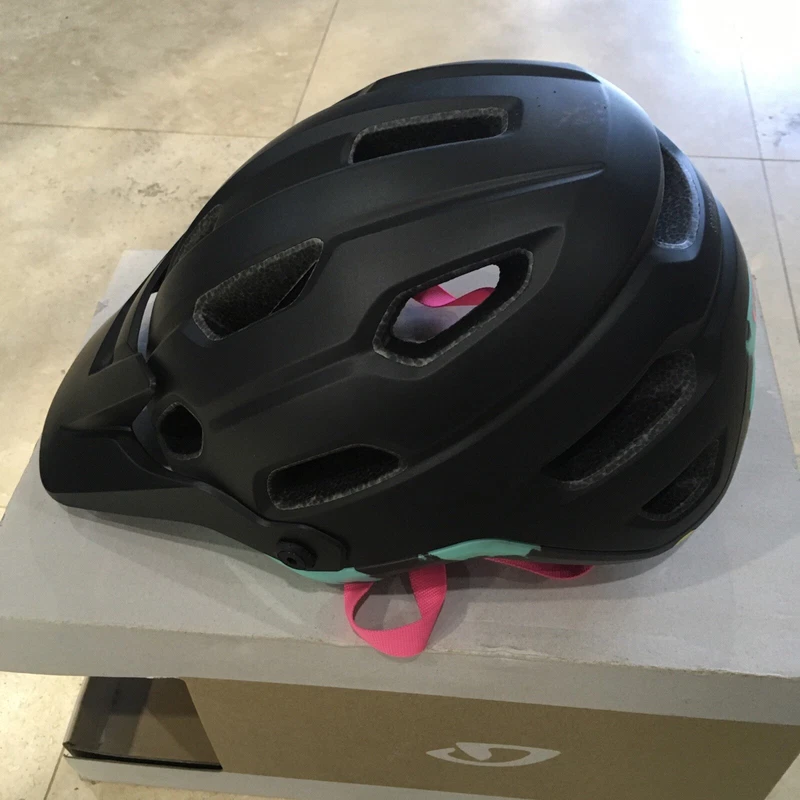
Giro Women Source MIPS Cycling Helmet - Matte Black Ice Dye Medium (55-59 cm)$59.99

Giro Women Source MIPS Cycling Helmet - Matte Black Ice Dye Medium (55-59 cm)

eBay Helmet has a few scratches from storage nothing major but please look for yourself to see the condition of the scratches The Giro Women Source MIPS Cycling Helmet in Matte Black Ice Dye, size Medium (55-59 cm), is a stylish and protective helmet designed

See the live listing →
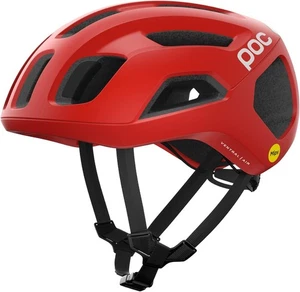
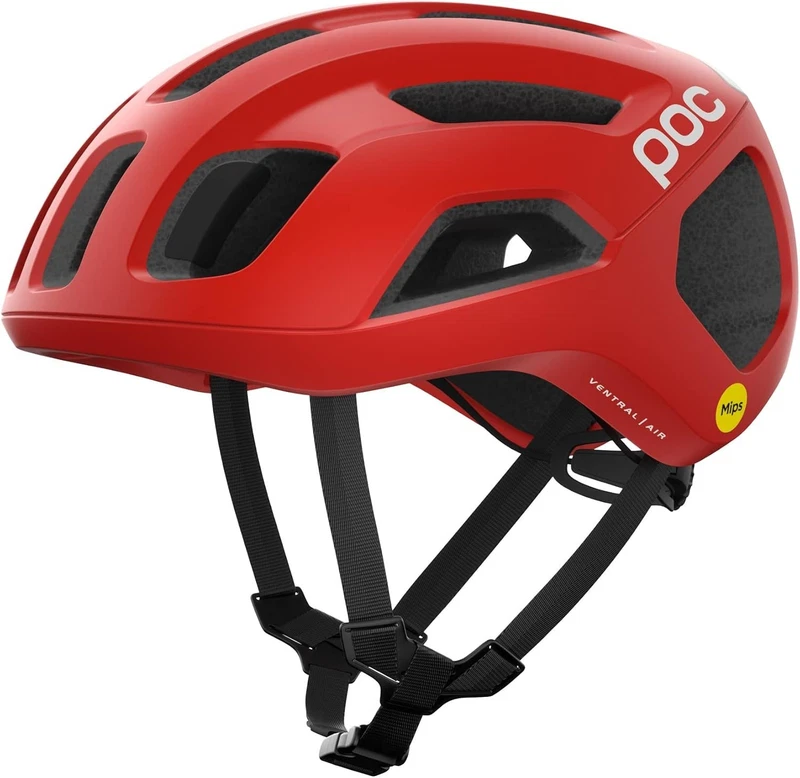
POC, Ventral Air MIPS Road Cycling Helmet Prismane Red Matte Small$69.99

POC, Ventral Air MIPS Road Cycling Helmet Prismane Red Matte Small

eBay New In Box The Uranium Matte Black Ven Mip helmet by POC is a high-quality, polycarbonate helmet designed for head protection during cycling activities. Suitable for unisex adults, this helmet is specifically crafted to provide safety and comfort for the

See the live listing →
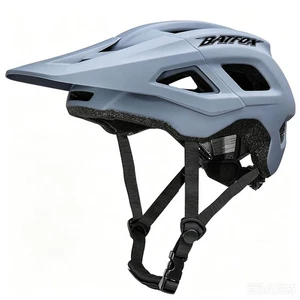
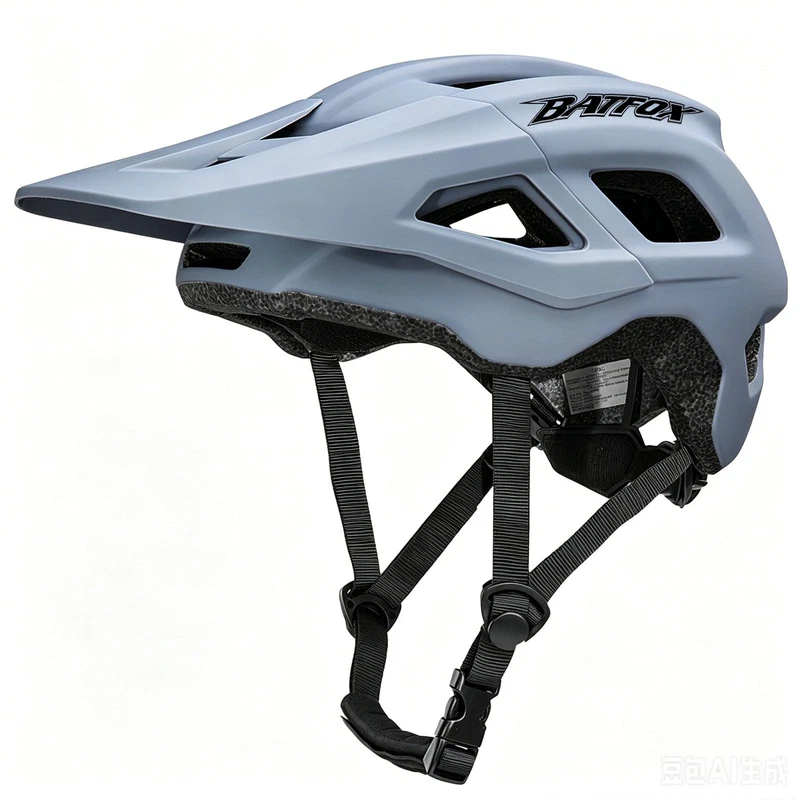
NTA 8776 EBike & Mountain Bike Helmet for Adults Youth, EMTB Cycling Helmet f...$63.86

NTA 8776 EBike & Mountain Bike Helmet for Adults Youth, EMTB Cycling Helmet f...

eBay NTA 8776 E-Bike & Mountain Bike Helmet for Adults Youth, E-MTB Cycling Helmet for Men Women (52-60CM) (Gray, M(52-56CM)) Safety Bike Helmet:This ​adult bike helmet​ Certified by CPSC,CE, EN1078 and NTA 8776 Ebike.features a tough polycarbonate shell with

See the live listing →
MET Trenta MIPS Road Cycling Helmet Blue Silver Navy Size Medium✅$349.99

MET Trenta MIPS Road Cycling Helmet Blue Silver Navy Size Medium✅

eBay MET TRENTA MIPS CYCLING HELMET - Blue Silver - Size Medium (56-58cm) ✅ Lightweight and Stay Cool at the same time similar to the likes of the now 3 time Tour de France winner Tadej Pogačar! - The most advanced cycling helmet made by MET for its 30th anniv

See the live listing →
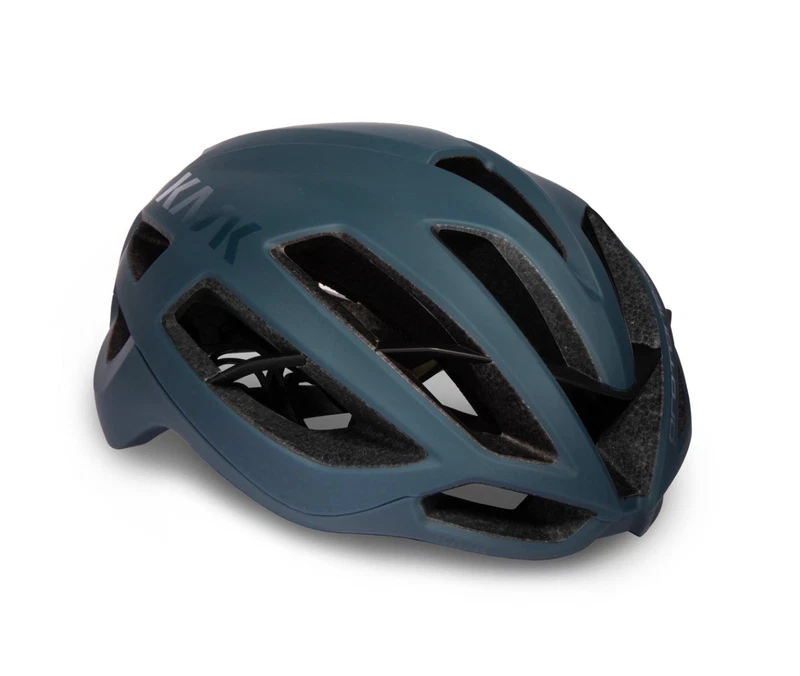
KASK Protone ICON Bicycle Helmet - Forest Green Matte - Large$300

KASK Protone ICON Bicycle Helmet - Forest Green Matte - Large

eBay KASK Protone ICON Bicycle Helmet - Forest Green Matte - Large The new synonym for victory, the Protone Icon helmet features the latest technological advances in safety, ventilation, and aerodynamics to make it an icon of road cycling. The Protone Icon tak

See the live listing →
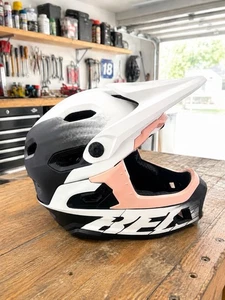
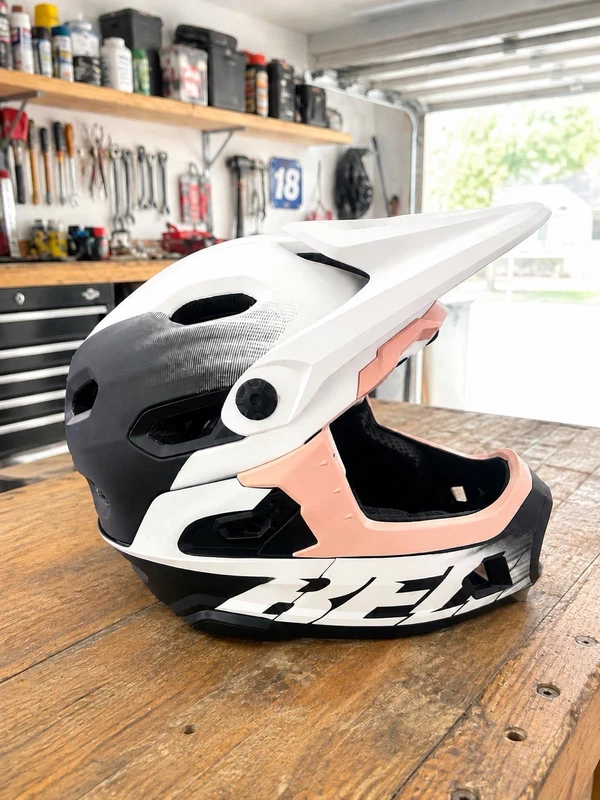
Bell SUPER DH SPHERICAL Cycling Helmet Large MATTE BLCK/WHT$220

Bell SUPER DH SPHERICAL Cycling Helmet Large MATTE BLCK/WHT

eBay The Bell SUPER DH SPHERICAL Cycling Helmet in size Large features a double D style closure, polycarbonate shell construction, and a graphic design with the visible Bell logo. The matte finish helmet is designed for off-road performance and is suitable for

See the live listing →
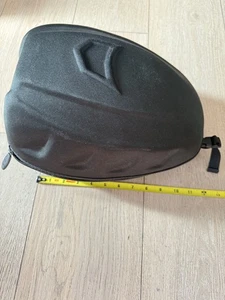
Catlike Wisper Bicycle Helmet Protective Carrying Case - black$39.99

Catlike Wisper Bicycle Helmet Protective Carrying Case - black

eBay Catlike Wisper Bicycle Helmet Protective Carrying Case - black 12 inch long 7 inch height Preowned #catlike #wisper #bicycle #helmet #protective #carrying #ad #tahabay #ebay

See the live listing →
SCICON Bicycle Helmet Bag Case Nylon Anti-Scratch Cycling Gear TP504000509$99.99

SCICON Bicycle Helmet Bag Case Nylon Anti-Scratch Cycling Gear TP504000509

eBay SCICON Bicycle Helmet Bag Case Nylon Anti-Scratch Cycling Gear TP504000509 Excellent pre-owned condition, see photos for details. Brand: SCICON Type: Helmet bag and gear case Color: Black solid nylon with subtle ripstop texture Material: Durable nylon she

See the live listing →
Part 3

Glossary of Cycling Helmet Jargon

When shopping for protective gear, you will encounter a barrage of technical terms. Here is a clear, no-nonsense glossary to help you decipher product descriptions and make an informed choice:

  • EPS (Expanded Polystyrene): The rigid, crushable foam material that forms the primary shock-absorbing core of almost every bicycle helmet on the market.
  • In-Mold Construction: A manufacturing process where the outer polycarbonate shell is bonded directly to the EPS foam liner while it is being injected, resulting in a lighter and more structurally integrated helmet.
  • MIPS (Multi-directional Impact Protection System): A patented low-friction slip-plane layer placed inside the helmet designed to rotate slightly upon angled impact, reducing the rotational forces transferred to the brain.
  • NTA 8776: A specialized certification standard created specifically for speed pedelecs and electric bicycles, testing helmets against higher impact speeds and providing greater temporal and rear-head coverage than standard bicycle certifications.
  • Retention System: The mechanical adjustment dial, ratchet, or sliding mechanism—often paired with an internal headband—located at the back of the helmet used to fine-tune the snugness around your occipital bone.
  • Spherical Technology: A ball-and-socket design (often found in advanced Bell and Giro models) that eliminates the traditional plastic slip-plane liner by allowing the outer foam layer to rotate smoothly around an inner foam layer.
  • Visor: A small peak or extension mounted over the front brow of the helmet, commonly found on mountain bike and commuter models to deflect sun glare, low-hanging tree branches, and light rain.
  • Ventilation Vents: Openings carved into the helmet shell and foam liner to channel airflow across the scalp, preventing heat buildup during intense physical exertion.
Part 5

Fitting, Maintenance, and When to Replace Your Helmet

Even the most expensive, technologically advanced helmet will fail to protect you properly if it does not fit your head shape or if it is worn incorrectly. Achieving the correct fit starts with measuring your head circumference using a flexible tape measure wrapped horizontally around your brow, approximately one inch above your eyebrows. Once you have your measurement in centimeters, match it against the manufacturer's sizing chart rather than guessing based on standard small, medium, or large designations.

When you place the helmet on your head, it should sit level—neither tilted back exposing your forehead nor pulled so far forward that it blocks your vision. Adjust the rear retention dial until the internal cradle grips your occipital bone securely enough that the helmet stays in place even when you shake your head side to side with the chin strap unbuckled. Next, adjust the side strap sliders so they form a neat "V" shape directly beneath each of your earlobes. Finally, tighten the chin strap so that no more than one or two fingers fit snugly between the strap and your chin.

Proper maintenance is equally vital for ensuring your helmet performs as intended throughout its lifecycle. Never clean your helmet with harsh chemical solvents, industrial degreasers, or strong detergents, as these substances can degrade the structural integrity of the polycarbonate outer shell and weaken the EPS foam. Instead, use mild soap and warm water with a soft microfiber cloth. Avoid leaving your helmet trapped inside a hot car trunk during summer months; extreme ambient heat can warp the outer shell and compromise the foam's cellular structure.

Most importantly, you must know when to retire your gear. Unlike bicycle tires or chains that wear out gradually, a helmet has a finite lifespan defined by impact events and material aging. You must replace your helmet immediately if you suffer a crash in which your head makes contact with the ground or a vehicle, even if the exterior shell looks completely undamaged. Micro-fractures within the EPS foam liner absorb the impact energy by crushing permanently, meaning that foam can never protect you a second time. Furthermore, standard industry recommendations advise replacing any cycling helmet every three to five years under normal use due to ultraviolet light degradation from the sun, sweat exposure, and general handling wear.

Keep in mind that online pricing and product availability fluctuate constantly depending on active sellers, specific colorways, condition ratings, and marketplace inventory shifts. Always verify sizing specifications and return policies before completing your purchase to ensure you secure the right fit for your upcoming rides.

Part 6

If You Only Buy One Thing

If you want a dependable, do-it-all protective lid that bridges the gap between daily urban commuting, weekend road training, and casual fitness riding without breaking the bank, get the . It strikes the ideal balance of modern MIPS rotational safety, refined ventilation, secure retention adjustment, and versatile styling that performs brilliantly across multiple cycling disciplines.

Questions

Frequently asked questions

How do I know what size cycling helmet to buy?

To find your correct size, wrap a flexible soft tape measure horizontally around your head about one inch above your eyebrows and ears, which is the widest part of your skull. Compare that measurement in centimeters to the manufacturer sizing chart. Most helmets feature adjustable retention dials at the back to fine-tune the fit so it sits snugly without sliding or pressing too tightly against your forehead.

Do more expensive cycling helmets offer better safety?

Not necessarily in terms of direct impact protection. Every legally sold bicycle helmet must meet mandatory government safety standards like CPSC or CE EN1078, meaning a budget lid protects your head just as well in a straight-line crash. Higher price tiers buy you reduced weight, advanced ventilation channels, premium strap materials, aerodynamic profiling, and rotational impact systems like MIPS.

What is MIPS and is it worth the extra cost?

MIPS stands for Multi-directional Impact Protection System. It is a low-friction slip-plane layer placed inside the helmet that allows the outer shell to rotate slightly independently of your head during an angled crash. This movement helps absorb and redirect rotational shear forces away from the brain, making it a highly recommended safety feature for modern riders.

When should I replace my bicycle helmet?

You should replace your helmet immediately if it has been involved in any significant crash or impact, even if there is no visible external damage, because the EPS foam liner crushes internally to absorb shock. Additionally, normal wear, UV exposure, and sweat degrade materials over time, so manufacturers generally recommend replacing your helmet every three to five years under normal use.