Prices shift constantly on eBay, but the bands have been remarkably stable.
Under $25: honest basics
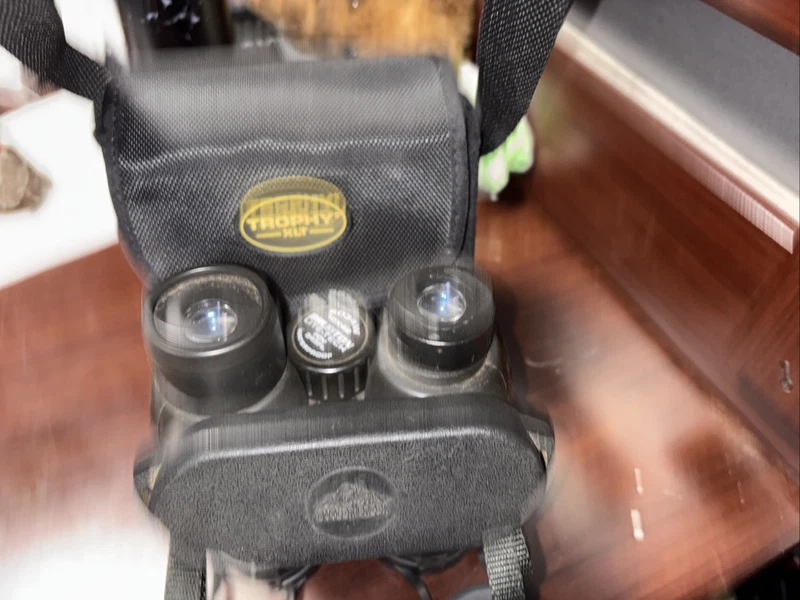
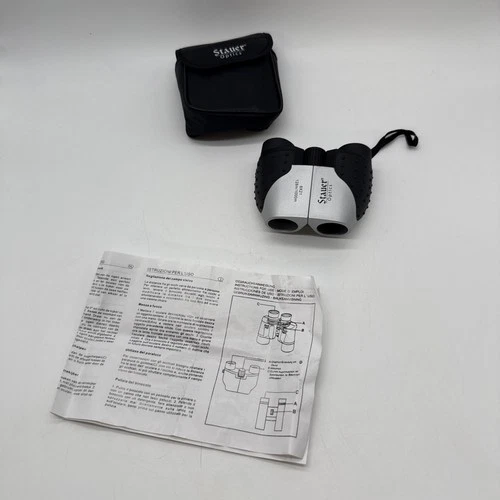
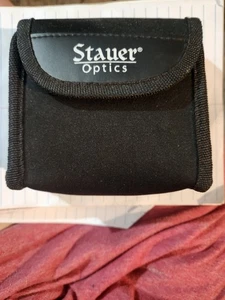
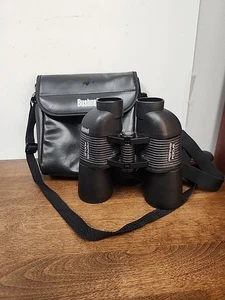
This tier gets you a working instrument with coated lenses and a reasonable specification. The are serviceable for garden birdwatching and general sightseeing, and the are the other end of the same budget bracket. Expect a plastic body, no rubber armouring, and possibly no tripod socket at all. This is a sensible first purchase and far better than squinting unaided.
$25 to $100: the sweet spot
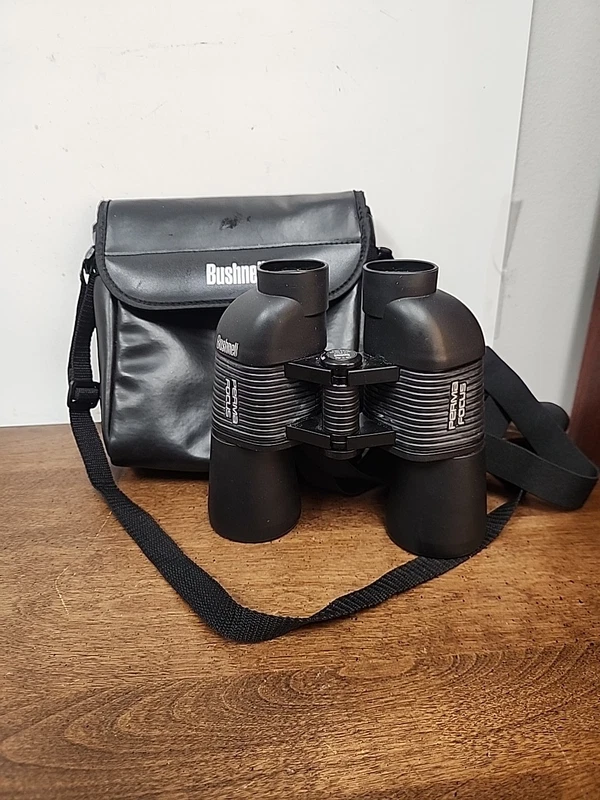
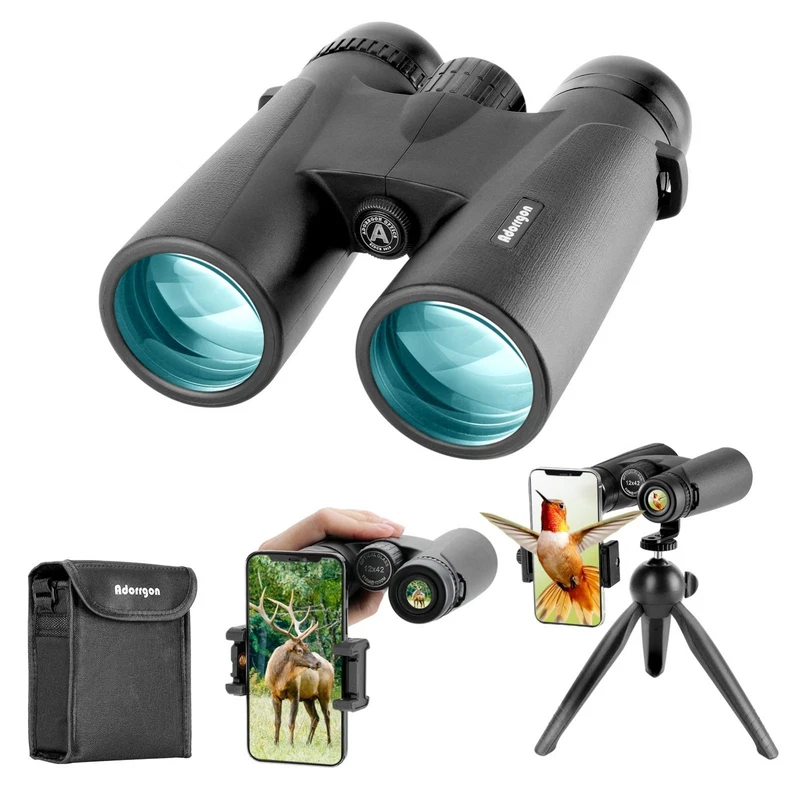
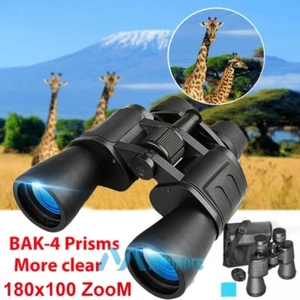
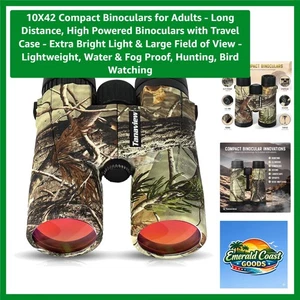
This is where the choice opens up and where most people should aim. You start finding BAK4 glass, multi-coating, rubber armouring and a proper focus mechanism. The sit at the bottom of this band, and the around the middle.
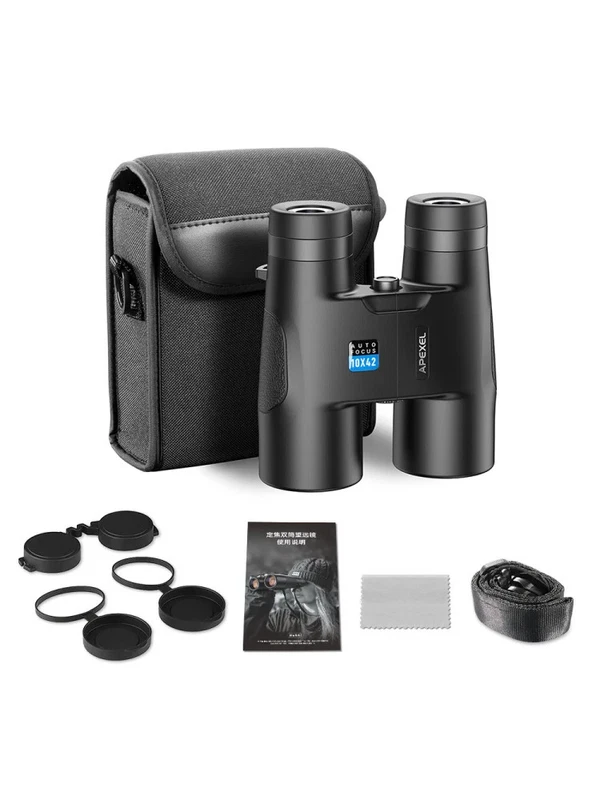
Two things to check at this price level. First, whether the listing names the glass. Second, whether it claims autofocus. Autofocus is convenient but not automatically better — many enthusiasts prefer a manual focus wheel because it gives finer control at close range. Neither is wrong, but do not pay a premium for the word autofocus without understanding what you are getting.
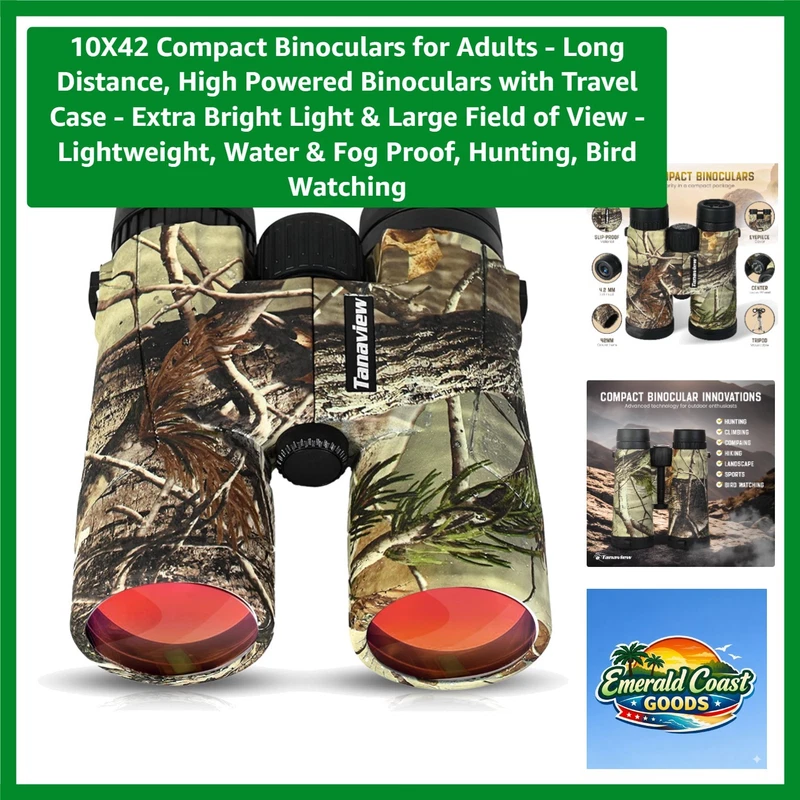
The are worth a mention because the included harness solves a real problem. Carrying binoculars on a bare neck all afternoon is uncomfortable, and a harness moves the weight onto your shoulders.
$100 and above: the step that matters
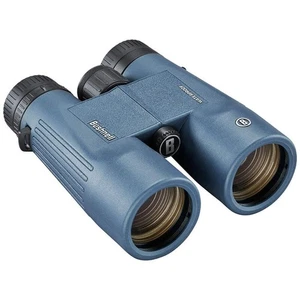
Higher prices buy brighter glass, better edge-to-edge sharpness, narrower field distortion and usually weather sealing. A pair such as the sit comfortably in this band, and the difference against a $45 pair is most obvious in low light and at the edges of the frame.
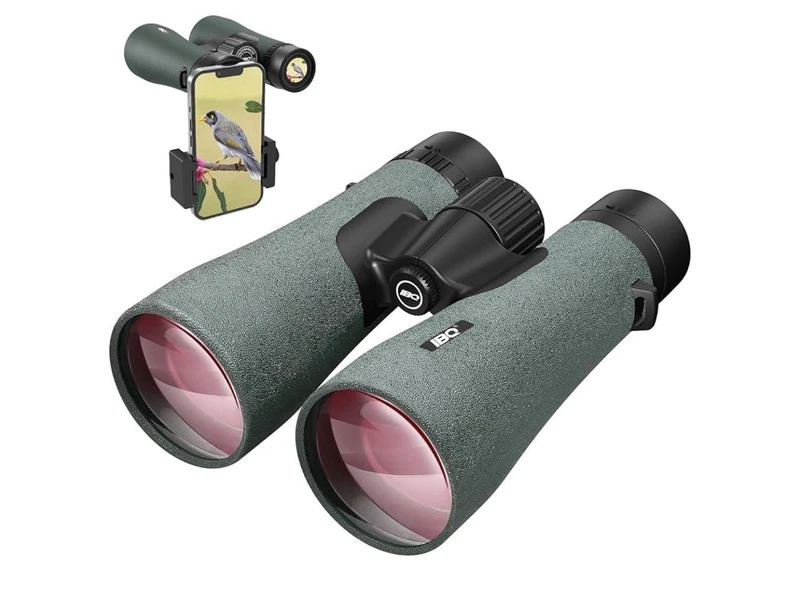
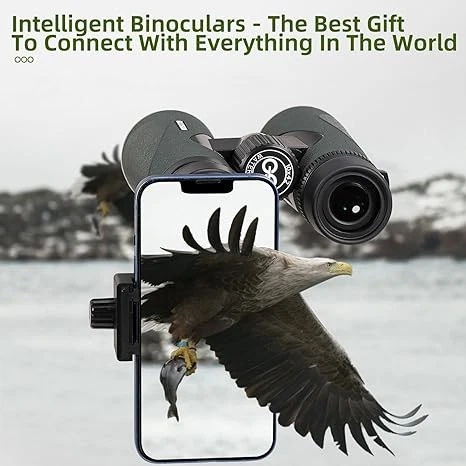
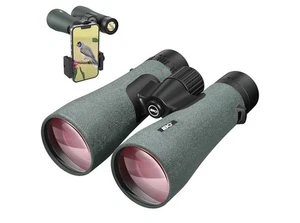
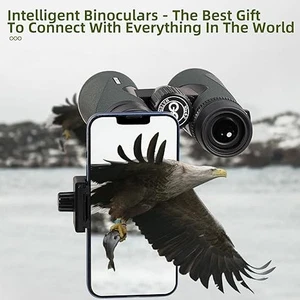
Phone adapters appear more often at this level, on listings such as the and the . Worth knowing before you buy: the adapter frames the image with your phone held against the eyepiece, it does not eliminate hand shake, and the final photograph comes from your phone rather than the glass. It is a genuine convenience for identifying a distant bird, not a step up in optical quality.
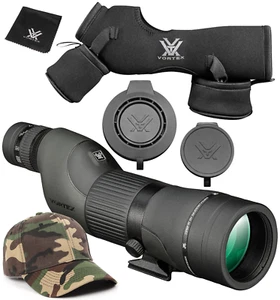
If your interest has widened beyond birds and into the night sky, binoculars remain the cheapest serious step into observing planets and the Moon. Our guide to watching a meteor shower covers the timing and what to expect from a night outdoors, which pairs naturally with a decent pair of glass. For anything beyond a wide field of view, a dedicated optic is the right tool — the is the step up when magnification matters more than portability.






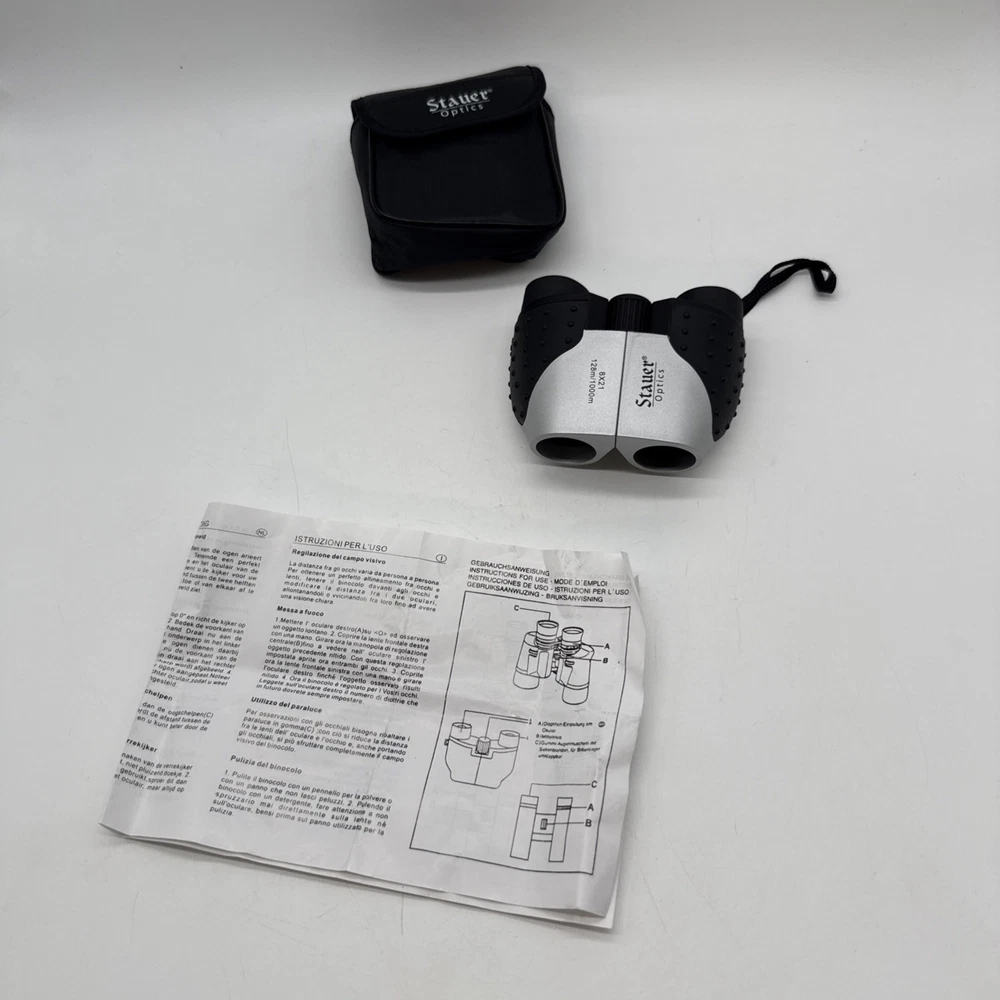
 $14