The material of your mixing bowls dictates their performance, durability, and suitability for various kitchen tasks. Each comes with its own set of advantages and disadvantages.
Stainless Steel Mixing Bowls
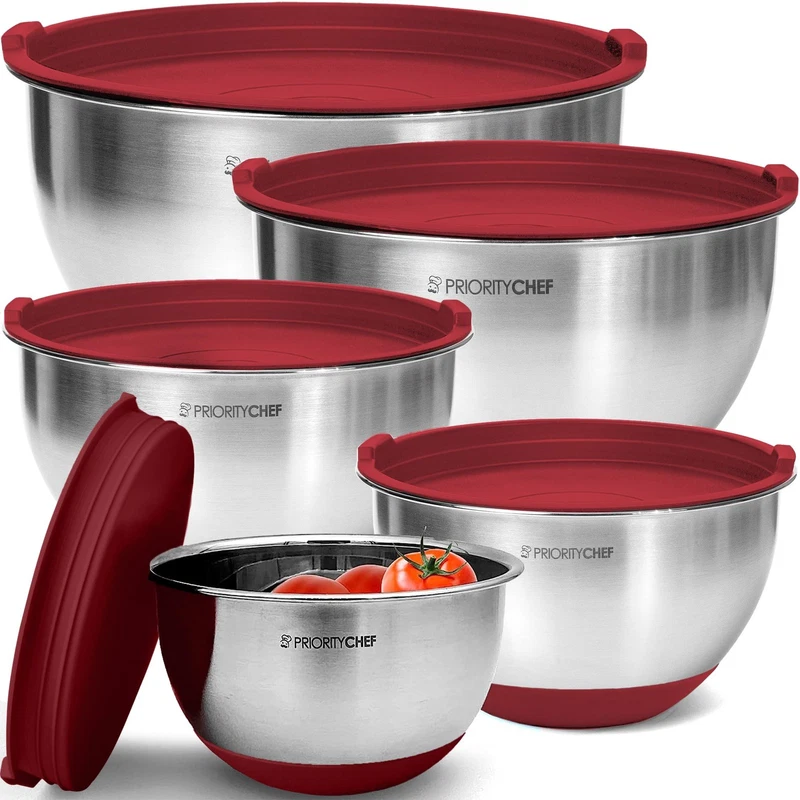
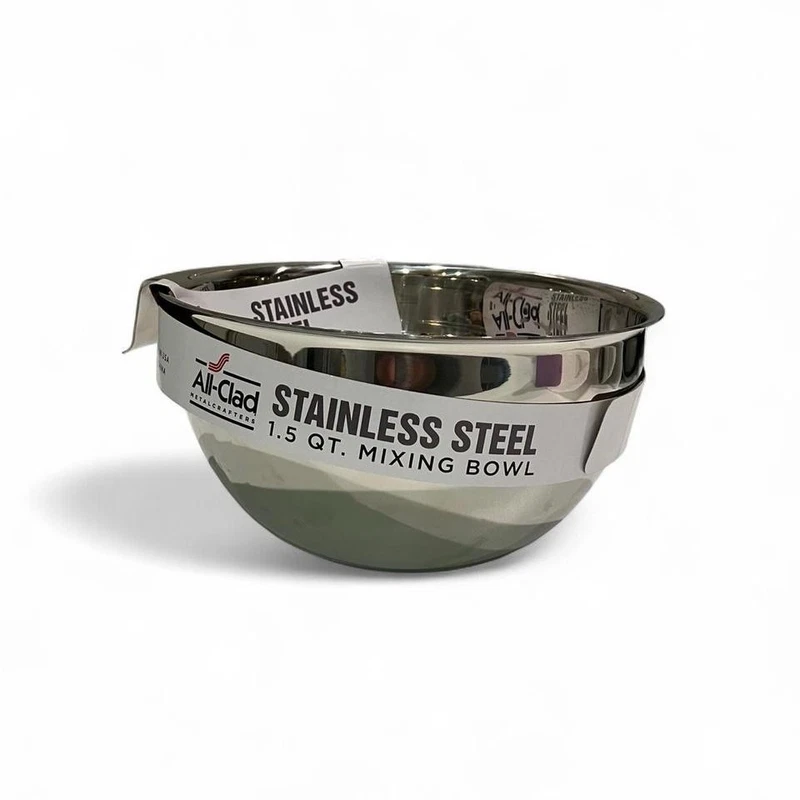
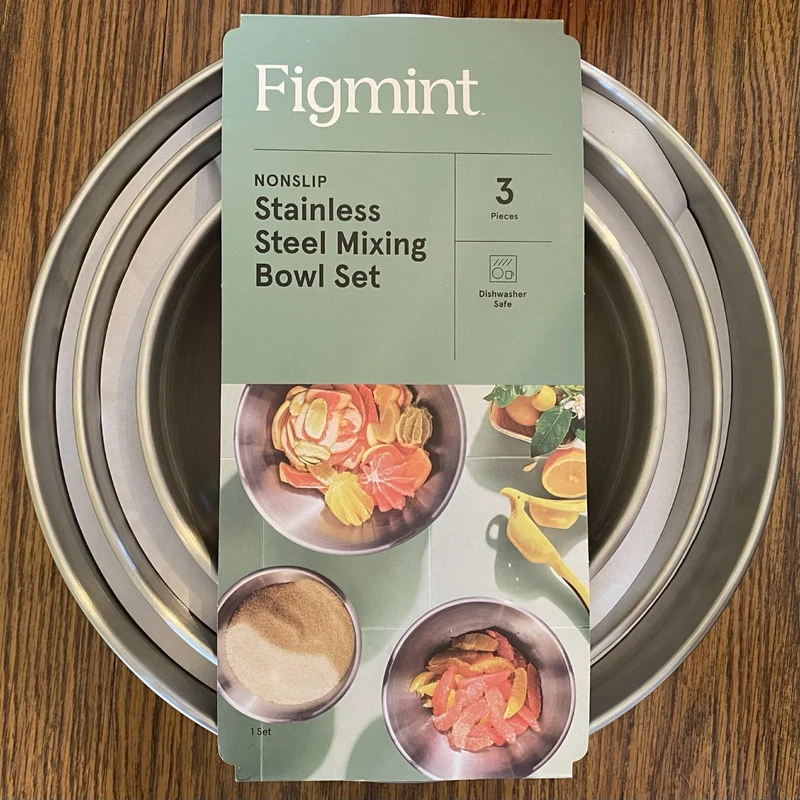
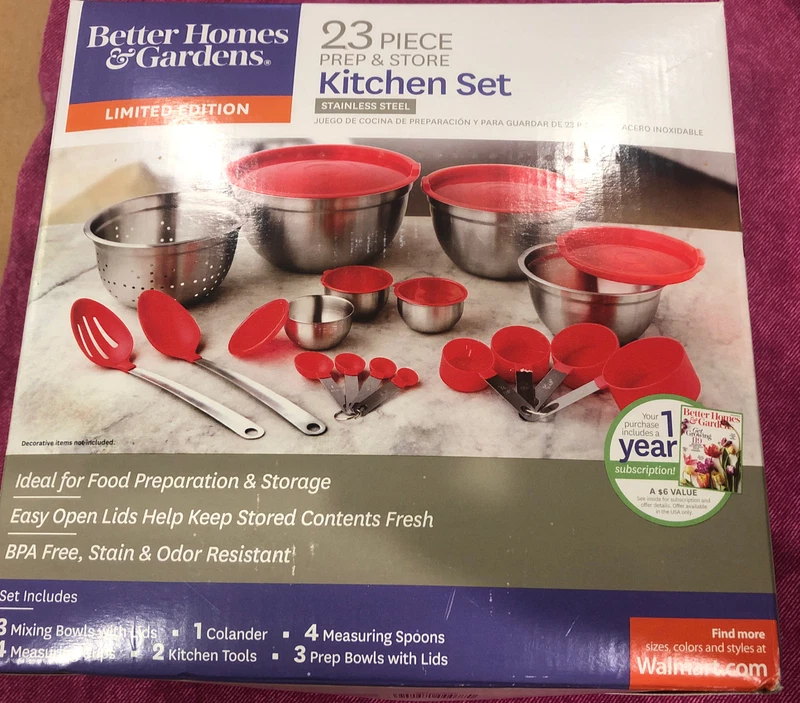
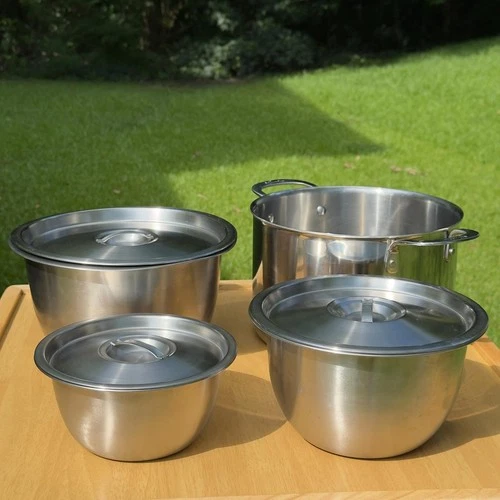
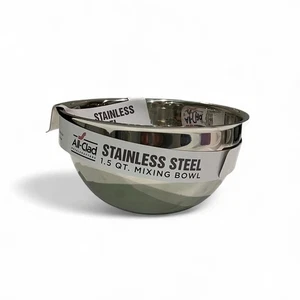
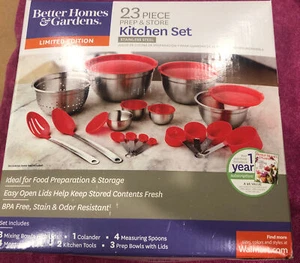
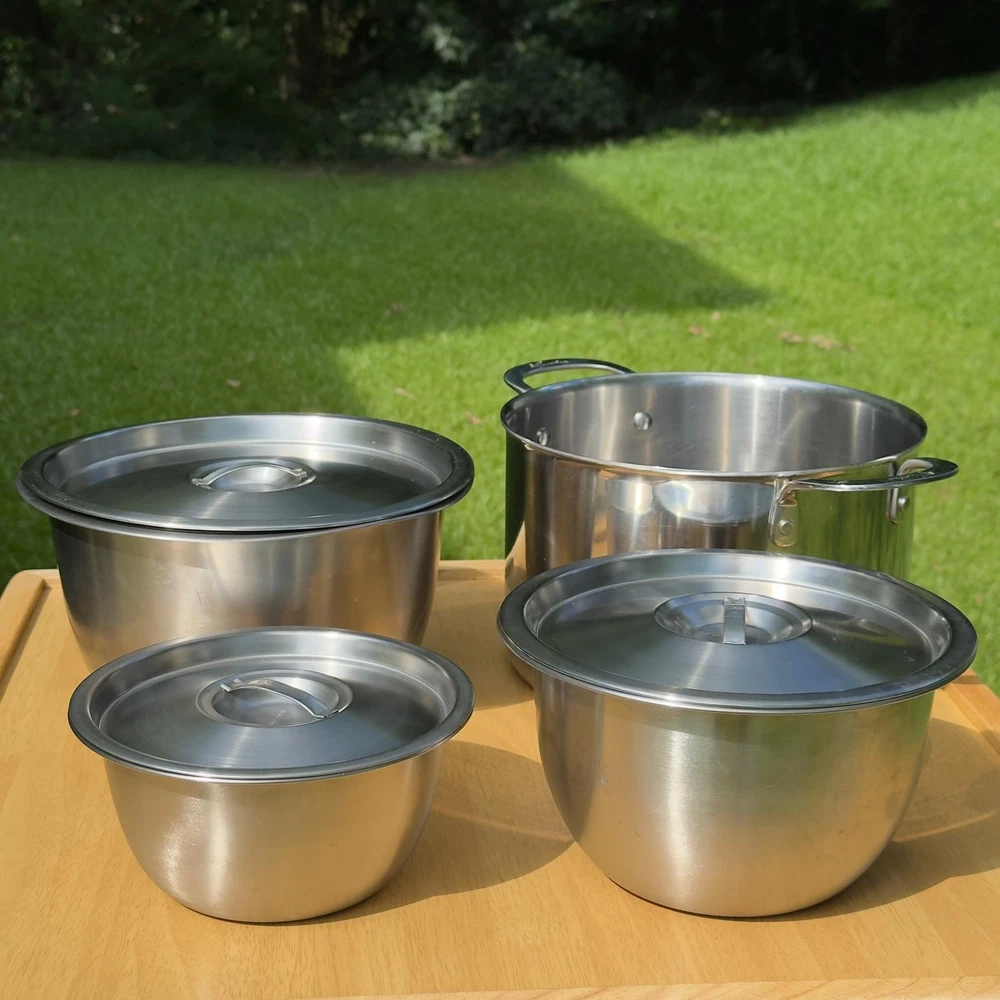
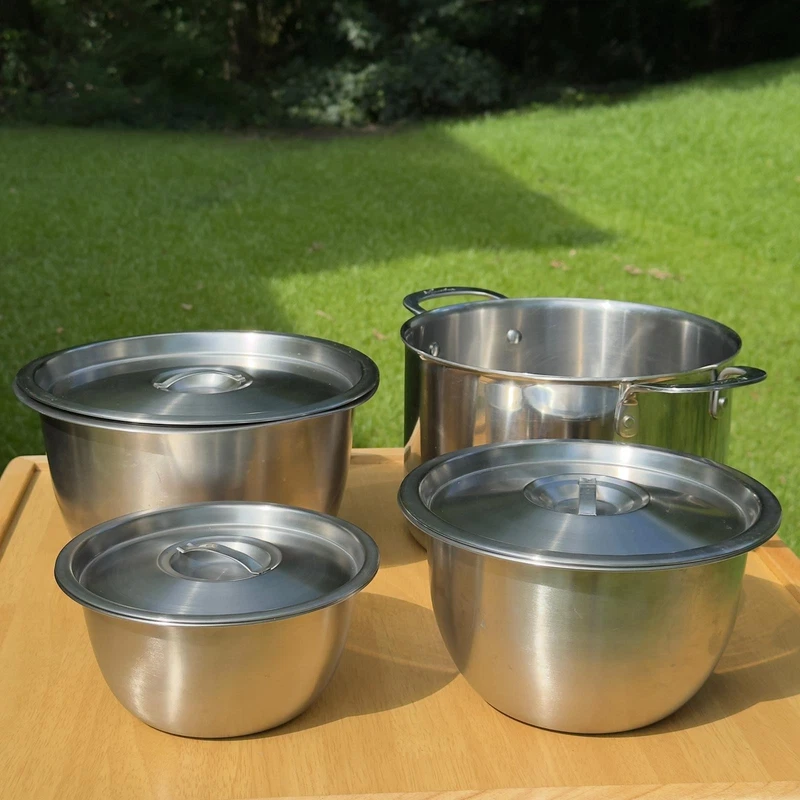
Stainless steel bowls are a perennial favorite in professional and home kitchens alike, and for good reason. They are renowned for their exceptional durability and light weight, making them easy to handle, even when full. Their non-reactive surface means they won't impart flavors or odors to your food, nor will they stain, making them ideal for acidic ingredients like citrus or tomatoes. Stainless steel is also excellent for temperature control; you can place a bowl over a pot of simmering water for a makeshift double boiler, perfect for melting chocolate or making custards, or chill it quickly for whipping cream. Many sets, like the , are designed to nest perfectly, saving valuable cabinet space.
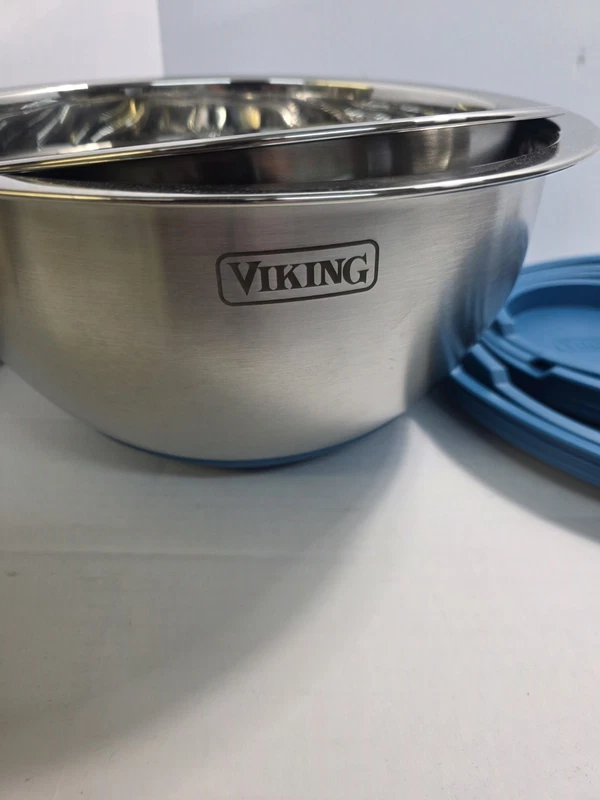
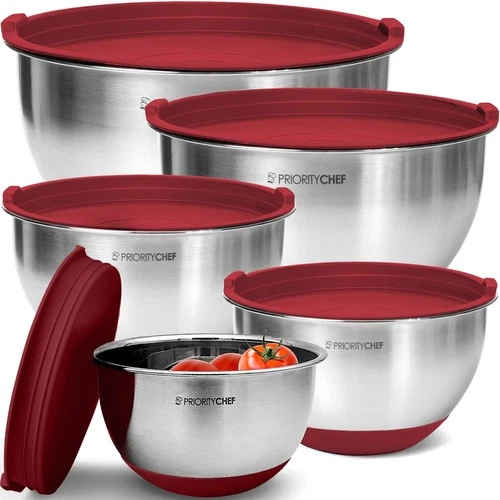
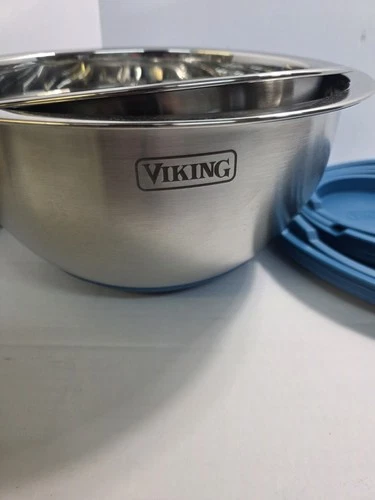
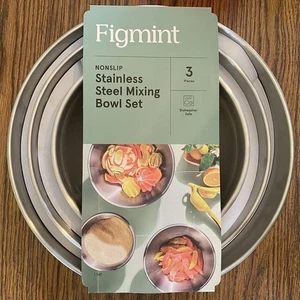
However, stainless steel bowls can be noisy when whisking vigorously, and they are typically not microwave-safe. While durable, they can dent or scratch if dropped or misused. Some cheaper models might also be quite thin, making them prone to warping. Look for sets with a good gauge of steel, like the , which are made with 33% thicker steel than industry standard for enhanced durability. For added stability, many modern stainless steel bowls feature non-slip silicone bottoms, as seen in the premium , which helps prevent the bowl from sliding around during rigorous mixing.
Glass Mixing Bowls
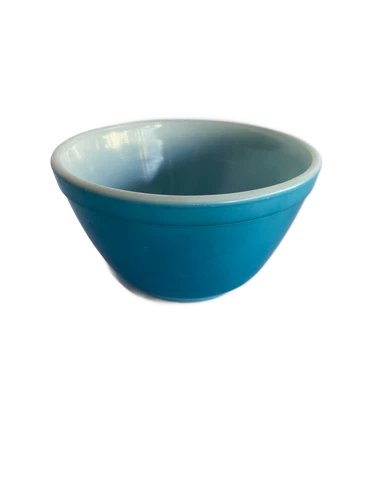
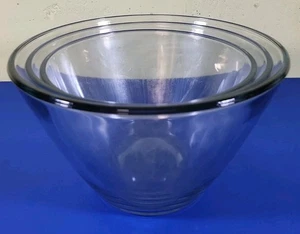
Glass mixing bowls offer a classic aesthetic and several practical benefits. Their transparent nature allows you to see the contents from all angles, which is incredibly useful for monitoring mixing consistency, especially when folding ingredients or ensuring everything is fully combined. Like stainless steel, glass is non-reactive and non-porous, meaning it won't absorb odors, stain, or react with acidic foods. A significant advantage is their versatility: most glass bowls are microwave and oven safe, making them perfect for melting butter, reheating sauces, or even baking certain dishes directly in the bowl. The vintage is a testament to the enduring appeal and functionality of glass ovenware.
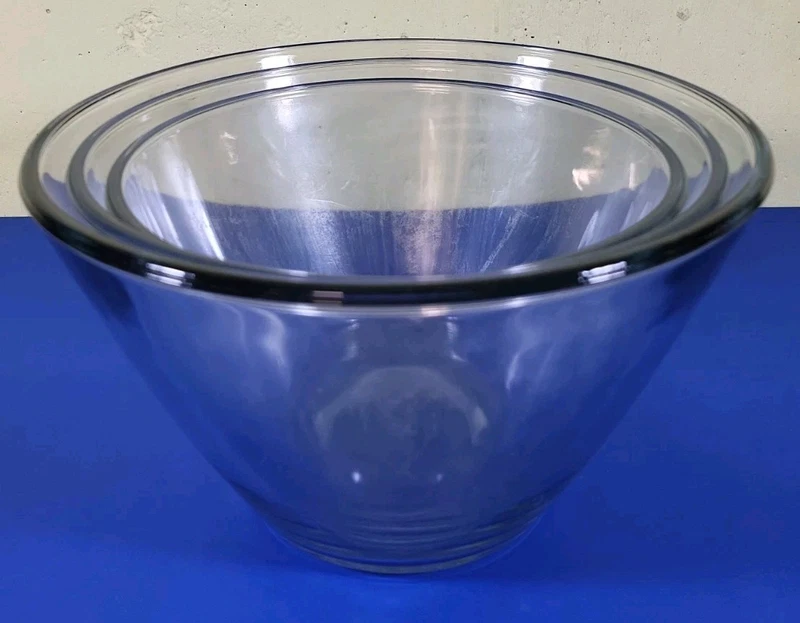
On the flip side, glass bowls are considerably heavier and more fragile than their stainless steel counterparts. A dropped glass bowl is likely to shatter or chip, and even a minor knock can lead to cracks. They can also be quite slippery, especially when wet, making a good grip essential. Despite their weight, they are often seen as more attractive for serving, transitioning seamlessly from prep to table. Many clear glass sets, such as the , offer excellent nesting capabilities for storage, even if they lack non-slip features.
Ceramic Mixing Bowls
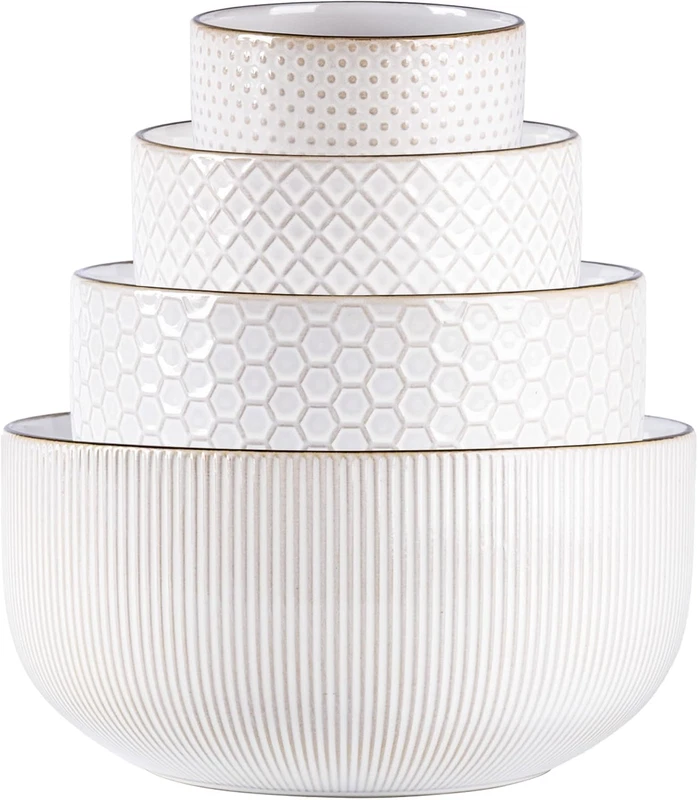
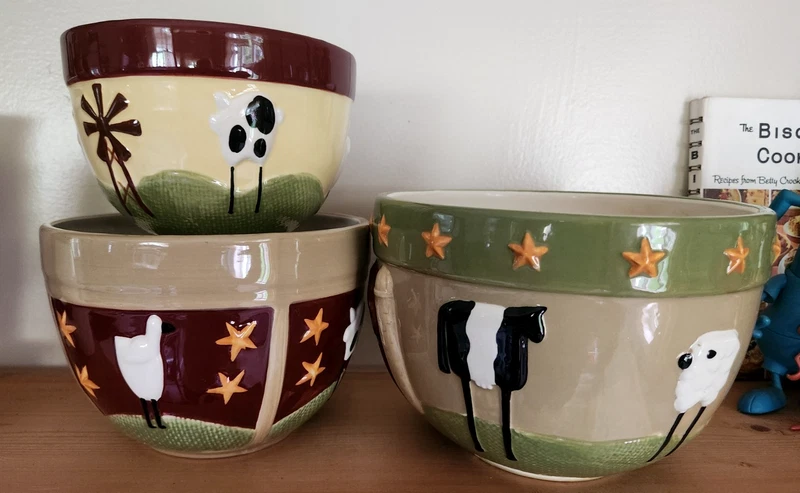
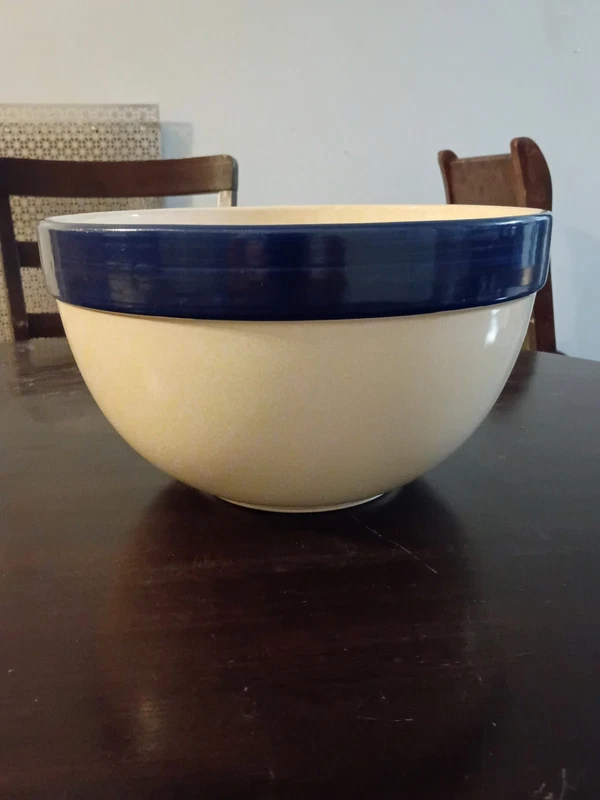
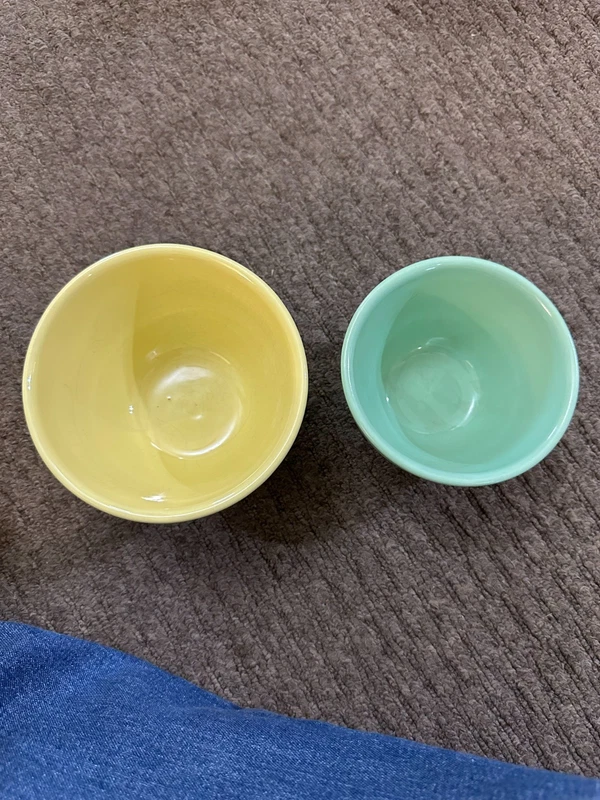
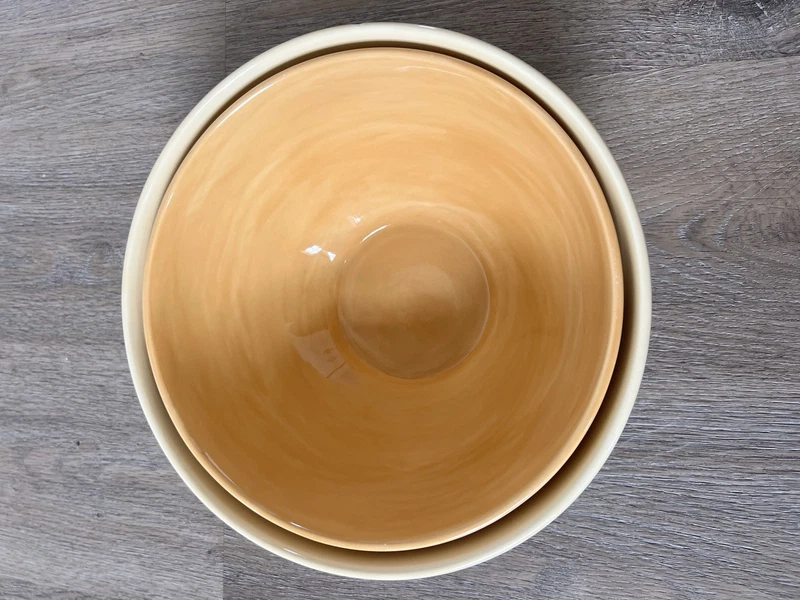
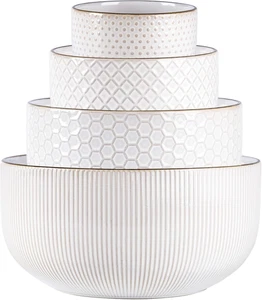
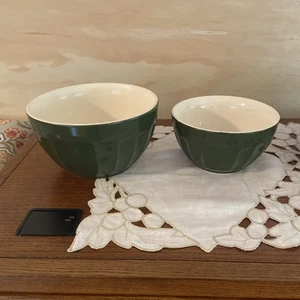
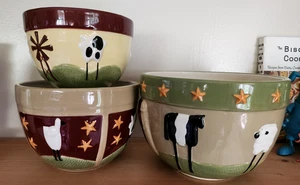
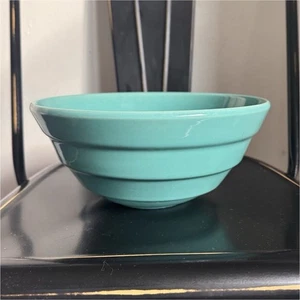
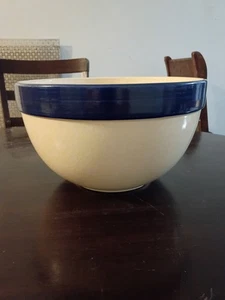
Ceramic bowls bring a touch of traditional charm and substantial stability to the kitchen. Their inherent weight means they stay firmly put on the counter during vigorous mixing, reducing the need for a non-slip base. They are often beautifully designed, making them ideal for serving as well as prepping. Many ceramic bowls, especially those made from stoneware, are microwave and oven safe, offering similar versatility to glass for cooking and reheating. Sets like the explicitly state they are microwave and dishwasher safe, highlighting their convenience. Brands like Crate & Barrel offer stylish options such as the , which doubles as decorative kitchenware.
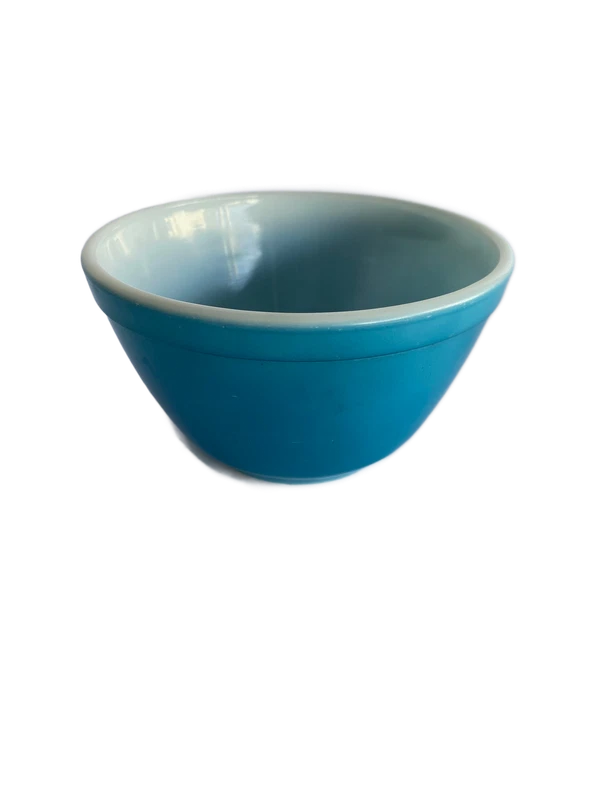
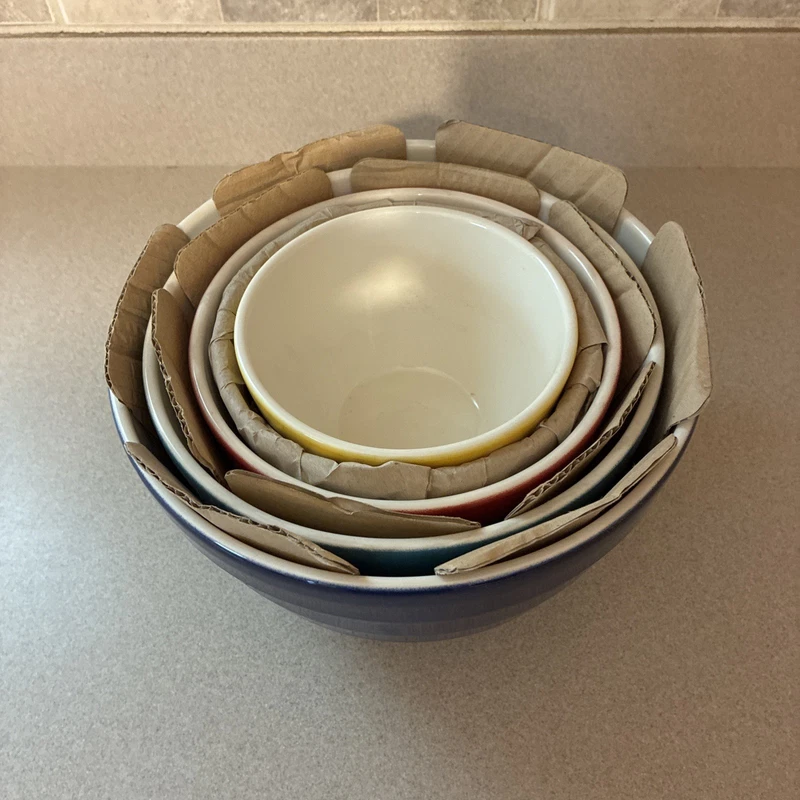
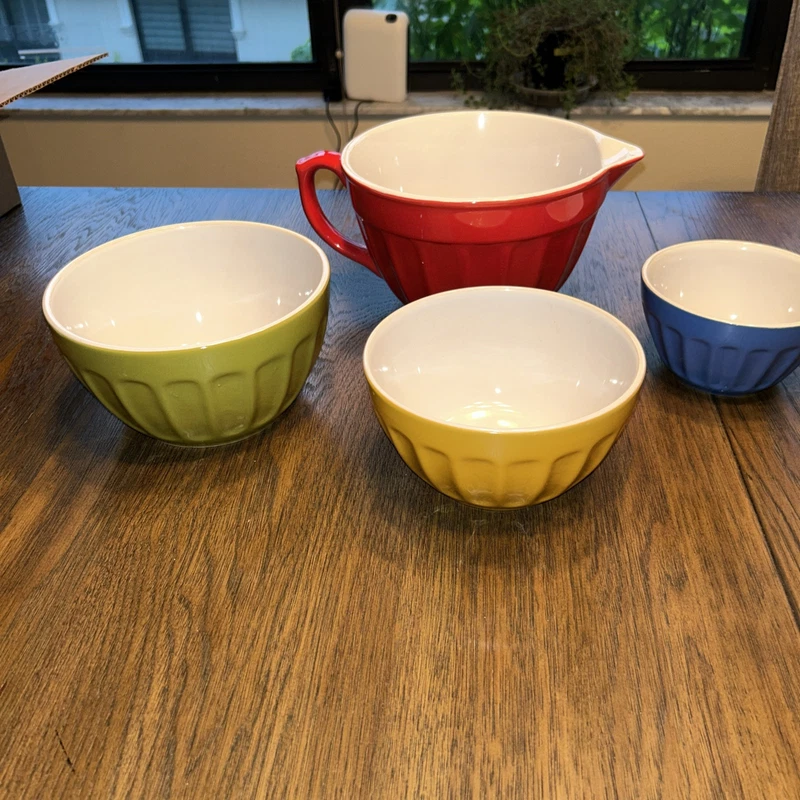
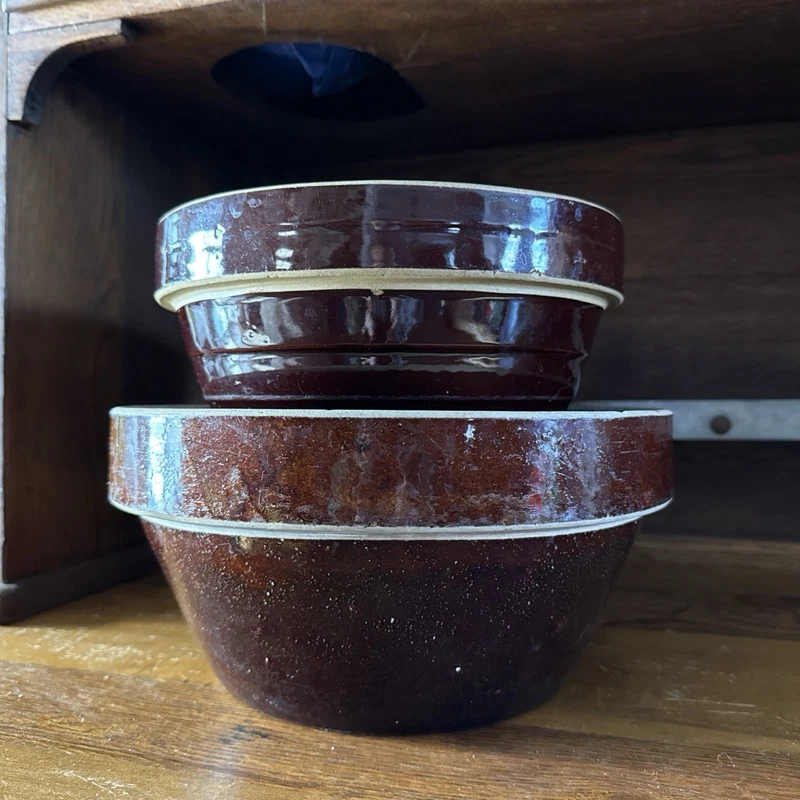
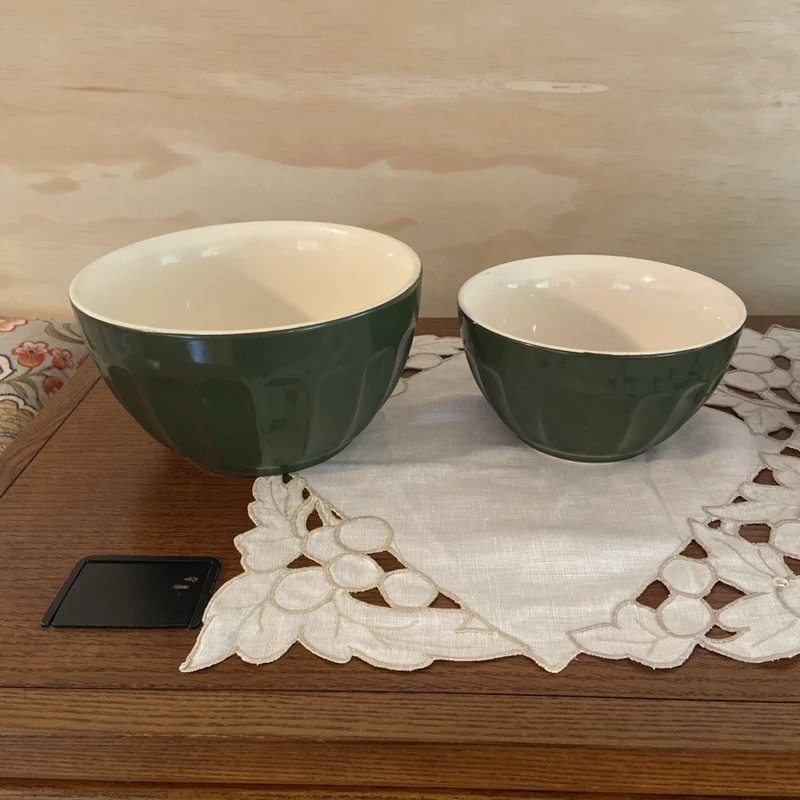
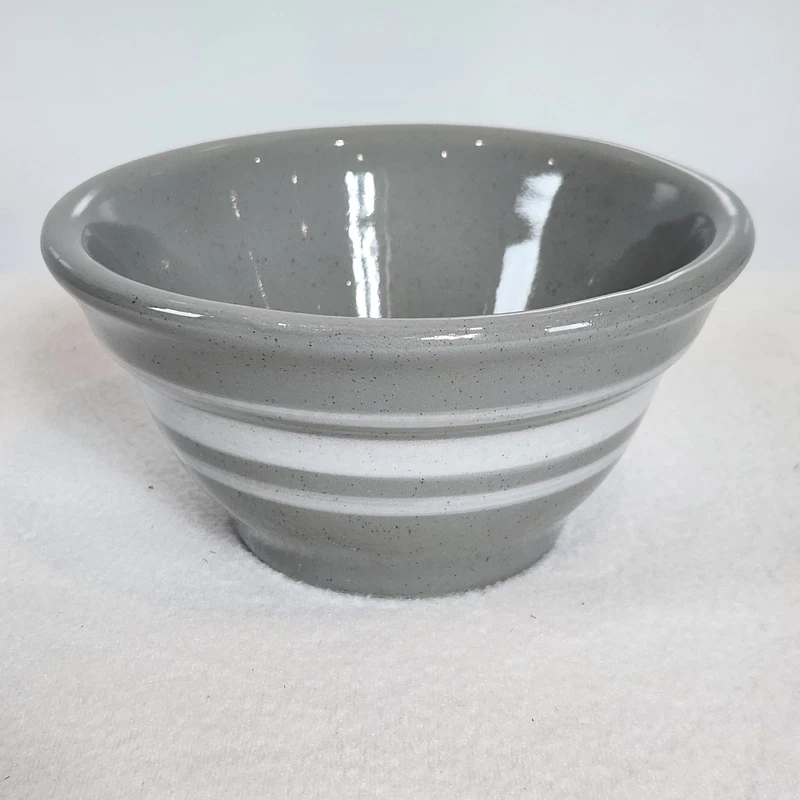
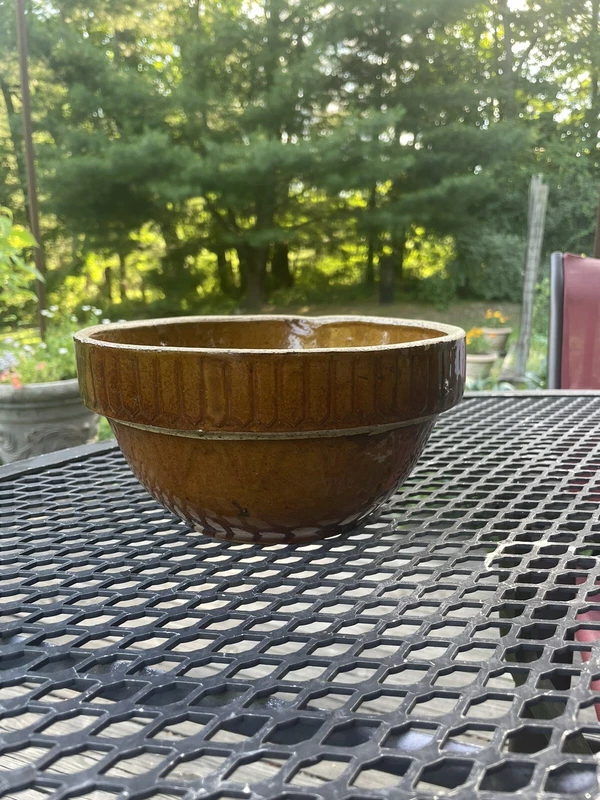
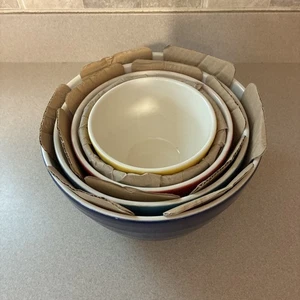
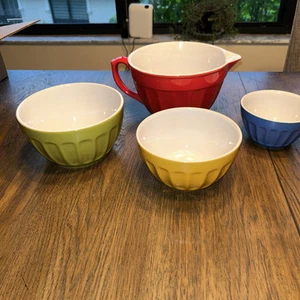
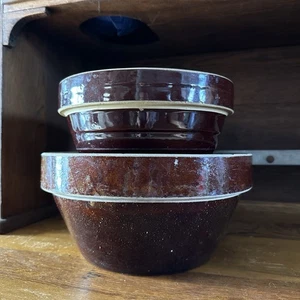
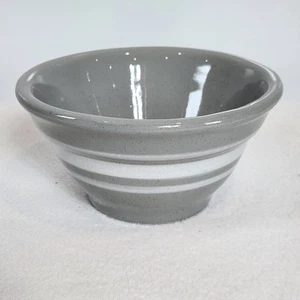
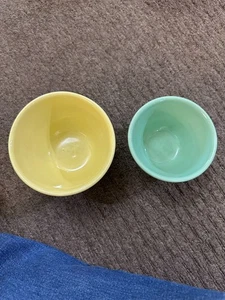
However, ceramic bowls are the heaviest and most brittle of the common mixing bowl materials. They are highly susceptible to chipping and breaking if dropped or handled carelessly. Their porous nature, if not properly glazed, can also lead to staining or odor absorption, though most modern ceramic bowls are vitrified or thoroughly glazed to prevent this. While beautiful, they can also be more expensive than other materials. Options like the provide a vibrant touch, while vintage pieces like the offer a unique, rustic appeal for those who appreciate character.
Plastic Mixing Bowls
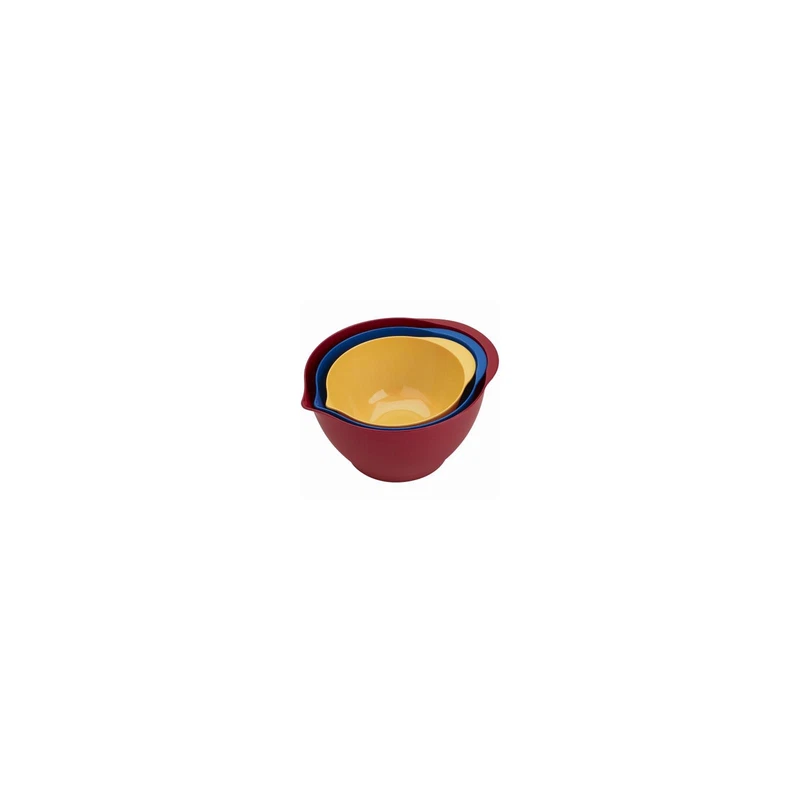
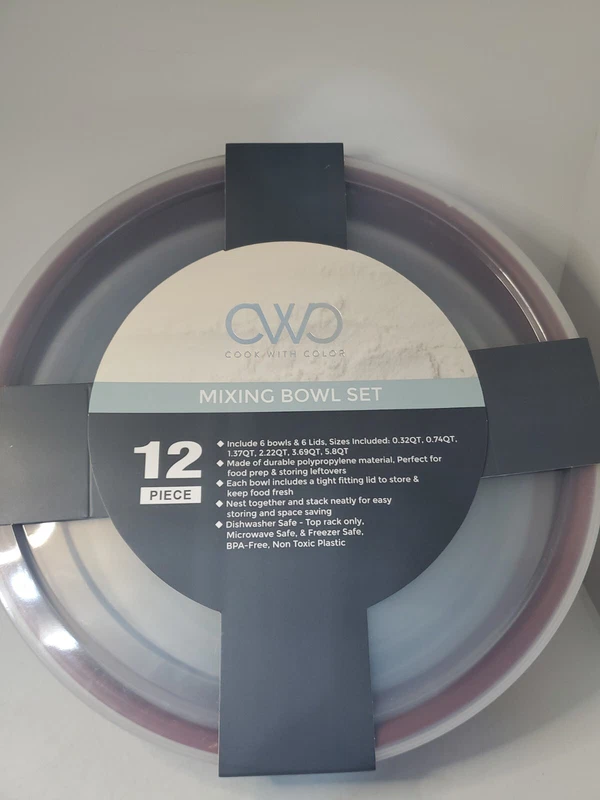
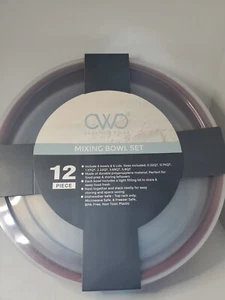
Plastic mixing bowls are the most budget-friendly and lightweight option, making them a popular choice for beginners or those seeking an economical solution. They are highly durable in terms of impact resistance – they won't shatter like glass or ceramic, nor will they dent like thinner stainless steel. Many plastic sets, such as the , come with a rubber ring for a non-slip bottom, a practical feature for stability. The affordability also often means you can acquire larger sets with more bowls and lids, like the , which includes six bowls and six lids for extensive prep and storage.
Despite their advantages, plastic bowls have several drawbacks. They are prone to staining, especially with foods like tomato sauce or turmeric, and can absorb odors over time. They scratch easily, which can create nooks and crannies for bacteria to hide, making them less hygienic in the long run. Most plastic bowls are not oven-safe and may not be microwave-safe (check manufacturer guidelines carefully, as some plastics can leach chemicals when heated). Over time, they can also become brittle or warp. They are best suited for light mixing tasks and cold food preparation where their lightweight nature is an advantage.
Silicone Mixing Bowls
Silicone, while less common for full-sized, standalone mixing bowls, deserves a mention due to its unique properties and increasing presence in kitchenware. When used for mixing bowls, silicone is celebrated for its flexibility, making it incredibly easy to pour batters and doughs without drips. It's also non-stick, which means ingredients release easily and cleanup is often a breeze. Silicone is lightweight, shatterproof, and typically resistant to a wide range of temperatures, often being safe for both microwave and oven use, as well as freezer storage. Collapsible silicone bowls are excellent for space-saving, a prime concern in many kitchens.
However, the very flexibility that makes silicone appealing can also be a drawback; some users find them too flimsy for vigorous mixing tasks, requiring extra support. They can attract dust and lint, and while generally non-staining, vibrant food colors can sometimes leave a trace. Pure silicone mixing bowls are less commonly found in comprehensive sets compared to other materials. More often, silicone is incorporated into other bowl types, such as the non-slip bases found on some stainless steel or even plastic bowls, to combine the best features of different materials. For example, the features a non-slip silicon bottom, enhancing the stability of the durable stainless steel.
 $129.99