Describing sound quality from listings alone is properly fraught, so we stay honest: everything here is what the real listings advertise — drivers, tuning and noise-control claims — rather than frequency curves we invented. Use your ears and a returns window before you spend big, wherever the seller offers one.
What the AirPods listings actually advertise
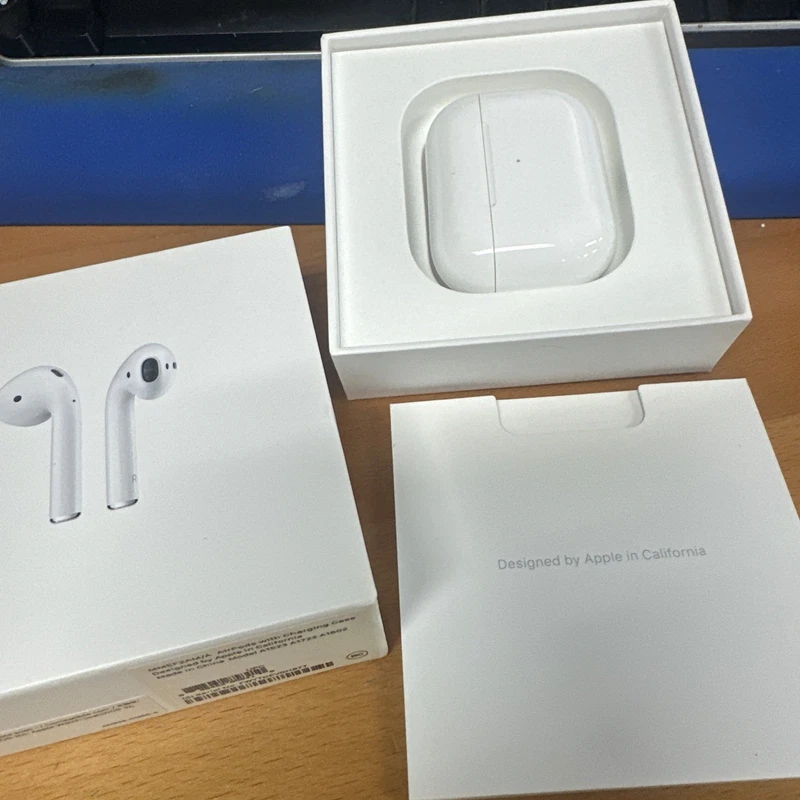
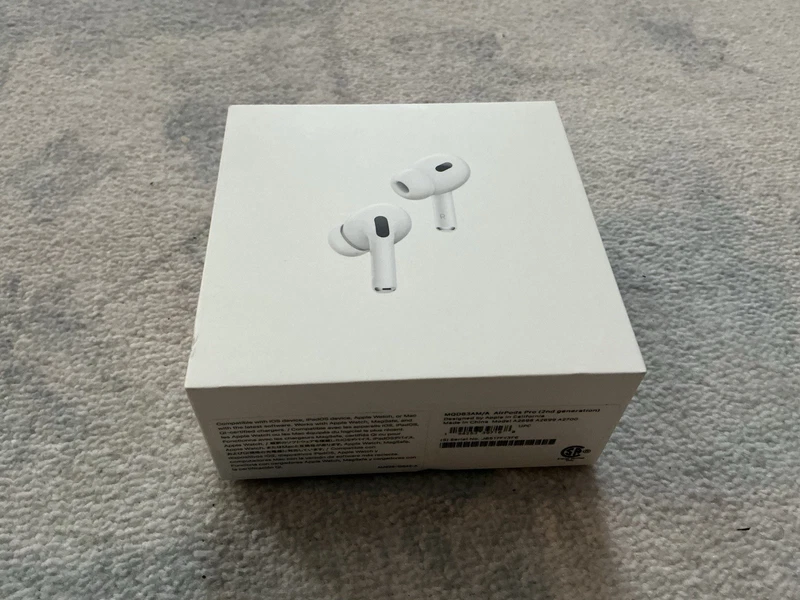
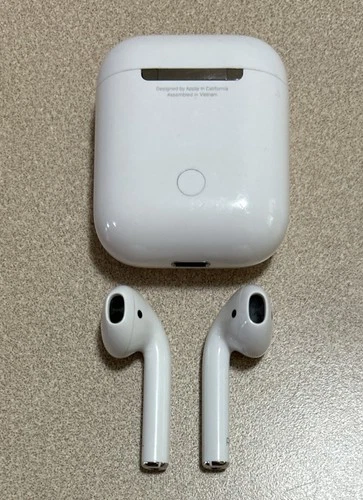
The is one of the two cleanest ANC buys on the Apple side, with the listing leaning on active noise cancellation, water-resistance and Bluetooth. Just below the Pro tier sits the classic at about $100 — open-fit Apple sound with no active cancellation, and a listing that carries a note we love seeing documented: the right earbud has a volume problem and the sale is as-is with no refunds. That kind of item-specific detail is the difference between an honest deal and a landmine, because the identical defect is silently present in plenty of cheaper AirPods listings that never mention it.
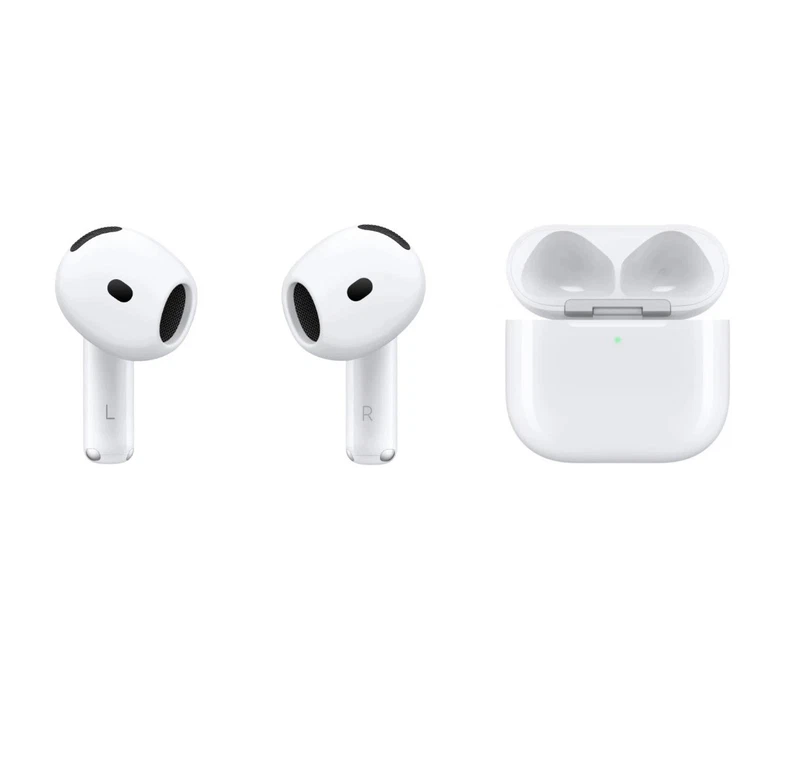
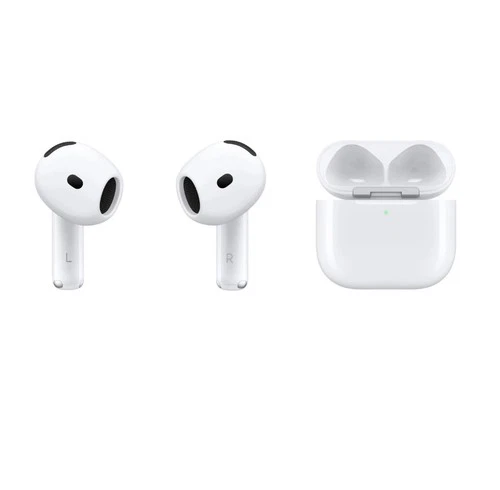
The modern noise-cancelling entry is the at about $46, which the seller states is tested and fully functional and connects normally with an iPhone. It gives you the current open-fit body with active noise cancellation for well under half the price of a new AirPods Pro 2 — a genuinely interesting middle option for people who hate silicone tips.
What the Galaxy Buds listings actually advertise
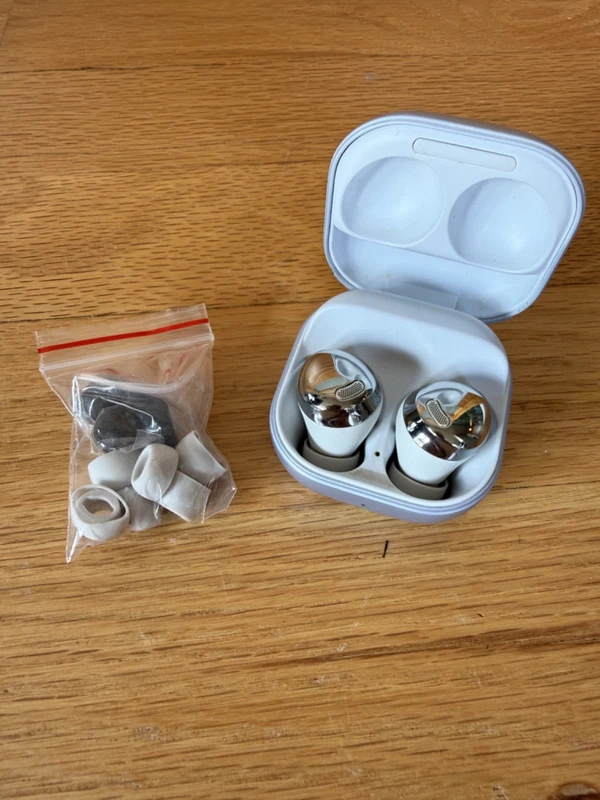
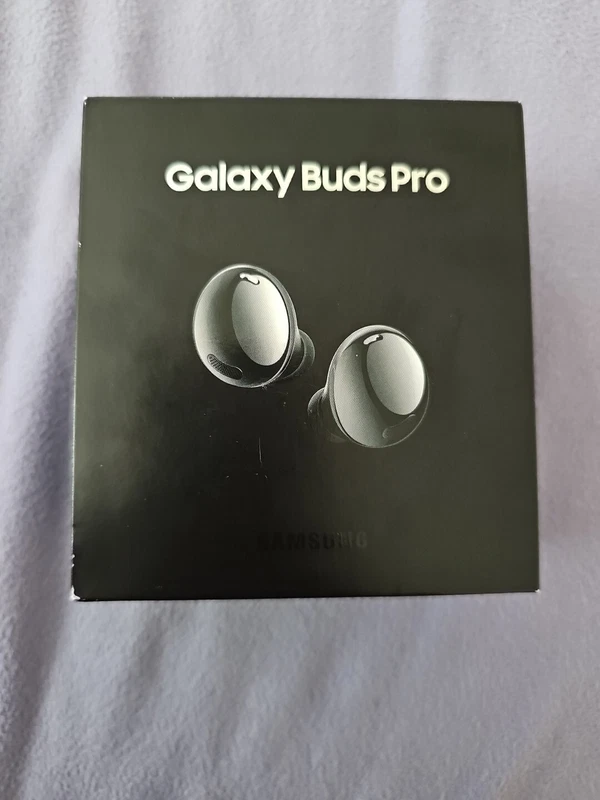
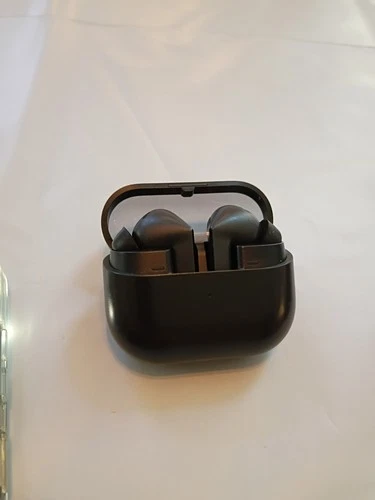
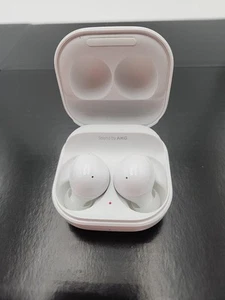
Samsung listings lean hard on the AKG tuning heritage and multi-driver flagships. The at about $90 spells out the 11mm woofer plus 6.5mm tweeter pairing feeding intelligent active noise cancellation — and the at $35 inherits the same dual-driver architecture for a third of the price. The at $45 and the at about $66 round out the sweet spot, and the at about $45 brings the same noise-cancelling promise plus a built-in microphone.
Transparency, mics and meetings
Nobody buys earbuds for calls and everybody ends up on calls. Both brands handle the basics with touch controls, built-in microphones and the tap-to-pause reflex, and the Pro-tier hardware on both sides advertises the ambient modes that let you hear a platform announcement without pulling a bud out. The realistic expectation from listings is identical: microphones work, voice calls work, and neither brand magically fixes a noisy cafe. If calls dominate your day, read the item-specific notes about mic condition on used units — the listings we linked either describe the mic as working or flag it, and the ones that flag it are the ones you want to approach with eyes open.
Sweat, rain and durability
Gym use is where the two families drift apart on paper. The AirPods Pro listings we found advertise water-resistance, and the Galaxy Buds Pro range does the same, which suggests the durability story is broadly similar at the Pro tier. Below that tier, treat cheap earbuds as sweat-permeable electronics: keep them dry, wipe them after hard sessions and let the memory-foam tip habit do the shock-absorbing legwork. If you run outdoors daily and drench your gear, we would happily steer you toward a slightly cheaper pair you can replace without feelings, because the used market will never be short of another $40 Galaxy Buds Pro.
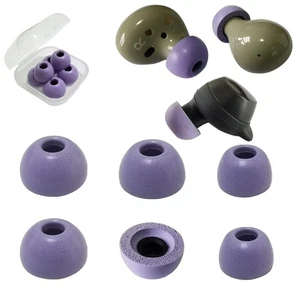
Hygiene deserves one more sentence because it is the invisible spec on every used pair. Earbuds go in the ear canal, which is warm and oily, and a used pair has inherited someone else's wax and habits. Whatever you buy, budget a few minutes and a soft, barely-damp cloth to wipe the tips, grilles and case before first use, and either replace the silicone tips or give them a soap-and-water clean. It costs nothing, it removes the ick factor entirely, and it makes a $35 used pair feel brand new for the asking price.






 $40