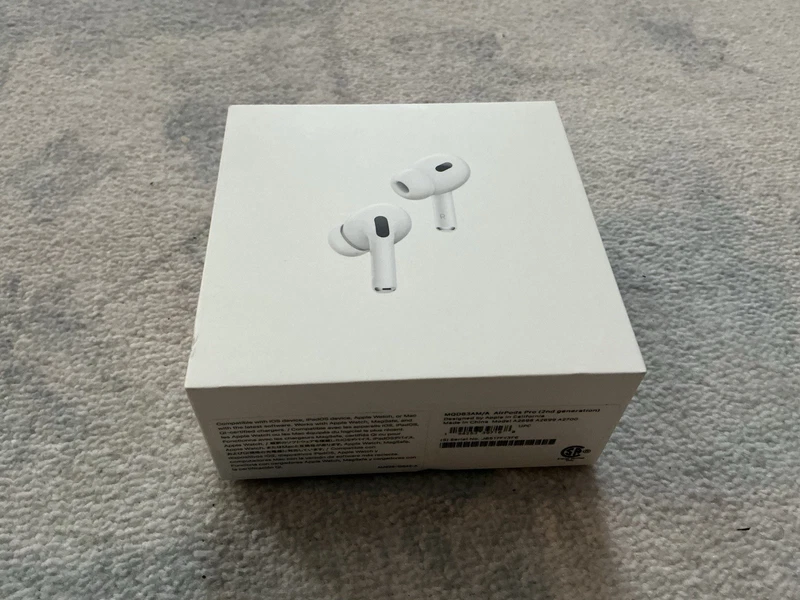
The first thing you notice is the seal. The silicone tips create a physical block that immediately quietens background noise before any electronics get involved, and the noise cancelling stacked on top does the rest. On a morning train, the rumble drops to a murmur; in a cafe, the music keeps its shape rather than fighting the espresso machine.
Active noise cancelling vs transparency
The two noise modes are the reason people stay with the Pro. In noise cancelling mode, the world gets politely turned down — office chatter, engine drone, the neighbour's lawnmower all recede without disappearing entirely. In transparency mode, the world comes back in clearly enough to hear a platform announcement or a conversation while the music keeps playing underneath. The trick most owners discover is that the two modes are not rivals; they are a commute-with-one-button pair. Switching between them on the stem becomes automatic about three days in, and this single feature is what separates the Pro experience from every non-ANC earbud in the drawer.
The controls: stem squeeze, not a tap
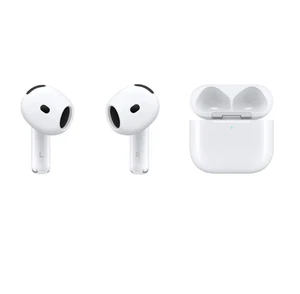
The physical layout is worth knowing before first use, because the controls live on the stem rather than on a touchpad. A squeeze switches between noise cancelling and transparency; a second squeeze pauses or answers; a quick double-and-hold cycles volume in iOS. New owners spend the first day squeezing the wrong part of the bud. By day three the reflexes arrive, and this is one of those interfaces that disappears once it is learned. The in-ear microphones also spend that first week listening to you more carefully than you listen to them, so run one test call before you rely on the pair in an important meeting.
Commutes, calls, gym and travel
On calls, the Pro pair is competent rather than magical. The microphone picks you up clearly in a quiet room, and the controls let you switch noise modes with a squeeze. In a windy street or a busy open office, callers will still hear the background — that is physics, not a defect, and it applies to every earbud in this class.
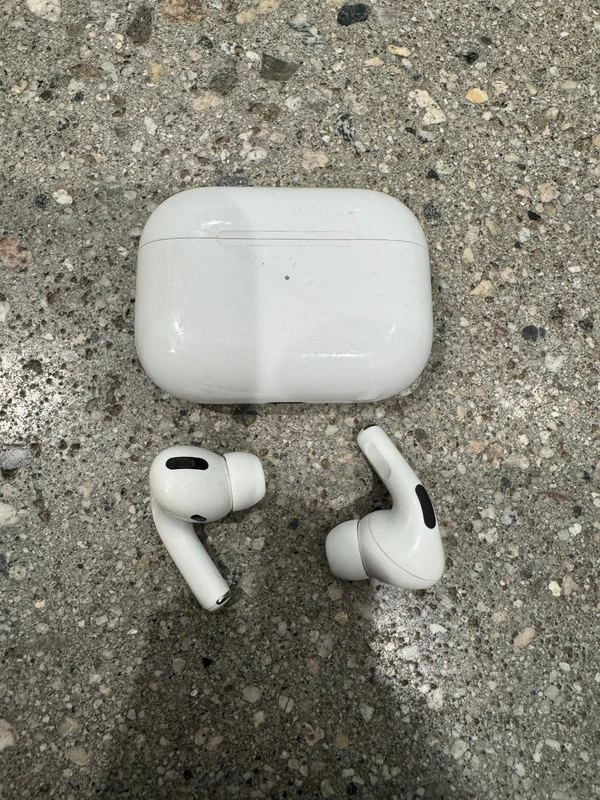
At the gym, the water-resistance that the listings advertise matters more than any single feature. Sweat and drizzle shrug off, the hold-stabilizing feel of the silicone tips keeps the buds planted during sprints, and any wear gets flagged honestly by sellers — our listing is the kind of condition note you want to see before buying used gym hardware.
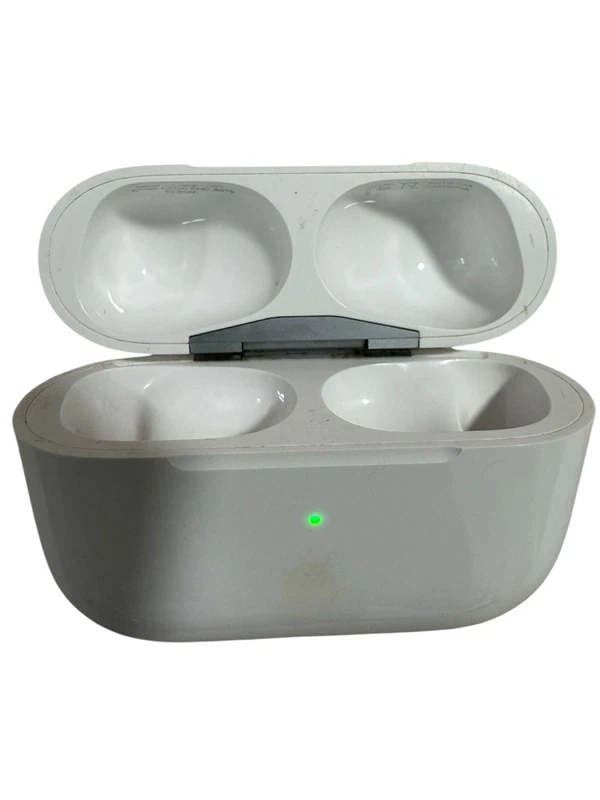
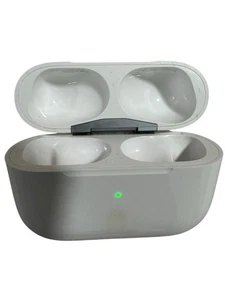
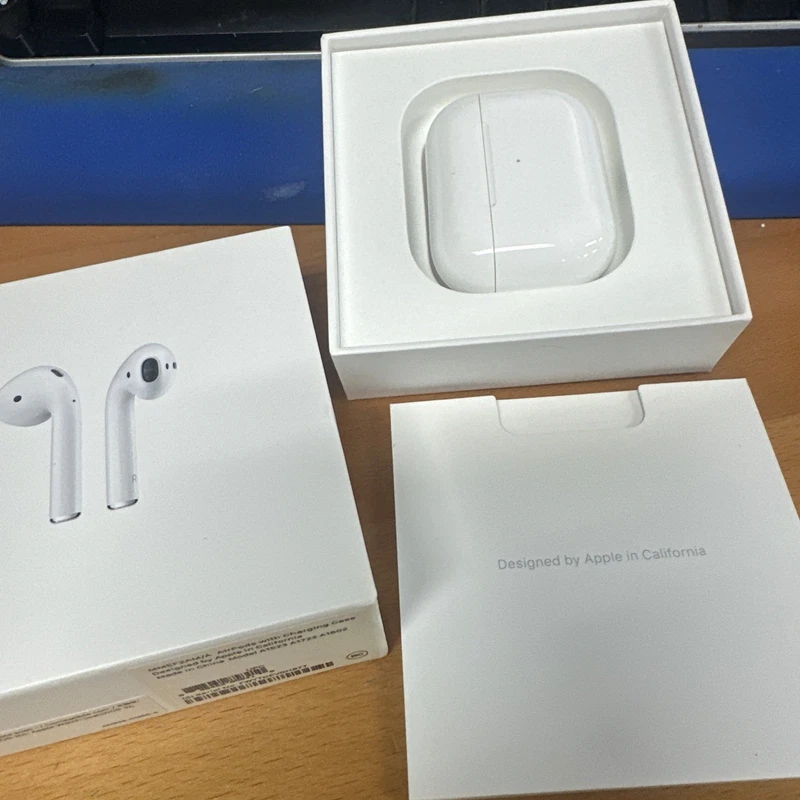
On a flight or a long coach ride, the case becomes the whole story. The wireless charging case — available as a standalone — tops the buds up between legs, and dropping the pod on a pad at an airport fixes lunchtime battery anxiety without hunting for a cable. Buy a pair with a healthy case and the travel experience is drama-free; buy a pair with a fading case and you will understand why the spare-case market exists at all.
The sound character
About the sound itself, set expectations from reality rather than hype. AirPods Pro are tuned to sound pleasant and exciting out of the box, with a warm bass presence that flatters pop, hip-hop and podcasts equally well. They are not flat reference monitors, and audiophiles chasing analytical detail will find balanced, good-natured sound rather than surgical precision. For 95 percent of daily listening — music on the move, YouTube, calls, audiobooks — that tuning is exactly what you want, and the noise cancelling multiplies the benefit. What you should not expect is that the Pro turns your phone into a hi-fi; it turns a noisy commute into a private listening room, which is a different and more everyday kind of magic.
Battery: the invisible variable
Battery shapes the daily rhythm more than any brochure number. Buds themselves last a few hours per charge; the case is the difference between always-running and always-charging. The and its USB-C counterpart both sit on wireless chargers, which makes the used-buying conversation simple: if a listing mentions a battery that fades fast, walk away or price a replacement in, because battery is the one component you cannot inspect in a photo.





 $80.0