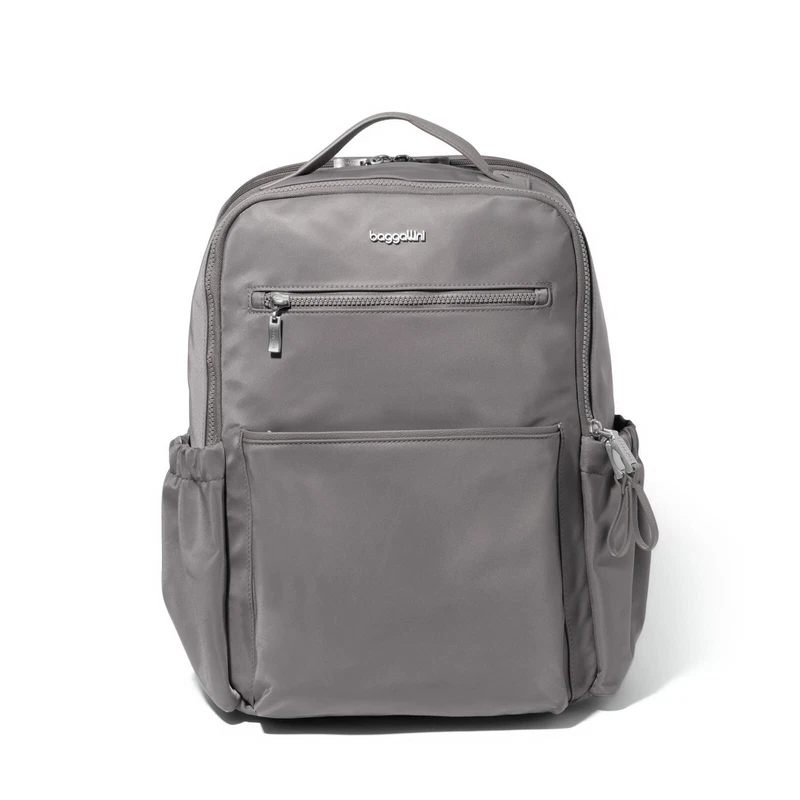
This is the size that solves the problem for the largest number of travellers, and it is the reason a 30 litre backpack is the default recommendation in every packing guide worth reading. It holds a genuine week of clothing, a 14 to 16 inch laptop, a full toiletries kit, a packing cube set and a pair of shoes, and it is still inside a standard carry-on allowance. Buy here and the decision is essentially made for you.
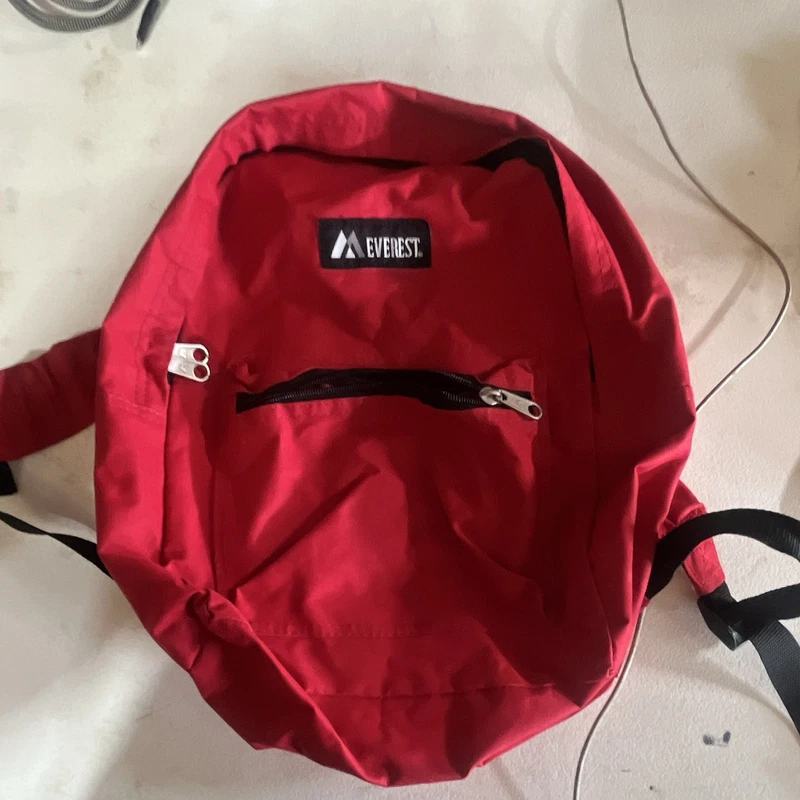
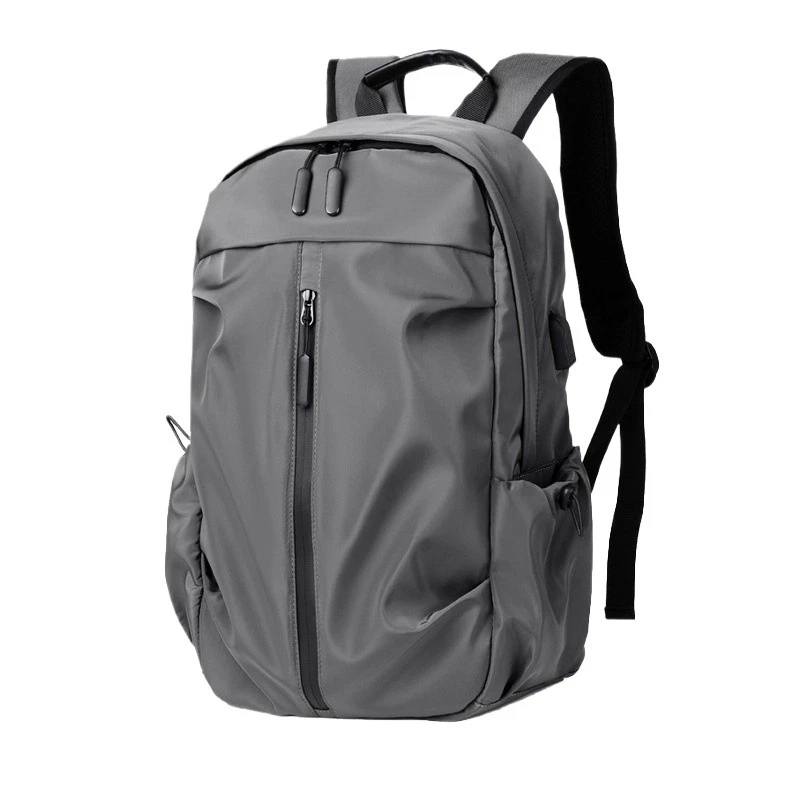
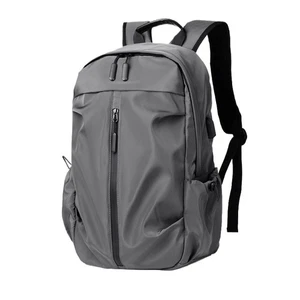
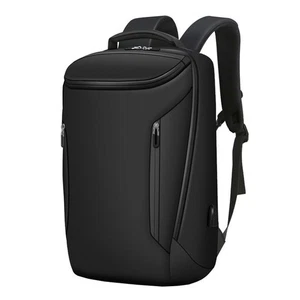
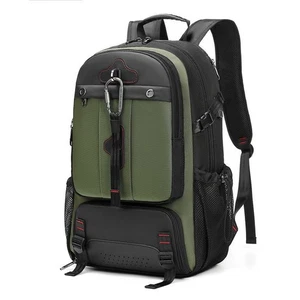
The at $35.47 is a good illustration of what the category looks like at the low end: multiple compartments for daily use, school, work or travel, and a durable oxford fabric described as protecting contents from light rain and splashes. Note the wording — light rain and splashes, not waterproof, and that is the correct claim for any fabric bag at this price.
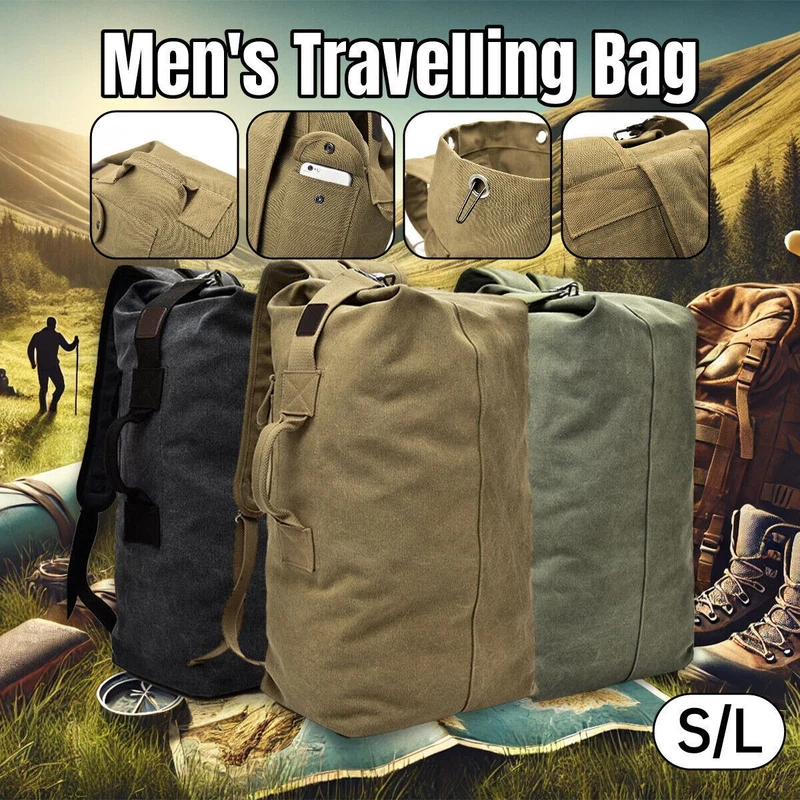
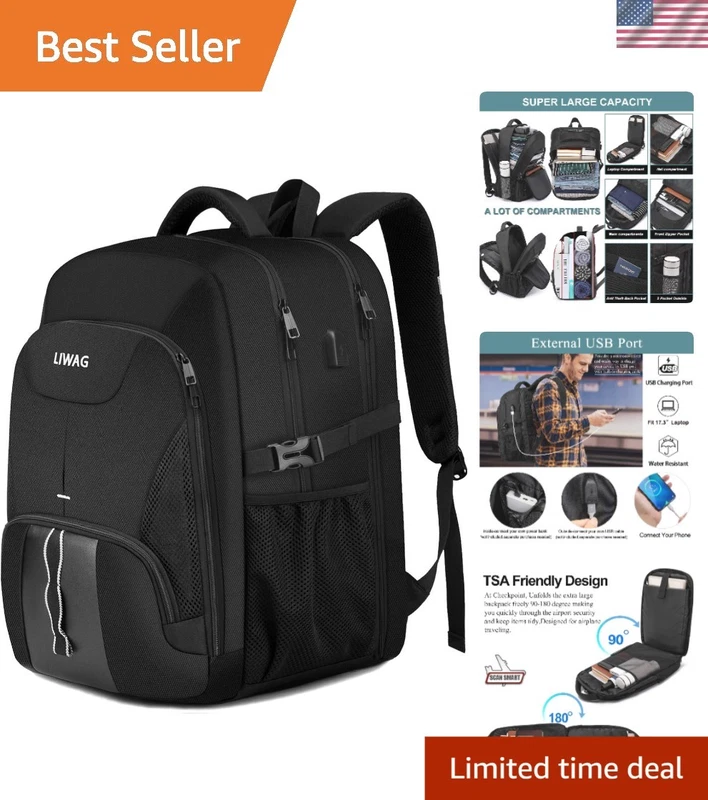
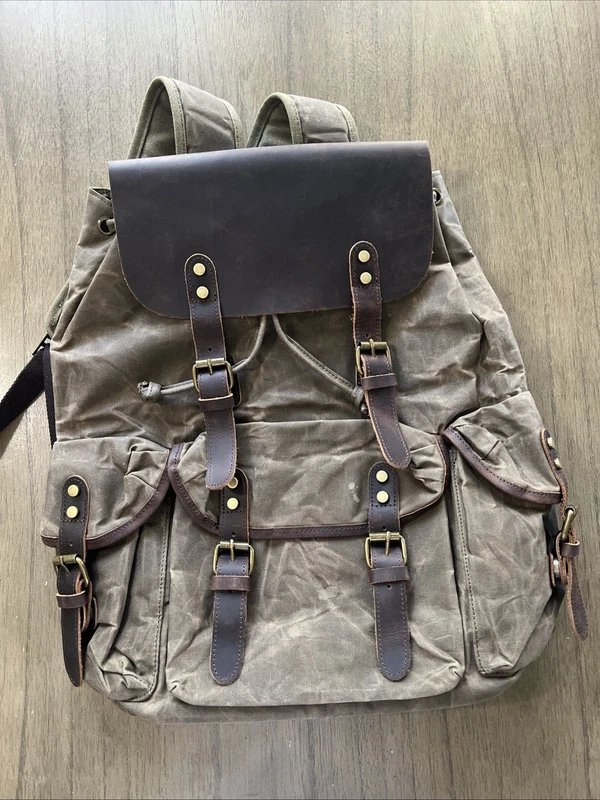
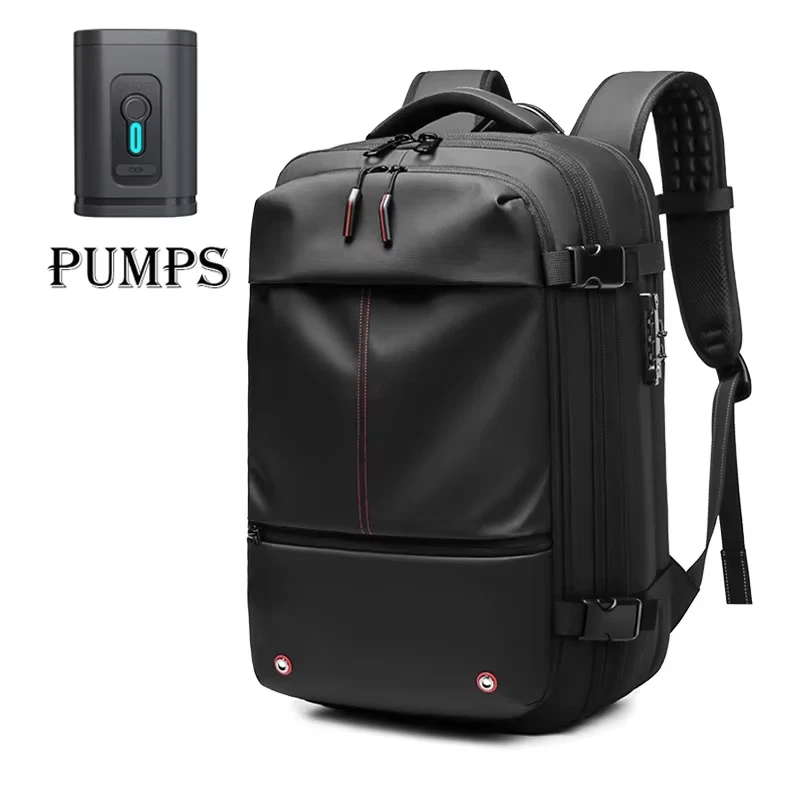
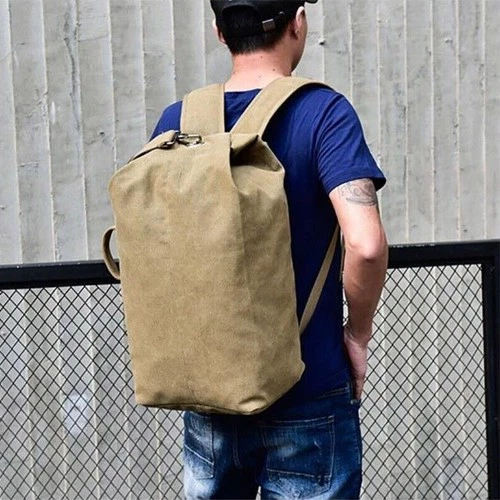
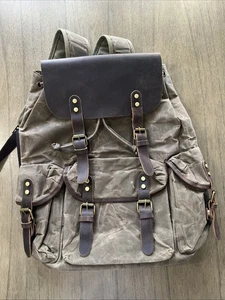
Two designs in this bracket are worth calling out for specific reasons. A at $43.19 is listed with twenty independent pockets and a 17.3 inch laptop compartment, which makes it one of the few bags here that will genuinely take a large machine rather than a 13 inch one. The trade-off is exactly the rule from earlier: twenty pockets is a lot of dividers, so much of the 43 dollars buys organisation rather than volume. A at $34.50 is the opposite approach — a rugged waxed canvas body with genuine leather straps and a large adjustable main size — and waxed canvas is a fabric that genuinely improves with handling and shrugs off rain.
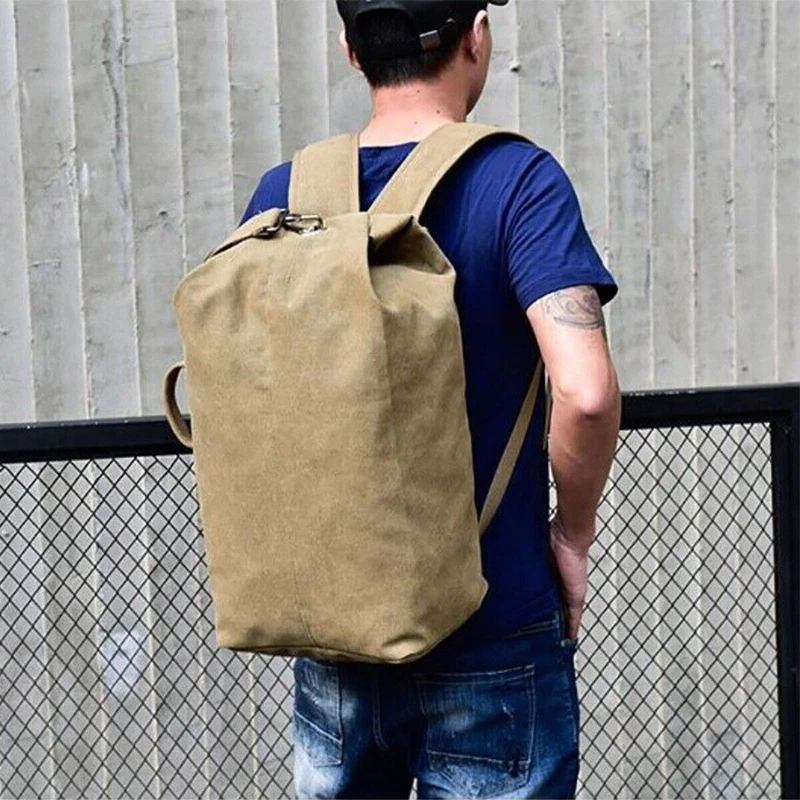
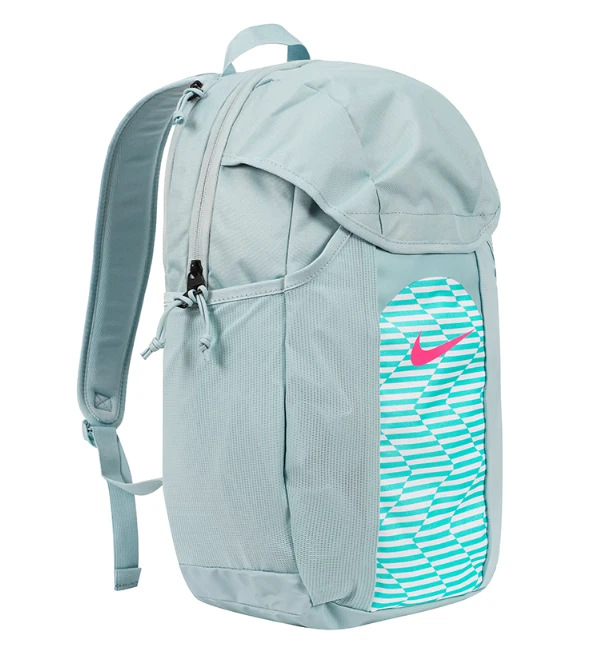
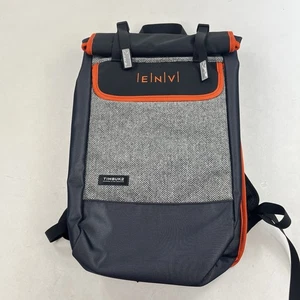
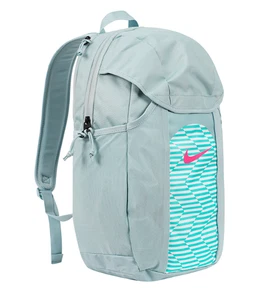
At the premium end of the middle, a at $49.99 is described in its listing as being in good clean condition with no holes or rips, with company logo embroidery. Roll-top is the format worth understanding if you have not used one: the top rolls down and buckles, so the opening can be made almost any height, which means the bag can be overfilled and cinched rather than forced shut with a zip. It is also why roll-tops are the most likely style to be waved through an airline, since the dimensions are compressible. The Nike at $95.00 is the same size class in a mainstream technical fabric — 90% polyester and 10% nylon, unisex adult sizing, listed for sports, travel and school use — and it is a fair example of paying for a recognised brand's harness and padding rather than for extra capacity.
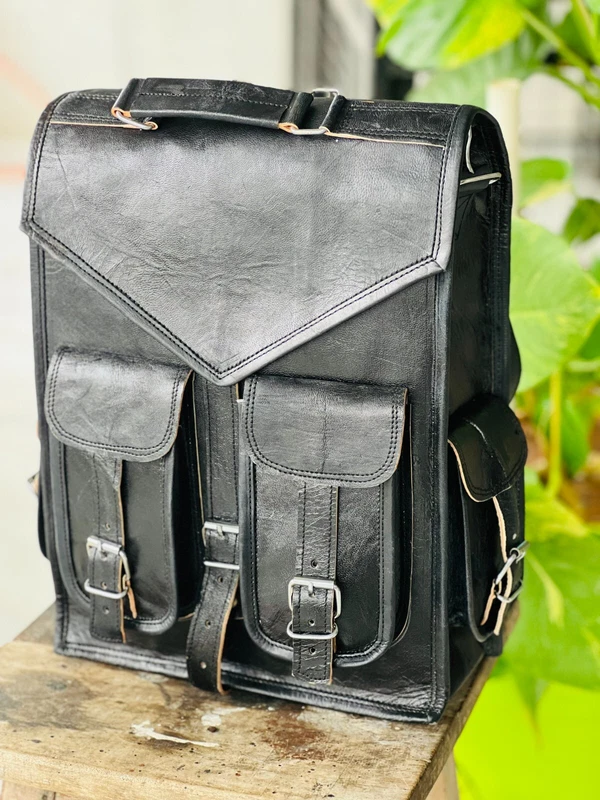
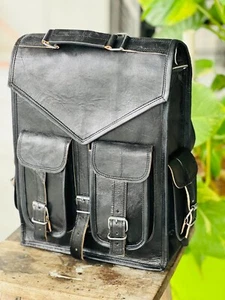
The leather end of this bracket is where the value is, with the caveat that leather is heavy. A at $83.68 is listed with a waterproof membrane material and anti-theft features alongside a large capacity, and a [brown leather laptop backpack satchel and rucksack that converts between backpack and messenger](product:335742107511) at $79.29 is built from real goat hide with a 70 inch convertible shoulder strap and three compartments. Leather is a good answer if you want one bag that ages well and looks less like sports equipment, and a bad answer if you are near an airline weight limit or want the bag to disappear under an aeroplane seat.
Laptop fit: the four numbers that decide it
Most people get this wrong because they read the laptop size on a listing as a screen measurement and assume it means the same thing as the diagonal on the back of the machine. Usually it is close, and the difference is about an inch. Four numbers determine whether a bag will actually take your computer.
- Internal height — the usable depth of the sleeve itself, not the bag. A 14 inch laptop is roughly 12.5 inches wide and 9 inches tall, so the sleeve needs at least 9.5 inches of height once padding is counted. A bag quoting a 15 inch laptop is usually describing a sleeve that genuinely fits a 15 inch machine, and a bag quoting nothing is usually fitted for 13.
- Sleeve width and padding — thin machines slide into a sleeve, thick ones do not. A 16 inch gaming laptop with a heavy chassis is a different fitting problem from a thin 16 inch ultralight, and sellers almost never distinguish between them.
- Sleeve depth — a sleeve 2cm deep takes a thin laptop only. A padded sleeve of 4 to 5cm takes nearly anything up to the quoted size, and that padding is a large part of why a heavier bag weighs what it does.
- Access route — a sleeve opening at the top means taking the bag off your back at every security queue. A sleeve that opens to the side or front, or a back panel that hinges open, is the feature that actually makes a laptop bag usable. It is rarely mentioned and it is the one you will appreciate most.
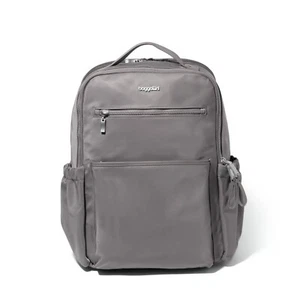
Apply that list to the two laptop-specific bags in this bracket and the difference is clear. The wins on internal height and sleeve capacity, because 17.3 inches is a large quoted figure and the listing claims twenty compartments, which implies a real sleeve rather than a flat panel. The carries no laptop specification at all in its listing, so treat it as a bag you would slide a small tablet into rather than a machine bag. And if your laptop is 17 inches, stop reading this bracket and go to the 40 litre category.





 $50.17