Rarity: how often it was printed
Rarity is the pull rate within a set. A card printed in every booster will stay common however nice the artwork is. A card printed in a fraction of a percent of packs will hold value regardless of what the current market is doing.
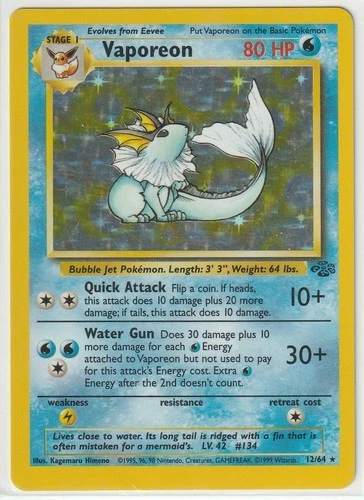
Within most modern sets the tiers run roughly: common, uncommon, rare or holo, then secret rare, then the chase cards at one pull per case or so. A is an older single at a meaningful collector price, while a is a promo variant, and promos are printed separately and never appear in ordinary boosters.
Foil and finish
Holo means the card carries a holographic layer. It is a printing feature rather than a quality tier — plenty of very common cards are foil, and a few extremely rare cards are not. Special finishes such as textured, mosaic or raised foil sit above a standard foil and are limited to specific cards in a set.
The practical rule: foil adds visual appeal and a modest premium when the card is otherwise desirable. It does not make a common card valuable.
Condition
Condition is where a surprising amount of money is made and lost. Cards from the 1990s and earlier in good condition command real premiums, because supply is finite. Modern cards are almost always near-perfect out of the pack, which is why they trade much closer to their raw rarity value.
Corners, surface wear, print lines and whitening all matter. A card that has been out of a sleeve and handled has usually lost more value than its age suggests.
Grading: what the holder does
Grading is the single most misunderstood topic in the hobby. A third party inspects the card, assigns a numeric score out of ten, and seals it in a tamper-evident case. The score becomes permanent because the card can no longer be handled.
For older cards in genuinely good condition, grading turns an unverified card into a liquid, verifiable one — and that is where the money is. The is the kind of card where the difference between raw and graded is not marginal. Grading a modern common card, by contrast, costs you the fee and gives you back a card worth a few dollars.
Grading also takes weeks and you pay per card, so submitting a batch you are not confident about is the most reliable way to lose money.


 $25.0


