Bowl capacity is the one spec you cannot work around. Everything else — motor power, speed control, attachments — is an optimisation. If the bowl is wrong, the whole machine is wrong. So work out your largest realistic single batch first, then add a margin.
The 3 to 4 quart tier: dessert and meringue only
Small machines are real appliances, not toys, but they have a narrow job. A 3 quart bowl mixes a single cake, a dozen cupcakes, whipped cream, icing and meringue without trouble. It is also the size at which dough stops being realistic. There is simply not enough room for a bread recipe to hydrate and expand.
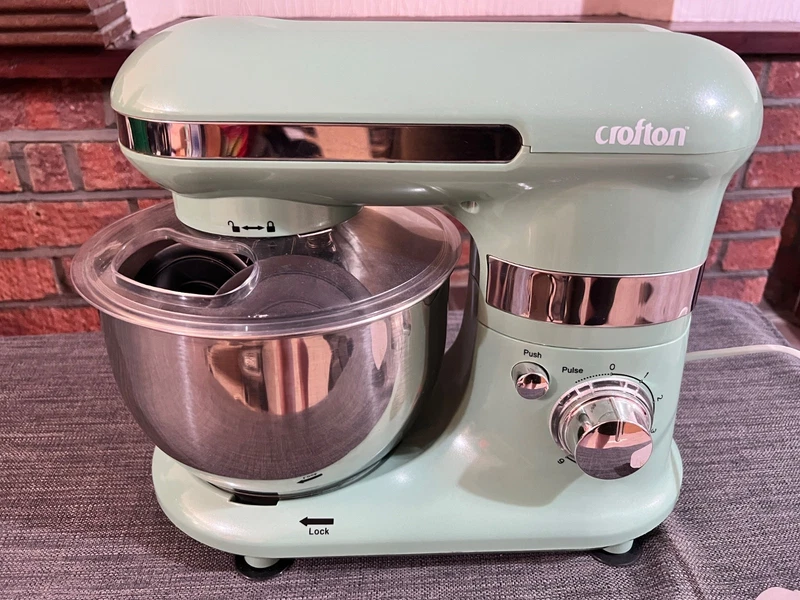
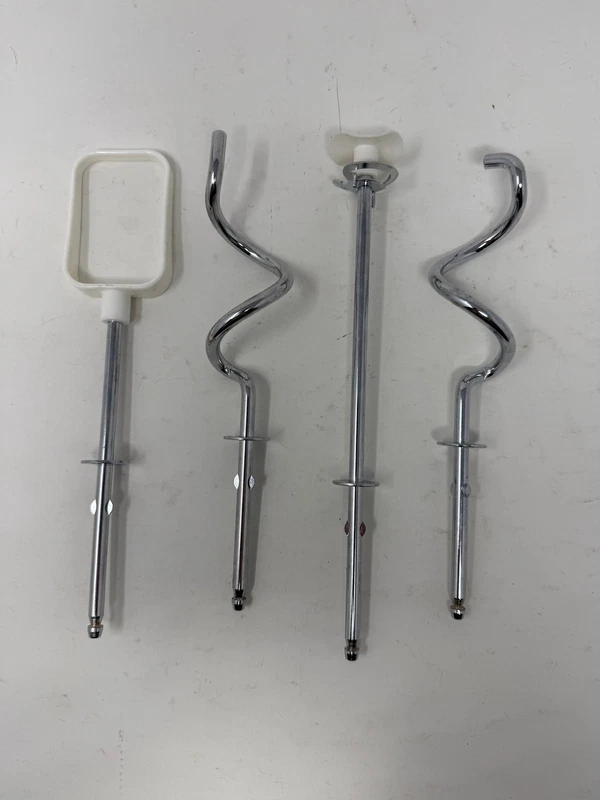
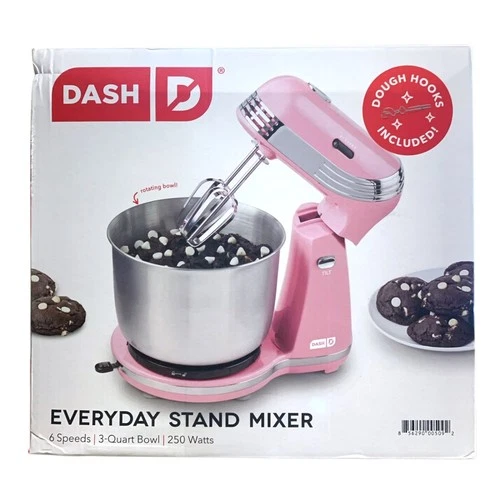
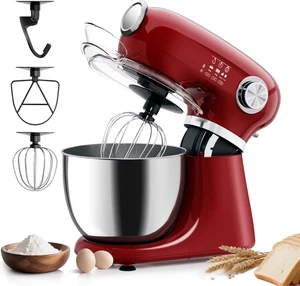
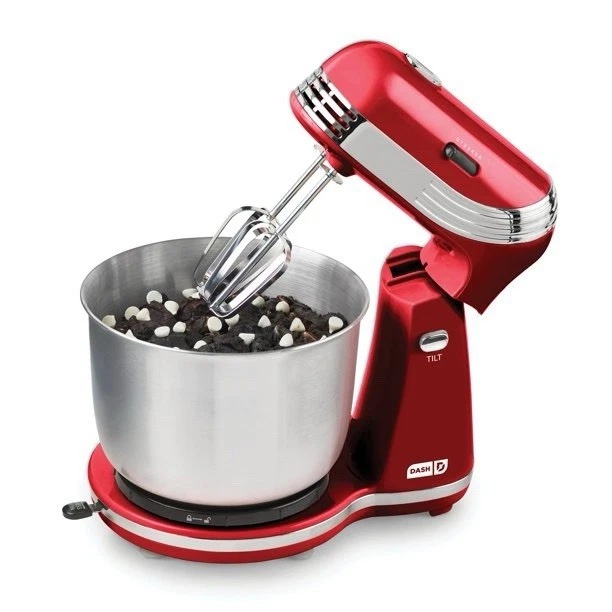
Two examples from the current listings: the is listed new at $89.98 and comes with a stainless bowl, two beaters, two dough hooks and a recipe guide, with a rotating bowl for even mixing. The is new at $74.99. Both are compact, both are honest little machines, and both are the wrong answer if your instinct is to bake bread.
The 4.5 to 5 quart tier: the home baker default
This is the size most people should buy, and it is where the used market is deepest. A 4.5 to 5 quart bowl handles a full loaf of yeast bread, a double cake batch, a batch of cookies with headroom, and enough mashed potatoes for a family dinner. It is also small enough to push against a backsplash, which matters in a real kitchen.
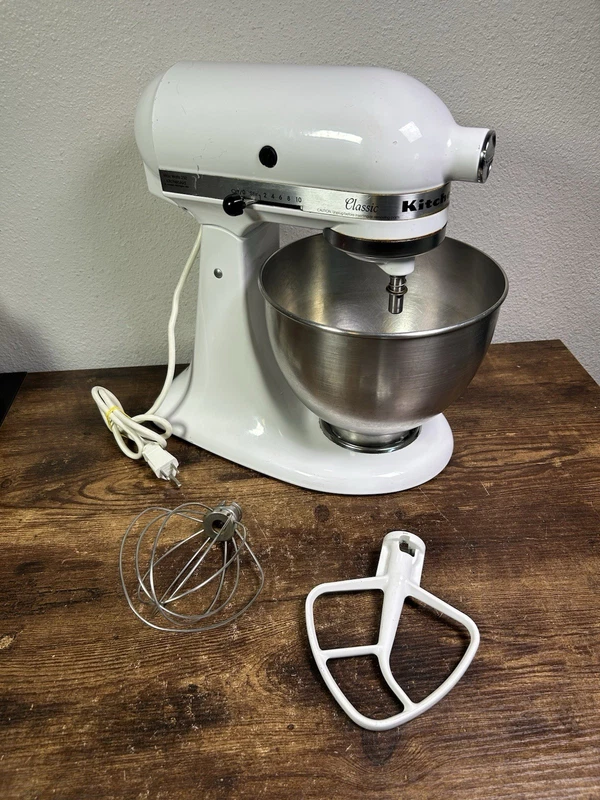
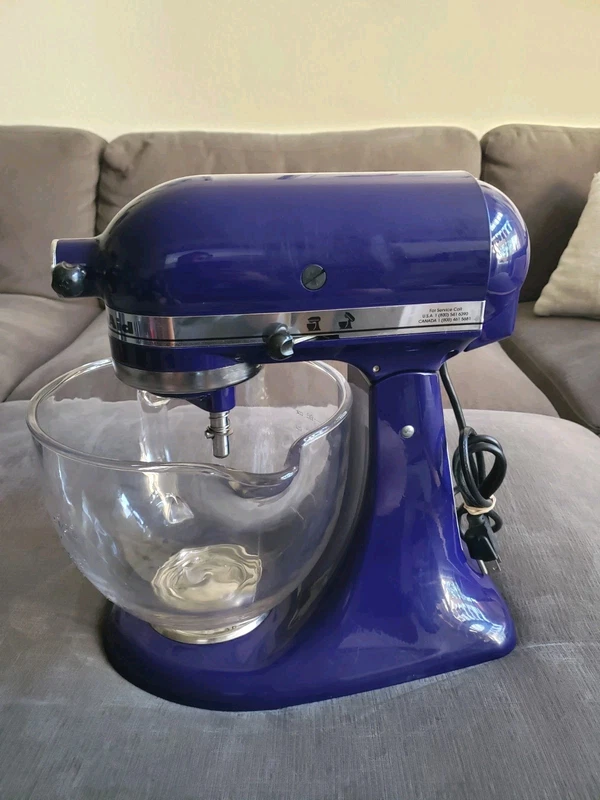
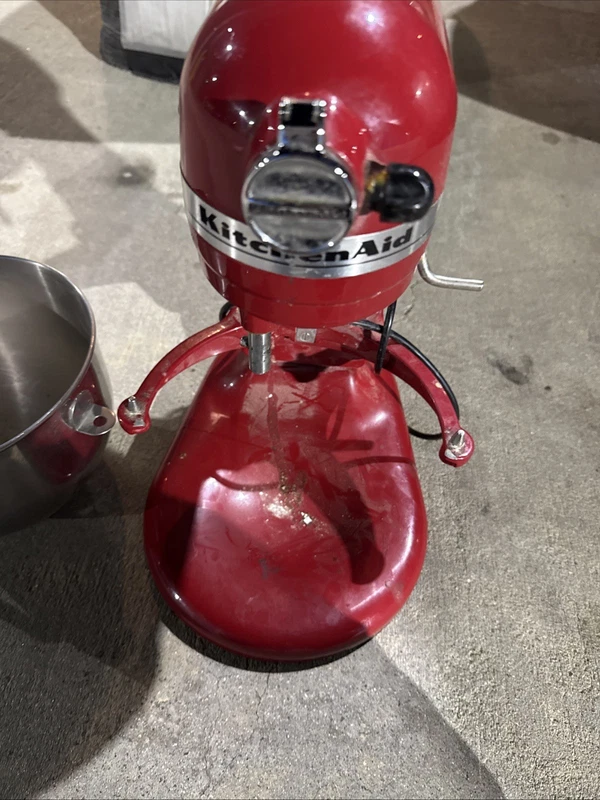
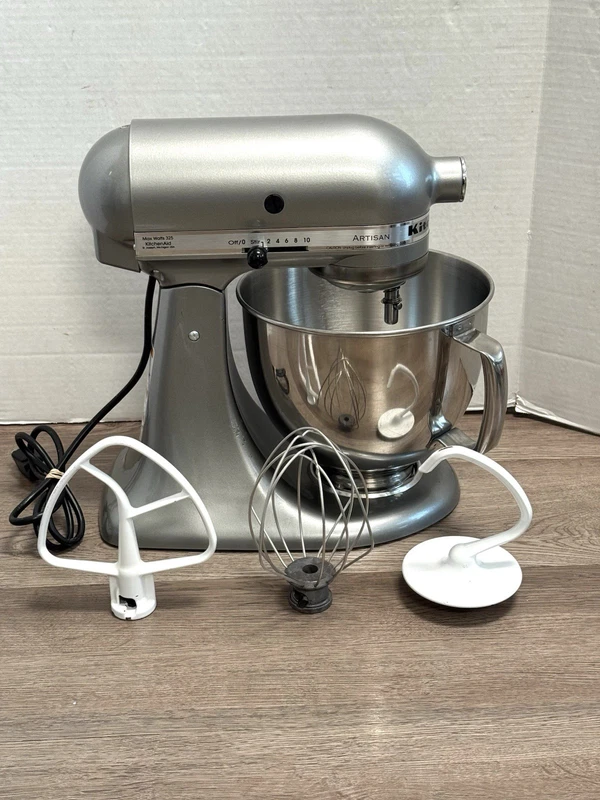
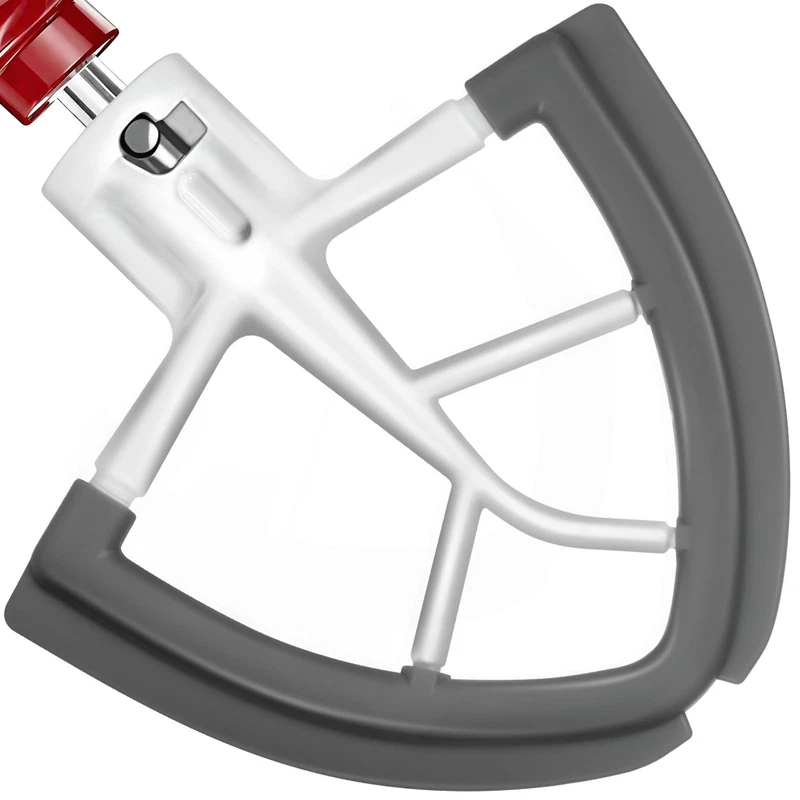
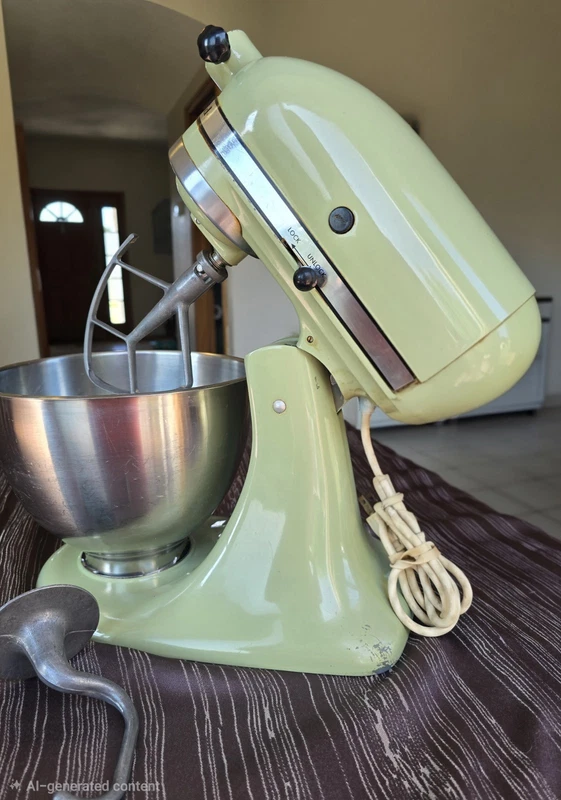
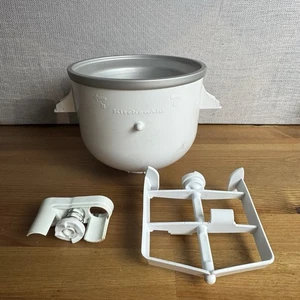
The used listings show how much variance there is in this bracket. There is a at $56.00 used, with a flex edge beater and multiple components included. There is a at $119.99, sold as tested and working with scratches, scuffs and paint flaws disclosed. And there is a at $179.99, described as pre-owned and fully cleaned with water staining and scuffs and no attachments. Three very different price points for the same basic machine, which tells you most of what you need to know: the price is about condition, colourway and whether attachments come with it, not about capability.
The 6 to 7 quart tier: batch baking and wet mixes
Six quarts is where you can make a full double batch of cookies, a large loaf, or a serious quantity of something wet without scraping the bowl three times. A 7 quart bowl handles a big batch of focaccia or a sticky, high-hydration dough that a 5 quart machine will simply overflow.
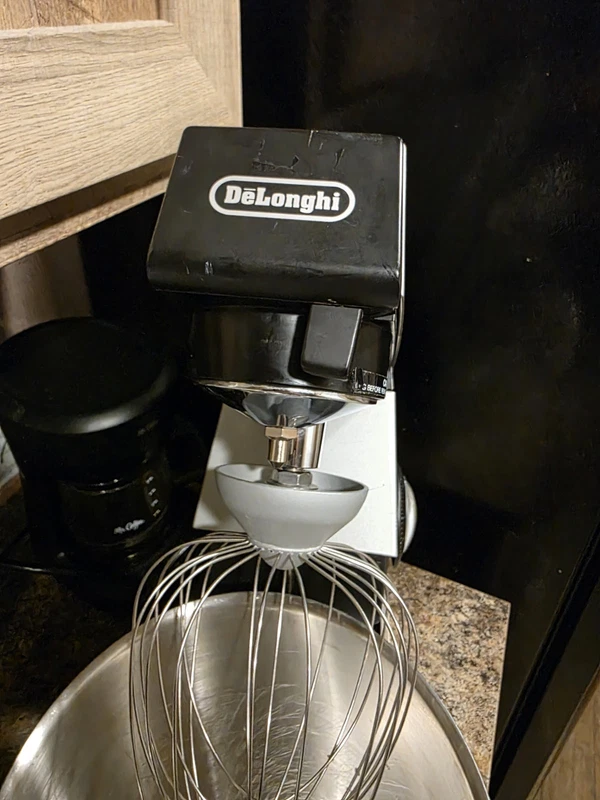
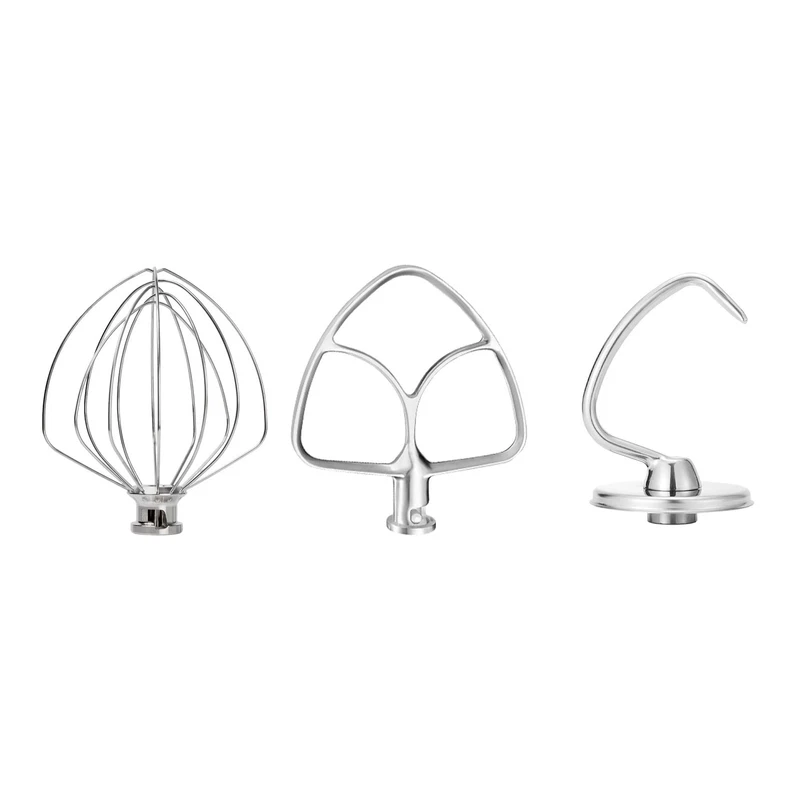
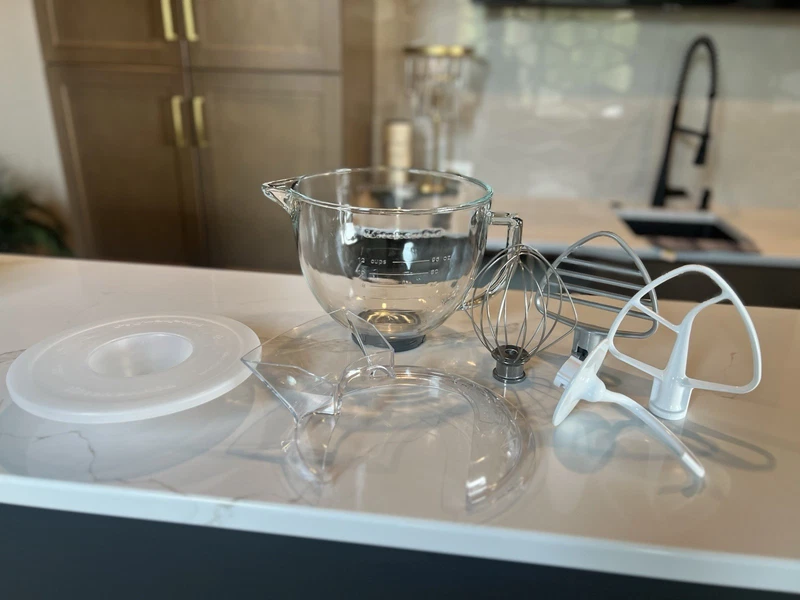
There is a clean example live right now: a at $159.99 used, described as working perfectly with a 7 quart bowl and two attachments as pictured. There is also a at $131.99 new, with a 12 speed controller, a pulse function and a 500W motor, and a at $45.75 new — a striking price, though the listing does disclose that the stainless steel bowl is slightly bent at the rim. That disclosure is the kind of honesty you want to see. Check the rim carefully before buying; a bent bowl is cosmetic on a modern coated bowl but a real crack risk on cast iron.
The 7 to 8 quart bowl-lift tier: the volume buy
Bowl-lift machines exist for people who bake in volume — several loaves at once, stiff enriched doughs like brioche and croissant, bagel batches, or a small food business. The head stays locked in place and a lever raises the bowl into it. It is mechanically stronger because the head is not carrying the weight of the whole assembly in a tilted position, but it is taller, deeper and considerably more expensive.
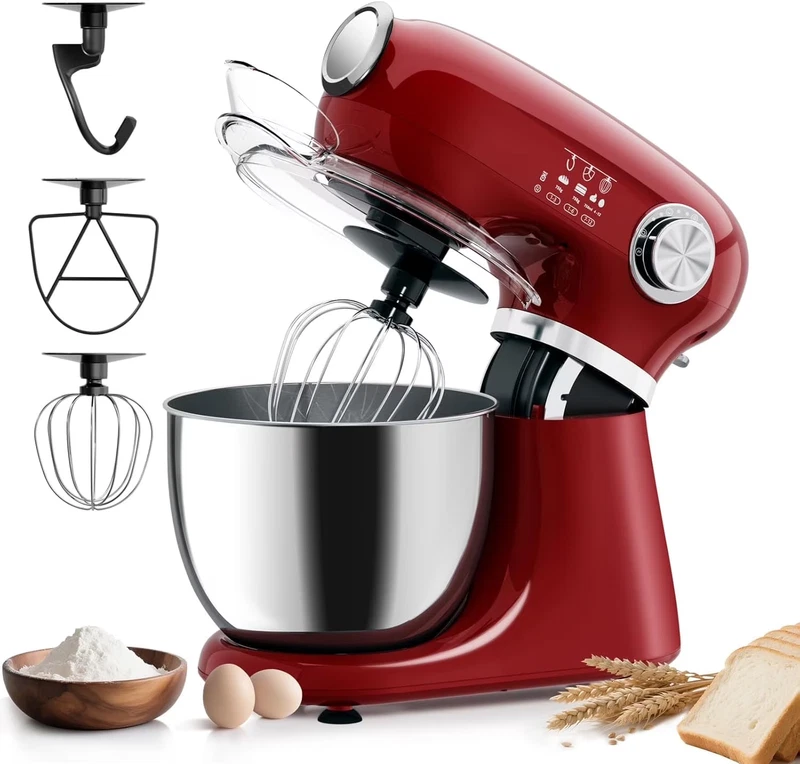
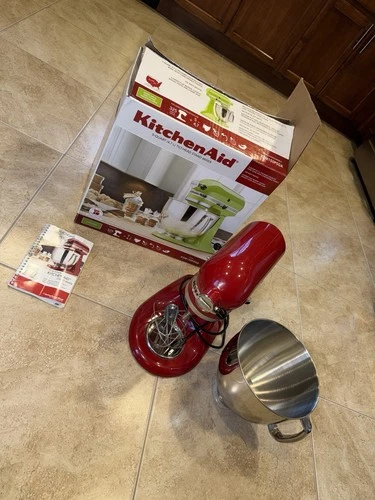
A used is listed at $208.00. The description notes a 475W motor, a steel body and a glossy red finish. If you are cross-shopping the big-bowl models specifically, our Artisan versus Pro stand mixer review is the right next read.






 $89.98