




 $15.18
Mini Sponge Filter for 0.5-5 Gallon Tanks
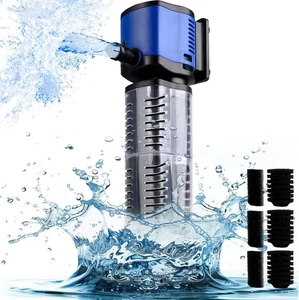
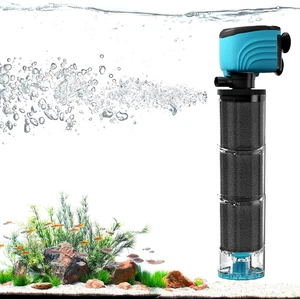
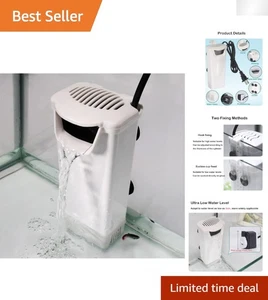
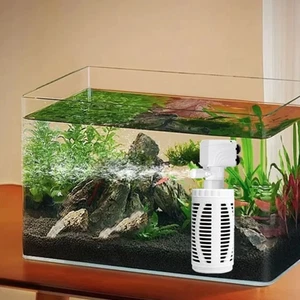
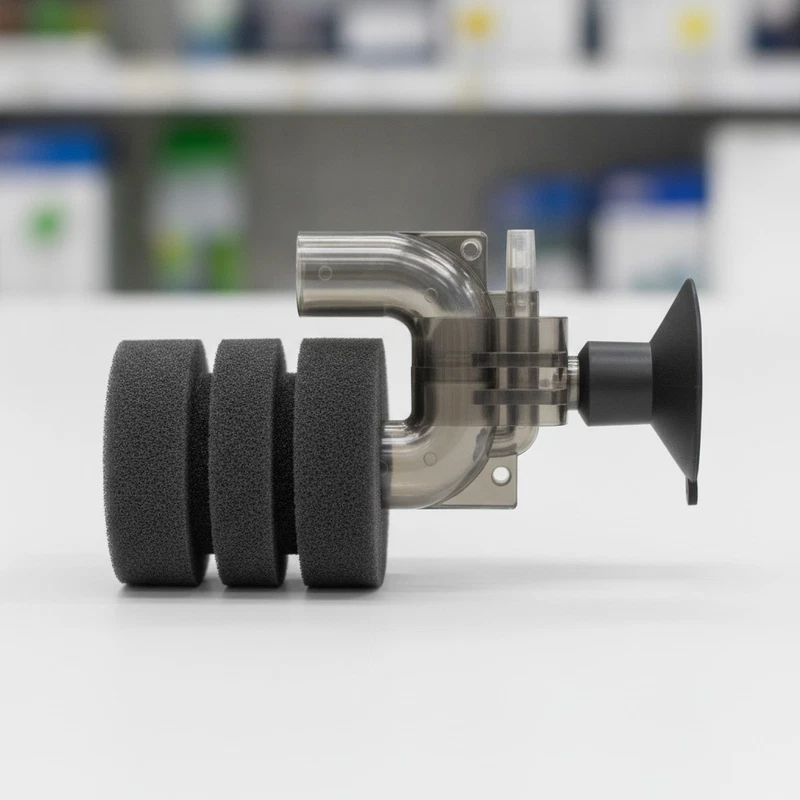
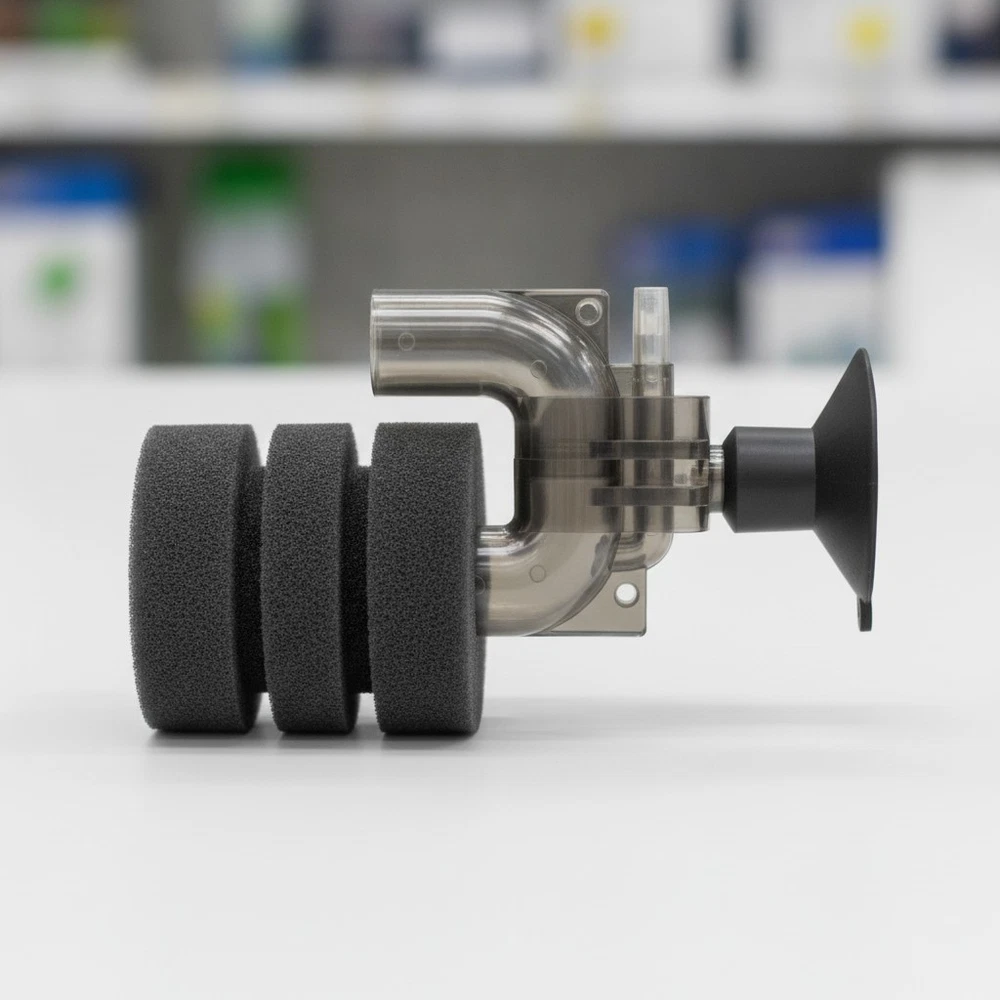
For instance, the Mini Sponge Filter for 0.5-5 Gallon Tanks is a classic representation of ultra-gentle filtration for micro-volumes.
See the live listing →Compare the sponge filter vs canister filter for your aquarium. Discover the best aquarium filter options covering flow rate, maintenance, and volume.
When you set out to build a thriving aquatic ecosystem, choosing the right filtration system is arguably the single most important hardware decision you will make. Among the various methodologies available to fish keepers, two time-tested champions dominate the conversation: the humble sponge filter and the heavy-duty external canister filter. If you are trying to weigh a sponge filter vs canister filter setup for your home aquarium, the short version of who wins is this: canister filters take the crown for sheer flow rate, multi-stage media capacity, and high-stocking performance on medium to large tanks, while sponge filters reign supreme for fry safety, biological stability, gentle water movement, and unbeatable economy in nano and small setups.
To help you navigate your options, you might also want to explore broader bargains like our Best Dog & Cat Supplies Deals (Top-Selling) to see how aquatic gear stacks up against general pet care accessories.
To truly understand how these two systems compare, we have to look at how water moves through them and what physics govern their operation. A sponge filter relies on a remarkably simple, elegant design. A porous foam block sits inside the tank, connected to either an air pump via airline tubing or a small powerhead. As air bubbles rise up through the internal uplift tube, they create a partial vacuum that draws tank water inward through every square millimeter of the sponge's surface area. This mechanism simultaneously drives mechanical filtration (trapping floating debris on the outer pores) and biological filtration (housing nitrifying bacteria that convert toxic ammonia into nitrite and nitrate).
On the complete opposite end of the engineering spectrum, we find pressurized external canister filters. These are closed, sealed units that sit outside or underneath the aquarium—typically inside a cabinet or sump. Water is siphoned down from the tank into the canister, forced through an intricate series of internal media baskets, and then pumped back up into the display tank via a dedicated water pump. Because they are sealed, pressurized systems, they can push water through dense mechanical pads, specialized chemical resins like carbon, and massive quantities of high-surface-area biological media.
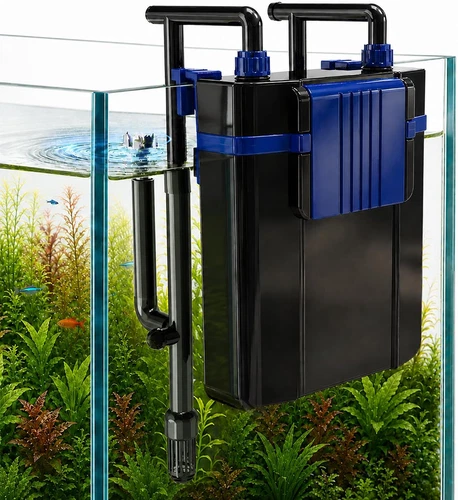
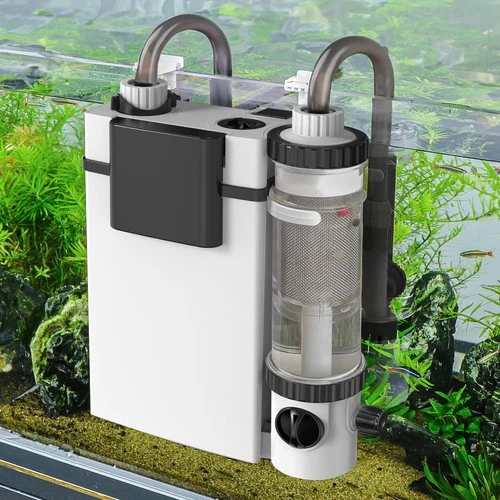
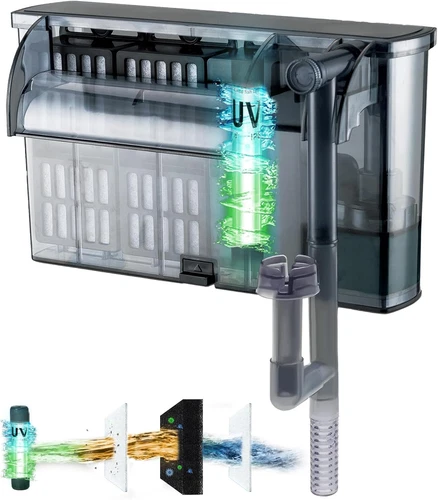
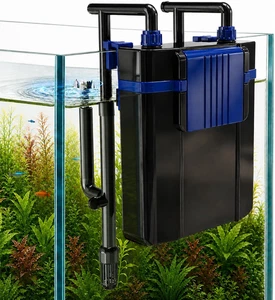
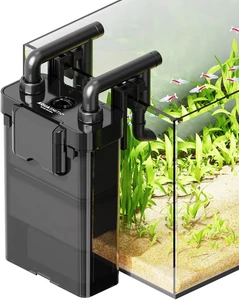
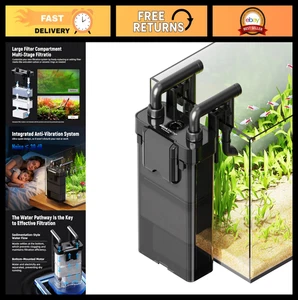
When browsing the marketplace for auxiliary filtration, hobbyists often encounter alternative mechanical designs as well. For instance, the Mini Sponge Filter for 0.5-5 Gallon Tanks is a classic representation of ultra-gentle filtration for micro-volumes. Conversely, if you prefer something that hangs directly on the rim, options like the Hang on Back Aquarium Filter 10-45 Gallon or the Quiet Hang-On Back Aquarium Filter 5-30 Gallon offer middle-ground footprints with multi-stage capabilities. For larger aquariums requiring serious mechanical muscle, specialized units such as the Large Hang on Back Aquarium Filter W/ U-V 13-Stage for 20-75 Gal Fish Tank bridge the gap between hang-on-back convenience and canister-level filtration stages.
$15.18For instance, the Mini Sponge Filter for 0.5-5 Gallon Tanks is a classic representation of ultra-gentle filtration for micro-volumes.
See the live listing →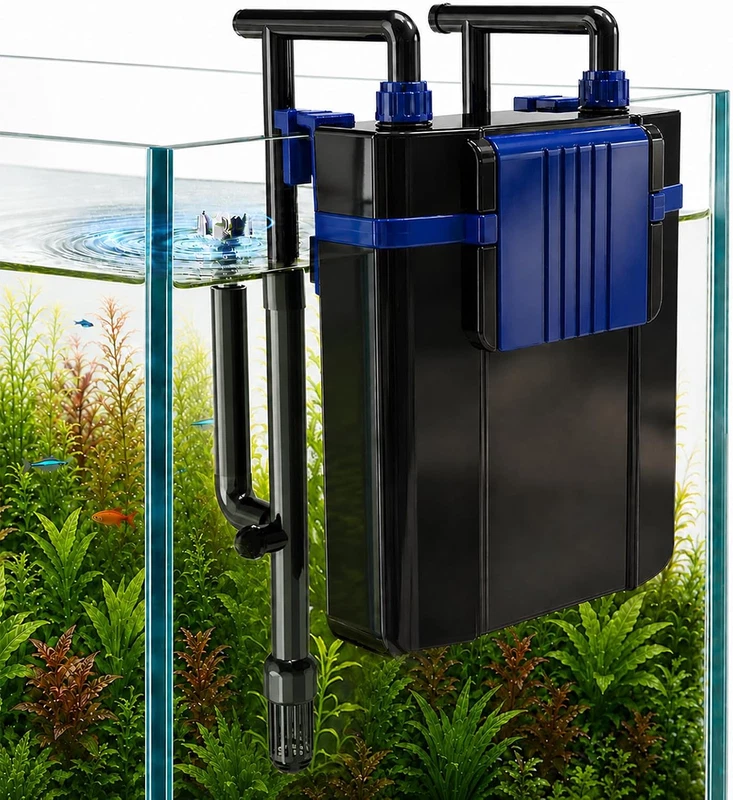 $67.65
Conversely, if you prefer something that hangs directly on the rim, options like the Hang on Back Aquarium Filter 10-45 Gallon or the Quiet Hang-On Back Aquarium Filter 5-30 Gallon offer middle-ground footprints with multi-stage…
See the live listing →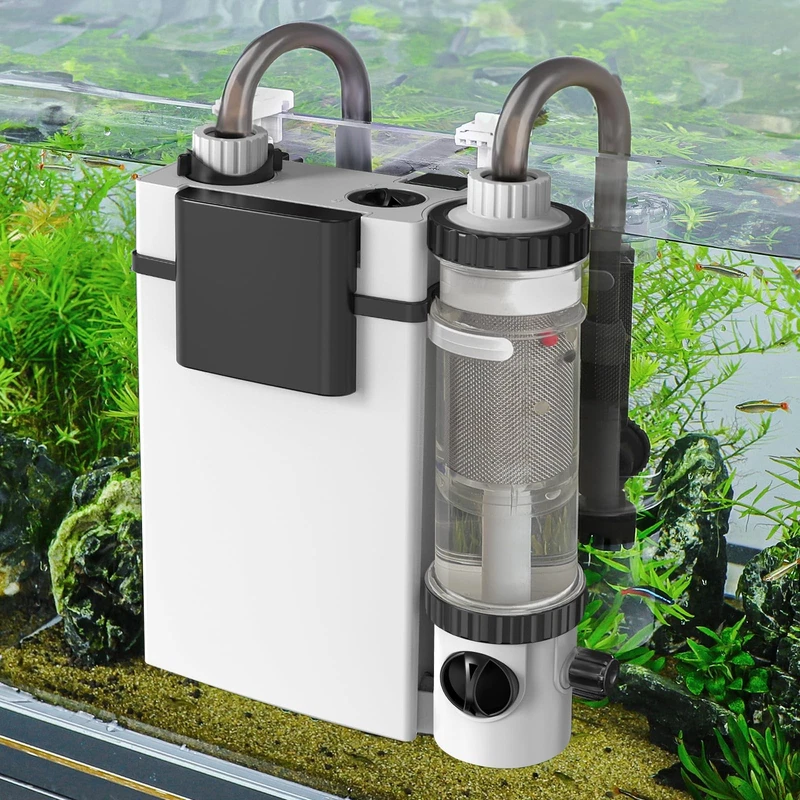 $68.73
Conversely, if you prefer something that hangs directly on the rim, options like the Hang on Back Aquarium Filter 10-45 Gallon or the Quiet Hang-On Back Aquarium Filter 5-30 Gallon offer middle-ground footprints with multi-stage…
See the live listing →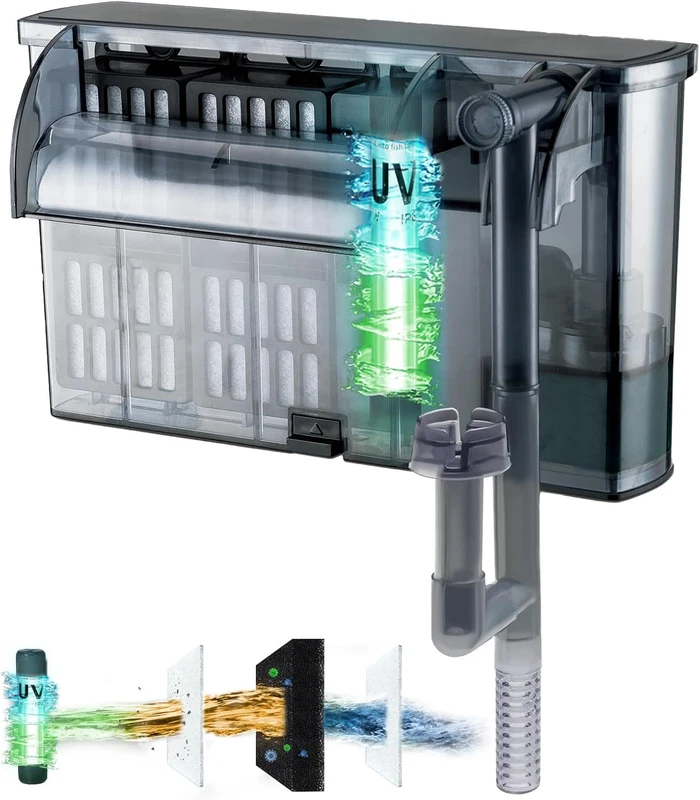 $99.32
For larger aquariums requiring serious mechanical muscle, specialized units such as the Large Hang on Back Aquarium Filter W/ U-V 13-Stage for 20-75 Gal Fish Tank bridge the gap between hang-on-back convenience and canister-level…
See the live listing →The differences in flow rate and oxygenation between sponge filters and canister filters are profound, dictating the kinds of aquatic life you can successfully keep. Sponge filters are inherently low-flow devices when driven by standard air pumps. The water movement they generate is gentle, usually characterized by rolling bubbles and mild upward currents. However, because air is continuously injected into the water column through the uplift tube, sponge filters excel at oxygenation. The constant agitation at the water's surface promotes superior gas exchange, ensuring that dissolved oxygen levels remain high without blowing delicate fish or bottom-dwelling invertebrates around the tank.
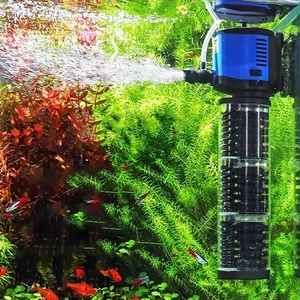
Canister filters, by contrast, are absolute powerhouses of water circulation. A robust unit like the Quietflow Canister Filter Aquarium 100-150 Gallon delivers heavy-duty water movement, making it ideal for large, active fish species that demand pristine, fast-moving water. Similarly, powerful internal options like the Internal Aquarium Filter 660GPH for 100-300 Gallon Tank push massive volumes of water per hour to keep heavy bioloads clean. However, this high velocity can sometimes overwhelm smaller inhabitants, necessitating spray bars, duckbill attachments, or flow regulators—features found on capable units like the Hang on Back Aquarium Filter for 10-45 Gallon.
Oxygenation in a canister-filtered setup depends entirely on how you direct the return nozzle. If the return output is submerged beneath the surface, gas exchange can be minimal, requiring an additional air stone or surface skimmer—such as the integrated oil skimmer featured on the Hang on Back Aquarium Filter 10-45 Gallon—to prevent an oily protein film from forming on the water's surface.
 $430.99
A robust unit like the Quietflow Canister Filter Aquarium 100-150 Gallon delivers heavy-duty water movement, making it ideal for large, active fish species that demand pristine, fast-moving water.
See the live listing →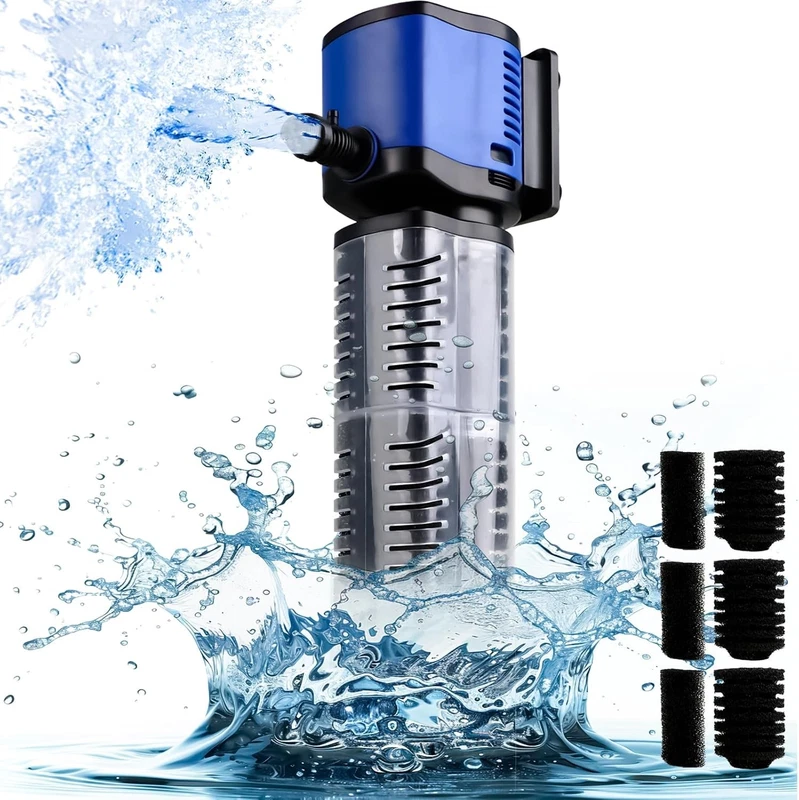 $69.99
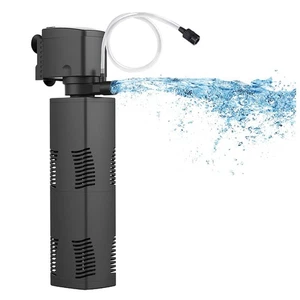
Similarly, powerful internal options like the Internal Aquarium Filter 660GPH for 100-300 Gallon Tank push massive volumes of water per hour to keep heavy bioloads clean.
See the live listing →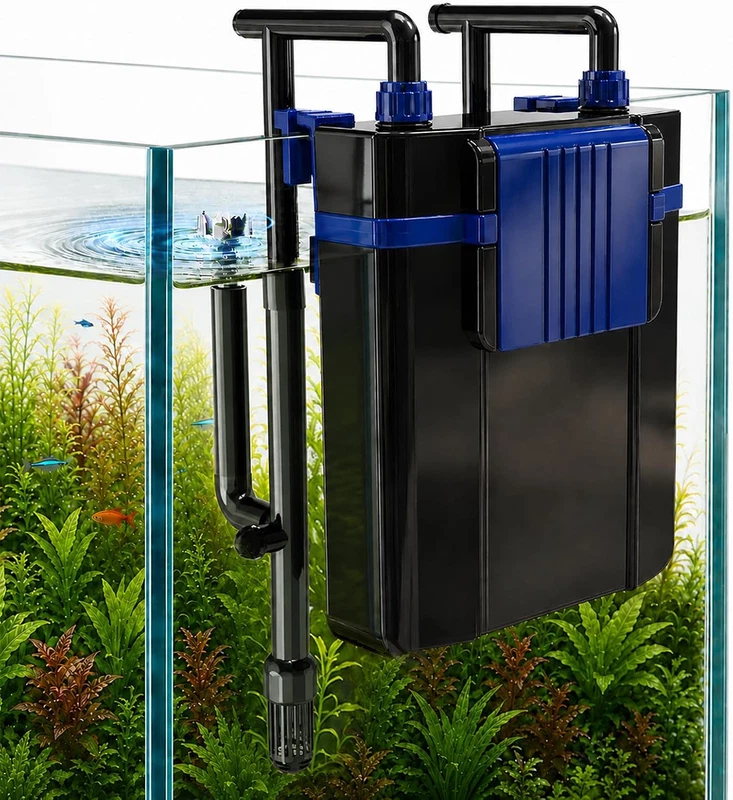 $64.08
However, this high velocity can sometimes overwhelm smaller inhabitants, necessitating spray bars, duckbill attachments, or flow regulators—features found on capable units like the Hang on Back Aquarium Filter for 10-45 Gallon .
See the live listing →Ask any seasoned aquarist about their least favorite chore, and many will point straight to filter maintenance. Here, the operational realities of sponge versus canister filtration diverge sharply. A sponge filter is remarkably straightforward to clean. When detritus accumulates on the outer foam, you simply disconnect the sponge, swish it around in a bucket of old aquarium water during a routine water change, and reattach it. There are no impellers to jam, no complex O-rings to grease, and no heavy hoses to disconnect. It is a quick, low-stress maintenance routine that takes mere minutes.
Canister filters require a more involved ritual. Because they pack multiple internal media baskets, cleaning them means unplugging the unit, shutting off the intake/output valves, unlatching heavy locking clips, and carrying a heavy, water-filled plastic canister to a sink or bathtub. You must rinse mechanical pads, gently clean biological rings or balls in tank water to preserve beneficial bacteria, and occasionally clean the magnetic impeller and its well to prevent noise or rotor failure. Models designed for specialized environments, such as the Submersible Aquarium Filter 100-300 Gallon Fish Tank or the 107 Canister Filter for 30 Gallon Aquariums, provide structured guides to ease this process, but the baseline effort remains higher than a simple foam squeeze.
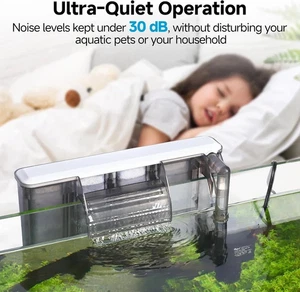
Noise is another critical factor for hobbyists keeping tanks in bedrooms or offices. Sponge filters are virtually silent regarding mechanical vibration, but the constant bubbling sound of air rising through the tube can be an audible hum. Canister filters, when properly primed and purged of trapped air, run with a quiet, low-frequency hum, though an aging impeller or a trapped air pocket can occasionally produce rattling noises that require troubleshooting.
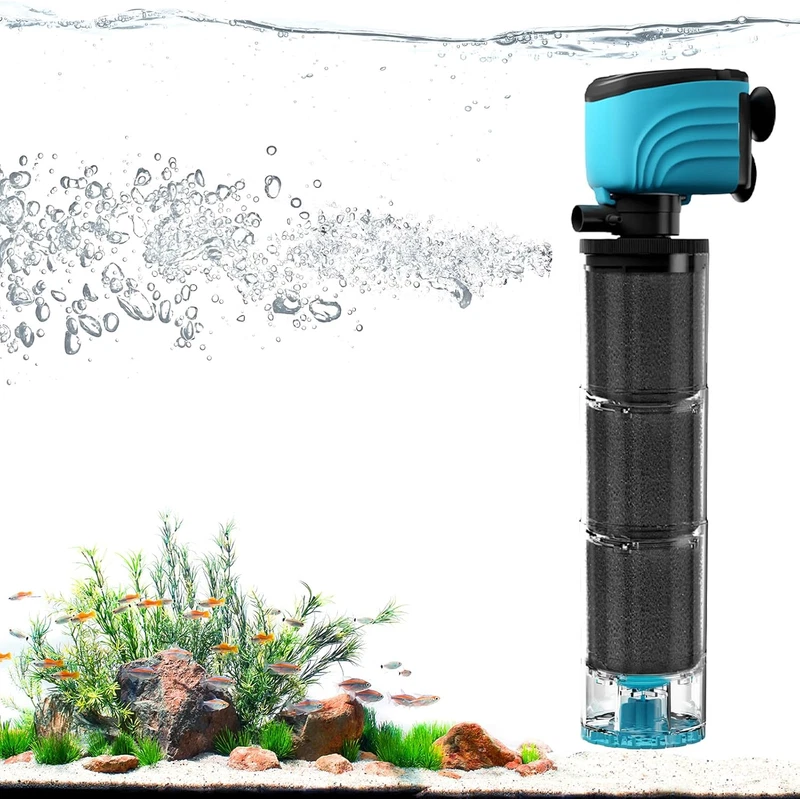 $74.56
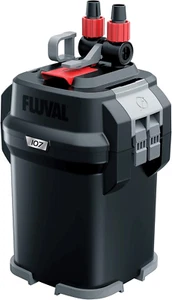
Models designed for specialized environments, such as the Submersible Aquarium Filter 100-300 Gallon Fish Tank or the 107 Canister Filter for 30 Gallon Aquariums , provide structured guides to ease this process, but the baseline effort…
See the live listing → $233.99
Models designed for specialized environments, such as the Submersible Aquarium Filter 100-300 Gallon Fish Tank or the 107 Canister Filter for 30 Gallon Aquariums , provide structured guides to ease this process, but the baseline effort…
See the live listing →When it comes to customizing your filtration media, canister filters hold an undisputed advantage. A quality canister filter contains multiple spacious media trays, allowing you to layer coarse mechanical sponges, fine polishing pads, activated carbon, specialized chemical resins, and liters of high-porosity biological media like ceramic rings or sintered glass. This modularity gives you absolute control over water chemistry, clarity, and biological capacity.
Sponge filters, by design, offer limited media flexibility. They rely exclusively on the physical foam block for both mechanical trapping and bacterial colonization. While you can sometimes find dual-sponge units or stacked designs, you cannot pack chemical absorbents or specialized resins inside standard aquarium sponges.
However, footprint is where sponge filters strike back. A sponge filter sits directly inside the aquarium, consuming a small corner of your aquascape. While visible, it takes up zero exterior floor space. Canister filters, conversely, require significant cabinet space underneath the aquarium to house the bulky filter body, extra slack in flexible tubing, and electrical cords. For setups where under-stand storage is limited, internal alternatives like the Submersible Canister Filter 300GPH 55-150 Gallon or the Xpertmatic Submersible Aquarium Filter 220GPH offer sub-surface canister performance without requiring external plumbing.
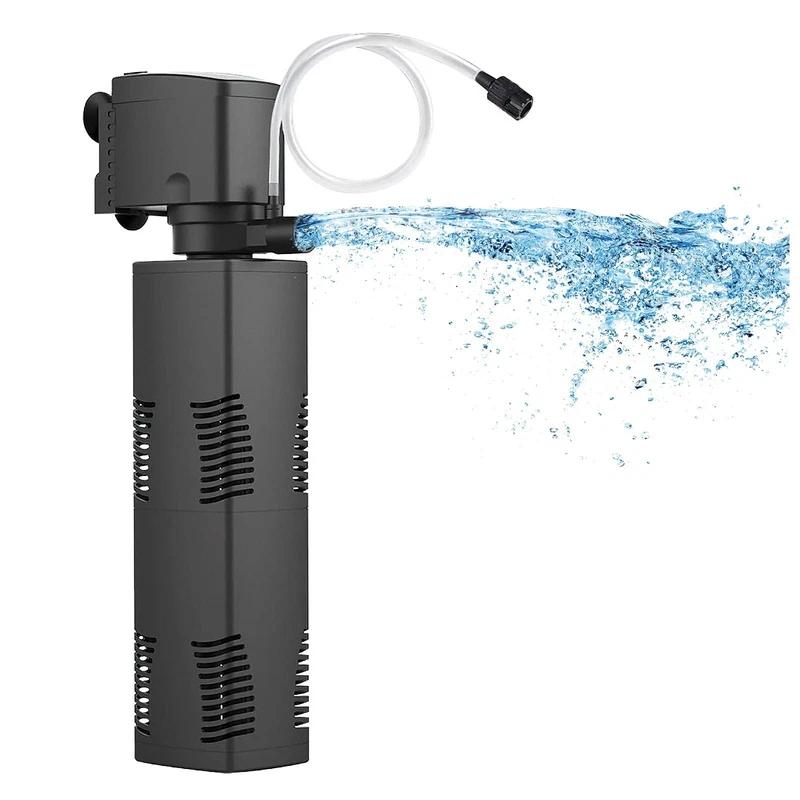 $59.99
For setups where under-stand storage is limited, internal alternatives like the Submersible Canister Filter 300GPH 55-150 Gallon or the Xpertmatic Submersible Aquarium Filter 220GPH offer sub-surface canister performance without…
See the live listing → $60.21
For setups where under-stand storage is limited, internal alternatives like the Submersible Canister Filter 300GPH 55-150 Gallon or the Xpertmatic Submersible Aquarium Filter 220GPH offer sub-surface canister performance without…
See the live listing →Selecting between a sponge filter and a canister filter ultimately boils down to tank volume, stocking density, and your specific livestock goals. Sponge filters are the undisputed kings of breeding tanks, shrimp setups, and small community aquariums ranging from 0.5 gallons up to about 30 gallons. Because the suction is distributed across the entire surface of the foam, tiny baby fish (fry) and delicate dwarf shrimp are never sucked into an intake tube. For medium to massive display tanks—ranging from 55 gallons up to 300 gallons heavily stocked with messy cichlids, goldfish, or aquatic turtles—a high-capacity external or submersible canister filter is practically mandatory to manage the immense bioload.
To help you evaluate your options across the market, the following table compares key operational traits of filtration systems available today:
| Filter Type & Representative Style | Typical Price | Primary Tank Size Suitability | Flow & Circulation | Media Versatility | Maintenance Effort |
|---|---|---|---|---|---|
| Mini Sponge Filter | $15.18 | 0.5 - 5 Gallons | Gentle / Air-driven | Low (Foam only) | Minimal |
| Small HOB Filter (5-30 Gal) | $68.73 | 5 - 30 Gallons | Moderate / Adjustable | Moderate (Pads/Carbon) | Low |
| Medium HOB Filter w/ UV (20-75 Gal) | $99.32 | 20 - 75 Gallons | High / Multi-stage | Moderate-High | Low-Moderate |
| Submersible Canister (55-150 Gal) | $59.99 | 55 - 150 Gallons | High (300 GPH) | High (Multi-basket) | Moderate |
| Heavy-Duty Internal Filter (100-300 Gal) | $69.99 | 100 - 300 Gallons | Very High (660 GPH) | High (Sponge/Media trays) | Moderate-High |
| Commercial-Grade Canister (100-150 Gal) | $430.99 | 100 - 150 Gallons | Silent / High Flow | Maximum (5-Stage) | Moderate |
Examining real-world pricing reveals a massive spectrum. If you are operating on a tight budget or setting up a multi-tank breeding rack, simple aeration-driven solutions cost very little. For instance, the Mini Sponge Filter for 0.5-5 Gallon Tanks sits at an accessible $15.18. Stepping up to versatile internal and hang-on-back units, the Low Noise Fish Tank Filter is priced at $24.99, while the Silent Submersible Aquarium Filter Pump 3-3 in-1 White runs $26.58.
Mid-range filtration options scale upward according to tank volume and added features like UV sterilizers or surface skimmers. The Hang on Back Aquarium Filter for 30-50 Gallon retails for $52.98, and the feature-packed Submersible Canister Filter 300GPH 55-150 Gallon costs $59.99. Similarly, the Xpertmatic Submersible Aquarium Filter 220GPH comes in at $60.21, and the heavy-duty Fish Tank Filter 400GPH 75-200 Gallon Pond is priced at $60.56. For hobbyists tackling murky or algae-prone water, models such as the Hang On Back Aquarium Filter Ultra-Quiet Multi-Layer ($64.92), the Hang on Back Aquarium Filter for 10-45 Gallon ($64.08), and the Hang on Back Aquarium Filter 10-45 Gallon ($67.65) offer robust feature sets.
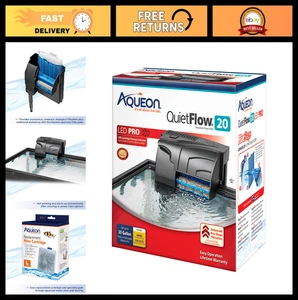
As you venture into large-scale aquatic habitats and turtle enclosures, pricing adjusts for output and durability. The Quiet Hang-On Back Aquarium Filter 5-30 Gallon is available for $68.73. High-capacity internal and UV-equipped systems like the Internal Aquarium Filter 660GPH for 100-300 Gallon Tank ($69.99), the QuietFlow 20 LED PRO Aquarium Filter 30 Gallon ($69.99), and the Submersible Aquarium Filter 100-300 Gallon Fish Tank ($74.56) provide exceptional muscle for large bioloads. High-flow external units like the Powerful Internal Aquarium Filter 660 GPH ($77.71), the Ultra-Quiet Hang-On Aquarium Filter 80.09 ($80.09), and the UV Aquarium Filter 400GPH 55-150 Gallon Turtle Tank ($81.82) deliver specialized green-water control. For mid-to-large displays, the Hang on Back Aquarium Filter UV 13-Stage is priced at $99.32. At the absolute pinnacle of external filtration engineering, premium units such as the Hang on Back Aquarium Filter 344GPH 40-150 Gallon ($145.99), the 107 Canister Filter for 30 Gallon Aquariums ($233.99), and the commercial-grade Quietflow Canister Filter Aquarium 100-150 Gallon ($430.99) represent heavy-duty investments for serious aquascapers and public display setups.
Please note that prices change and vary by seller, condition, and marketplace, so it is always wise to verify current rates before completing your purchase.
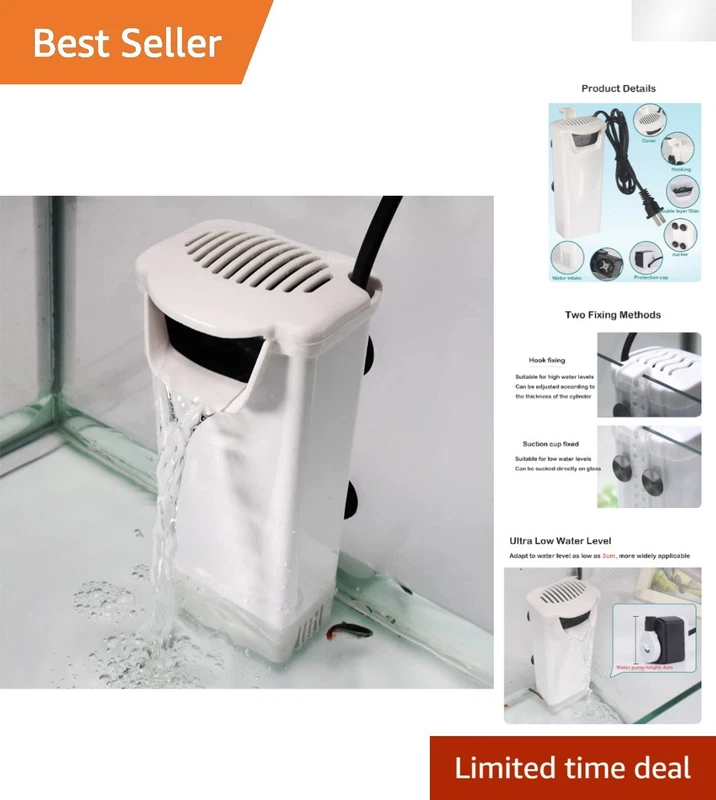 $24.99
Stepping up to versatile internal and hang-on-back units, the Low Noise Fish Tank Filter is priced at $24.99, while the Silent Submersible Aquarium Filter Pump 3-3 in-1 White runs $26.58.
See the live listing → $26.58
99, while the Silent Submersible Aquarium Filter Pump 3-3 in-1 White runs $26.58.
See the live listing → $52.98
The Hang on Back Aquarium Filter for 30-50 Gallon retails for $52.98, and the feature-packed Submersible Canister Filter 300GPH 55-150 Gallon costs $59.99.
See the live listing →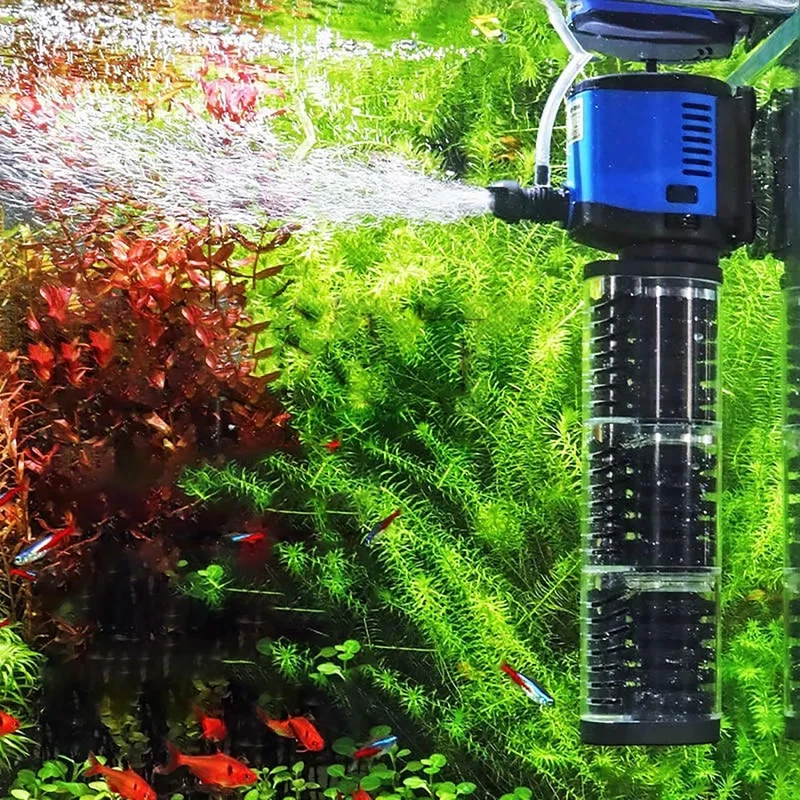 $60.56
21, and the heavy-duty Fish Tank Filter 400GPH 75-200 Gallon Pond is priced at $60.56.
See the live listing →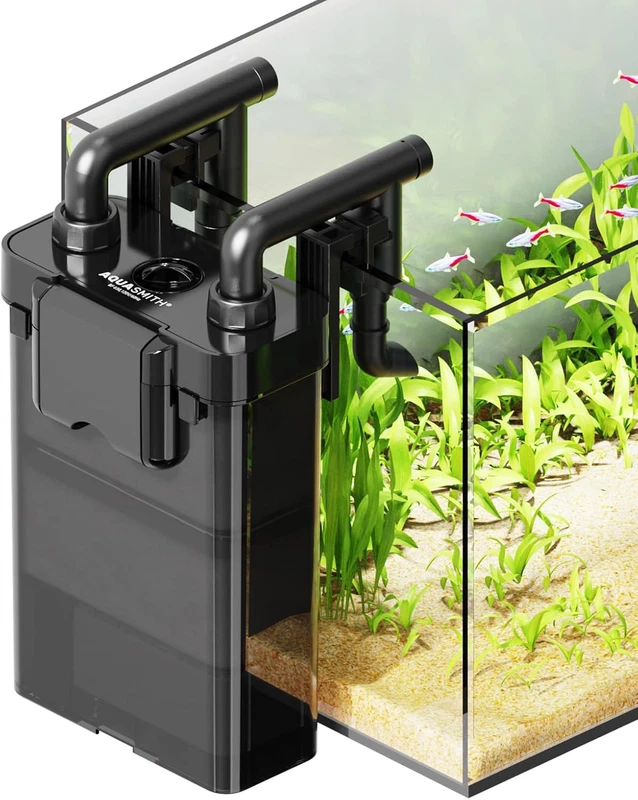 $64.92
For hobbyists tackling murky or algae-prone water, models such as the Hang On Back Aquarium Filter Ultra-Quiet Multi-Layer ($64.92), the Hang on Back Aquarium Filter for 10-45 Gallon ($64.08), and the Hang on Back Aquarium Filter 10-45…
See the live listing →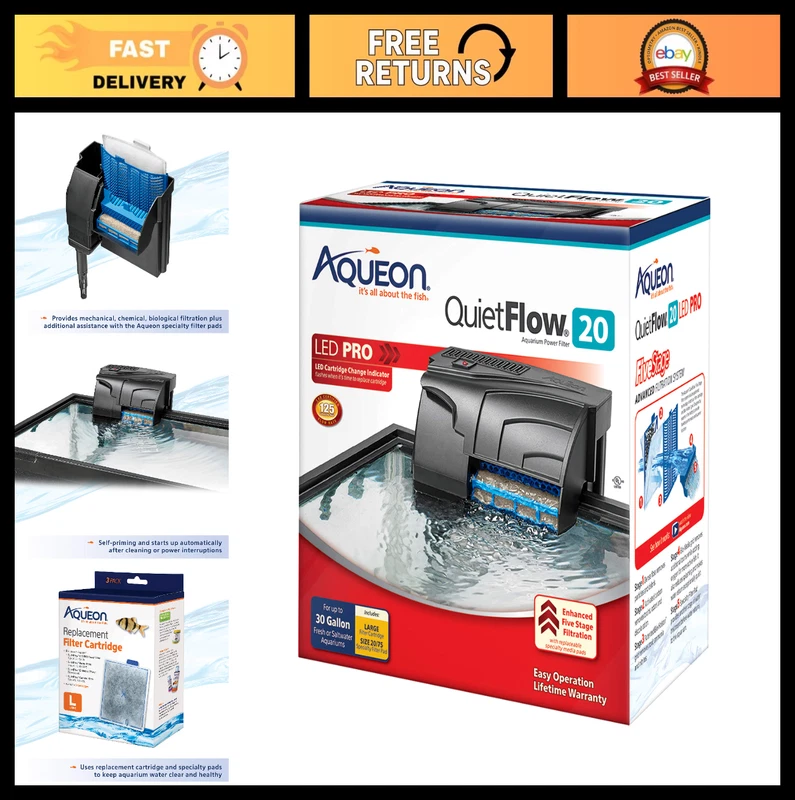 $69.99
99), the QuietFlow 20 LED PRO Aquarium Filter 30 Gallon ($69.99), and the Submersible Aquarium Filter 100-300 Gallon Fish Tank ($74.56) provide exceptional muscle for large bioloads.
See the live listing → $77.71
High-flow external units like the Powerful Internal Aquarium Filter 660 GPH ($77.71), the Ultra-Quiet Hang-On Aquarium Filter 80.09 ($80.09), and the UV Aquarium Filter 400GPH 55-150 Gallon Turtle Tank ($81.82) deliver specialized…
See the live listing → $80.09
71), the Ultra-Quiet Hang-On Aquarium Filter 80.09 ($80.09), and the UV Aquarium Filter 400GPH 55-150 Gallon Turtle Tank ($81.82) deliver specialized green-water control.
See the live listing → $81.82
09), and the UV Aquarium Filter 400GPH 55-150 Gallon Turtle Tank ($81.82) deliver specialized green-water control.
See the live listing →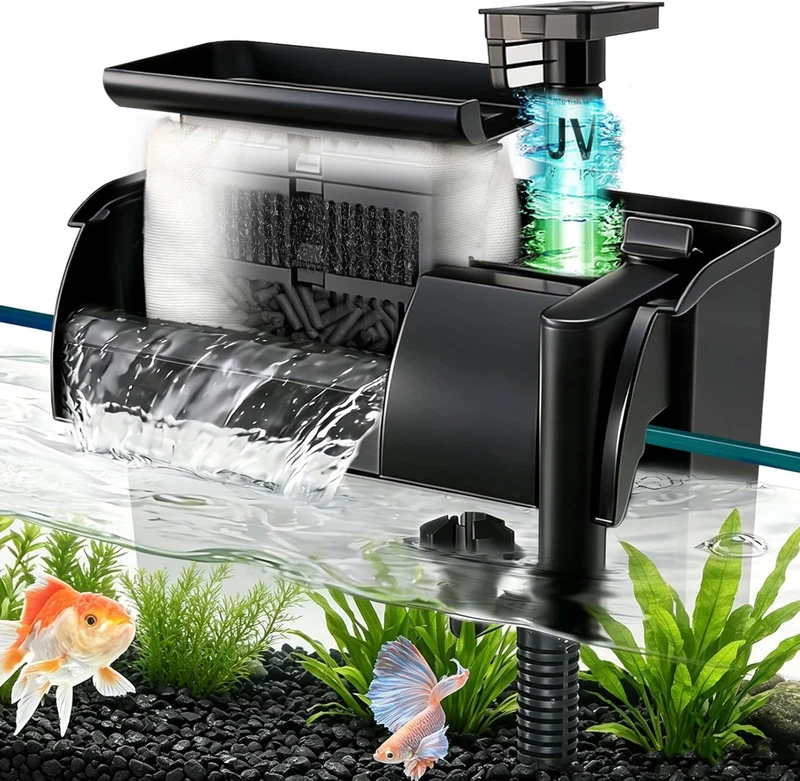 $145.99
At the absolute pinnacle of external filtration engineering, premium units such as the Hang on Back Aquarium Filter 344GPH 40-150 Gallon ($145.99), the 107 Canister Filter for 30 Gallon Aquariums ($233.99), and the commercial-grade…
See the live listing →Every filtration methodology involves distinct trade-offs. Weighing the advantages and disadvantages side-by-side helps clarify which system aligns with your maintenance habits and livestock requirements.
Choosing between a sponge filter and a canister filter ultimately depends on your specific tank setup, stocking level, and personal preferences. There is no universal "best" filter—only the best filter for your exact aquatic environment.
Choose a sponge filter if: You are setting up a nano tank (under 30 gallons), breeding freshwater fish, raising delicate cherry or crystal shrimp, maintaining a hospital or quarantine tank, or operating on a strict budget where simplicity and reliability are your top priorities. A simple, reliable unit like the Mini Sponge Filter for 0.5-5 Gallon Tanks will serve a small environment wonderfully.
Choose a canister filter if: You are running a medium to massive display aquarium (55 to 300 gallons), keeping messy fish like large cichlids or goldfish, housing aquatic turtles that generate heavy waste, or building a densely planted aquascape that demands crystal-clear water and customized chemical filtration. For mid-sized display tanks, a robust setup like the Submersible Canister Filter 300GPH 55-150 Gallon or the high-output Quietflow Canister Filter Aquarium 100-150 Gallon provides the uncompromising filtration performance necessary to keep your ecosystem pristine, stable, and healthy for years to come.
Yes, running both filters together is a popular strategy for heavy bioloads or breeding tanks. The canister filter handles high-flow water movement and chemical filtration, while the sponge filter provides backup biological filtration and completely safe water movement for shrimp and fry.
Modern canister filters generally operate very quietly, producing only a low-frequency hum. However, if air becomes trapped inside the sealed chamber or the impeller wears down, they can rattle. Properly priming the unit usually resolves excess noise issues.
Sponge filters require a quick squeeze in old tank water every few weeks to prevent debris buildup. Canister filters need less frequent internal cleaning, usually every one to three months, because of their large media capacity, though the maintenance process takes more time.
High-output canister filters can create strong water currents that overwhelm small fish, bettas, or delicate invertebrates. You can easily mitigate this by attaching a spray bar, using a flow control valve, or directing the output flow against the aquarium glass.