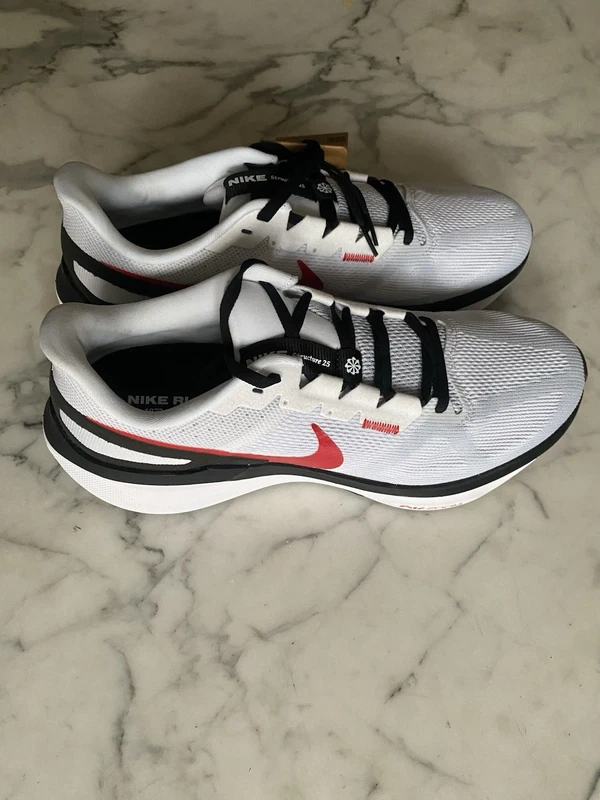
Cushioning is not "more is better" — it is "more is more comfortable for some bodies and some paces." The right amount depends on your weight, your joint sensitivity and how far you run.
Max-Cushion: When Plush Is the Point
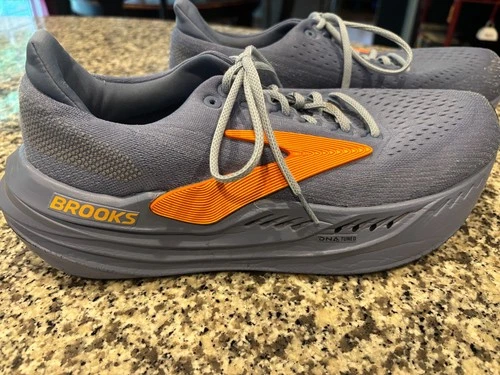
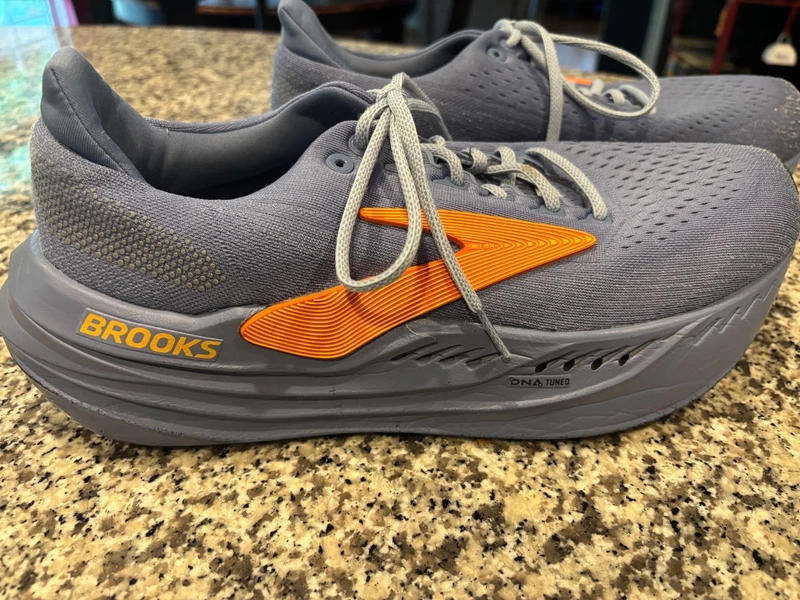
Max-cushion shoes (a heel stack around 35-45mm plus soft foams) are the premium end of the market, and eBay is where they get affordable. The are a brand-new pair in men's 11.5 with the original box at $51 — Nimbus is ASICS's plush daily flagship, built for long, easy miles with maximum softness underfoot. At that price it comfortably beats anything you will find on a clearance rack. The Brooks Glycerin Max we mentioned earlier, at $80 with that 45mm stack, is the other end of the max-cushion market for runners who want the tallest, softest ride current Brooks makes.
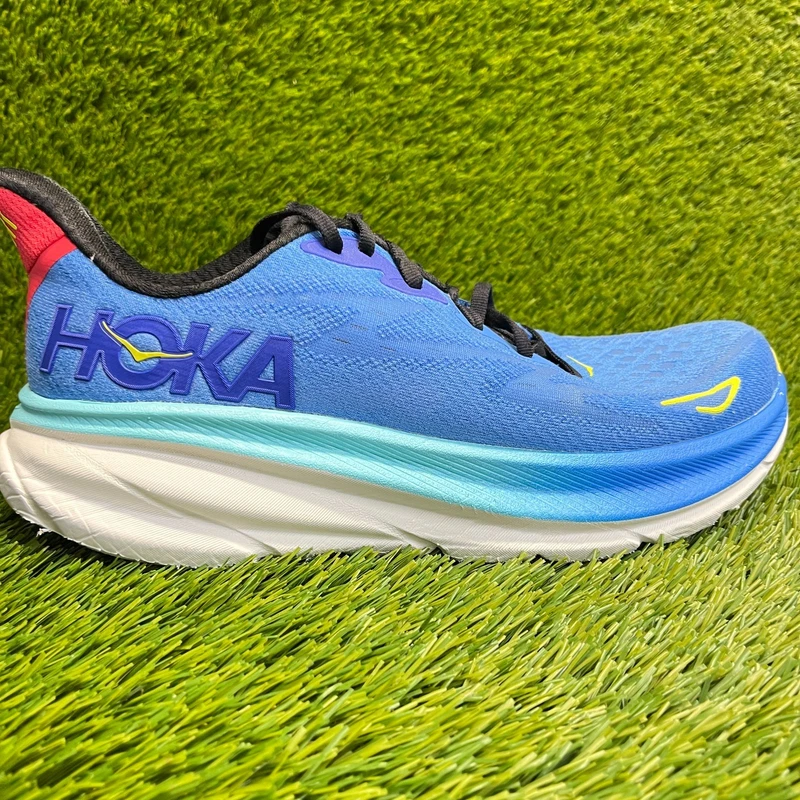
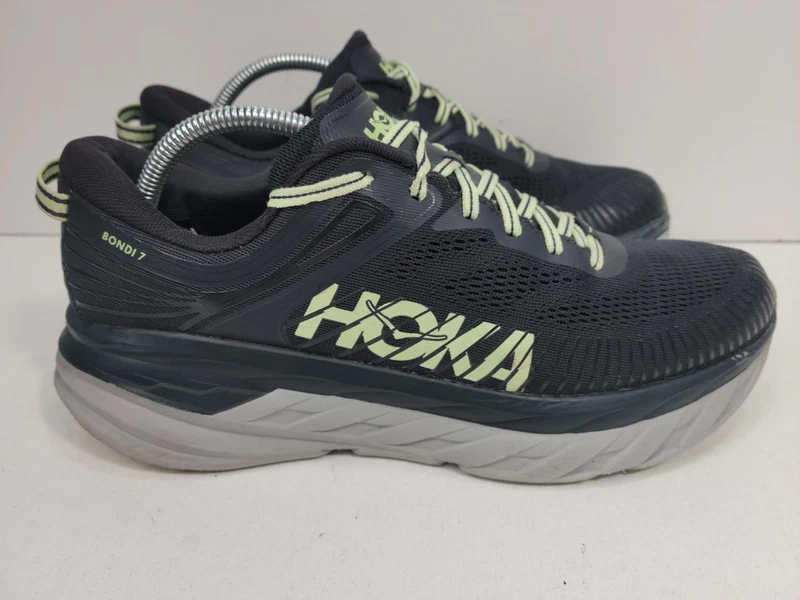
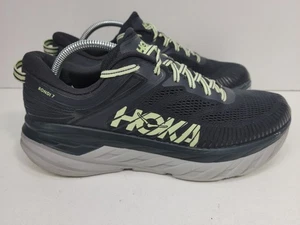
Hoka essentially built its reputation on max cushioning, and Hokas are relentlessly common on eBay. The — the brand's daily max-cushion road shoe — are listed at $49.99, and the at just $29.75. Bondi is Hoka's plushest road line, and even pre-owned with some sock-line tear and full tread, $30 buys an enormous slab of soft foam. Hoka loyalists typically describe the Clifton as the daily cruiser and the Bondi as the cushiest of all; if 8-10mm of perceived softness matters to your knees, this pair of listings is worth a hard look.
Moderate Daily Cushion: The Safe Middle
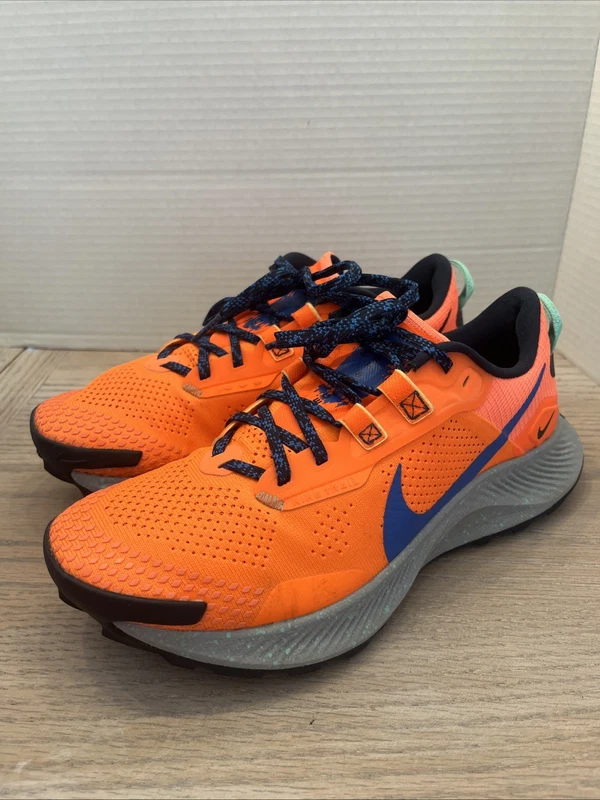
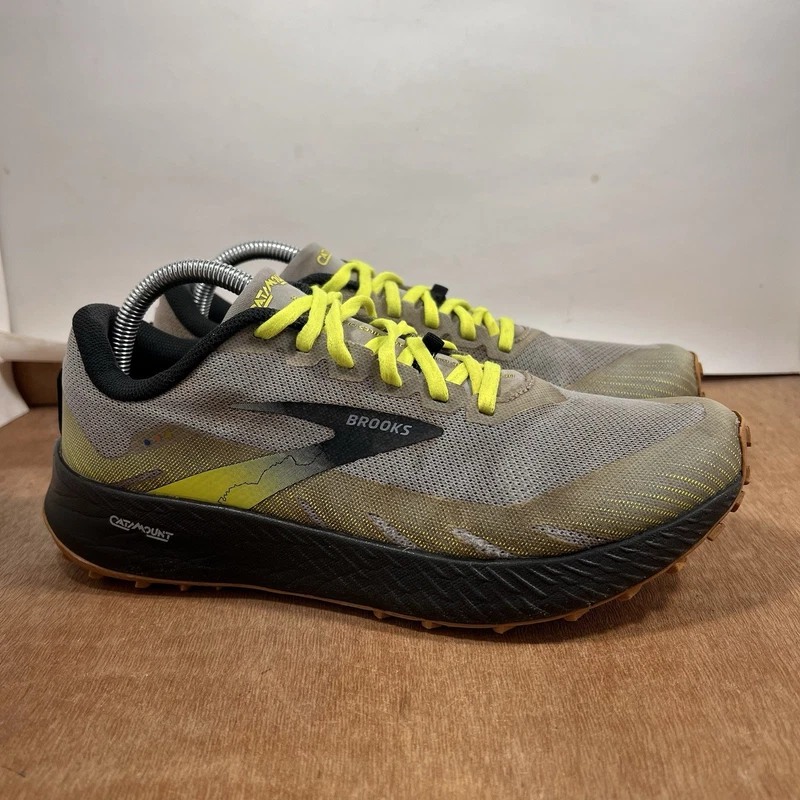
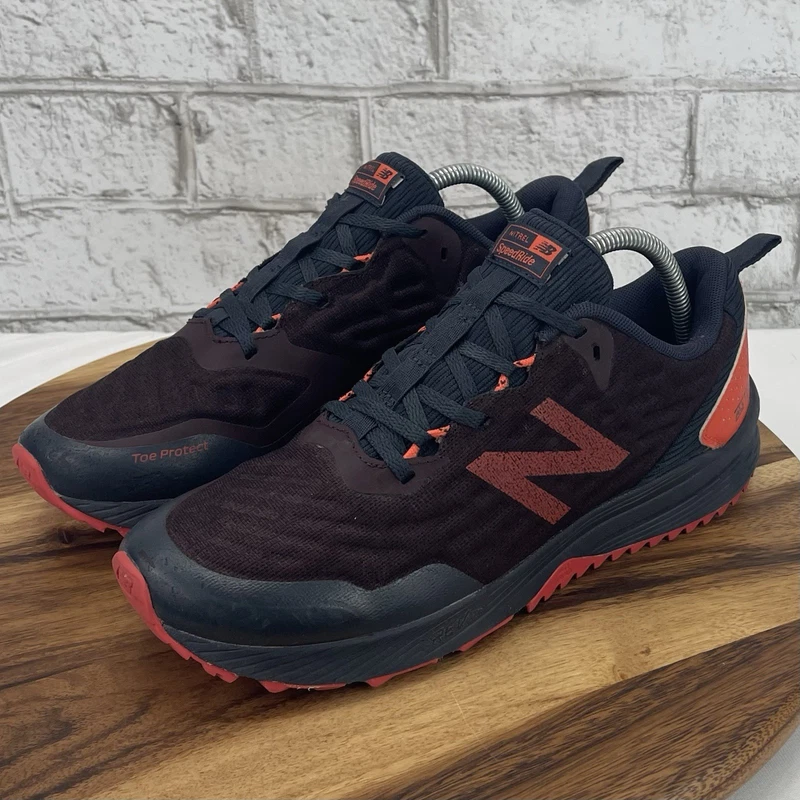
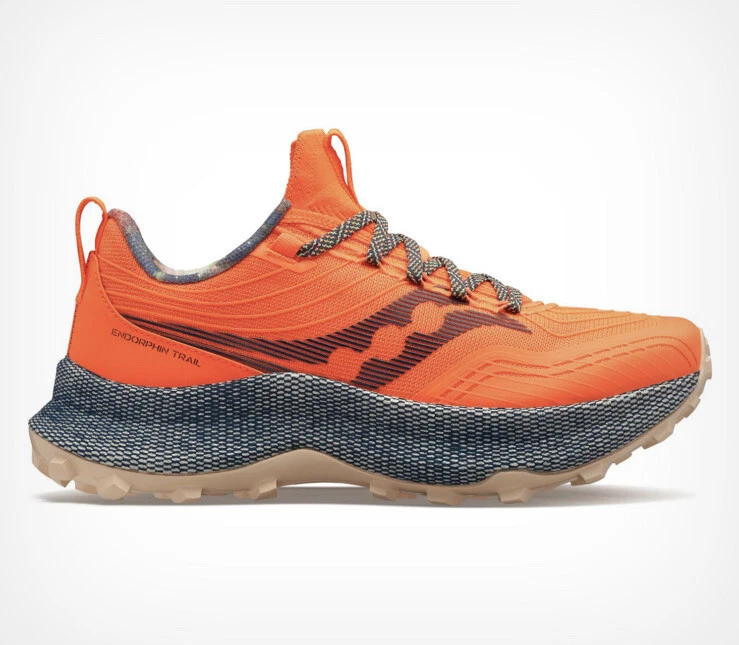
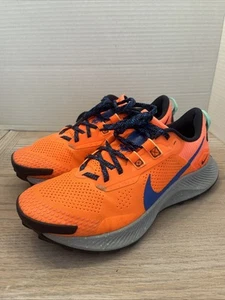
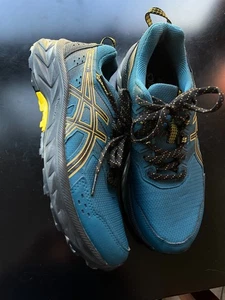
Moderate daily cushion (roughly 25-35mm) is the broad middle of the market and the safest first purchase for a beginner. It is soft enough to forgive rough form without being so tall and wobbly that you feel disconnected from the road. Every neutral daily trainer above — Ghost, Cloudsurfer, Gel-Cumulus — lives here, along with the at $65, which pair a road-friendly moderate stack with trail grip you can actually feel.
Minimal and Firm: For Experienced Legs
Minimal and firm shoes (sub-20mm stacks, stiff foams) suit experienced runners who want ground feel and a lower ride. They reward efficiency and punish sloppy landings, so chasing them early usually buys injury, not speed. On eBay they show up as low-drop trail shoes and lightweight flats more than daily trainers — treat them as an upgrade, not a starting point.
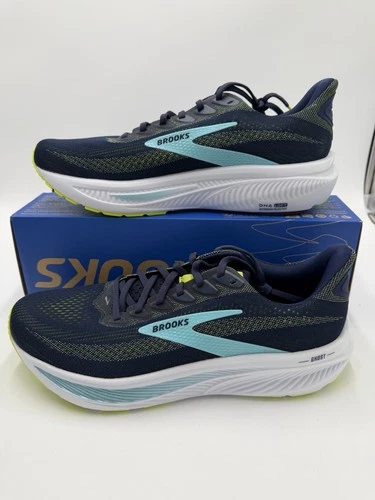
One more caveat before you fixate on foam: cushioning lives and dies in the size you actually wear. A shoe half a size too big lets your foot slide and you blame the cushion; half a size too small and you blame the fit while the foam was fine all along. Leave about a thumbnail's width between your longest toe and the end of the shoe, and buy to your evening foot size if you run after work, because feet swell through the day. Half sizes and widths matter more in running shoes than any other shoe you own — D is standard men's width, 2E is wide and 4E extra wide — because the foot spreads under load on every stride. Trust the sellers who state the complete size. The Brooks Ghost 17 listing does exactly that, calling out a men's 12 D Medium; a seller that specific about dimensions is usually that specific about condition too.
The practical threshold: if this is your first pair in years, buy moderate or max cushioning under $60 and spend your saved money on socks that fit. If your joints and shins have opinions about every landing, let max cushioning and a low price make the decision.










 $80