Tahabay icon tahabay

Kitchen Scale Buying Guide: Precision, Capacity & Features

Master the kitchen scale buying guide with expert tips on precision thresholds, batch capacity, waterproofing, and essential features from $10 to $80.

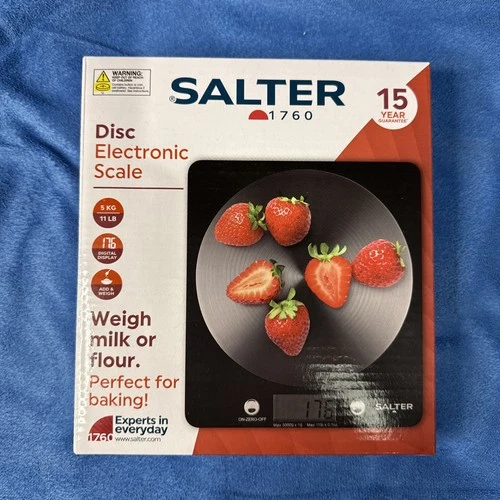
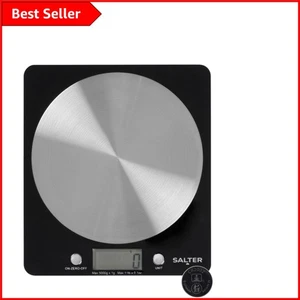
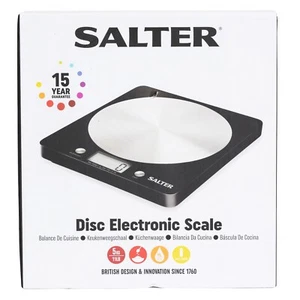
Salter Digital Kitchen Scale Slim Black

If you have ever tried to bake a loaf of artisanal sourdough using a volume-based measuring cup, you already know the frustration of dry, crumbly bread or dense, overly heavy sponge cakes. Flour settles, packs down, and behaves unpredictably depending on how enthusiastically you scoop it from the bag. This comprehensive kitchen scale buying guide is built for home bakers, meal-prep enthusiasts, and culinary hobbyists who are tired of guessing and want reliable, repeatable results in the kitchen. Whether you are scaling up a weekend bread batch, counting macros for precision dieting, or simply trying to get dinner on the table without washing three different measuring spoons, choosing the right tool matters.

When learning how to choose a kitchen scale, most buyers make the mistake of looking only at the price tag or the aesthetic finish on the countertop. In reality, your purchase decision should hinge on four critical performance parameters: precision thresholds, maximum capacity, environmental resistance against spills, and modern conveniences like a clear backlight and a responsive tare button. Throughout this guide, we will break down the engineering compromises of different designs, examine why you should actively avoid traditional hanging-bowl models, and map out the exact tiers of hardware available on the market today. If you are also outfitting your culinary workspace, be sure to check our Best Stand Mixers (KitchenAid & More) guide to pair your new weighing tool with a robust countertop mixer.

Part 1

Understanding Precision Thresholds and Capacity Limits

The single most important specification on any weighing device is its graduation increment—the smallest unit of change the sensor can detect. For everyday cooking, standard vegetable chopping, and basic portioning, a graduation of 1 gram (or 0.1 ounce) is more than sufficient. However, if you are working with specialty baking ingredients like active dry yeast, fine spices, or chemical leaveners, a standard 1g increment can lead to noticeable errors in small batches. For these precision-critical tasks, you need a high-accuracy micro-scale capable of measuring down to 0.01 grams or 0.01 ounces, particularly if you are experimenting with artisan baking formulas where minor percentage shifts alter the final crumb structure.

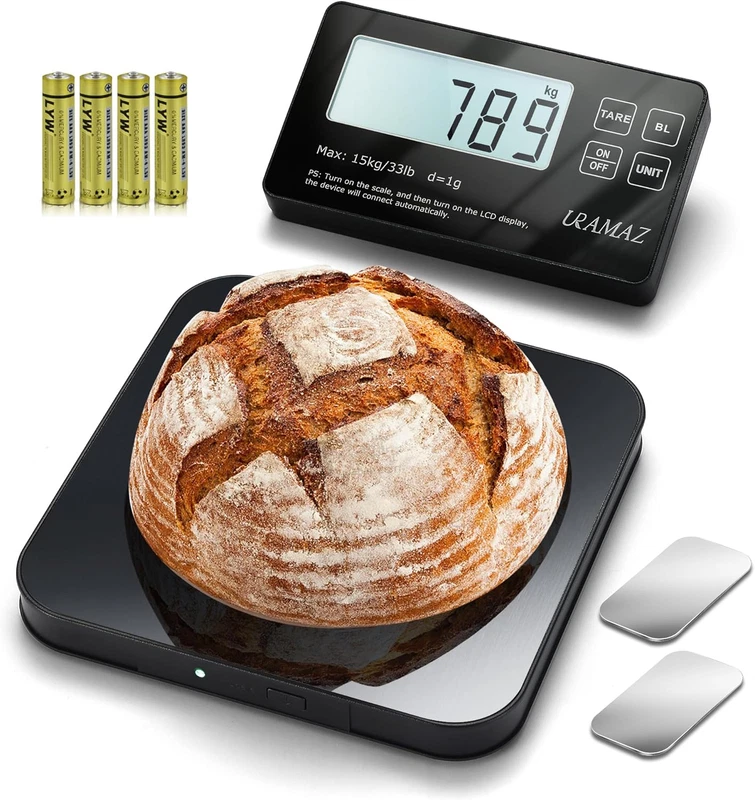
Capacity is the direct trade-off for high precision. A sensitive scale designed for measuring micro-quantities of yeast will typically top out at 1,000 grams or less, meaning it cannot handle a heavy mixing bowl filled with flour and water. Conversely, heavy-duty batch cooking and artisan bread making require a much higher ceiling. If you plan to place a heavy ceramic or stainless steel bowl on the platform and pour in multiple kilograms of flour, water, and starter, you will quickly overload a delicate sensor. For standard family-size baking, a capacity of 11 lb / 5 kg hits the sweet spot, handling most everyday mixing bowls with ease. If you are processing massive quantities of meat or double-batching bread dough, you will want to look at heavy-duty options that stretch up to 22 lb or 33 lb.

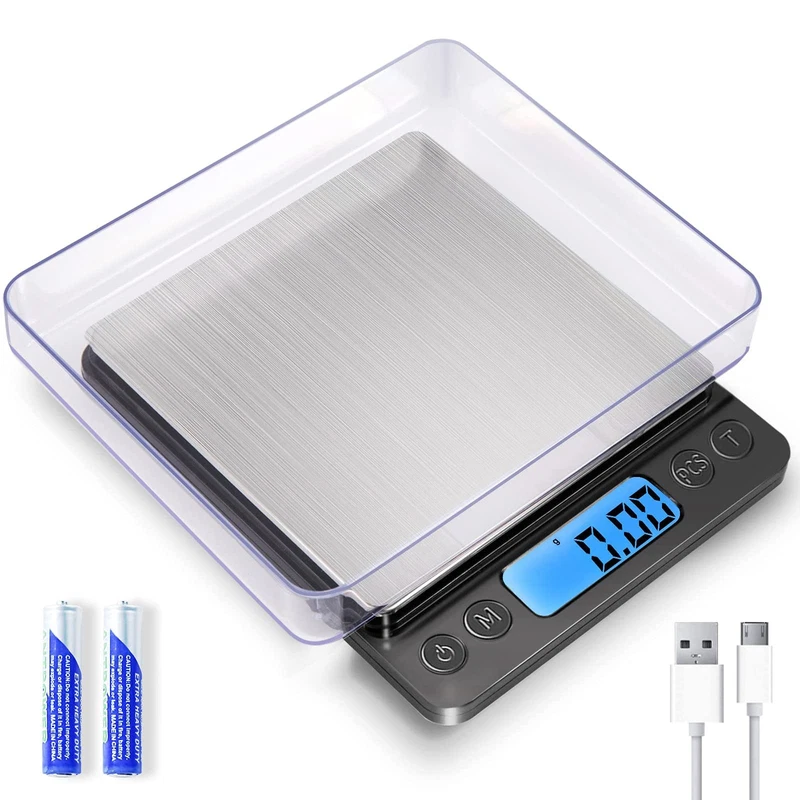
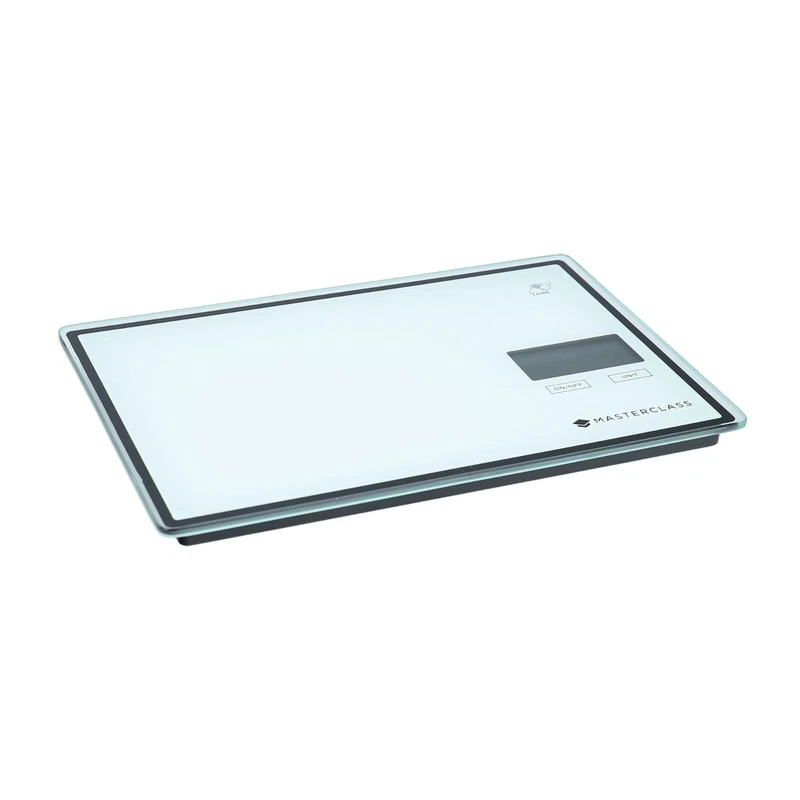
Consider the physical footprint and platform material as well. Tempered glass platforms resist staining and flavor carry-over, making them easy to wipe clean after handling strongly scented ingredients like garlic or turmeric. Stainless steel platforms, on the other hand, offer an industrial look and rugged durability against accidental drops of heavy cookware. To help you visualize how different performance tiers stack up against one another, consult the comparison table below, which outlines typical specifications across various categories of measuring hardware.

Scale Tier Max Capacity Precision Increment Best Suited For
Micro-Precision 1,000g / 2.2 lb 0.01g / 0.001 oz Yeast, spices, coffee, and micro-baking
Standard Kitchen 5kg / 11 lb 1g / 0.1 oz Everyday cooking, baking, and meal prep
Heavy-Duty Batch 10kg to 15kg (22-33 lb) 1g / 0.1 oz Batch cooking, large meat portions, bulk prep
Commercial / Deli Up to 40kg / 88 lb Multi-gram increments Heavy commercial prep and counting tasks

When upgrading your kitchen workflow, having the right measuring tools is only half the battle. If you love experimenting with diverse cooking techniques, you might also want to explore our Best Air Fryers in Every Size & Price guide to see how precise portioning translates into perfectly timed crispy meals.

Part 2

Key Features: Waterproofing, Backlights, and Avoiding Hanging Bowls

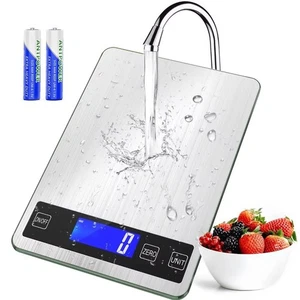
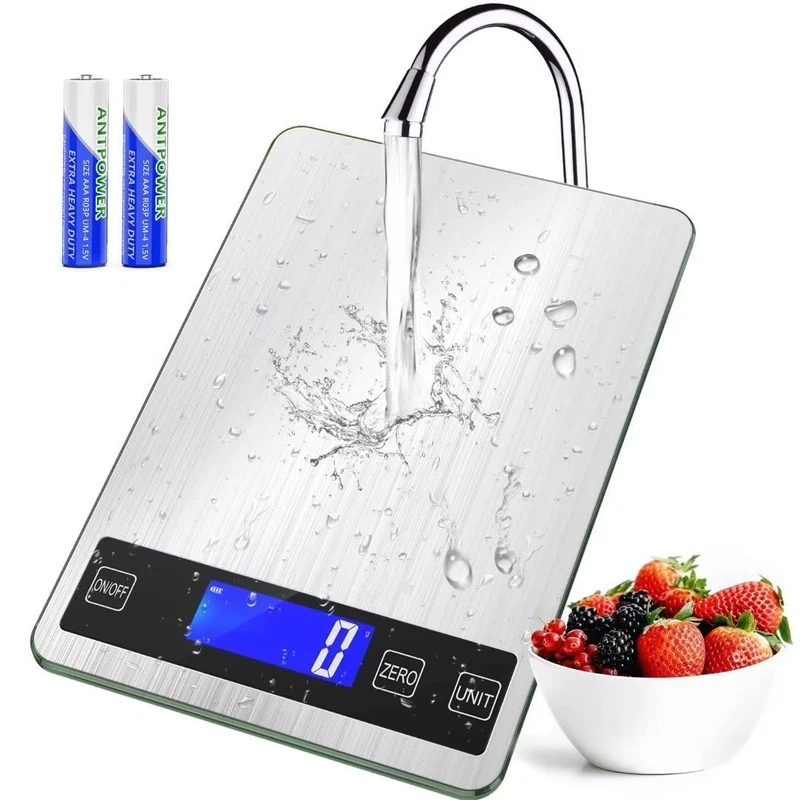
When liquids spill across a busy countertop, electronics are often the first casualty. While few consumer models are fully submersible for dishwasher cleaning, many modern designs feature sealed buttons and splash-resistant surfaces to protect internal components from accidental splashes of milk, water, or cooking oil. If you frequently weigh liquids directly into bowls or deal with messy batter spills, look for seamless glass or smooth stainless steel tops that can be wiped down instantly without liquid seeping into the battery compartment.

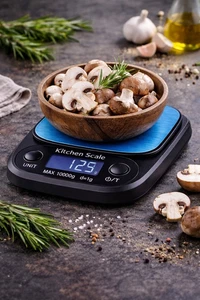
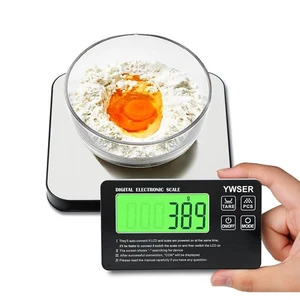
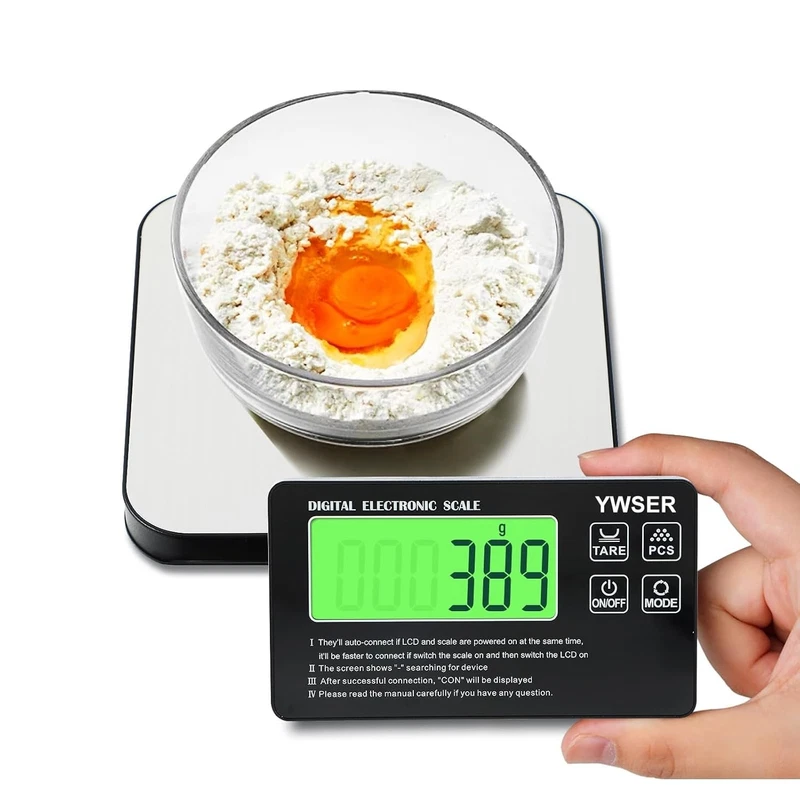
Another feature that drastically improves usability is the display quality. A dim, unlit liquid crystal display forces you to lean over the counter at an awkward angle, especially if your mixing bowl overhangs the edges of the platform. Backlit screens—particularly those featuring a clean blue or bright white glow—ensure effortless reading even in poorly lit kitchens or early morning baking sessions. Furthermore, look for a reliable tare function that allows you to zero out the weight of any container instantly, letting you add multiple ingredients sequentially into a single bowl without doing manual math.

One design style you should actively avoid is the traditional hanging-bowl or mechanical spring scale. While vintage mechanical models with hanging weighing pans look charming on a rustic shelf, they suffer from severe mechanical limitations. Springs stretch and fatigue over time, friction in the gears introduces permanent drift into your measurements, and the physical hanging bowl sways and introduces parallax errors that ruin precision. Modern digital load-cell sensors embedded beneath a flat, stable platform offer vastly superior accuracy, faster response times, and zero moving parts to wear out over time.

Part 4

Glossary of Kitchen Scale Jargon

Navigating product specifications can sometimes feel like deciphering a technical manual. Here is a quick glossary of terms you will encounter when shopping for your next kitchen scale:

  • Tare Function: A feature that resets the scale's display to zero after placing a container on the platform. This allows you to measure ingredients directly into a bowl without calculating the container's weight.
  • Graduation / Increment: The smallest unit of weight change that the scale's internal sensors can detect and display. A 1g graduation means the scale jumps from 100g to 101g, whereas a 0.1g graduation shows finer fractional changes.
  • Load Cell: The electronic transducer located beneath the scale platform that converts physical downward force (weight) into an electrical signal readable by the digital display.
  • Auto Shut-Off: A battery-saving feature that automatically powers down the scale after a specified period of inactivity, preventing drained batteries if you forget to turn it off.
  • Capacity: The absolute maximum weight limit the scale can safely measure before the sensors overload or register an error message. Exceeding this limit can permanently damage the internal load cells.
Part 5

Summary: If You Only Buy One Thing

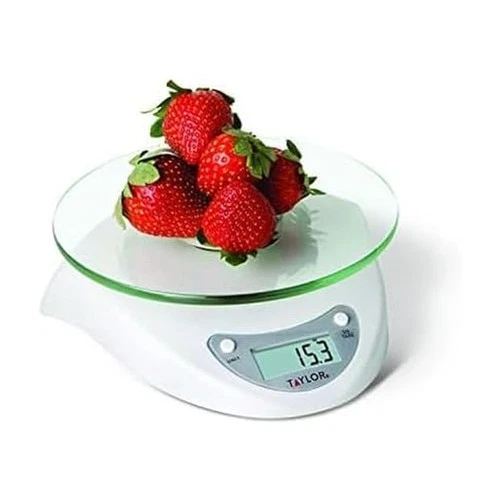
Choosing the right weighing device ultimately depends on your culinary habits, but if you want a reliable, versatile tool that handles everyday meal prep, casual baking, and occasional heavy batches without fuss, look for a standard 11 lb / 5 kg digital platform with a clear backlit display, a responsive touch or tactile tare button, and a durable stainless steel or tempered glass surface. Models like the or the strike an ideal balance between everyday precision, ease of cleaning, and compact countertop storage.

Please keep in mind that prices, stock availability, and shipping conditions change frequently and vary depending on the specific marketplace, seller, and item condition. Always double-check current product details on the listing page before completing your purchase to ensure the model matches your exact kitchen requirements.

Questions

Frequently asked questions

What is the difference between a 1g and 0.01g kitchen scale?

A standard 1-gram scale is designed for general cooking, meal prep, and everyday baking where exact fractions of a gram do not alter the outcome. In contrast, a 0.01-gram micro-scale offers high-precision sensing specifically needed for measuring active dry yeast, fine spices, coffee grounds, and chemical leaveners in artisan baking formulas.

Why should I avoid hanging-bowl and mechanical spring scales?

Mechanical spring scales and hanging-bowl designs suffer from physical wear over time. Springs stretch and fatigue, internal gear friction causes measurement drift, and hanging pans sway, introducing parallax errors. Modern digital load-cell scales offer superior accuracy with zero moving parts.

How much capacity do I need for batch cooking and bread baking?

For standard family-size baking and meal prep, an 11 lb or 5 kg capacity handles typical mixing bowls easily. If you frequently process large batches of bread dough, heavy meat portions, or bulk ingredients, you should look for high-capacity models that support 22 lb to 33 lb.

What does the tare function do on a digital kitchen scale?

The tare function resets the display back to zero after you place a mixing bowl or container on the platform. This allows you to add multiple ingredients sequentially into a single bowl without needing to manually calculate or subtract the weight of the container.