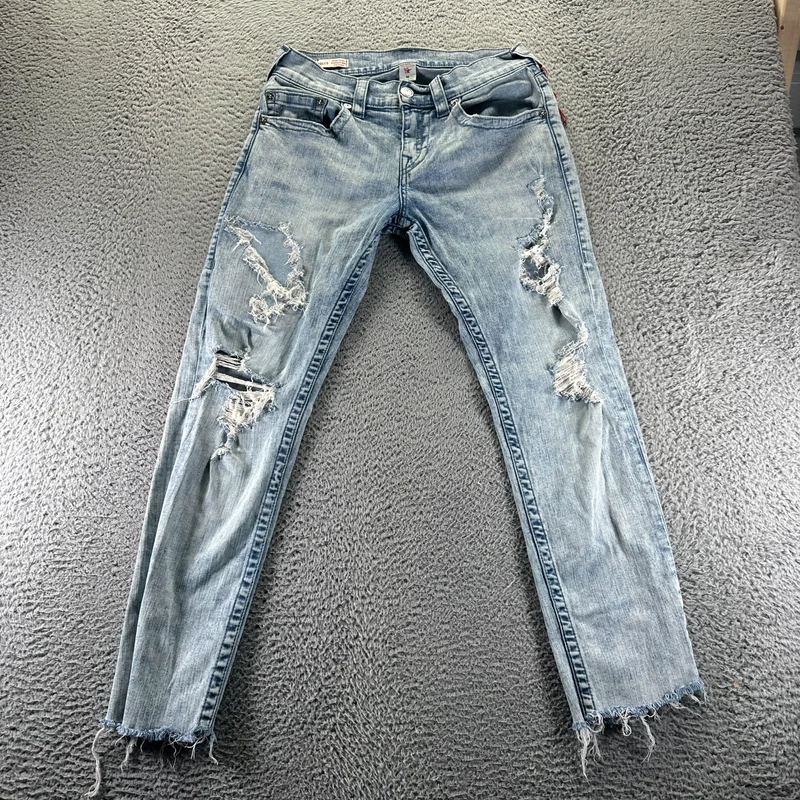
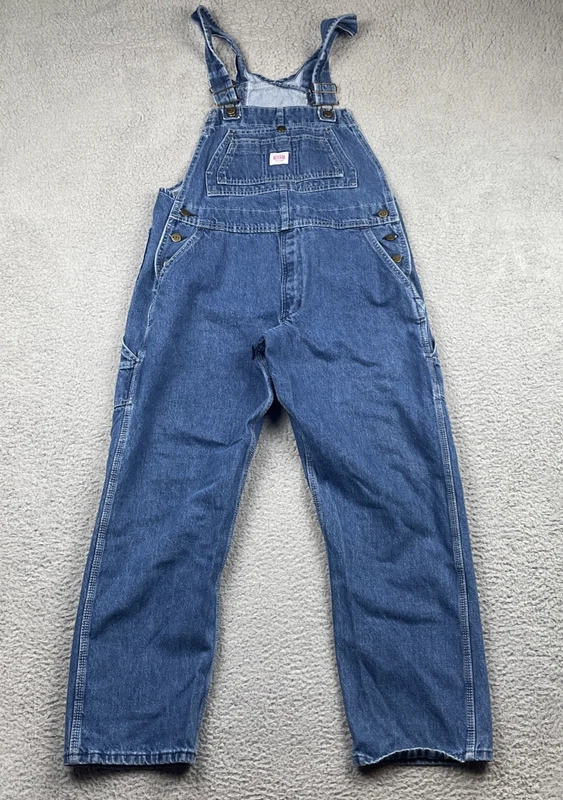
Labels are marketing, not engineering. Two brands can both call a pair straight and cut them completely differently. The reliable method is to look at three things in the listing: the thigh measurement, the leg opening, and whether the rise is described as high, mid or low. Here is how the four mainstream cuts actually differ once you strip the labels away.
Skinny: the smallest leg opening on the market
A true skinny jean tapers to roughly a 7-inch finished leg opening and fits close through the thigh and calf. It is the most demanding cut to buy without trying on and the least forgiving of a wrong size, because there is no stretch room anywhere below the waist. If a listing gives you a thigh and a leg opening and the numbers are tight, that is what you are signing up for.
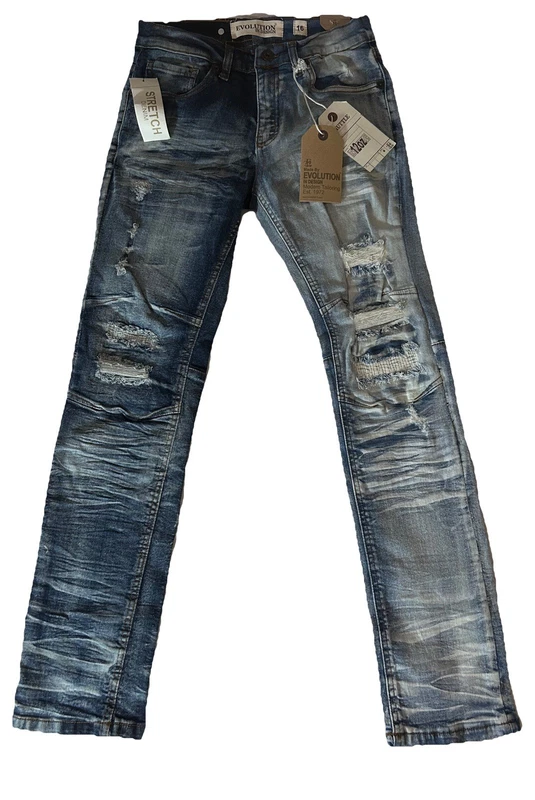
The two entry points here are worth comparing directly. The at $28.95 is the practical option: a youth size 16 pair with stretch denim, a low rise, a five-pocket design and a genuinely skinny leg. Stretch is the thing that makes a tight cut wearable, because it gives you back the half-inch the cut removed. The at $48.88 is the fashion option, with a distressed wash on a designer label and a seller who explicitly warns buyers to read the condition notes and watch for any difference between tag size and actual measurements — which is the single best sentence you can read on a pre-owned pair.
There is also a coated version worth knowing about. These at $45.00 have no size tag, so the seller gives you a 17-inch waist and a 29-inch inseam instead, with a mid-rise and a coated black finish. Leather-look coatings are typically more forgiving than raw denim because they have less surface friction, so the same cut feels easier to get into.
Slim: the cut most people actually mean
Slim sits between skinny and straight: close through the thigh, tapered but not tight through the calf, with a finished leg opening around 8 to 8.5 inches. It is the most forgiving of the modern cuts because it is not chasing a silhouette at the expense of comfort, and it is the safest choice for a first pair bought sight unseen.
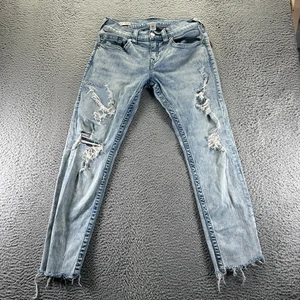
If slim is your target, prioritise listings that describe the fit rather than just printing a name. The at $45.02 with its US XXS to 2XL conversion chart is a good example of a listing you can trust to fit you, because the seller has documented the sizing rather than leaving you to guess between a size chart and a photo.
Straight and relaxed taper: the middle of the road
A straight leg is a constant width from knee to hem with roughly a 7.5 to 8-inch opening, so it reads as a clean column. Relaxed taper adds room through the seat and thigh and then brings the hem back in. Both are the easiest cuts to buy online because they hide small waist errors and small thigh errors equally well.
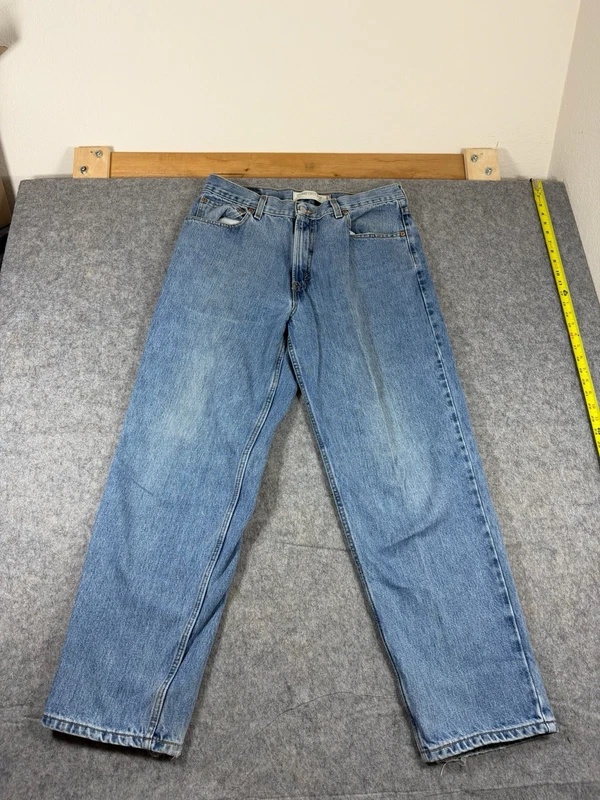
Two good examples: the at $34.95 in green, and the which we will come to next. The Duer pair carries free 60-day returns in the listing, which on eBay is an unusual and genuinely valuable thing to see on a used garment — a longer than-standard return window is a real risk reduction, not a marketing line.
Bootcut and wide leg: the widest, and the easiest to size online
Bootcut and wide leg both open up below the knee, which means the fit is almost entirely determined by the waist and thigh. A wide leg is genuinely forgiving: if the waist fits, the rest hangs. This is the most forgiving cut in the guide and the one to choose if you are nervous about buying jeans blind.
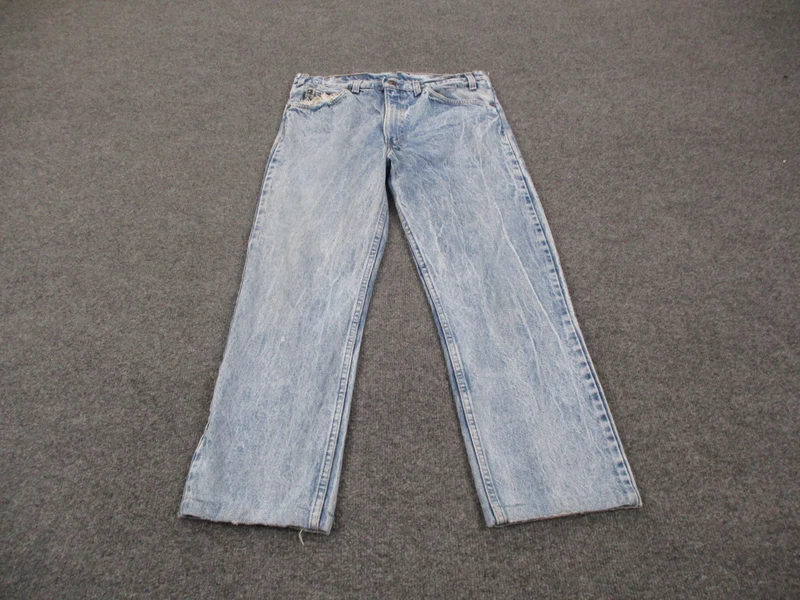
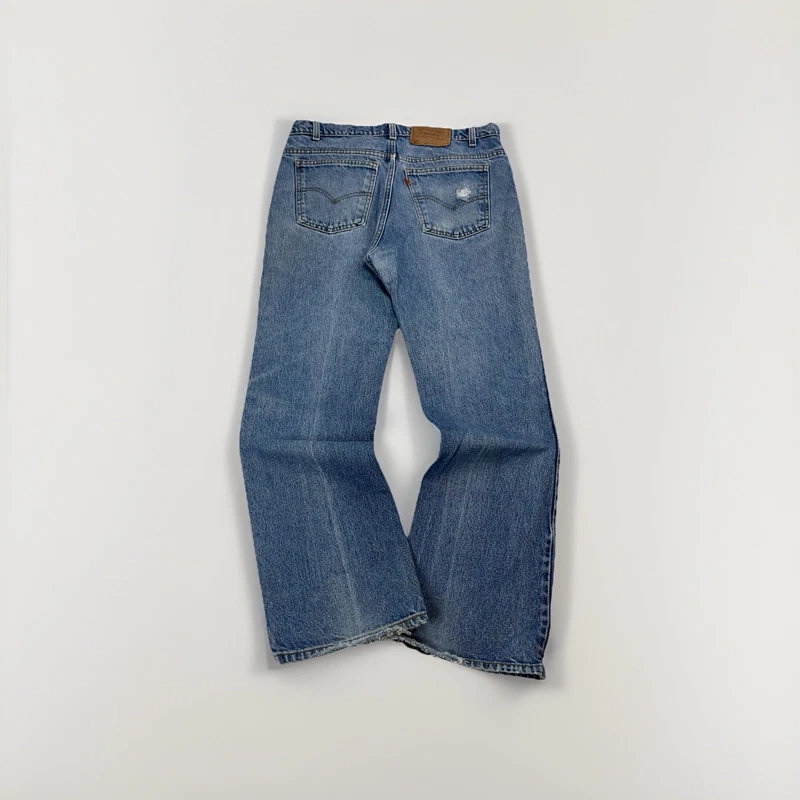
Two examples, both affordable. The at $20.00 is a size 8 capri with a tan wash, measurements in the photos, and a wide leg that does all the fitting work for you. The at $47.17 is the flagship example, with the 12.25-inch rise, 12-inch thigh and 9-inch leg opening published in the listing — a genuine 1990s bootcut in light blue, sized 34 by 30, and one of the few vintage silhouettes that still reads as intentional rather than dated.
If you want to understand how a single model number behaves across brands rather than just across sizes, our Levi's vs Wrangler vs Lee comparison is the natural next read.






 $45.02