JBL — the sounds-like-a-real-audio-company one
JBL has been making professional speakers since the 1940s, and that heritage shows in the tuning: JBL earbuds are built around its trademark Pure Bass sound — energetic, punchy and forgiving — which is why you will find them in gyms and on commutes as much as any brand in this budget class. On eBay, the JBL advantage is depth. Between brand-new sealed units and tested used models, JBL covers the whole $32–$80 range without a single awkward gap.
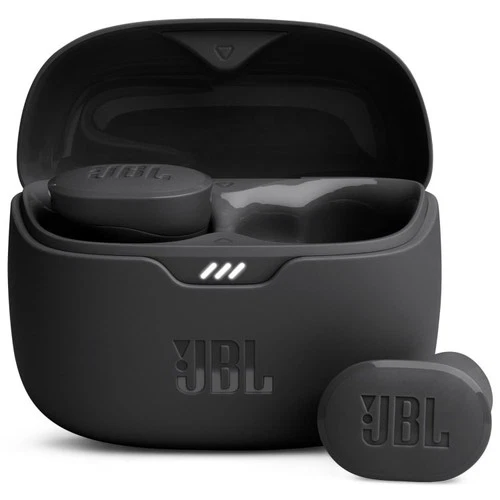
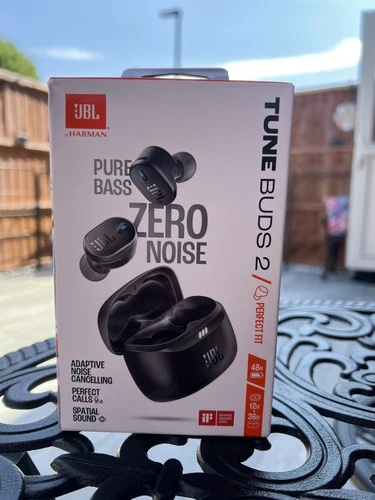
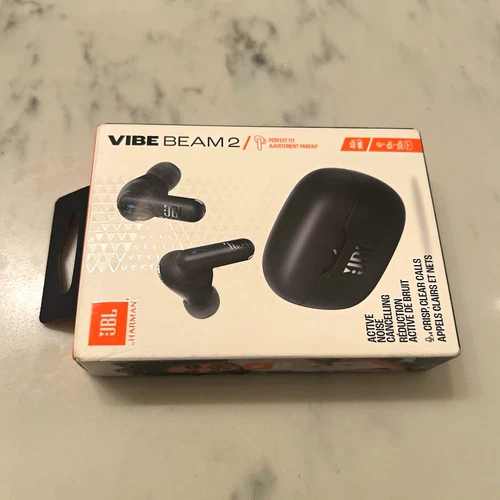
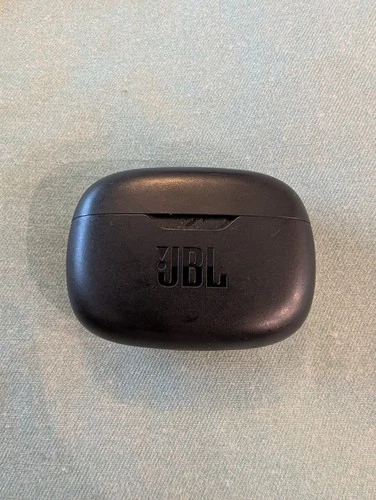
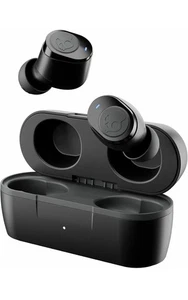
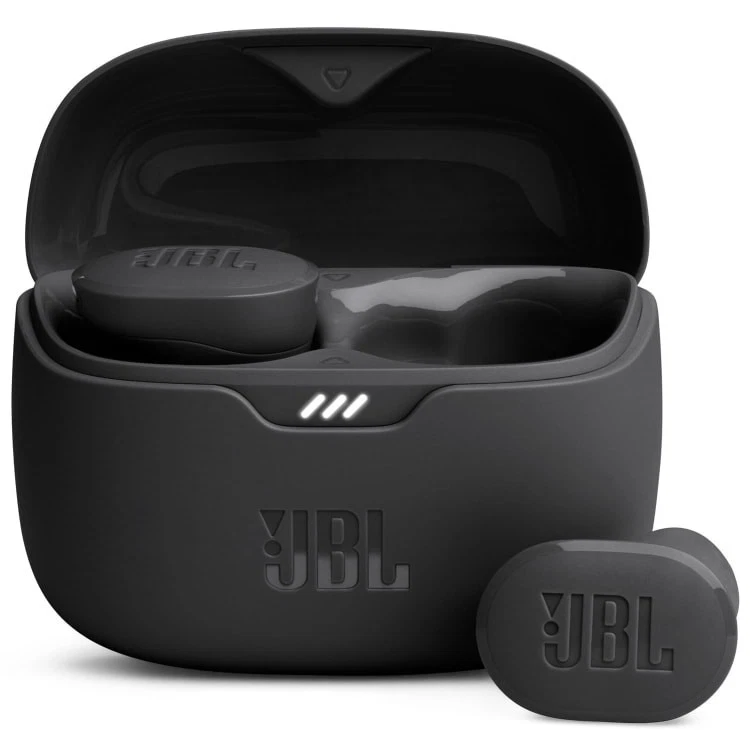
JBL's earbud lineup splits into tiers you can recognize at a glance. The Tune line is the mainstream: the (about $67 new, 48 hours of claimed total playtime) and the (about $78 new, with active noise cancelling and an authenticity guarantee on this listing) are the feature picks. At the value end, the brings ANC into the $32 new territory, while the tested-used at $40 keeps the same tuning at an even lower buy-in.
JBL's driving philosophy is consistency: buy any JBL earbud on eBay, new or used, and you can predict the sound before you open the box. That predictability is a superpower at the budget end, because it removes the riskiest variable of cheap audio — tuning that sounds wrong after a week. The trade-off is that JBL spends less energy on the headline number. Its mid-range models rarely win a spec-sheet battle against Soundcore, and its app is functional rather than lavish. You are paying for the sound signature and the brand's 80-year pedigree, and for a lot of buyers that is exactly the right currency.
Skullcandy — the style-first, price-obsessed one
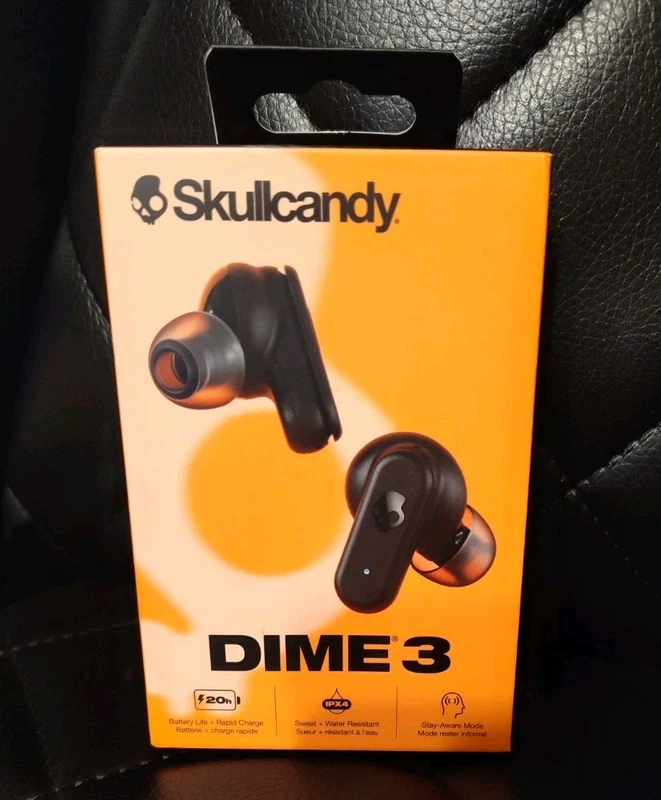
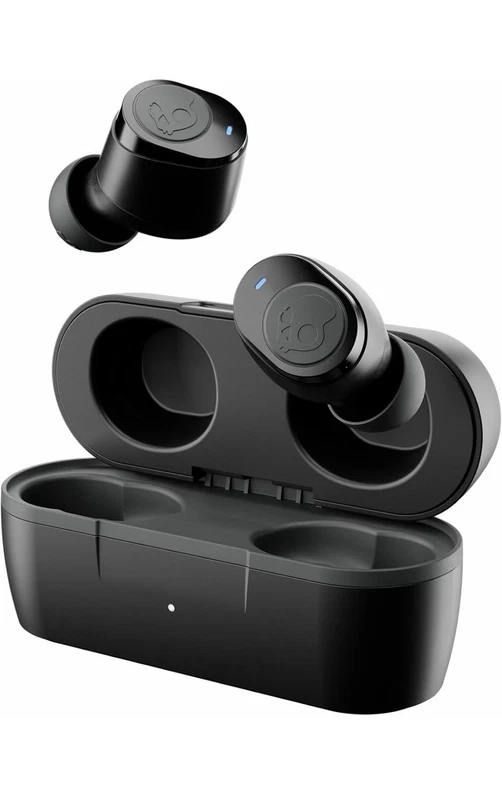
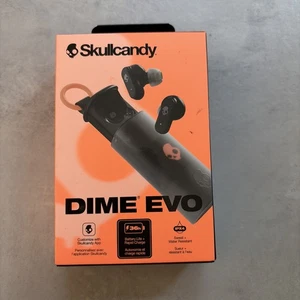
Skullcandy grew up as the skate-and-snowboard headphone brand, and its DNA is unchanged: bold colors, playful names and prices that undercut the field. You rarely buy Skullcandy for the spec sheet — you buy it because it is cheap, it looks fun, and it survives the kind of abuse that would worry owners of finer earbuds. The Dime series is the poster child for that approach.
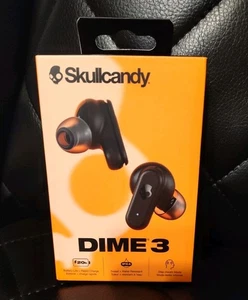
The deals on eBay put that on display beautifully. The is a new sealed set for about $17 with an 8-hour bud claim, rapid charge (10 minutes for two hours), multipoint pairing, EQ presets and Tile-style find-my tracking built in — absurd value in a $17 box. The bumps the price to about $27 new with IPX4 sweat resistance, and the at $28 stretches the battery claim to 33 hours. For sportier fits there is the at $30, and a tested-used at about $24 keeps the brand affordable on a tighter day.
Skullcandy's whole game is making the entry decision a no-brainer. Where JBL and Soundcore force you to pick a price tier, Skullcandy basically collapses the tiers: the entire earbud lineup lives between $17 and $30, so the only question left is which color. It also works harder than either rival on the small delights — quick charging, multipoint on a $17 set, a built-in finder — because it knows it cannot win a pure sound duel against Sennheiser DNA or an ANC face-off against Soundcore. Buy Skullcandy when the budget is the emergency, and you end up with more convenience per dollar than the price implies.
Anker / Soundcore — the feature-per-dollar champion
Anker became a household electronics name on chargers and cables, then built Soundcore into one of the most respected budget audio lines in the world — and it shows a very different philosophy from the other two. Where JBL sells heritage and Skullcandy sells price, Soundcore sells spec sheets: more drivers, more presets, more ANC for less money than either competitor. If you read product reviews of cheap earbuds and one brand keeps showing up, it is Soundcore.
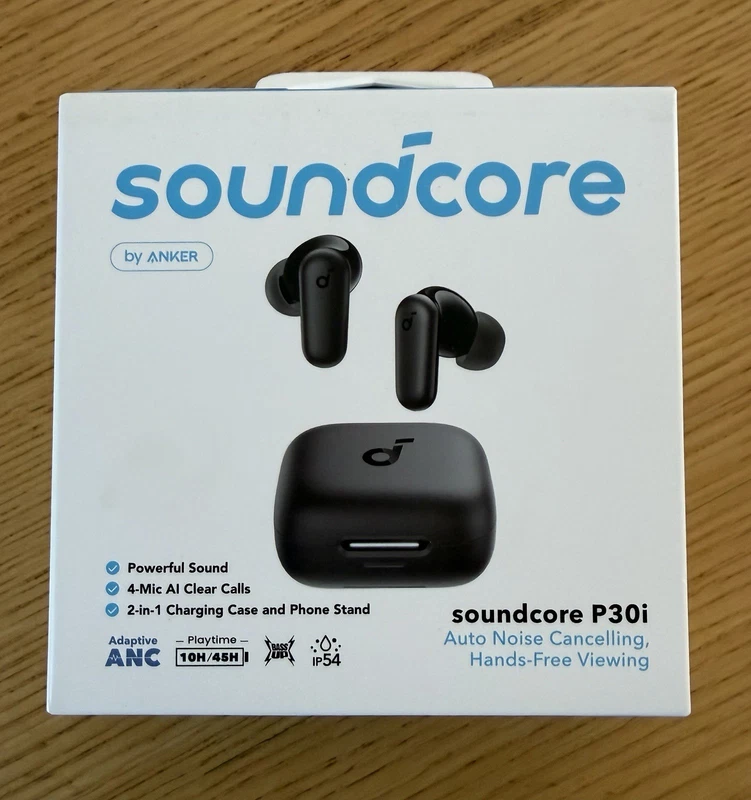
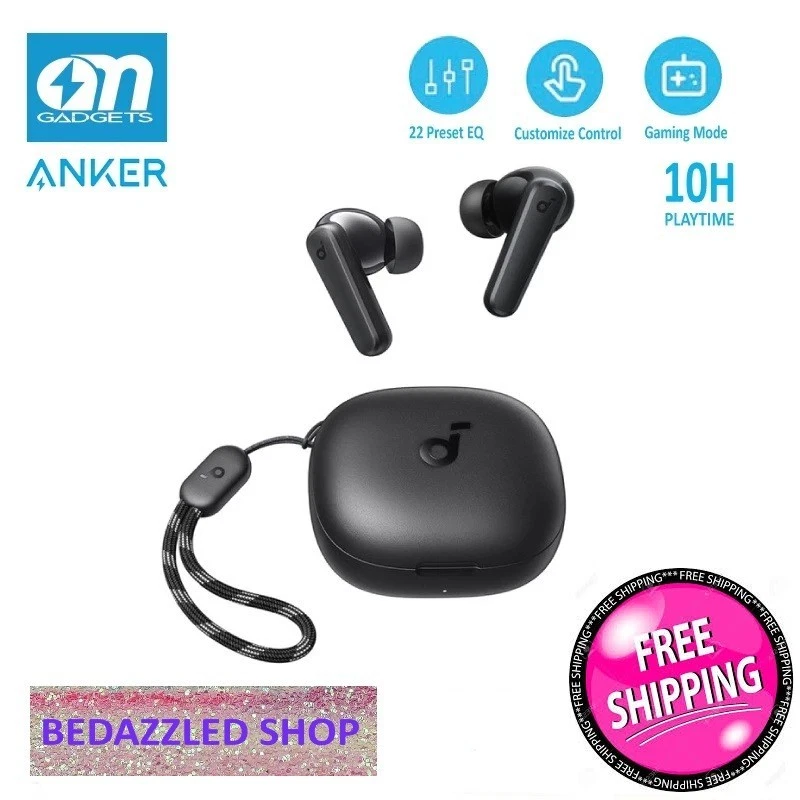
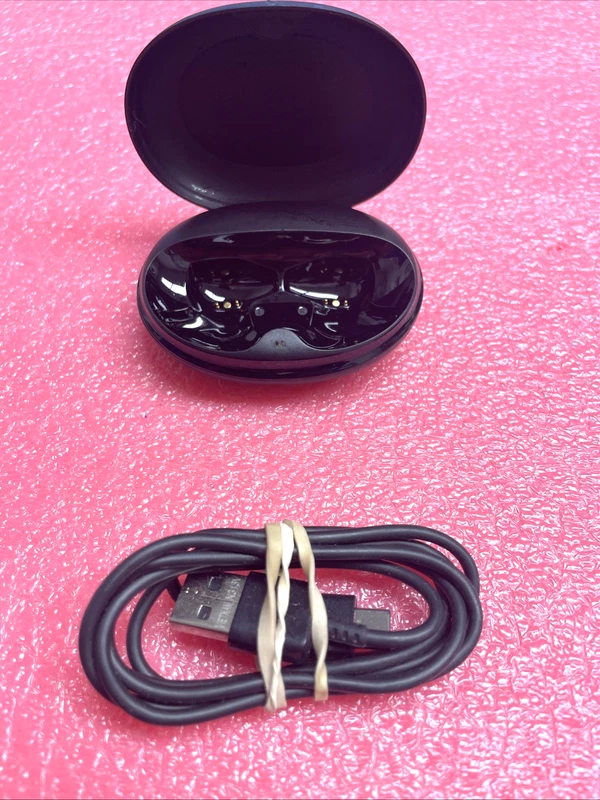
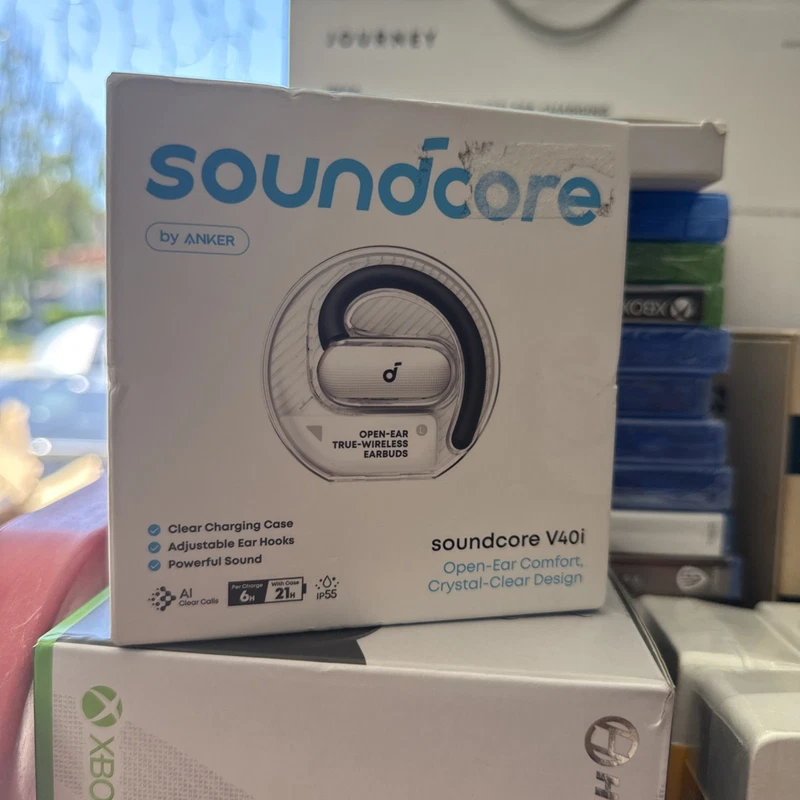
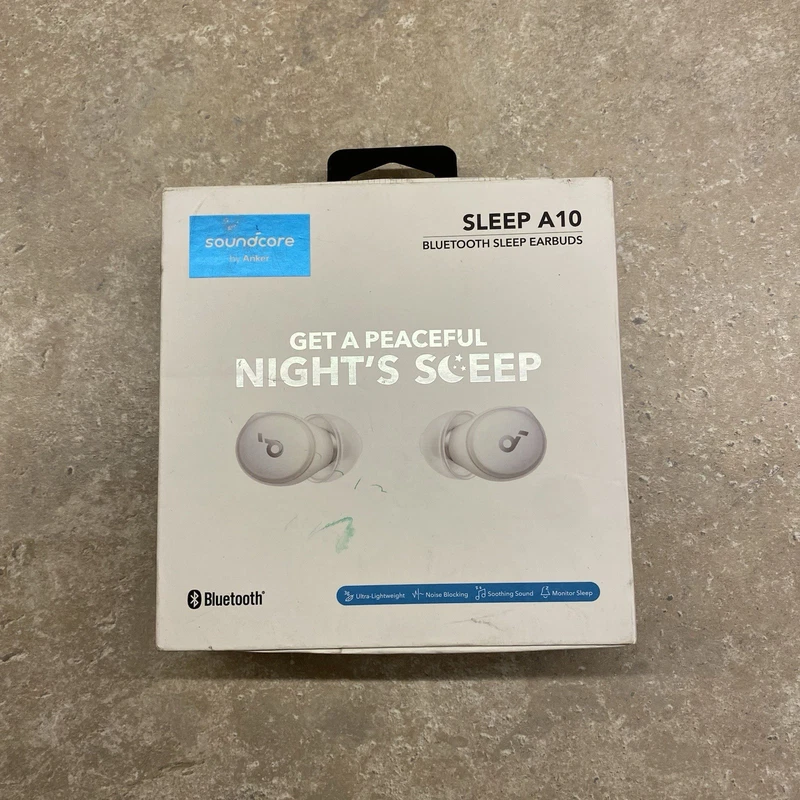
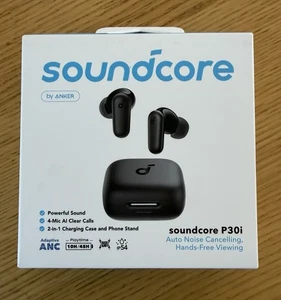
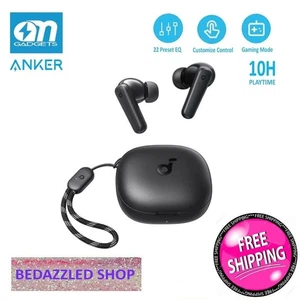
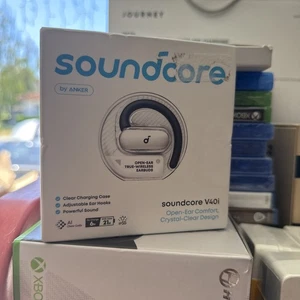
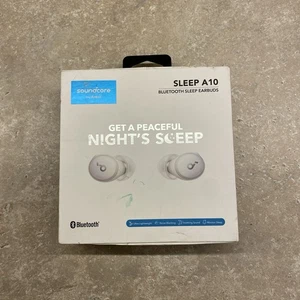
The eBay catalog proves the point. The is sealed and brand new at about $32 with adaptive active noise cancelling — the best price-to-ANC ratio in this entire comparison. At the other end, the at $75 packs 10mm drivers and 22 equalizer presets into a water-resistant shell. In between, the tested-used costs about $25, the open-ear is designed for cycling and running at $25, and the niche at about $92 even claims to double as a sleep-noise masker.
The risk with a feature-first brand is that you end up with a spec sheet instead of a sound profile, and it is a fair critique of some Soundcore models — the tuning is good but rarely distinctive the way JBL's Pure Bass or a Skullcandy thump is. What Soundcore gives back is control: the app equalizer on models like the R50i means the house tuning matters less, because you can shape it into anything from reference-flat to aggressive club bass. Add ANC pricing that startles JBL, and the bargain-bin survivors who actually read reviews tend to land on Soundcore more often than not.


 $67.44