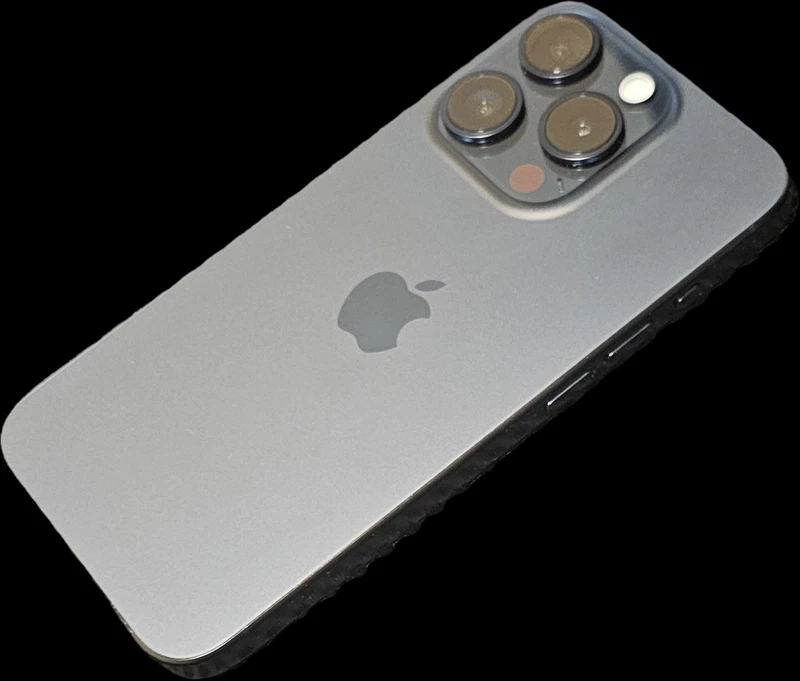
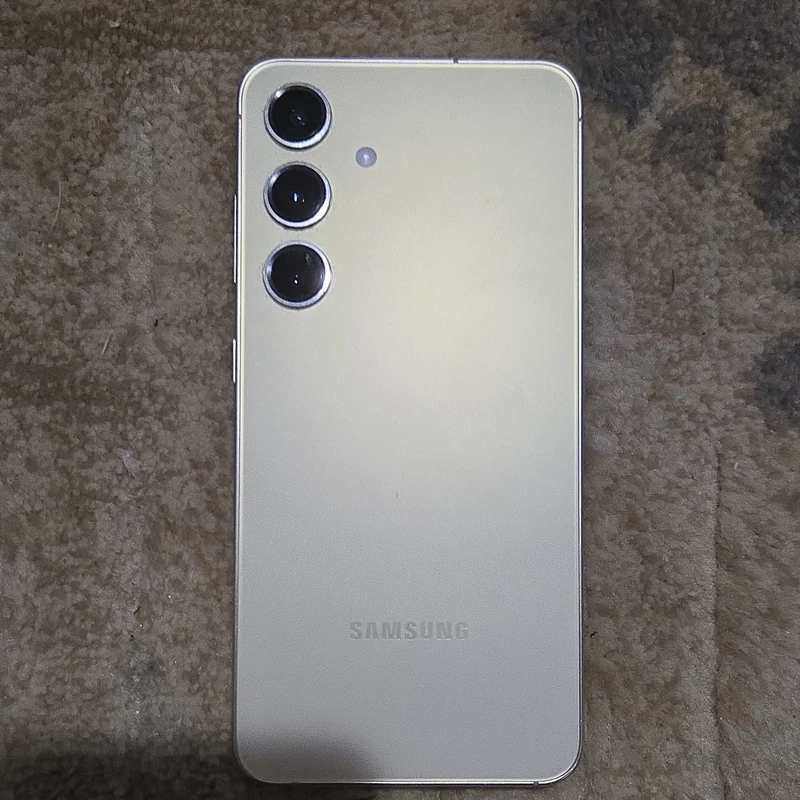
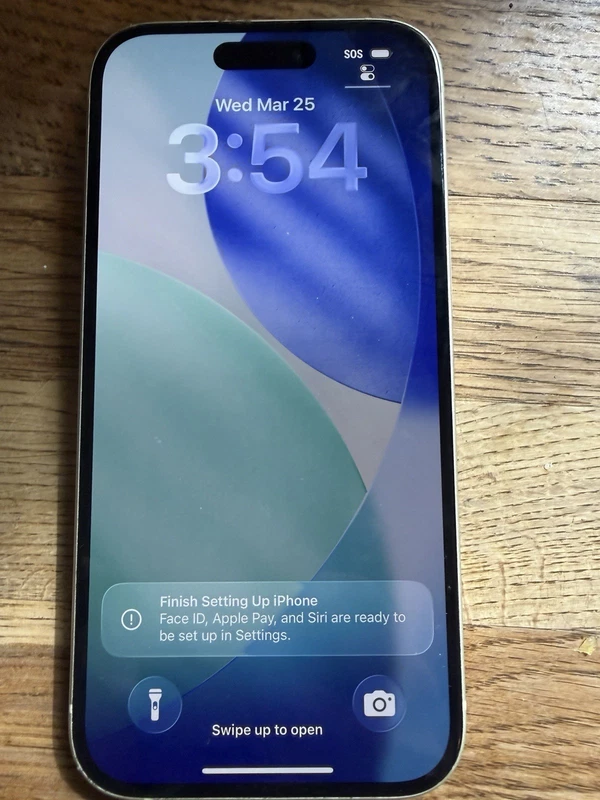
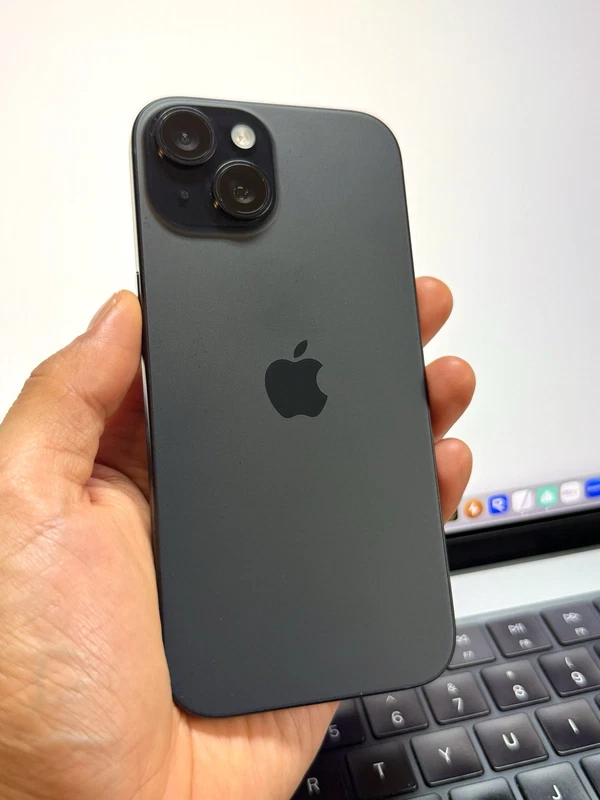
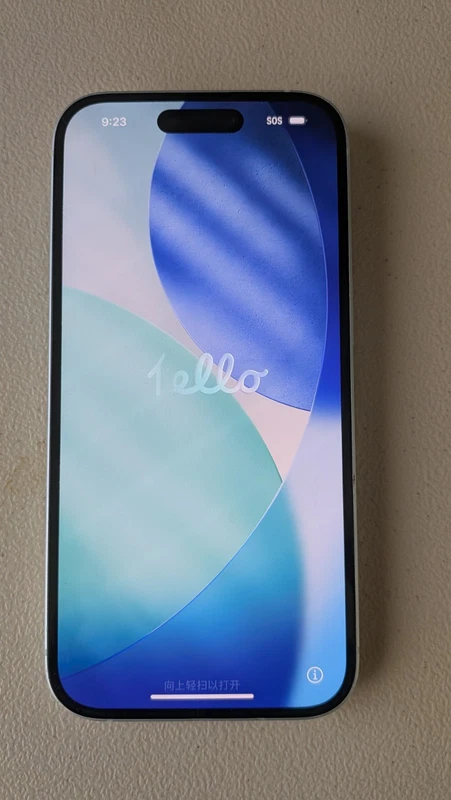
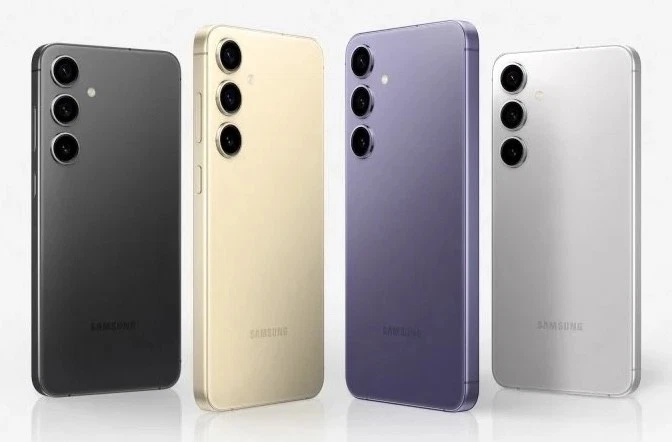
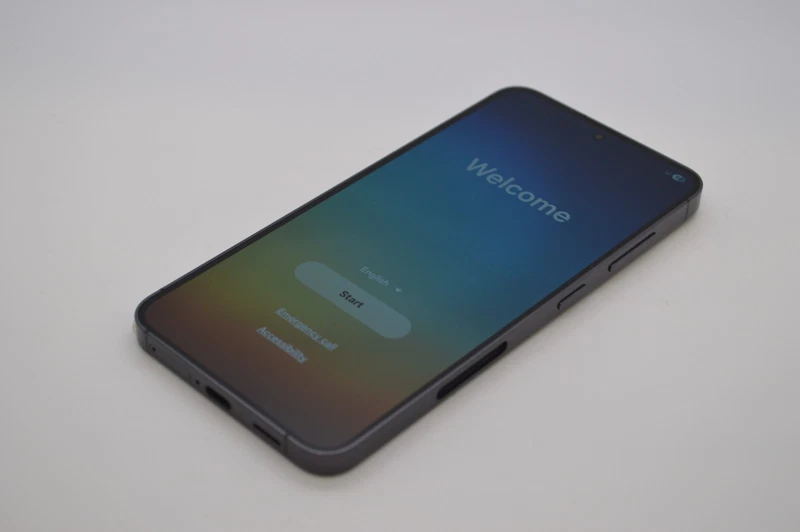
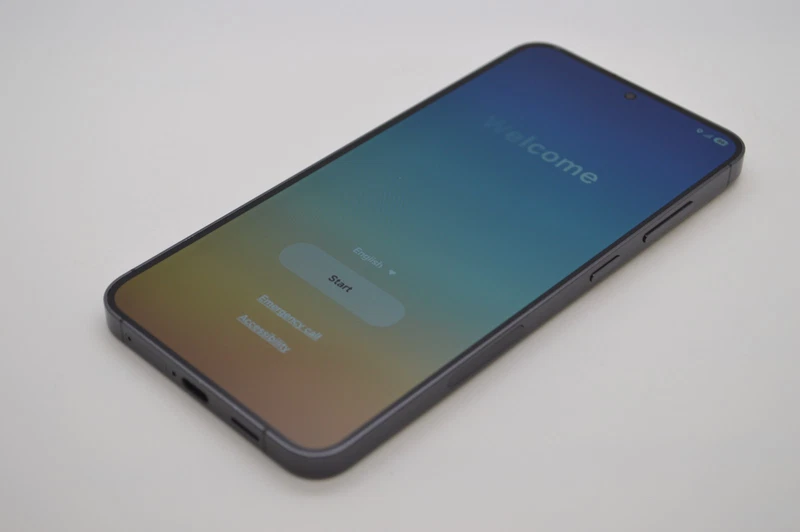
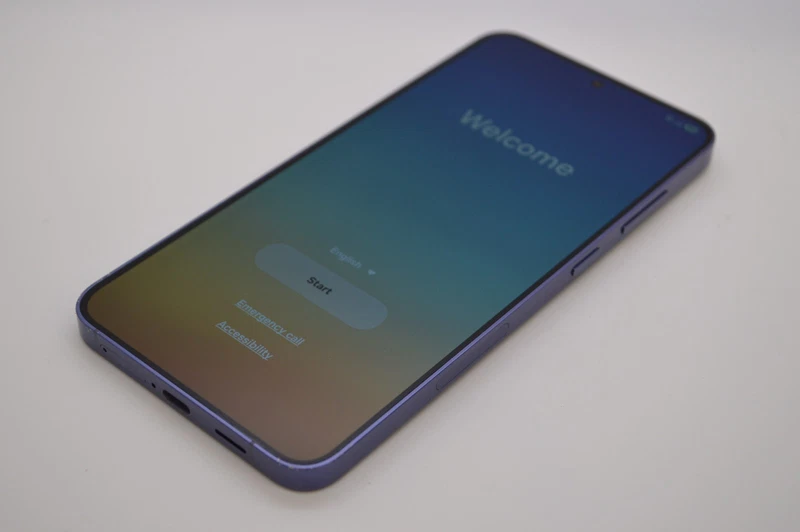
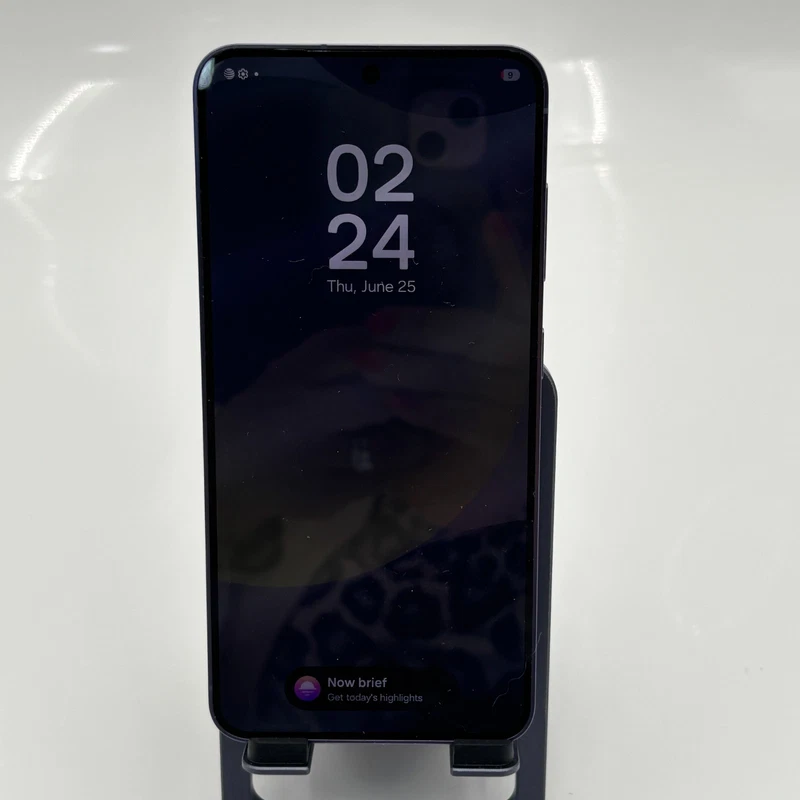
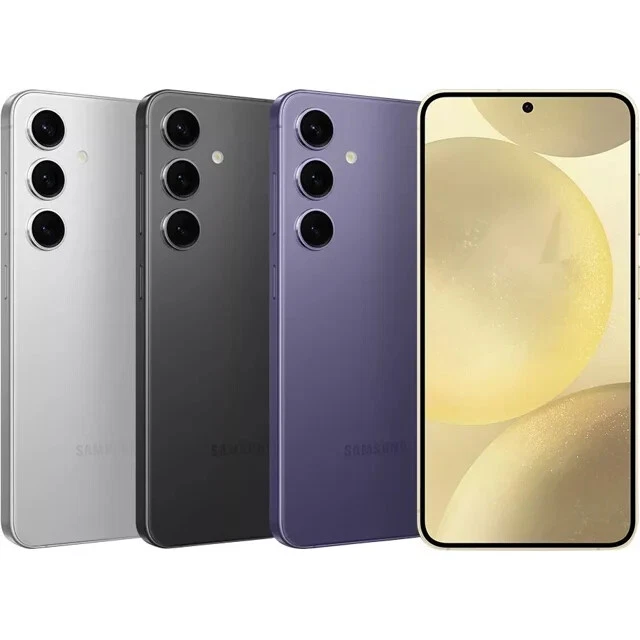
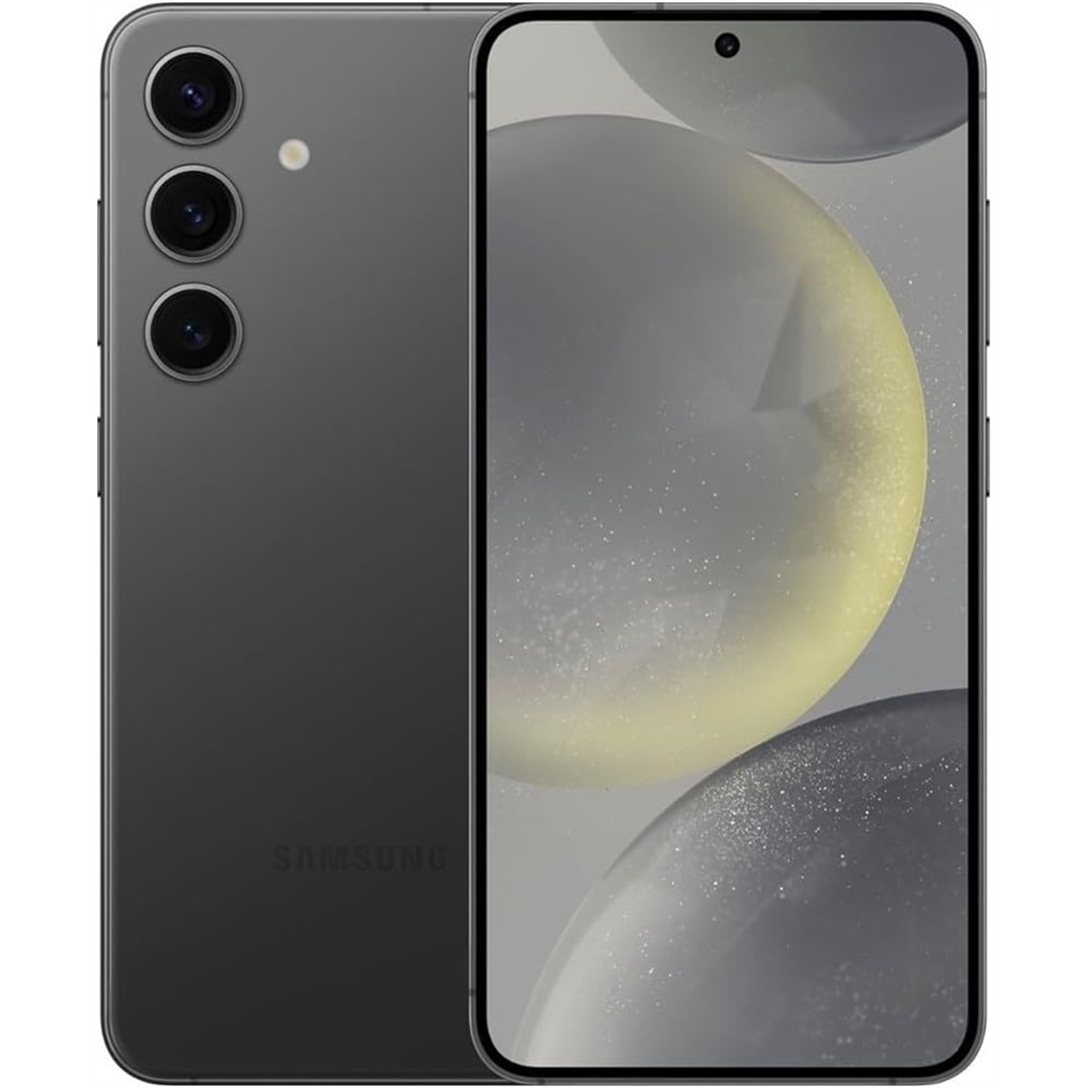
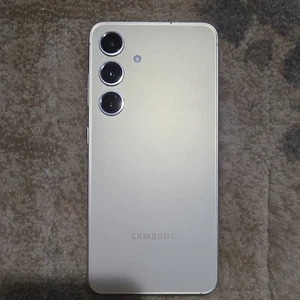
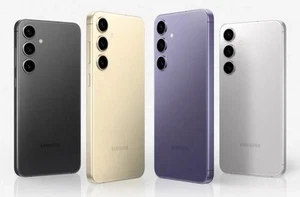
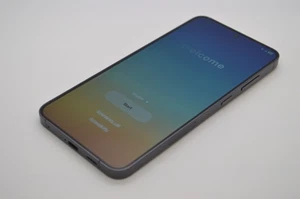
Samsung's 2024 base flagship is the more spec-forward of the two on paper, and the listings back that up. The new is described as an unlocked Android 14 handset with a 6.2-inch display, a 50MP rear camera, 128GB of storage and 8GB of RAM. A more technical listing for a gives the full chassis spec: 147.0 by 70.6 by 7.6 millimetres, 167 grams, Gorilla Glass Victus 2 on both front and back, an aluminium frame, and an IP68 rating for water resistance up to 1.5 metres for 30 minutes.
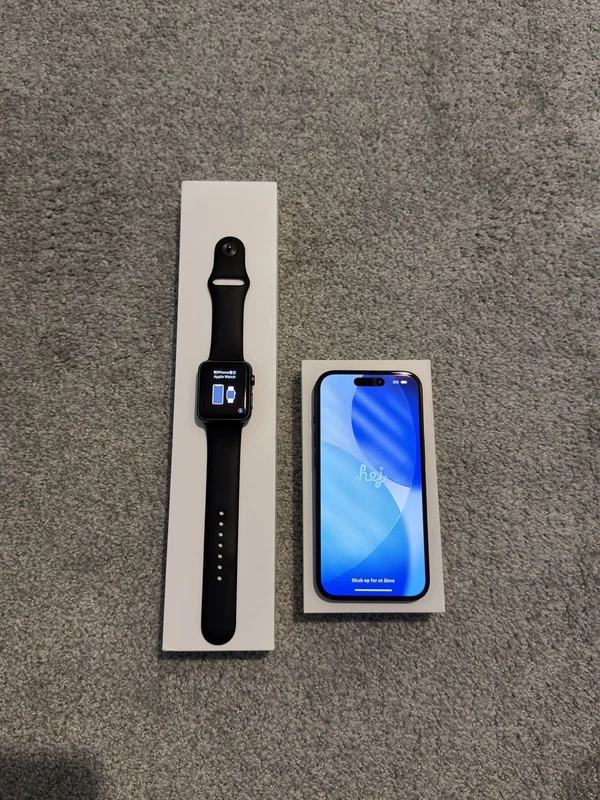
That is a well-built phone. The aluminium frame, the Victus 2 glass on the back as well as the front, and the ultrasonic in-display fingerprint sensor all read as premium choices, and the 8GB of RAM matters more for longevity than the megapixel comparison suggests. One 128GB listing even itemises the package contents — device and charging cable, no SIM card, no headphones, no original box — which is normal for a certified used dealer and worth knowing before you compare it to a boxed unit.
Seven years of updates is the headline nobody argues with
Samsung committed to seven years of OS and security updates for the S24 series. That is the single most concrete advantage the Galaxy has over the iPhone in this comparison, because it means a phone bought today should still be receiving security patches well into the 2030s. If you keep a phone for five or six years, that is decisive. If you upgrade every two or three years, it is close to irrelevant.
Everything else about Android is a matter of taste rather than capability. The S24 launched on Android 14 with Samsung's skin on top, which is heavily customised, and the honest observation is that Samsung's interface still carries more preinstalled software than iOS does. None of that is a dealbreaker, and all of it is something you either live with happily or cannot live with at all.
The S24 family, and where the Plus actually lands
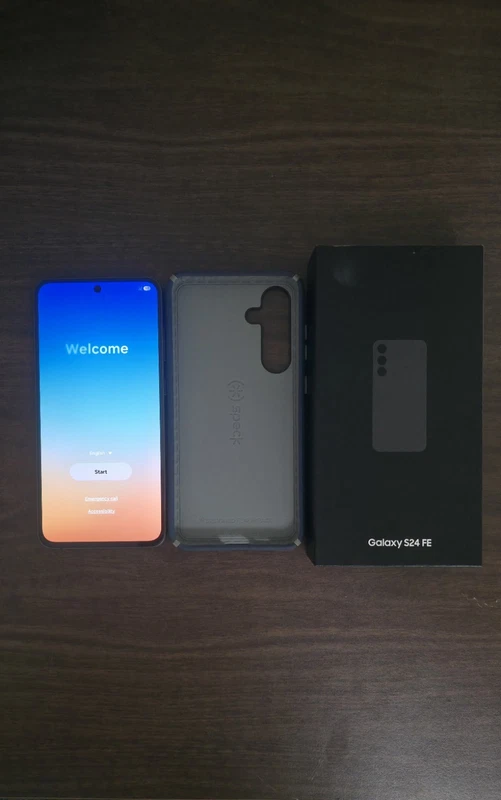
The S24 range is wider than the iPhone 15 range, and the used listings show that width as a genuine price advantage. The base 128GB S24 was turning up between roughly $275 and $330 depending on cosmetic grade — a described as very good condition with no scratches or screen cracks is the cleanest of them. The S24 Plus 256GB was listed at $324 and $331. The S24 FE 128GB was at $279.99 with the original box and a Speck case, or $319.99 as a phone-only unit described as excellent condition. And the appeared in fair cosmetic condition, fully functional and professionally evaluated.
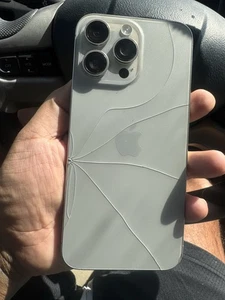
That last number deserves a second look. An Ultra-grade device at a price under what the base model costs new on paper is the kind of arithmetic that makes the Galaxy side of this comparison genuinely competitive — provided you are honest with yourself about the cosmetic condition you are accepting. If you want the biggest screen and the best camera array for the least money and you can live with visible wear, this is where the S24 wins outright.








 $399.0