Tahabay icon tahabay

German vs Japanese Knife: The Ultimate Culinary Face-Off

Compare the german vs japanese knife style to discover which blade profile, steel hardness, and cutting feel fits your home kitchen.

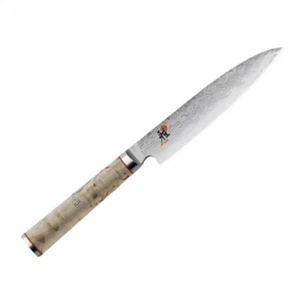
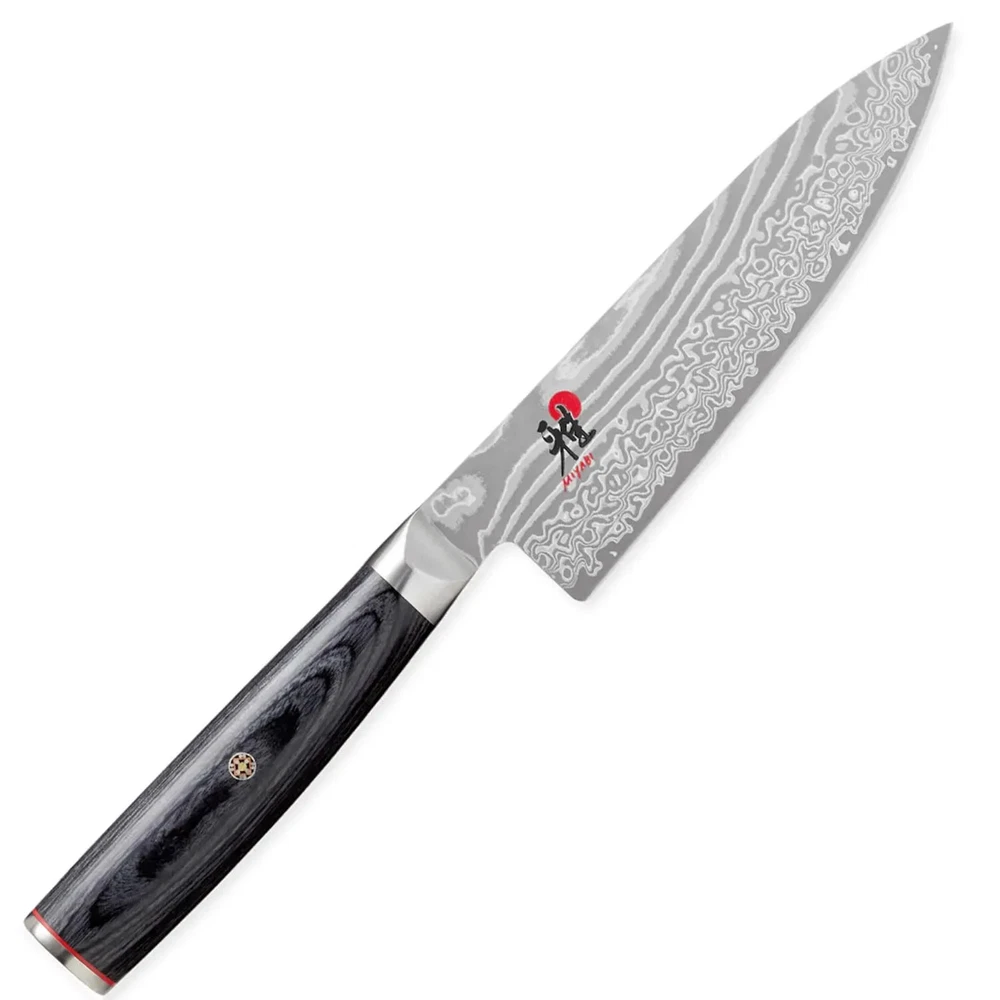
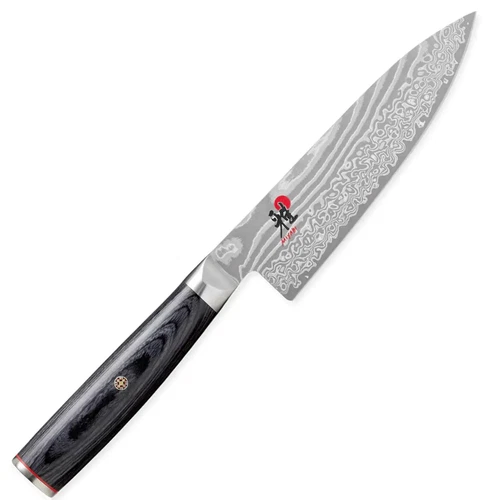
Miyabi 5000FC-D Gyuto 160mm Damascus Japan

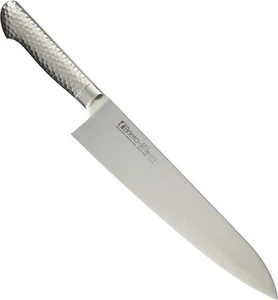
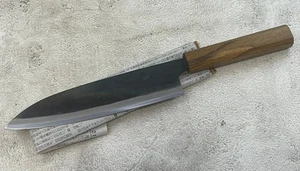
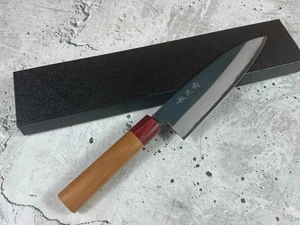
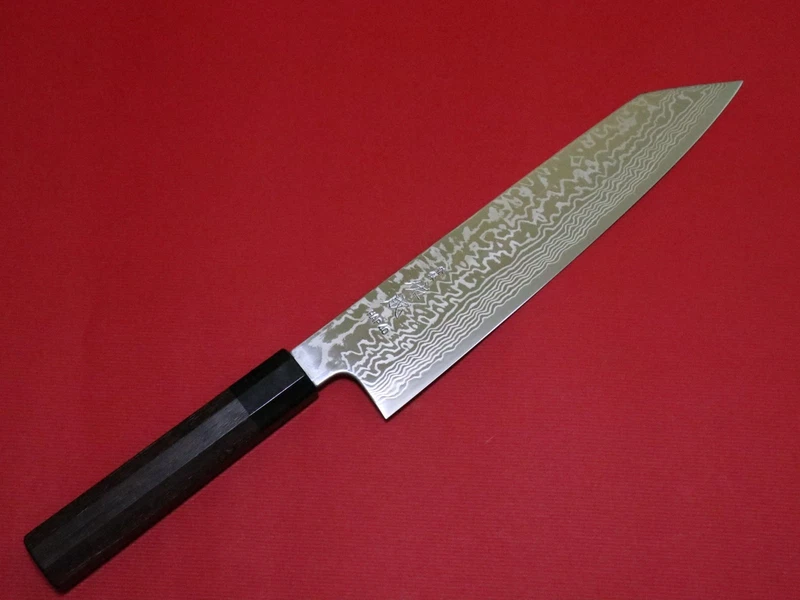
When it comes to choosing the ultimate kitchen blade, the legendary face-off between European utility and Eastern refinement comes down to a fundamental philosophy of steel, geometry, and purpose. If you want the short version of who wins this heavy-hitting matchup: neither style takes an absolute crown across every kitchen task, but the Japanese style typically wins for precision slicing, delicate vegetable work, and lightweight agility, while the German style wins for brute-force durability, heavy rocker-chopping, and zero-fuss maintenance. A high-end Japanese blade like the or a handcrafted option such as the brings laser-like cutting performance to your board, whereas classic Western cutlery handles the rough-and-tumble demands of breaking down chickens and hacking through winter squash with thick-spined confidence.

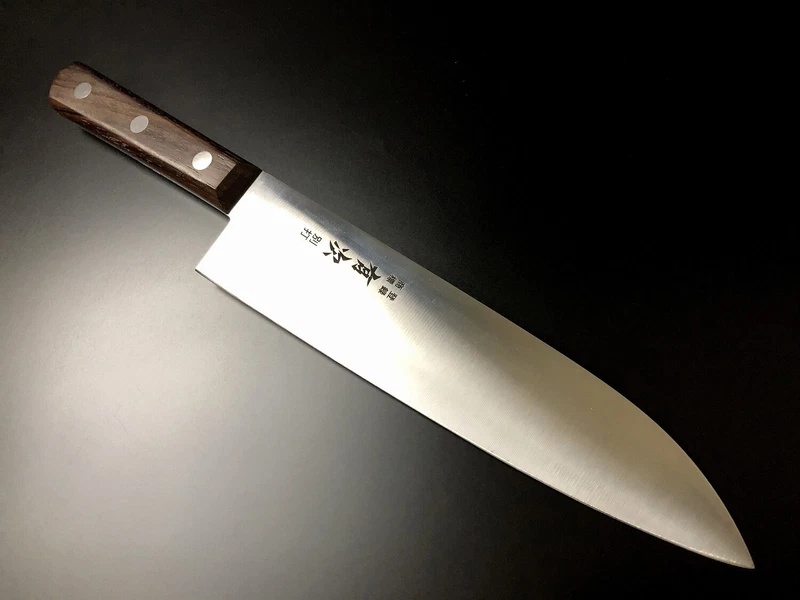
Understanding this rivalry requires looking beyond simple brand names into centuries of distinct blacksmithing traditions. German kitchen knives, famously forged in manufacturing hubs like Solingen, are designed as absolute workhorses. They use softer, tougher stainless steel, thicker spines, and a heavy bolster that acts as a finger guard and balances the blade. Japanese knives, rooted in samurai sword-making heritage from regions like Seki, Sakai, and Tosa, prioritize extreme hardness, razor-thin geometry, and feather-light maneuverability. Whether you are looking at a budget-friendly option like the or an exquisite piece of craftsmanship like the , the differences in how these blades interact with your food are dramatic.

Before diving into the metallurgical weeds, remember that upgrading your kitchen tools often goes hand in hand with other culinary investments. If you are refining your entire cooking setup, you might also want to explore the Best Kitchen Knife Sets Under $100 to see how factory sets compare to individual artisan blades. Let us break down exactly how German and Japanese knives differ in metallurgy, geometry, grinding traditions, and everyday kitchen use.

Part 1

Hardness, Edge Retention, and Metallurgy: Soft Steel vs. Super Steels

The core difference between German and Japanese chef knives begins in the chemistry of the steel and the heat treatment it receives. German knives typically use high-carbon stainless steel (often designated as X50CrMoV15) hardened to around 56 to 58 on the Rockwell C scale (HRC). This lower hardness rating means the steel is significantly softer, more flexible, and more forgiving. If you twist a German knife slightly while cutting or accidentally hit a small bone, the edge is far more likely to roll slightly rather than chip. Rolling an edge is an easy fix with a steel rod; chipping a hard Japanese blade requires extensive and tedious sharpening on whetstones.

Japanese blades, by contrast, frequently employ high-performance core steels like VG-10, SG2 (R2), HAP40, or traditional high-carbon steels like Shirogami (White Steel) and Aogami (Blue Steel). These steels are hardened to anywhere from 60 to 65+ HRC. The incredible hardness allows Japanese blacksmiths to grind the edge to a much steeper, narrower angle—often around 9 to 15 degrees per side, compared to the 20-degree bevel standard on most German cutlery. This exceptional hardness yields astonishing edge retention. A knife like the or its slightly shorter sibling, the , holds a razor-sharp edge for months of heavy home cooking where a softer German knife would require regular touch-ups.

However, extreme hardness introduces brittleness. If you drop a high-HRC Japanese knife onto a hard tile floor or try to hack through frozen meat, it can shatter or chip out a chunk of the cutting edge. For traditionalists who love classic reactive steels, options like the offer incredible micro-structures and ease of sharpening, but they demand respect. If you prefer a slightly more forgiving entry into traditional carbon steel, tools like the or the provide phenomenal tactile feedback on the stone, though they require meticulous cleaning and drying to prevent unwanted oxidation.

For those who want high performance without the high-maintenance headache of reactive carbon steel, modern stainless and semi-stainless options bridge the gap. Consider the or the longer-reach , both engineered to deliver outstanding corrosion resistance alongside tough, reliable cutting geometry. Similarly, the uses specialized molybdenum steel to offer great stain resistance and effortless sharpening for everyday home cooks.
Sukenari HAP40 Kiritsuke Gyuto 270mm Japan$703.99

Sukenari HAP40 Kiritsuke Gyuto 270mm Japan

eBay Description About this item: Sukenari HAP40 Steel Kiritsuke Gyuto Chef Knife 10.6" 270mm Buffalo Handle JAPAN Known as the "Steel of Sukenari," this 10.6-inch (270mm) handmade Japanese chef knife features a double-edged kiritsuke blade forged from premium

See the live listing →
Sukenari HAP40 Kiritsuke Gyuto Chef Knife$586.49

Sukenari HAP40 Kiritsuke Gyuto Chef Knife

eBay Description About this item: Sukenari HAP40 Steel Kiritsuke Gyuto Chef Knife 9.4" 240mm Buffalo Handle JAPAN This 9.4-inch (240mm) Sukenari chef knife, known as the "Steel of Sukenari," features a double-edged kiritsuke blade made from premium HAP40 powde

See the live listing →
Aritsugu Blue Steel Santoku 180mm Japanese Knife$270.0

Aritsugu Blue Steel Santoku 180mm Japanese Knife

eBay Aritsugu 180mm Black Finish Santoku - Hand-Forged Blue Steel #2 - The Choice of Professional Chefs at Tsukiji Market Experience the legendary sharpness of Aritsugu, a master blacksmith with over 450 years of history. Why Choose Aritsugu? ✓ Dramatic Change

See the live listing →
ARITSUGU Carbon Steel Gyuto Kitchen Knife$179.28

ARITSUGU Carbon Steel Gyuto Kitchen Knife

eBay Japanese Chef's Knife ARITSUGU Carbon Steel Gyuto Kitchen 240mm 9.44" Detailed Description You can cut meat, fish and vegetables easily. Your cooking will go through a dramatic change! This is a Gyuto knife . It is made of carbon steel. It has a thin, lon

See the live listing →
Aritsugu Gyuto Carbon Steel Chef Knife 180mm$148.36

Aritsugu Gyuto Carbon Steel Chef Knife 180mm

eBay Japanese Knife Chef ARITSUGU Gyuto Carbon Steel 180 mm 7.08" Gift Japan Knife Detailed Description You can cut meat, fish and vegetables easily. Your cooking will go through a dramatic change! This is the Japanese Gyuto knife. It is made of carbon steel.

See the live listing →
Kataoka Gyuto Knife 180mm Brieto M11pro$142.5

Kataoka Gyuto Knife 180mm Brieto M11pro

eBay About This Product Weight: 5.3 oz (150 g) Size: Blade Length: 7.1 inches (180 mm) Blade: Japanese steel / knitting blade; Handle: 18-8 stainless steel Made in Japan Kataoka Seisakusho Brieto-M11pro Takeko Japanese Steel Gyuto Knife 7.1 inches (180 mm) Shi

See the live listing →
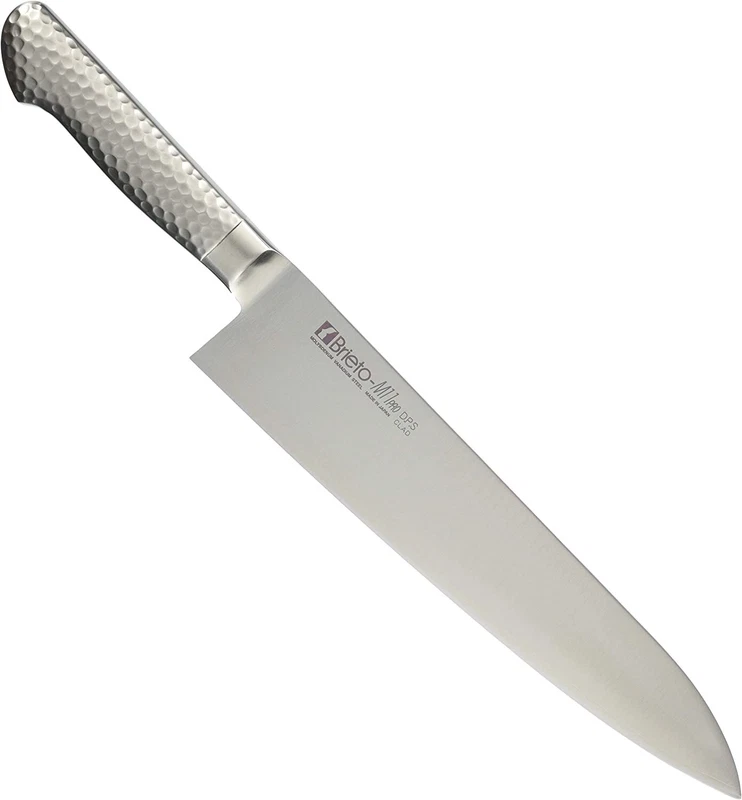
Kataoka Gyuto Chef Knife 270mm Brieto M11pro DPS$185.16

Kataoka Gyuto Chef Knife 270mm Brieto M11pro DPS

eBay About This Product Body weight: 245g Size: Overall length: 410, Blade length: 270mm Blade: Molybdenum vanadium steel, Handle: 18-94 stainless steel Country of origin: Japan Shipping Policy ⚠ Incorrect Shipping Address Contact us as soon as possible. Re-or

See the live listing →
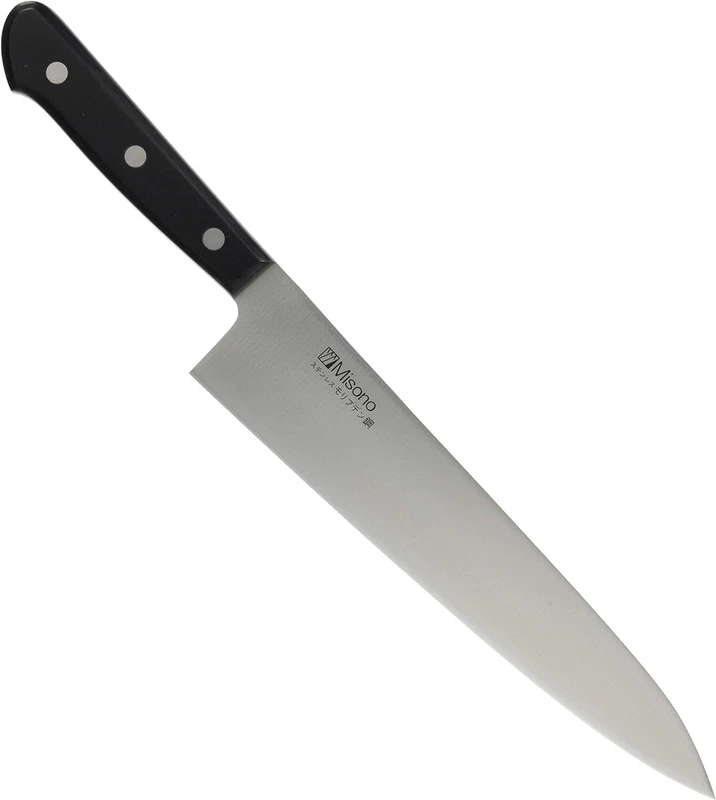
Misono Molybdenum Gyuto Chef Knife 21cm$88.22

Misono Molybdenum Gyuto Chef Knife 21cm

eBay letitbl Misono (Misono) molybdenum steel Gyuto (collarless) No.612 / 21cm Item Description Payment We accept payment only through PAYPAL. Shipping We ship products worldwide through standard express courier service, we ship the product after recieved clea

See the live listing →
Part 2

Geometry, Grinding Traditions, and Cutting Feel

Steel composition is only half the story; blade geometry dictates how a knife actually feels when it hits the cutting board. German knives are traditionally wedge-shaped in cross-section. The spine is thick and sturdy, tapering gradually down to a relatively thick cutting edge. Furthermore, German knives almost universally feature a full bolster—a thick collar of steel where the blade meets the handle. While this bolster provides a nice counterweight and protects your index finger, it has a major drawback: once you sharpen the knife a few dozen times, the blade wears down right in front of the bolster, creating a hump that prevents the heel of the knife from making full contact with the cutting board.

Japanese knives throw out the heavy bolster in favor of a bolsterless construction (often called half-bolstered or collarless) or traditional Japanese wa-handles made of light wood with buffalo horn ferrules. Without a bolster obstructing the heel, you can utilize the entire length of the blade, and sharpening the knife over the years is infinitely easier. The grinding traditions of Japan also result in a much thinner profile behind the edge. Instead of a thick wedge that splits dense ingredients like carrots and potatoes, a Japanese gyuto acts like a laser, slicing cleanly through food with minimal resistance.

Consider the feather-light agility found in pieces like the or the Echizen-forged . These blades feature traditional kurouchi (blacksmith's finish) finishes and extremely thin profiles that glide through produce. If you want a striking aesthetic coupled with modern manufacturing precision, options like the or the magnificent showcase exquisite damascus cladding and micro-carbide steel matrices that reduce friction against food.

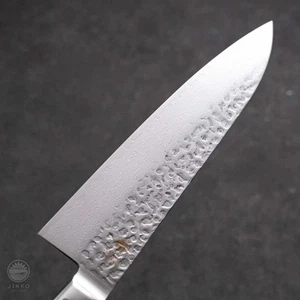
For cooks who appreciate striking visual patterns and heavy-duty artisan flair, handcrafted blades such as the and the hammered masterpiece demonstrate the pinnacle of Japanese blade-smithing artistry. The hollows or hammered indentations (tsuchime) on blades like the Jikko help release starchy foods like potatoes from the side of the blade as you slice. If you are exploring various styles of international cutlery, you might also find it helpful to look at general kitchen setups or even other culinary tools like those discussed in our guide to the Best Coffee Makers & Espresso Machines Under $200 for mornings when your kitchen prep is finished.

Tsukasa Shirogami Gyuto 165mm Oak Handle$128.22

Tsukasa Shirogami Gyuto 165mm Oak Handle

eBay Experience Tosa Craftsmanship in a Kurouchi Gyuto The Tsukasa Shiro Kuro Gyuto 165mm is hand-forged in Tosa, Japan using traditional techniques. Shirogami #1 [White Steel #1] carbon steel with soft iron cladding, finished in kurouchi. A compact, agile che

See the live listing →
Muneishi Gyuto 180mm Aogami 2 Kurouchi$173.13

Muneishi Gyuto 180mm Aogami 2 Kurouchi

eBay Experience Third-Generation Echizen Blacksmithing in a Kurouchi Gyuto The Muneishi Aogami 2 Iron Clad Gyuto 180mm is hand-forged in Echizen, Japan by Kosuke Muneishi - the third-generation blacksmith of Muneishi-hamono, a workshop founded in 1955. San Mai

See the live listing →
Seki Knives Iseya Jihei Gyuto 8A Knife$208.08

Seki Knives Iseya Jihei Gyuto 8A Knife

eBay All of our prices are tax and duty inclusive. You can purchase with confidence and no additional costs upon delivery. Seki Knives Iseya Jihei Gyuto Knife 8A Chromium molybdenum steel limited From JP >> --> >> --> Description >> --> Product Details Manufac

See the live listing →
Miyabi 5000MCD Gyuto Knife 16cm MC63 Blade$543.12

Miyabi 5000MCD Gyuto Knife 16cm MC63 Blade

eBay All of our prices are tax and duty inclusive. You can purchase with confidence and no additional costs upon delivery. [NEW] MIYABI 5000MCD Gyuto Knife 16cm, MC63 Blade & Birch Handle LTD From JAPAN >> --> >> --> Description >> --> ■Product description ・Th

See the live listing →
Japanese Gyuto Chef Knife Handmade$499.0

Japanese Gyuto Chef Knife Handmade

eBay Gyuto Knife - Chef's knife handmade and sharpened by expert - MADE IN JAPAN This kitchen knife is genuinely made in Japan, forged by skilled craftsmen. Japanese knives that inherit the technique of making katanas have outstanding and long-lasting sharpnes

See the live listing →
Jikko SG2 Damascus Hammered Gyuto Chef Knife 240mm$430.0

Jikko SG2 Damascus Hammered Gyuto Chef Knife 240mm

eBay Thank you for visiting my store! The NEVER STAIN 2 Gyuto 240mm is a premium Japanese chef’s knife crafted by JIKKO, a long-established Japanese cutlery manufacturer. This knife combines traditional Japanese blade-making craftsmanship with the practicality

See the live listing →
Part 3

Maintenance, Rust Prevention, and Everyday Practicality

Maintenance routines are often the ultimate deciding factor for buyers torn between German and Japanese cutlery. German knives are designed for abuse and neglect. They can go in the dishwasher (though no high-end knife should ever suffer that fate), they tolerate being tossed into a drawer with other utensils, and they can be quickly realigned on a magnetic steel rod before dinner prep. If a German knife gets dull, a few passes on a coarse pull-through sharpener or a basic ceramic rod will bring back a workable edge in seconds.

Japanese knives demand mindfulness. If you buy a carbon steel knife like the or the classic , you cannot leave it sitting wet on the cutting board while you eat dinner. Carbon steel reacts immediately with acidic foods like lemons, tomatoes, and onions, developing a dark patina or, worse, active orange rust. You must wipe the blade dry frequently during use and oil it before long-term storage. Even stainless Japanese knives require waterstones rather than crude pull-through sharpeners to maintain their precise 15-degree geometry.

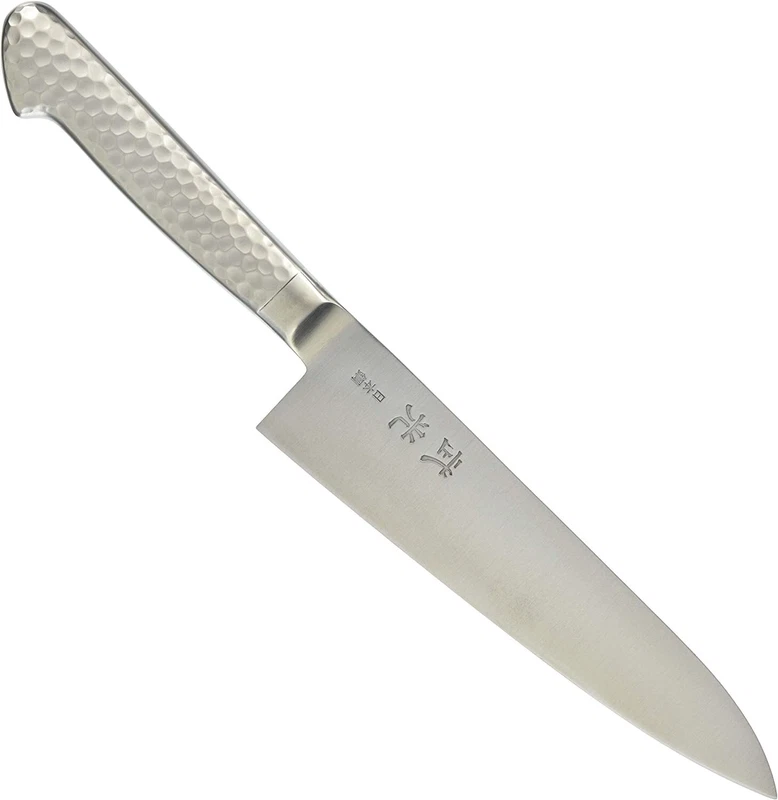
Storage is another critical consideration. Because Japanese blades are thin and hard, tossing them unprotected into a crowded drawer is a recipe for disaster—you will chip the tips and dull the edges instantly. Many high-end Japanese knives come with a wooden sheath, known as a saya, such as the protective housing included with the . For general everyday use where convenience trumps ritual, entry-level Japanese-style blades like the mass-market offer curved ergonomic designs, though serious enthusiasts will always gravitate toward forged artisan pieces.

German vs. Japanese Knife Characteristics Comparison
Feature German Knives (Solingen Style) Japanese Knives (Gyuto / Santoku Style)
Steel Hardness (HRC) 56 - 58 HRC (Softer, tougher) 60 - 65+ HRC (Harder, holds edge longer)
Edge Angle 20 degrees per side (Sturdier bevel) 9 - 15 degrees per side (Laser-thin bevel)
Bolster Design Full bolster (Protects fingers, creates sharpening hump) Collarless or Wa-handle (Full blade utility)
Cutting Technique Rock-chopping, heavy-duty brute force Push-cutting, slicing, meticulous precision
Maintenance Forgiving, steel rod realignment, easy upkeep Requires whetstones, careful cleaning, rust prevention
Tetsuhiro Blue Steel Gyuto Chef Knife 210mm$196.61

Tetsuhiro Blue Steel Gyuto Chef Knife 210mm

eBay About This Product No more 'uneven' blade steel How has the blade materials been made up to now? Various alloy components was mixed into melted iron in a large container and hardened. However, the quality has been affected by the difference in specific gr

See the live listing →
Aritsugu Gyuto Japanese Chef Knife 240mm Saya$238.0

Aritsugu Gyuto Japanese Chef Knife 240mm Saya

eBay Japanese Chef's Knife ARITSUGU Stainless Steel Gyuto 240 mm 9.44" Saya Case Detailed Description You can cut meat, fish and vegetables easily. This is a Gyuto knife . It is made of Stainless steel. It has a thin, long blade with a sharp tip. It works well

See the live listing →
8 Inch Japanese Gyuto Chef Knife Wood Saya$28.26

8 Inch Japanese Gyuto Chef Knife Wood Saya

eBay Knife Type: Chef's Knife Material: High quality White Ash wood 8 inches chef knife sheath Blade Length ≤210 mm Blade wide ≤54 mm Blade thickness ≤ 3.5 mm Package include 1 x knife sheath

See the live listing →
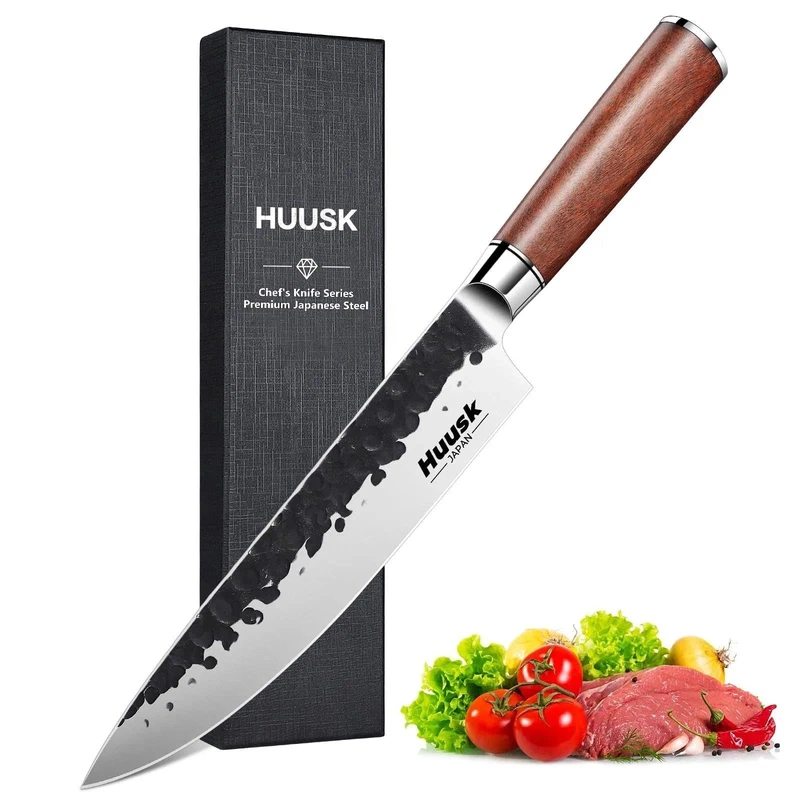
Huusk Japanese Gyuto Chef Knife 8 Inch$21.86

Huusk Japanese Gyuto Chef Knife 8 Inch

eBay Huusk Japanese Chef Knife 8 Inch Gyuto Knife Professional Sharp Kitchen Knives Kitchen Cutting Expert - Huusk Japan chef knife is designed distinctive labor-saving cutting curved blade, the best tool for cutting meat and greens. Can meet the chef's daily

See the live listing →
Part 4

Pros and Cons: German Style

Evaluating the strengths and weaknesses of German cutlery helps clarify whether this traditional Western style belongs in your kitchen block.

  • Pro: Exceptional Durability. The softer, tougher steel resists chipping when striking dense items or accidental hard surfaces.
  • Pro: Rock-Chopping Agility. The curved belly of a German chef knife allows for a natural rocking motion when mincing herbs and garlic.
  • Pro: Low Maintenance. Forgiving stainless steel alloys mean less worry about rust, staining, and delicate sharpening angles.
  • Pro: Integrated Finger Protection. The heavy full bolster shields your index finger from slipping forward onto the sharp edge.
  • Con: Softer Edge Retention. You will need to hone the blade frequently on a steel rod to maintain a crisp cutting edge.
  • Con: Sharpening Obstacle. The full bolster creates a wear-horn over time, making it difficult to sharpen the heel of the blade properly.
  • Con: Heavier Weight. The thick spine and substantial handle can cause hand fatigue during marathon prep sessions.
Part 5

Pros and Cons: Japanese Style

Japanese cutlery offers breathtaking performance, but it comes with distinct operational caveats that every buyer should weigh.

  • Pro: Laser-Like Sharpness. Steep edge angles and ultra-hard steels slice through ingredients with almost zero resistance.
  • Pro: Superior Edge Retention. High-HRC steels stay razor-sharp for months of regular home cooking without needing constant touch-ups.
  • Pro: Feather-Light Agility. Thin spines and lightweight handles reduce hand strain during extended vegetable prep and precise cuts.
  • Pro: Unobstructed Cutting Edge. Bolsterless designs allow you to use 100% of the blade length from tip to heel.
  • Con: Brittleness. Extreme hardness makes the edge prone to chipping if twisted, dropped, or used on bones and frozen foods.
  • Con: Maintenance Demands. Carbon steel variants rust easily and require strict cleaning habits, while all variants require whetstone proficiency.
  • Con: Steeper Learning Curve. Pushing and pull-slicing techniques replace the familiar Western rock-chop style.
Part 6

Final Verdict: Which Style Suits Your Cooking Persona?

Choosing between a German and a Japanese knife ultimately depends on how you cook, how much time you want to spend on maintenance, and what kind of tactile feedback you enjoy on the cutting board. If you are a home cook who likes to chop forcefully, frequently tackles butternut squash or chicken bones, wants zero anxiety about rust, and prefers a knife that can be quickly touched up with a steel rod, the German style is your ideal culinary partner.

Conversely, if you take pride in precise knife skills, love paper-thin slices of vegetables, prefer a lightweight blade that feels like an extension of your hand, and do not mind spending a little quality time learning how to use a whetstone, a Japanese gyuto or santoku will completely transform your kitchen experience. Remember that prices for all these authentic artisan and manufactured blades vary considerably depending on the specific seller, marketplace conditions, and whether the blade features hand-forged artisan detailing or factory production. Select the tool that matches your kitchen habits, respect its engineering limitations, and enjoy the art of cooking with a blade tailored precisely to your hands.

Questions

Frequently asked questions

What is the main difference between a German knife and a Japanese knife?

The primary difference lies in steel hardness, blade geometry, and intended use. German knives use softer, tougher stainless steel with a thicker spine and a 20-degree bevel, making them durable workhorses for heavy tasks like rock-chopping. Japanese knives use ultra-hard steels with a razor-thin 9 to 15-degree angle, prioritizing precision slice-cutting and agility.

Do Japanese knives chip more easily than German knives?

Yes, high-end Japanese knives are hardened to 60 to 65+ HRC, which makes the edge exceptionally sharp and great at retaining its edge, but also more brittle. If you twist a Japanese blade or hit hard items like bones, it can chip. German knives use softer steel around 56 to 58 HRC, meaning the edge tends to roll rather than chip.

Can I use a traditional pull-through sharpener on a Japanese knife?

It is strongly recommended that you avoid crude pull-through sharpeners on Japanese knives. Their steep, delicate 15-degree geometry and ultra-hard steels require waterstones to properly maintain the edge without damaging the blade profile or causing chips.

Which knife style is better for everyday home cooking?

It depends entirely on your cooking habits and maintenance preferences. If you want a low-maintenance blade that handles heavy chopping and requires only basic steel rod honing, choose a German chef knife. If you prefer lightweight precision slicing, minimal food resistance, and do not mind occasional whetstone upkeep, a Japanese gyuto is ideal.