The second lever is not about sleep at all — it is about when you get out of bed, and it is the one that people resist most because it feels punishing.
Here is the rule: get up at the same time every day, including weekends, within about half an hour. Not the time you want. The time you can sustain. A fixed wake time pulls the whole circadian system into a known position, and because your sleep need is roughly constant, a fixed wake time produces a fixed bedtime automatically — you cannot stay up until 2am and recover by sleeping in, because sleeping in moves the wake time and the wake time is the anchor.
This is the rule most people break specifically at weekends, and the weekend is where the damage happens. Two late nights and a Sunday lie-in can shift a schedule by two full hours, which is more than a full day of recovery can absorb. The result is a Sunday night of genuine exhaustion followed by a Monday that starts wrong.
Why the alarm clock is a tool, not an insult
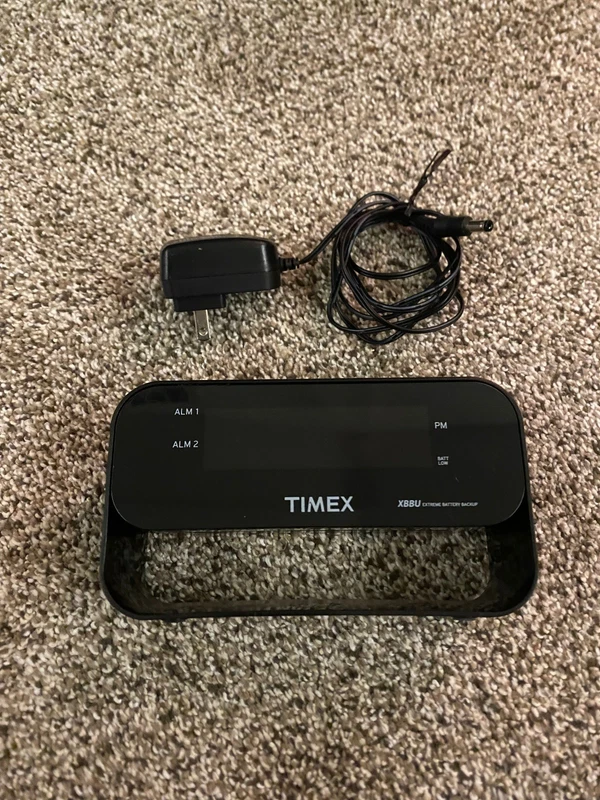
A fixed wake time only works if waking is not a negotiation, which makes the alarm the piece of technology that matters most. The specification that matters is not whether it has Bluetooth — it is how bright the display is in a dark room and how big the snooze button is, because you are using it at 6am half-asleep and those are the two things that determine whether you get up.
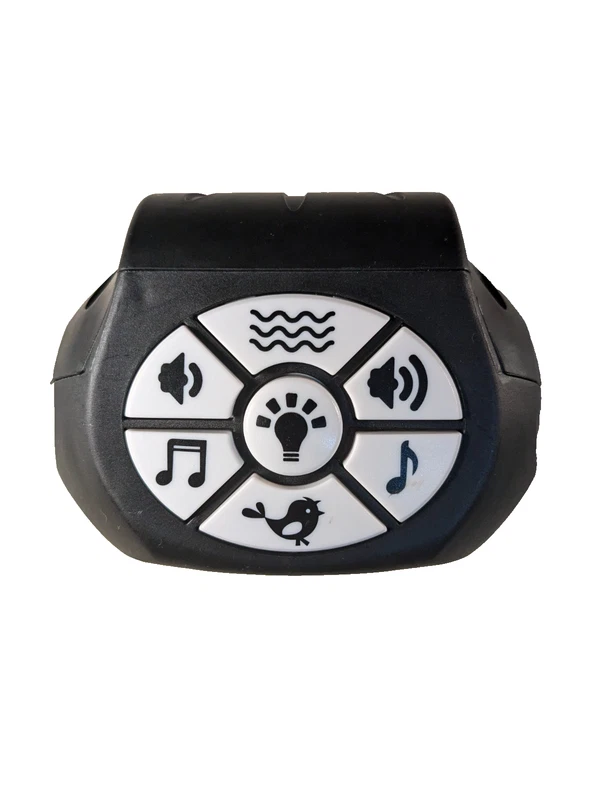
The at roughly $35 is a good example of buying for the actual use case: the listing specifies an LED night light and an oversized snooze button, which are precisely the two features that decide whether you turn it off and go back to sleep. If you want the alarm and the radio in one object rather than two, the at about $50 does both and is the same idea with a display instead of a night light.
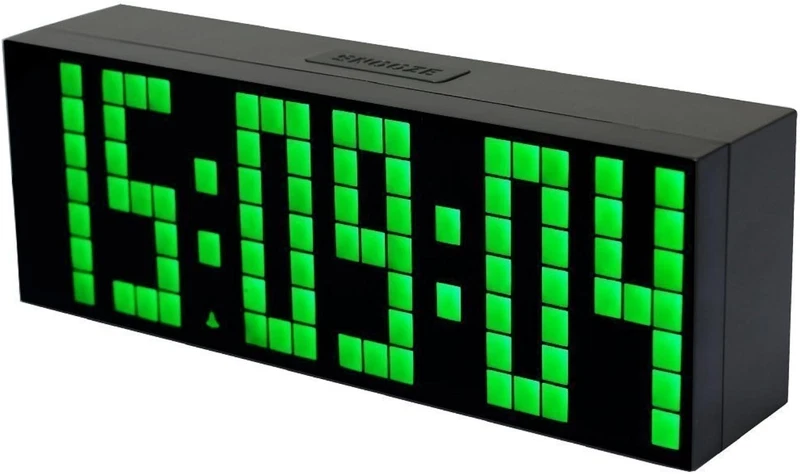
If your bedroom is large or the clock is small, readability at distance is the thing to pay for. The at about $52 makes a specific and unusual claim — the listing states the digits are readable from up to 25 metres in the dark, and it also carries a thermometer and a countdown timer. It is a larger, more visible object than a bedside clock, which is the point if your difficulty is finding the display with one eye open.
One thing to buy deliberately: a second alarm, out of reach of the bed. An alarm on the far side of the room is worth more than any feature on the clock itself, because it converts a decision into a walk.






 $26.47