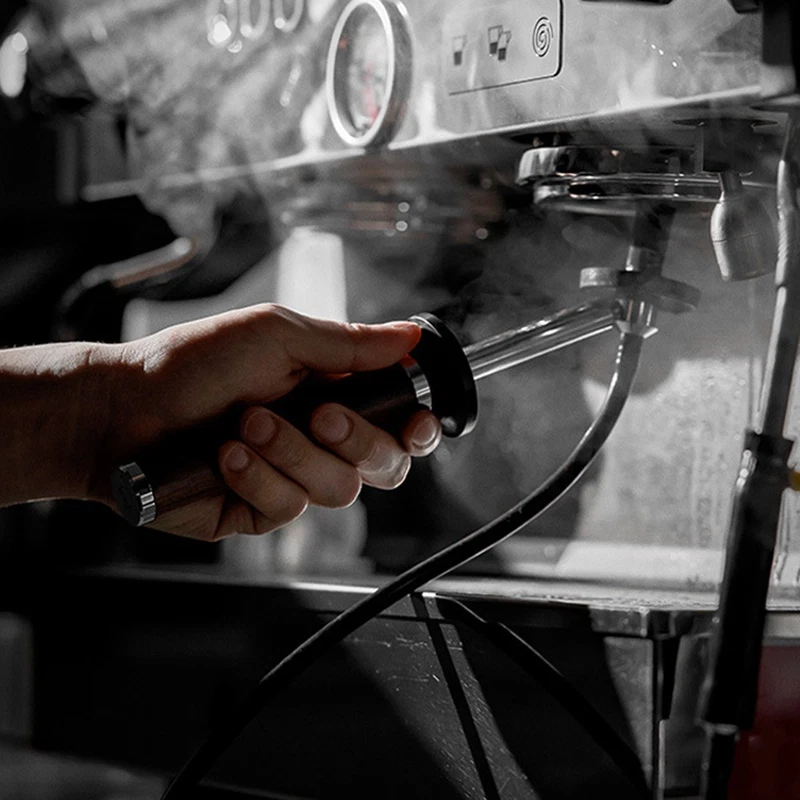
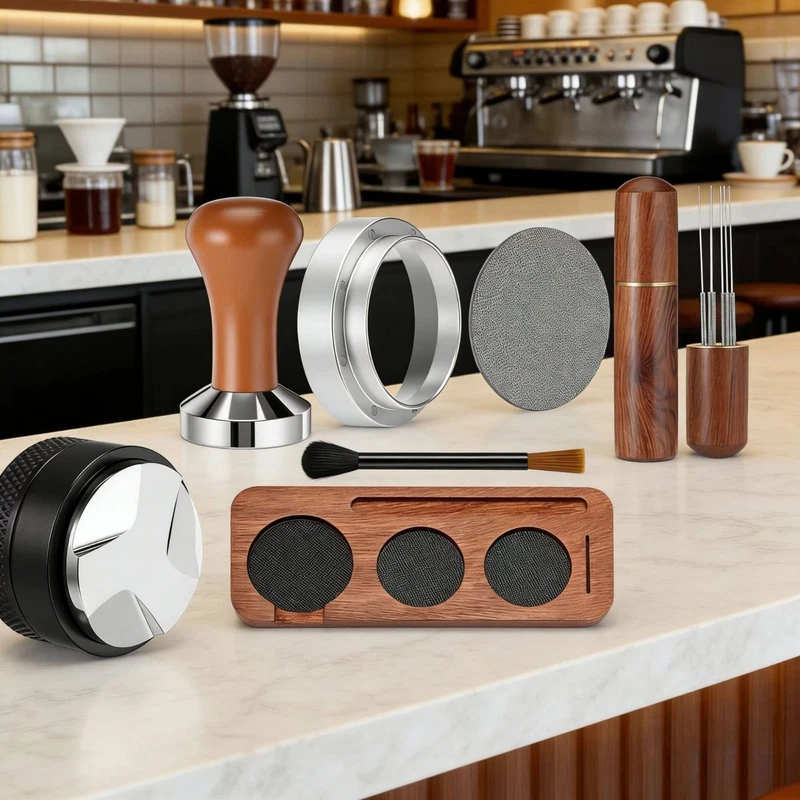
Before comparing wattage or bar pressure, decide which family of machine you are buying. The five categories differ far more from each other than any two machines within one category do.
1. Manual pump (semi-automatic): the real answer for most people
This is the classic home machine. You grind, dose, tamp, lock in a portafilter and pull a shot yourself while a steam wand lets you texture milk on the other side. The pump is switched on, the brew runs, and you stop it. Learning curve: real, but about an afternoon.
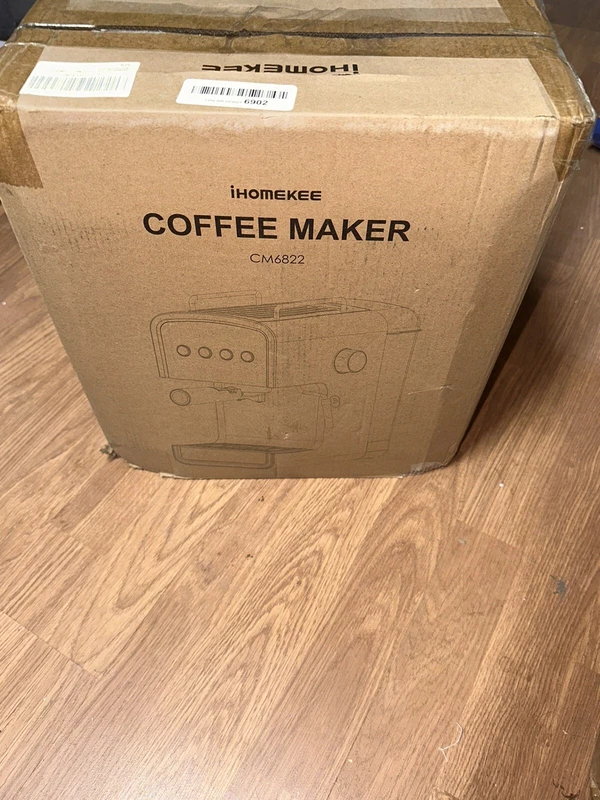
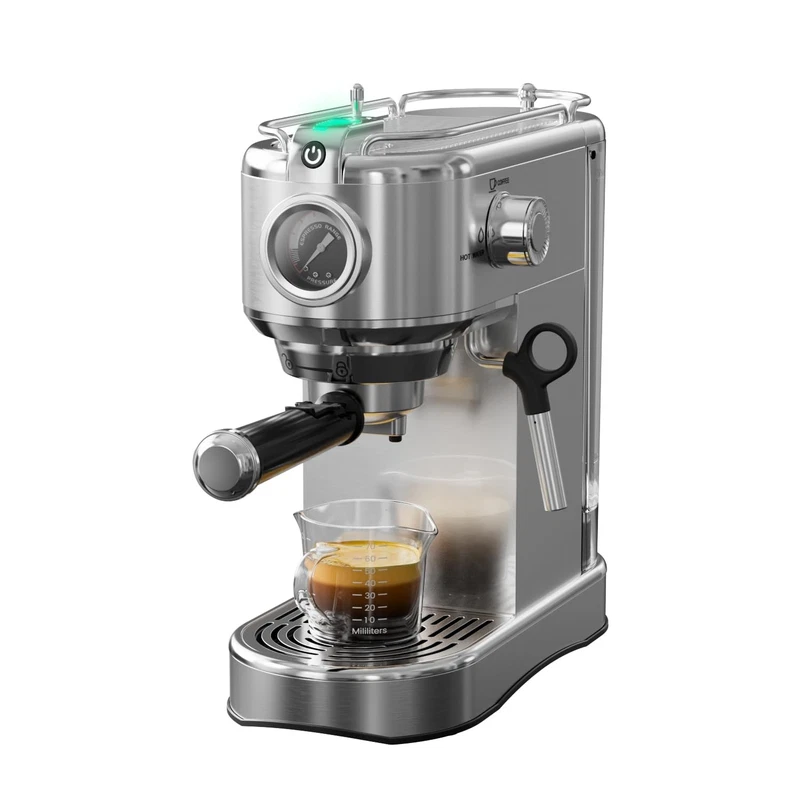
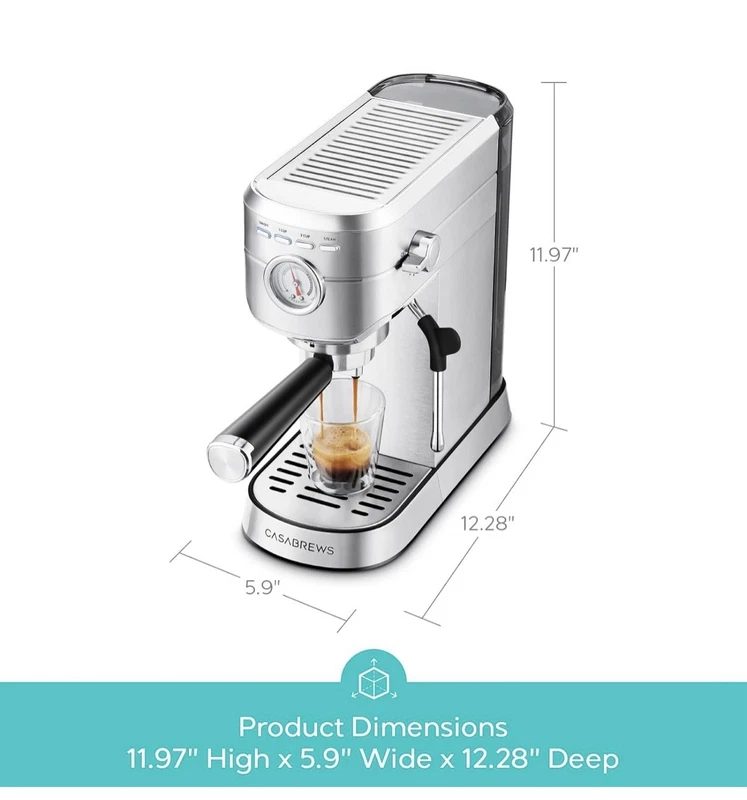
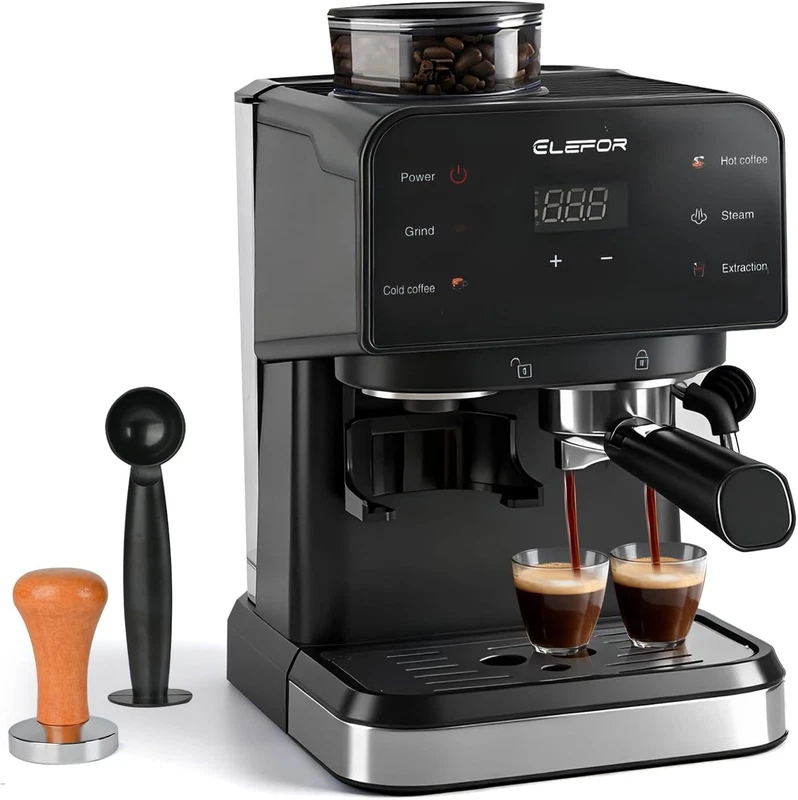
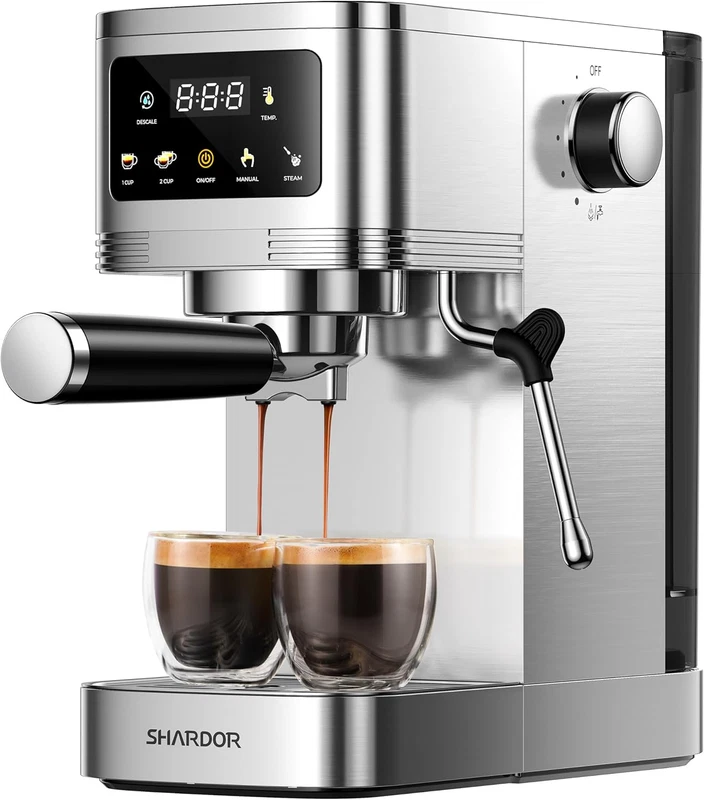
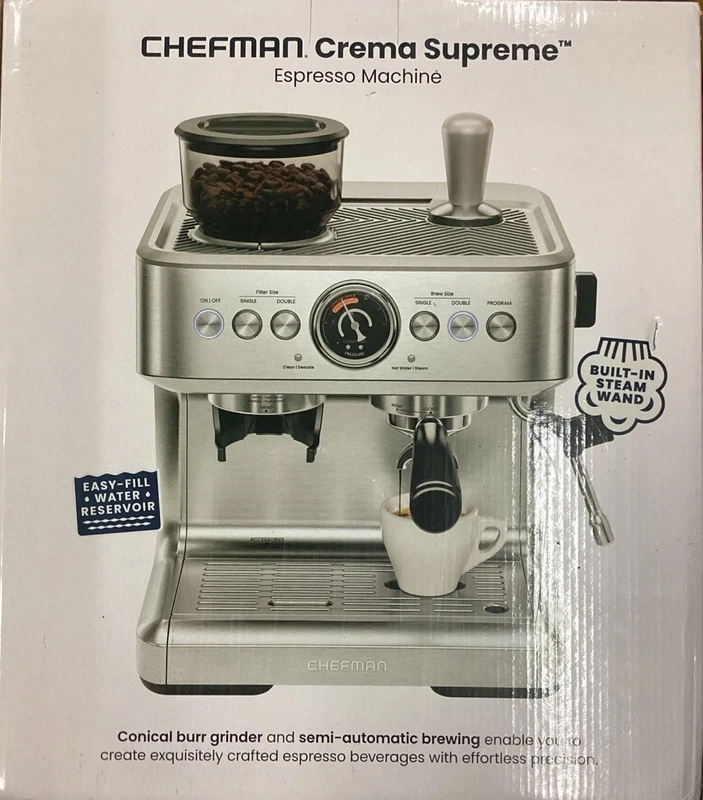
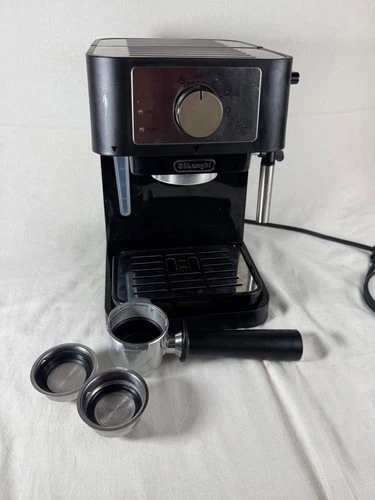
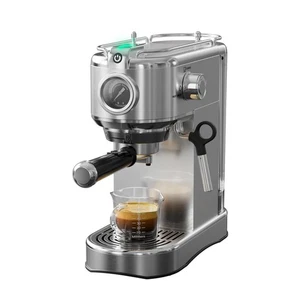
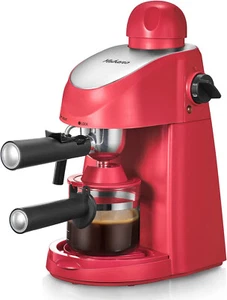
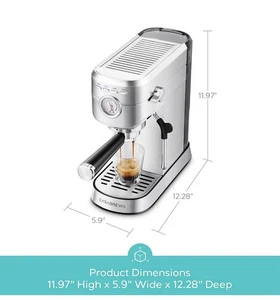
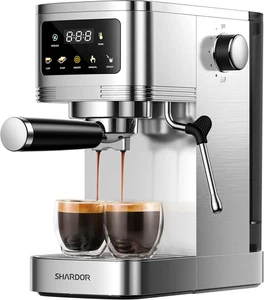
The used is listed at $49.99, described as a 1100W machine making espresso, latte macchiato and cappuccino. That is a genuinely useful sub-$50 example of the category. A newer option is the at $120.05 new, sold as a compact café-style machine with a steam wand. Note the price difference between a used $49.99 unit and a new $120.05 one is almost entirely condition, warranty and colourway — the mechanism is comparable.
2. Super-automatic: beans in, drink out
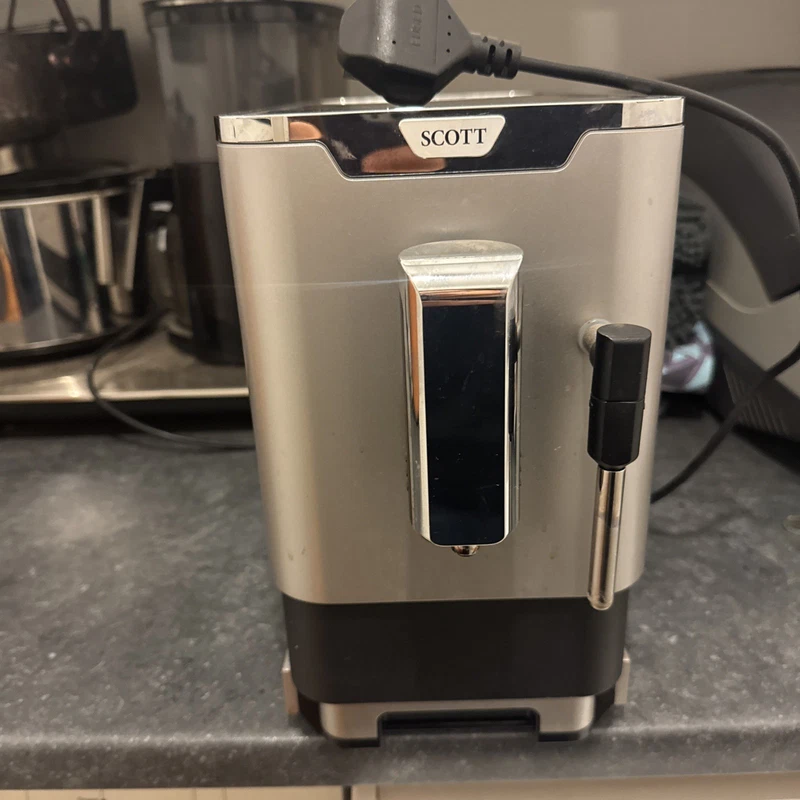
A super-automatic has an integrated burr grinder, a brew group, and usually a milk carafe or frother. You press one button. The trade is that it takes up the same counter space as a small stand mixer, the internals are sealed so cleaning is a menu-driven ritual, and the grind is coarse. It is genuinely ideal if you drink two or three milk drinks a day and want no involvement at all.
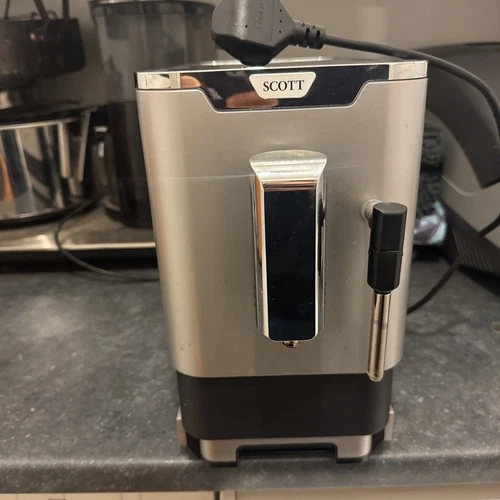
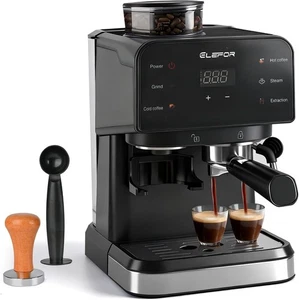
The at $149.91 is a super-automatic with a 0.8L tank, listed as automatic/manual. At the very bottom of the price range, a used is $30.28, described as about four years old and in working condition. A $30 super-automatic is a bargain with a short remaining life; buy it knowing you may be buying the next repair, not the last one.
3. Capsule: consistency without compromise
Push a sealed capsule in, press a button, drink. Capsule machines make a reliably consistent cup with zero technique, and they are the best way to find out whether you actually like espresso before spending real money. The trade-off is total brand lock-in, ongoing per-cup cost, and no control over strength or extraction at all.
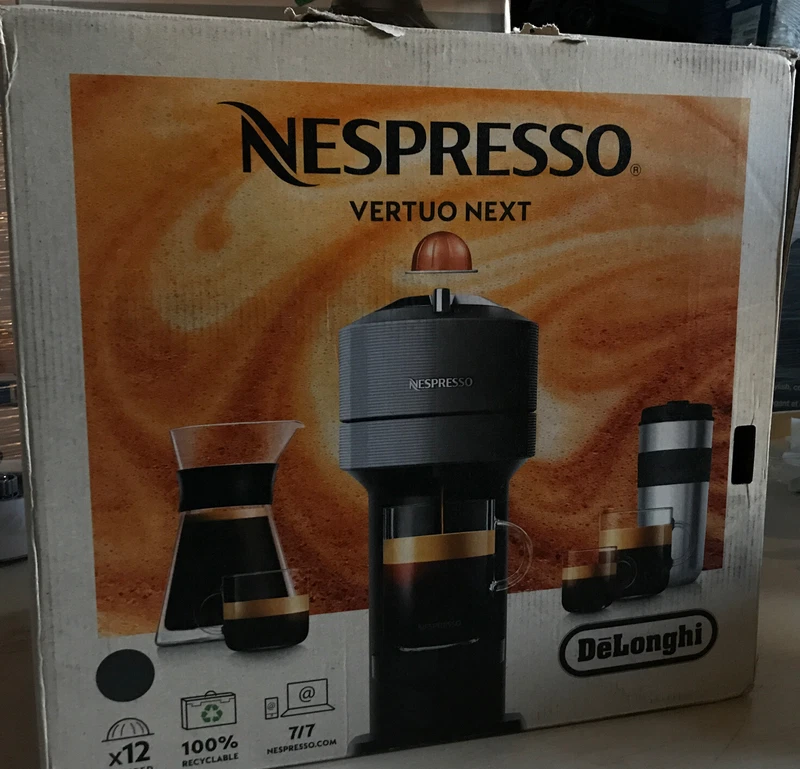
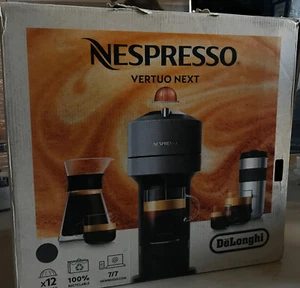
The at $64.91 is listed as open box. A pure chrome is new at $89.00, described as compatible with Nespresso capsules and offering espresso, latte macchiato and cappuccino from a 14 oz reservoir. An even cheaper route into the same system is a at $49.00, listed as new open box — check carefully what open box means for warranty on this specific seller.
4. Pod-based: the middle ground, if you want hands but not technique
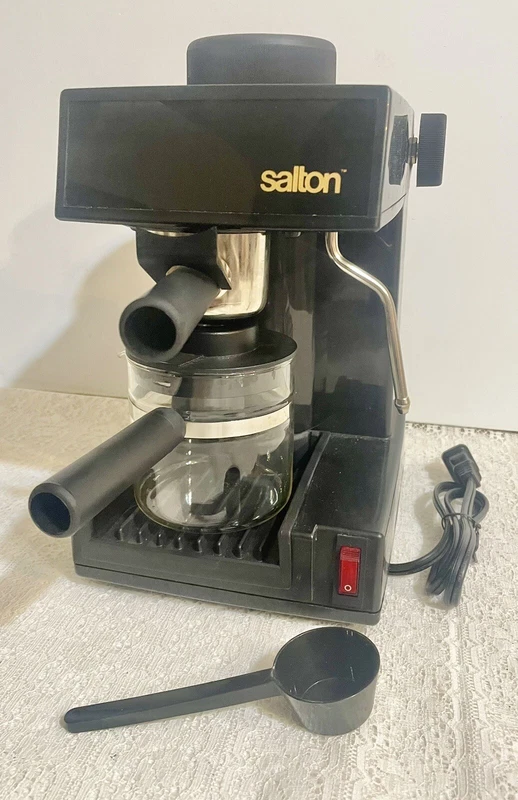
Ground coffee in a sealed single-serving pod, brewed by a small pump. More control than a capsule, less than a portafilter, and the pods are widely available and cheap. The at $80.00 used, with a 19 bar pressure system and an integrated milk frother, is the strongest pod-based example in the current listings. The at $45.50 new is the cheap end.
5. Portable and stovetop: the honest bottom tier
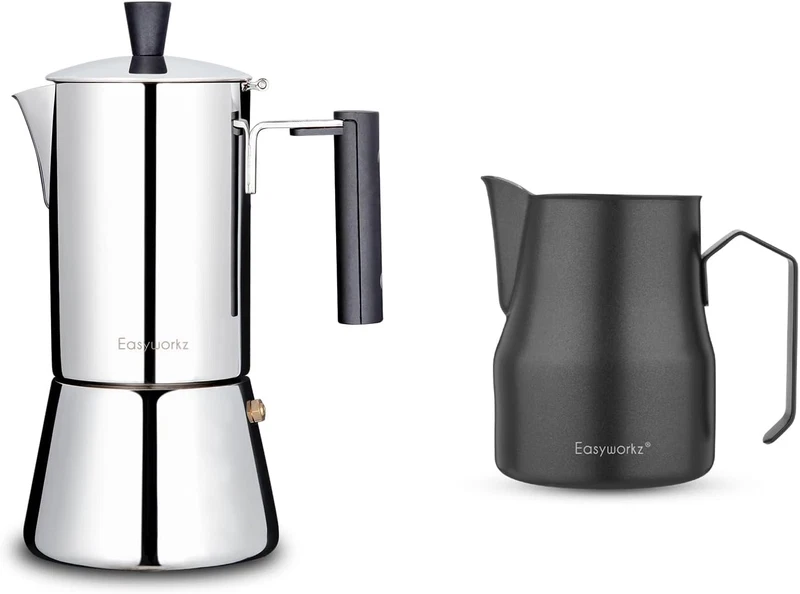
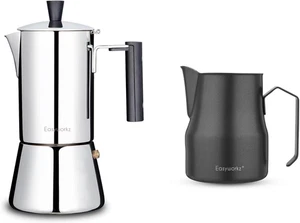
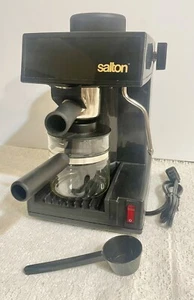
Neither is a true espresso machine, but both are sold as one and both will make something caffeinated. A is listed at $120.99 new. Hand pressure, no pump, no crema to speak of — and it will still outlast an electronic machine because there is nothing to fail. Also in the listings, a used at $24.99, sold as preowned with four demi cups and no manual. That is a party machine, not a daily driver.








 $49.99