Tahabay icon tahabay

Down vs Synthetic Sleeping Bags — Which Is Best?

Down vs synthetic sleeping bag: real weight, warmth, wet-weather and price differences, with live eBay examples of each fill type under $200.

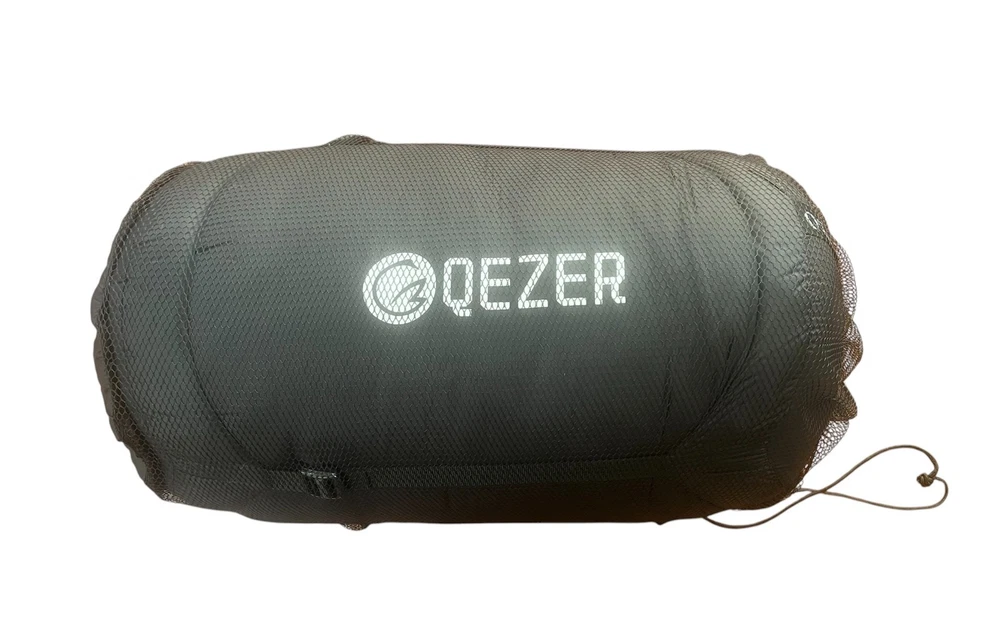
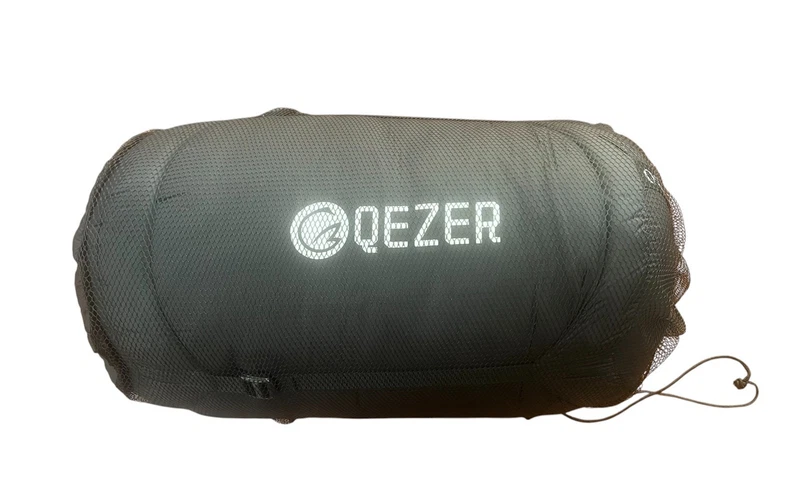
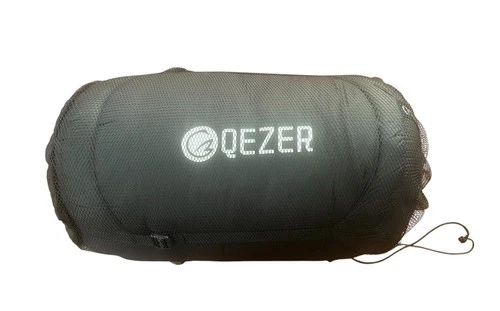
Qezer 0-degree 650 fill down sleeping bag

Ask ten campers which sleeping bag fill is better and you will get ten answers, most of them arguing from a single bad night. Someone's down bag got soaked in the Alps and has never forgiven it; someone else's synthetic went flat after five years in a garage cupboard and they now refuse to buy anything plastic. Both stories are real. The truth is that down and synthetic are not competing versions of the same thing — they are optimised for different climates and different people, and the correct answer depends almost entirely on how wet you expect to be and how cold you expect to be.

This comparison breaks the decision into the four things that actually differ between the fills: warmth per gram, behaviour when wet, how they age, and what they cost. Real listings pulled from eBay on September 29, 2026 are used throughout, with prices confirmed that day. Keep in mind that eBay prices move constantly and vary by seller, condition and shipping, so read every figure as a snapshot. If you want the shortlist instead of the theory, our best sleeping bags roundup has it; and if you are still early in the process, the sleeping bag buying guide covers temperature rating and shape in detail first.

Part 1

Where the two fills actually come from

Down is the insulating layer of a waterfowl — goose or duck — and it works because of its structure. Each bird grows thousands of tiny filaments that branch into clusters, and those clusters hold still air against your body. The warmth of a down cluster depends entirely on how big and lofty it is, which is what the fill power number measures. A 650 fill-power cluster takes up more volume per gram than a 400 fill-power cluster, so a bag can be both lighter and warmer. That is the entire down argument, and it is a strong one.

Synthetic insulation — most commonly hollow fibre — starts as a spun plastic filament formed into a coiled, spring-like structure. The coils trap air in their loops. Because the structure is a continuous filament rather than a cluster of separate bits, water runs off it rather than soaking into it, and the coils spring back after being compressed. That resilience is why synthetic recovers from a stuff sack and why it shrugs off a damp night.

Both are sold in the same three shapes — mummy, rectangular, and double — so shape is not a differentiator. Nor is the shell, which is usually nylon or polyester either way. The real dividing lines are warmth-per-gram, wet performance, longevity and cost. Here are the real listings we are comparing, side by side:

ListingFillRatingPrice
Qezer 0-degree 650 fill sleeping bag650 fill-power duck down, 4lb fill, 400T nylon-22F$179.99
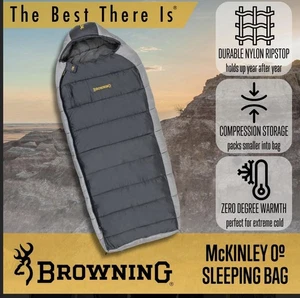
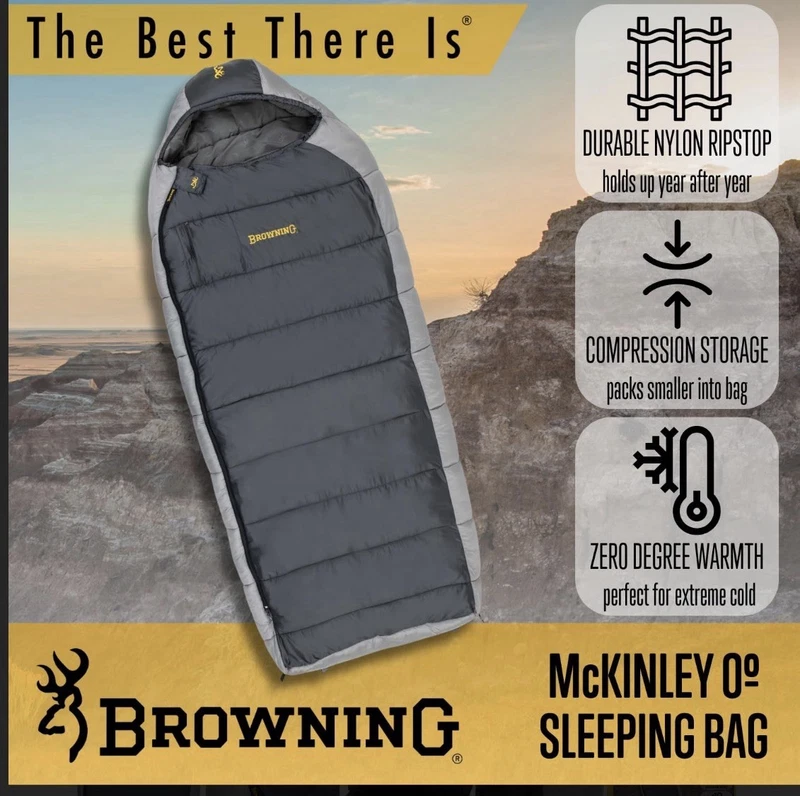
Browning McKinley sleeping bagInsulated, brand new, charcoal/grey-30F$145.00
US Woodland 2-layer sleeping bagPolyester hollow fibre, 2 x 200g/m2-10C to +15C$62.99
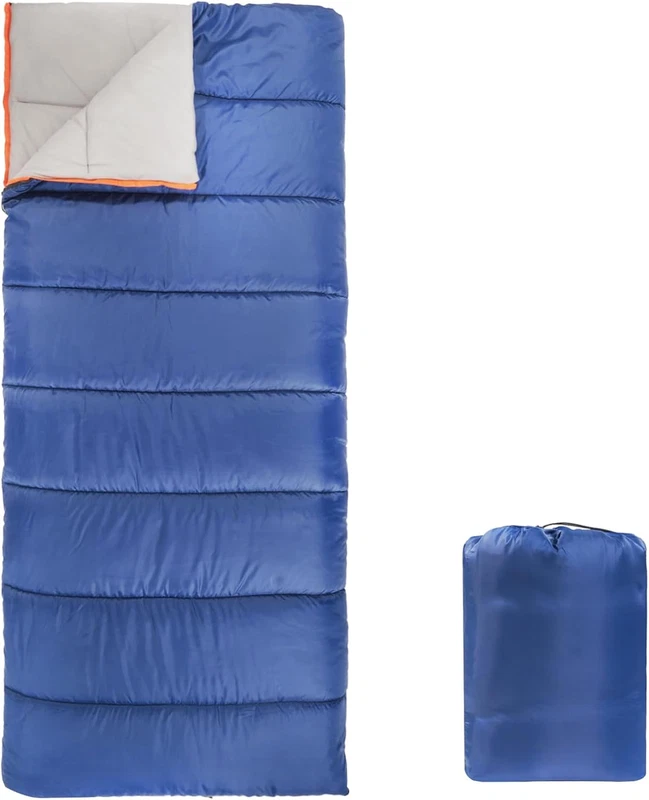
30-degree blue sleeping bagHollow fibre, polyester shell and tricot liner30F$54.99
3-season cool weather bagNylon, double-fill construction10-20C$53.31
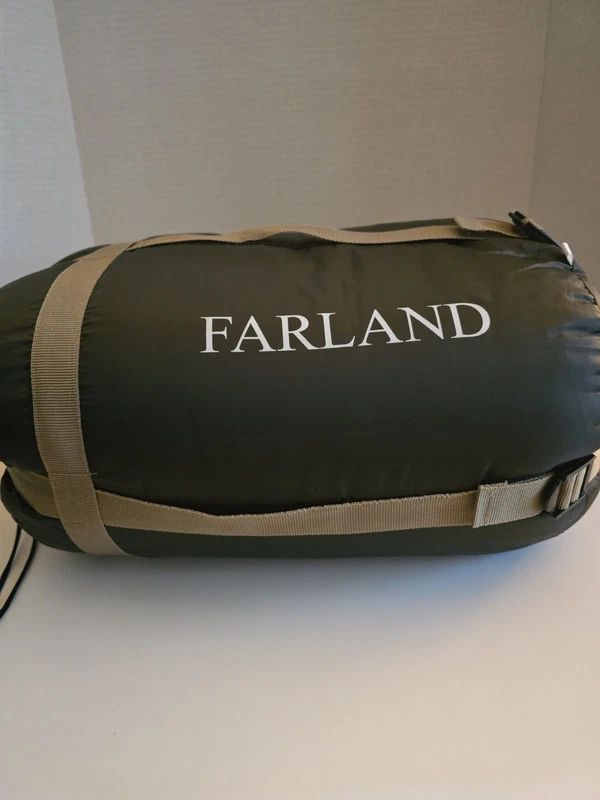
Farland double sleeping bagPolyester synthetic, hangs or machine washes cold20F$42.99
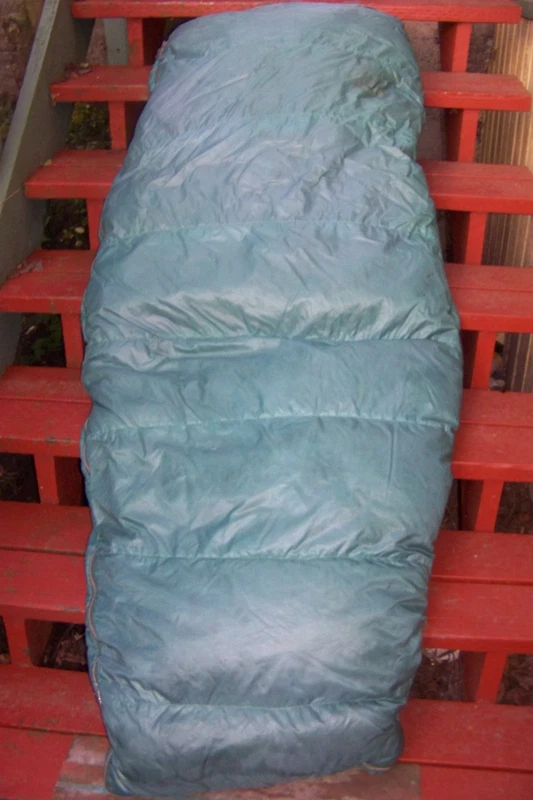
Vintage REI semi-rectangular bagDown, nylon shell, zips all the way aroundAbout 20F by weight$64.99
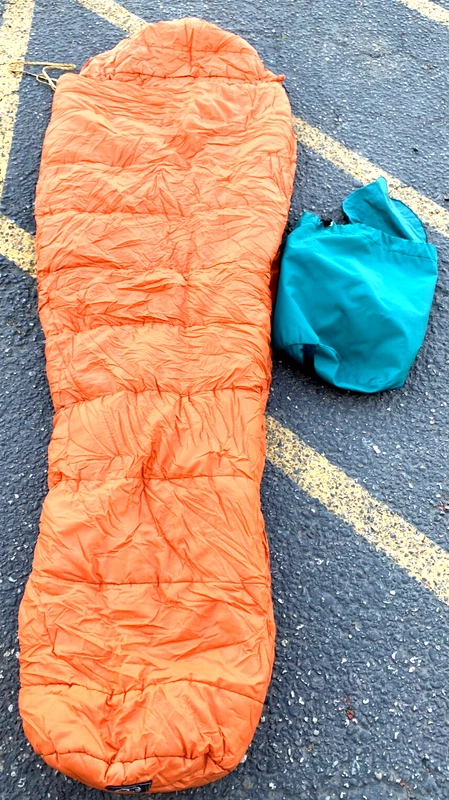
Vintage Snow Lion mummy bagSynthetic fill, draft tube, double-ended zipSummer season$44.00

Read that table twice and one thing jumps out: the deepest cold ratings sit with the pricier bags, and the cheap bags cluster in the 20F to 30F band. That is not a conspiracy, it is a materials fact. Getting a -30F rating requires a lot of insulation, and insulation costs money whichever fill you use.

Part 2

Warmth per gram: where down wins

Put a down bag and a synthetic bag of the same weight side by side and the down bag is warmer, every time. This is the single strongest argument for down, and it is why every serious sub-zero bag you will see is down. The at $179.99 is the clearest example in the current listings: 4lb of 650 fill-power white duck down in a 400T nylon shell, with vertical baffles to slow heat movement, a zipper windshield to block convection, and a rating of -22F. Nobody puts four pounds of hollow fibre in a bag; the weight would be unmanageable for warmth that still fell short.

Fill power is where down bags separate from each other. 500 fill is the old standard and perfectly serviceable. 600 to 700 is modern performance territory. Above 800 you are paying a real premium for marginal gain. The 650 figure on the Qezer puts it squarely in the sensible middle: noticeably lighter than a 500-fill bag of the same rating, without the price tag of a boutique 850-fill shell.

Synthetic cannot match that ratio, but it can match or beat it in a different currency: total warmth per dollar. A synthetic bag does not need to be loft-efficient because it is cheap to add more of it. That is why a $54.99 30F synthetic bag can genuinely rival a used $64.99 down bag rated near 20F. You are not getting down's efficiency; you are getting more insulation for the same money, which lands you in a similar place for shoulder-season trips.

Verdict on warmth: down wins on weight, synthetic wins on dollars, and for most three-season camping the dollar comparison is the one that decides the trip.

Qezer 0-degree 650 fill down sleeping bag$179.99

Qezer 0-degree 650 fill down sleeping bag

eBay Qezer 0 Degree Sleeping Bag for Adults 650 Fill Power Down Sleeping Bag for Cold Weather -22F Large Lightweight Nylon Imported 【 𝐒𝐥𝐞𝐞𝐩𝐢𝐧𝐠 𝐁𝐚𝐠】The perfect cold weather sleeping bag filled with 4lbs 650FP premium white duck down to keep you warm at -22℉. Th

See the live listing →
Part 3

Wet weather: where synthetic wins, decisively

This is the category where the argument stops being close. Down clusters are held together by static and structure, and water destroys both. Wet down clumps into dense masses, the trapped air escapes, and the bag that was warm at 30F becomes a cold, heavy sack of damp feathers. Recovery is the painful part: a down bag that has been properly soaked can take a day or more of gentle heat to return to full loft, and if you washed it in a front loader with detergent you have permanently sacrificed the oils that made the clusters work.

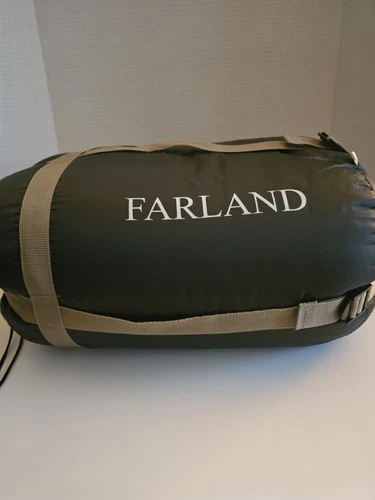
Synthetic hollow fibre has no such weakness. The filament is continuous, water beads off it, and the coiled structure returns to shape as soon as it dries. The care instructions show the difference starkly. The at $42.99 is listed as easy to care for by hanging to dry or machine washing cold. That is not a minor convenience — it is the difference between a bag you own for twenty years and a bag you are nervous around in the rain.

Counter-argument, and it is a fair one: you do not have to get a down bag wet. A 400T nylon shell, a proper draft collar and disciplined dry-bag practice mean down stays dry in ordinary three-season rain. The failures cluster in specific situations — river crossings, storm deluges, condensation inside a single-wall tent, or a bag that got damp and then got stuffed into a pack still damp. If your trips are alpine, multi-day and weather-driven, that is exactly your situation.

Condensation deserves its own mention. A sleeping bag is usually the coldest thing in your shelter, which means moisture from your breath collects on the inner surface. In a single-wall tent or a cold bivvy, that moisture can end up in the bag overnight even when nothing falls from the sky. Synthetic tolerates this without comment. Down needs the bag to be dry before you seal it into a stuff sack, and a stuff sack is an almost perfect container for rot.

Verdict on wet weather: synthetic wins outright. This is the deciding factor for anyone camping in the shoulder seasons, anyone without a dryer at home, and anyone with a tendency to lose track of which bag is dry.

Farland mummy rectangular double sleeping bag$42.99

Farland mummy rectangular double sleeping bag

eBay The FARLAND Sleeping Bag is a high-quality outdoor gear designed for camping and hiking adventures. With a temperature rating of 20 degrees, this synthetic-insulated sleeping bag is perfect for cold weather conditions. The rectangular shape provides extra

See the live listing →
Part 4

Longevity and ageing: down is more forgiving over time

Bag longevity is not simply about the age of the bag. It depends on how the fill has been treated. A down bag stored loose in a large breathable sack in a dry closet, and washed rarely and gently, can still be excellent at thirty years old. Synthetic loft, by contrast, degrades more steadily with heat exposure, repeated machine washing and time in a compressed state. After a decade a synthetic bag can feel noticeably flatter than it did when new, at the same printed rating.

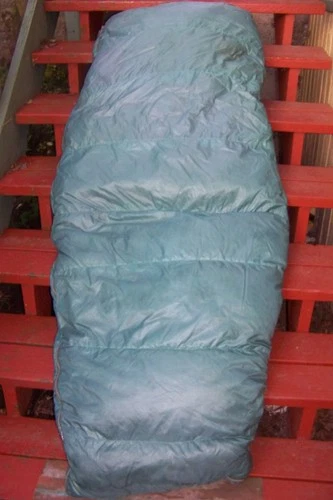
There are two live vintage listings that demonstrate this well. The at $64.99 is 3lb 12oz, retains what the seller describes as plenty of loft, and has a nylon shell zipped all the way around so it converts into a comforter — a 72 by 26 by 22 inch shape that is genuinely useful. Note the price relationship: a working vintage down bag costs about what a brand-new synthetic bag costs, which is the resale argument for down in a single line. The at $44.00 is from the 1970s or 80s, 71 inches long with a 56-inch circumference, with a draft tube, a double-ended zipper and a left-hand zip, described as a summer-season bag with wear near the top of the zipper. It is the same era as the REI bag and it is a summer bag, because the fill is synthetic and decades of compression have taken the edge off it.

That pairing is the honest headline on ageing: old down usually still works; old synthetic often does not. The corollary is the repair argument. A torn down bag can be patched in the field, and a partially flattened down bag can be fluffed in a dryer with tennis balls. A synthetic bag that has lost its structure is simply finished, because the coils have been permanently bent.

Washing and storage: the ten-year test

One more practical difference: washing. Down bags need a down-specific detergent, a delicate cycle or hand wash, and long low-heat drying with dryer balls. Many people skip this and the fill clumps permanently. Synthetic bags go in an ordinary machine on a normal cycle. If the number of things standing between you and owning a bag for a decade is what stops you buying one, that is an argument for synthetic and it is not a small one.

vintage REI down semi-rectangular sleeping bag$64.99

vintage REI down semi-rectangular sleeping bag

eBay Classic vintage REI down sleeping bag. Plenty of loft, nylon shell, zips all the way around so you can use it as a comforter. At a guess judging by the weight, 20F or so. No stuff sack. Used in good condition. Width at foot: 22" Width at shoulder: 26" Len

See the live listing →
vintage Snow Lion mummy sleeping bag with synthetic fill$44.0

vintage Snow Lion mummy sleeping bag with synthetic fill

eBay From an Estate I am Currently Liquidating. Vintage SNOW LION Mummy Sleeping Bag Synthetic Fill with Stuff Sack ~ 1970-80's ~ Draft Tube, Double Ended Zipper, Left Hand Zip. Used ~ Wear near top of zipper bye hook & loop closure. Summer Season Bag. Measure

See the live listing →
Part 5

Price and the used market

New, the two fills price differently in a predictable way. Synthetic occupies the cheap end, because its raw material is cheap and its rating requirements are modest. Down occupies the middle to upper range, because fill power, fill weight and shell quality all add up. In the current data the spread is stark: the at $54.99 and the at $53.31 sit at the floor, while the at $179.99 sits at the ceiling, with the at $145.00 between them.

Used, the gap closes and then inverts, because a down bag holds value where a synthetic bag does not. The two vintage down listings in this comparison are $64.99 and $52.50. The at $52.50 is 70 by 32 inches from Recreational Equipment Inc, described as being in as-is condition with some defects and slight stains that have not been washed, and not insect-repellent treated. That is honest seller language, and it is also a down bag for the price of a new synthetic one — a genuinely good deal for someone who does not mind a vintage shell and a wash.

The flip side of the used market is that the seller usually does not know the fill weight or the true rating. The REI semi-rectangular listing guesses at about 20F by judging the weight. Guesses like that are why a used down bag is often a bargain and sometimes a $64 disappointment. Synthetic used bags have the opposite problem: the price is already low, so the downside is capped.

The cheapest listings illustrate the floor. The is $30.35 for 100 percent polyester shell, lining and filling, used once and described as having a small pull on the edge. A sits at $37.99 new. Both are warm-season, low-effort, synthetic products, and both are perfectly sensible buys for a kid's first trip or a summer weekend.

Head to head: the differences that matter

FactorDownSynthetic
Warmth per gramBest in class, wins clearlyBulky, but cheap to add more
Warmth per dollarPoor new, strong usedBest new, weak used
When wetCollapses, dries very slowlyHolds warmth, dries fast
CompressibilityExcellent, needs careGood, very forgiving
AgeingHolds loft for decades if dryFlattens with time and heat
WashingDown wash, delicate, long dryOrdinary machine cycle
RepairabilityPatchable, re-fluffableFilled fabric is hard to restore
Cold-weather ratingsStandard for -20F and belowRarely seen below 20F
Best forAlpine, winter, long tripsWet climates, family, beginners

Neither column is a winner in every row. That is the point. Down wins eight of the above on merit and loses on wet performance, washing and cost, and those three losses are the ones that decide most people's trips.

30-degree blue hollow-fibre bag$54.99

30-degree blue hollow-fibre bag

eBay 100% Polyester Imported WEATHER RESISTANT: Stay comfortable in cool weather with the hollow fiber insulation designed to retain heat and provide warmth DURABLE MATERIALS: Made with a 100% polyester shell and tricot fiber liner, this sleeping bag offers st

See the live listing →
3-season nylon double-fill bag$53.31

3-season nylon double-fill bag

eBay nylon Imported USED FOR 3 SEASONS:Our Sleeping Bags can be used for 3 seasons.They are designed for 10~20 Degrees Celsius. Moreover, these bags also have a weather-resistant design to keep you warm even in extreme conditions and prevent you from any dampn

See the live listing →
REI vintage down sleeping bag in yellow and teal$52.5

REI vintage down sleeping bag in yellow and teal

eBay The REI Down Sleeping Bag is a vintage piece from Recreational Equipment Inc, featuring a size of 70 x 32 inches. This sleeping bag comes in a vibrant yellow color, making it easy to spot and adding a pop of color to your camping or hiking gear. While it

See the live listing →
lightweight polyester sleeping bag at 200g per square metre$30.35

lightweight polyester sleeping bag at 200g per square metre

eBay This is a Light Weight Sleeping Bag that was used by my son, it is 100% polyester shell, Lining and filling. and is 200G/SM It is in good condition except for a small pull on the edge I have put a photo of this damage. It will be posted with tracking

See the live listing →
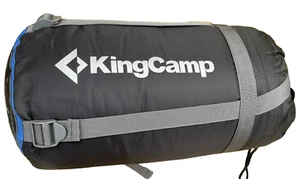
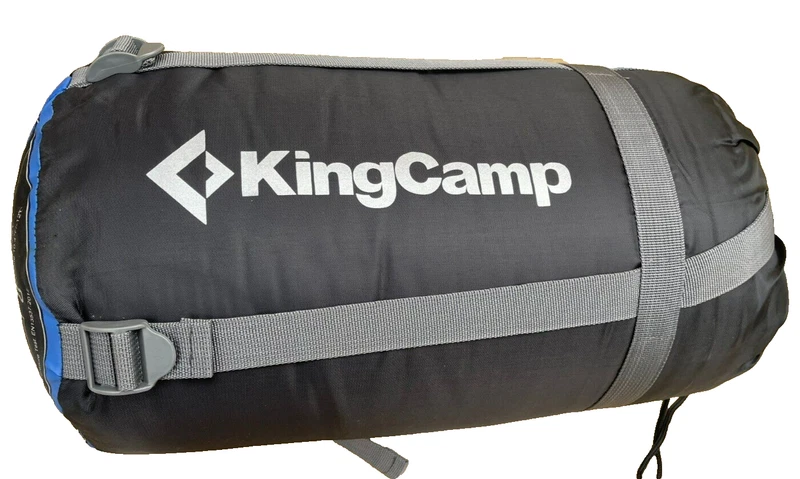
KingCamp Oxygen 300L sleeping bag$37.99

KingCamp Oxygen 300L sleeping bag

eBay Our Merchandises are NEW and 100% AUTHENTIC or your money back * No shipping items over 1lb to the following: P.O. boxes, Guam, Alaska, Hawaii, Puerto Rico Apo or Fop & Virgin Islands Will only ship to the lower 48 states. * NO LOCAL PICK UPS! * NO shippi

See the live listing →
Part 6

So which should you buy?

Buy down if you are carrying the bag on your back for multiple nights, you are heading into genuine cold below 20F, you are confident you can keep it dry, and you intend to own it for a decade. The at $179.99 is the flagship of that case: -22F rated, 400T nylon inside and out, vertical baffles, zipper windshield, and a fill weight stated plainly at 4lb. Read our sleeping bag buying guide before committing, because a down bag bought at the wrong rating is an expensive mistake.

Buy synthetic if you are car camping, your trips run shoulder-season in a wet climate, you share a bag with a partner or kids, you have no dryer, or you want a bag you will not think about. The at $42.99 is the case for synthetic: a 20-degree rating, room for two, machine washable, and no dry-bag ritual. The at $20.49 is the same logic at its simplest — 50F rated, synthetic, rectangular, one-person, machine washable, and priced so that a child can lose it in a wood without ruining your weekend.

Buy used down if the bag will live in a car or a garage and you like the idea of a $52 to $65 down bag. Check the loft in the photos, ask whether it has ever been washed, and accept that a seller estimating the rating by feel may be off by 10F. The at $64.99 is the best-value version of this, and its full-perimeter zip means it doubles as a comforter on a sofa, which no synthetic bag in this price range does.

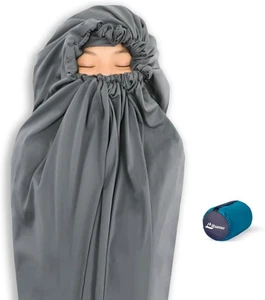
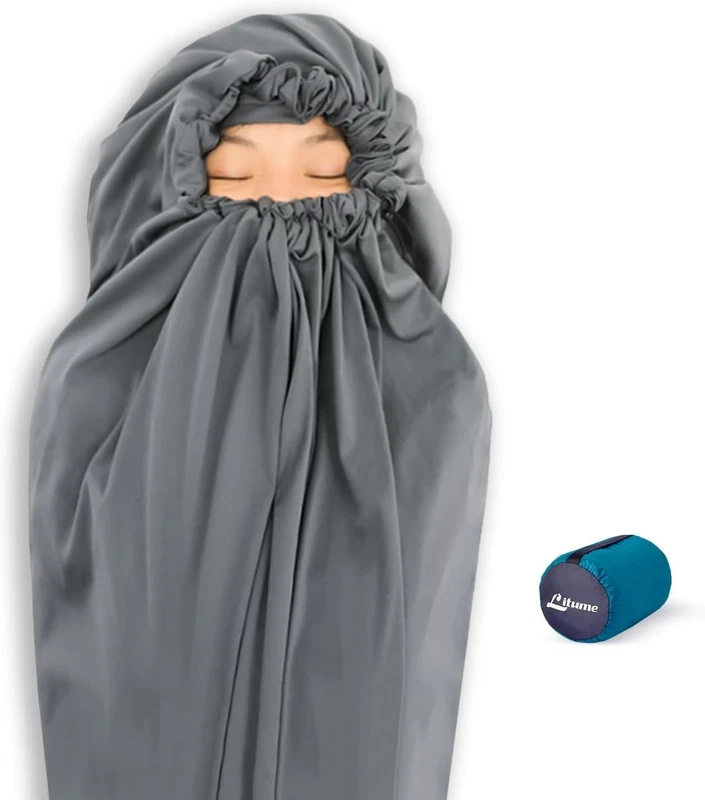
Consider a liner first if you already own a bag that is 5 to 10F too cold. The at $47.22 is listed as adding up to 12C / 22F of warmth, which is the cheapest fix available and works with either fill.

Upgrade or travel: liners as the cheap option

If you travel rather than camp, the at $42.74 is a different product for a different job: 86.6 by 70.8 inches, 30.7 ounces, packing down to 7.8 by 7.8 by 3.2 inches in soft breathable cotton with a back pocket for your pillow.

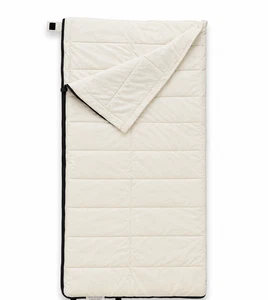
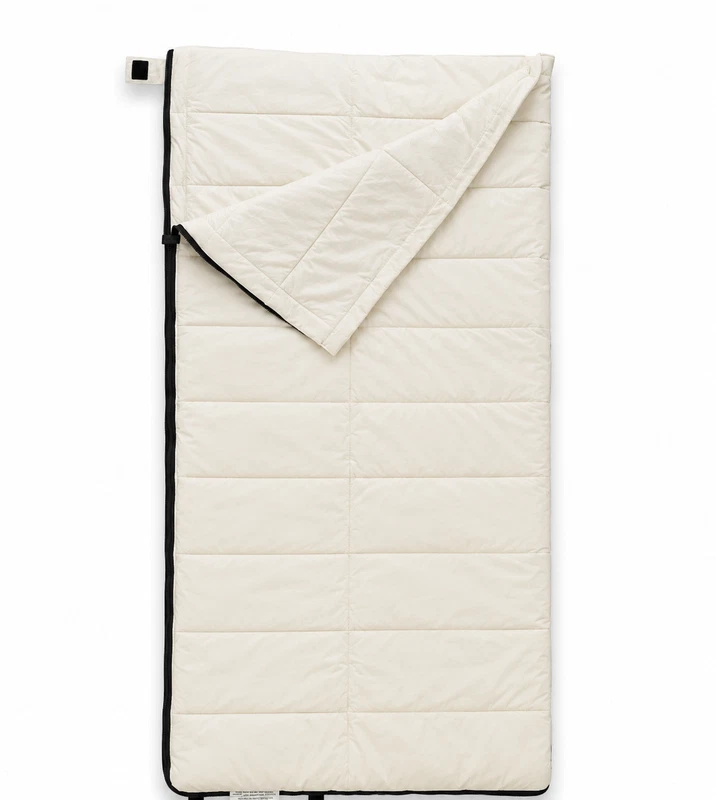
One last note on a category that is neither: the at $199.99 is undyed, plastic-free and chemical-free with organic cotton inside and out. Cotton is neither warm nor light, so it is a nap and hygiene product for a child's bed or a summer camp, not a cold-weather bag — but it is the honest answer to the question for parents who want no synthetic and no down in the house at all.

Prices confirmed September 29, 2026. Every listing cited here was live on eBay that day, and the selection is not exhaustive. eBay prices change constantly, vary significantly by seller and by condition, and usually exclude shipping, so treat these as the prices on the day and re-check before you buy. Vintage items in particular may sell once and be gone. Whatever you choose, the fill is the last decision, not the first — get the temperature rating and the shape right, and then pick the insulation that matches your climate and your tolerance for maintenance.
Coleman kids youth sleeping bag with glow-in-the-dark paws$20.49

Coleman kids youth sleeping bag with glow-in-the-dark paws

eBay Coleman Kids Youth Sleeping Bag is perfect for your little one's outdoor adventure. This blue sleeping bag features glow-in-the-dark paws that will add a fun touch to your child's camping experience. It is suitable for temperatures rating 50 °F

See the live listing →
Litume Thermolite mummy sleeping bag liner$47.22

Litume Thermolite mummy sleeping bag liner

eBay Brand new item opened only to inspect and photograph. Product details are based on the manufacturer specification. Stay warmer and more comfortable on camping trips, backpacking adventures or travel stays with this Litume Thermolite sleeping bag liner in

See the live listing →
portable quick-dry sleeping bag liner and travel sheet$42.74

portable quick-dry sleeping bag liner and travel sheet

eBay Ultimate Travel Sleeping Bag Liner Experience unparalleled comfort and convenience with our premium sleeping bag liner, designed for travelers and adventurers alike! Key Features: Portable Design: Measures 86.6 x 70.8 inches and weighs only 30.7 ounces. E

See the live listing →
GOTS-certified organic cotton kids sleeping bag$199.99

GOTS-certified organic cotton kids sleeping bag

eBay Organic Cotton Kids Sleeping Bag — GOTS Certified, Natural & Non‑Toxic Give your child a safer, softer sleep with this 100% Organic Cotton Kids Sleeping Bag . Made from GOTS‑certified , undyed , plastic‑free , and chemical‑free materials — perfect for sen

See the live listing →
Questions

Frequently asked questions

Is a down sleeping bag warmer than synthetic?

For the same weight and packed volume, down is warmer. A high fill-power down cluster traps more still air per gram than hollow-fibre synthetic, which is why sub-zero bags like the 650-fill 0F model are almost always down. At equal price, though, a well-made synthetic bag can carry more total fill and end up similar for shoulder-season use.

Are synthetic sleeping bags warmer when wet?

Yes, and it is the main argument for synthetic. Down clumps together when it gets wet, destroying the loft that traps the insulating air, and it can take a day or more to fully dry. Hollow-fibre synthetic absorbs very little water and can be dried in a sauna, radiator or tumble dryer in a fraction of that time.

Do down sleeping bags last longer than synthetic?

Down usually does, if kept dry and stored loosely. Clusters that are crushed or wet tend to stay broken, so a down bag stored compressed for a decade can come out of its sack feeling dead. Synthetic loft breaks down more gradually with heat and repeated washing but loses warmth faster with age, so a 1980s synthetic bag often feels worse than a 1990s down bag of the same rating.

Is a down sleeping bag worth it for summer camping?

Usually not. For a 40F night a synthetic bag at $54.99 does the job, and the weight difference only matters if you are carrying it. Save the down budget for a bag you will use in genuine cold, where the warmth-per-gram advantage becomes decisive.

What is a sleeping bag liner, and does it replace either fill?

A liner is a lightweight inner bag that adds roughly 8 to 22F of perceived warmth and keeps your sleeping bag hygienic. It is a cheap upgrade for a bag that is slightly too cold, but it will not substitute for real insulation in deep cold. It pairs well with either fill type.