The foundational choice in any cutting board buying guide is material selection. The material of your board dictates how it interacts with your knife steel, how easily it harbors bacteria, how much maintenance it demands, and how long it will last before needing replacement. Let us examine the primary contenders through the lens of knife-edge friendliness, durability, hygiene, and upkeep.
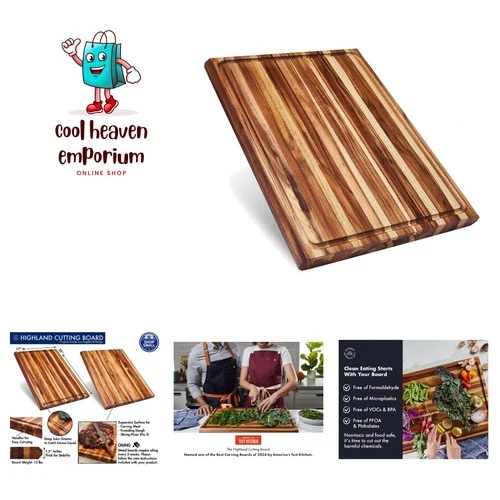
Wooden boards—spanning edge-grain, end-grain, and various species like teak and acacia—are widely considered the gold standard by professional chefs. Wood possesses a natural give that cushions the micro-edge of a sharp knife rather than forcing it to blunt against a rigid surface. When you press a blade down onto a quality wooden board, the wood fibers part slightly and then spring back, preserving your edge far longer than synthetic or glass alternatives. For serious prep work, an option like the offers outstanding moisture resistance and strength due to its natural high oil content, making it a formidable choice for heavy-duty chopping and carving.
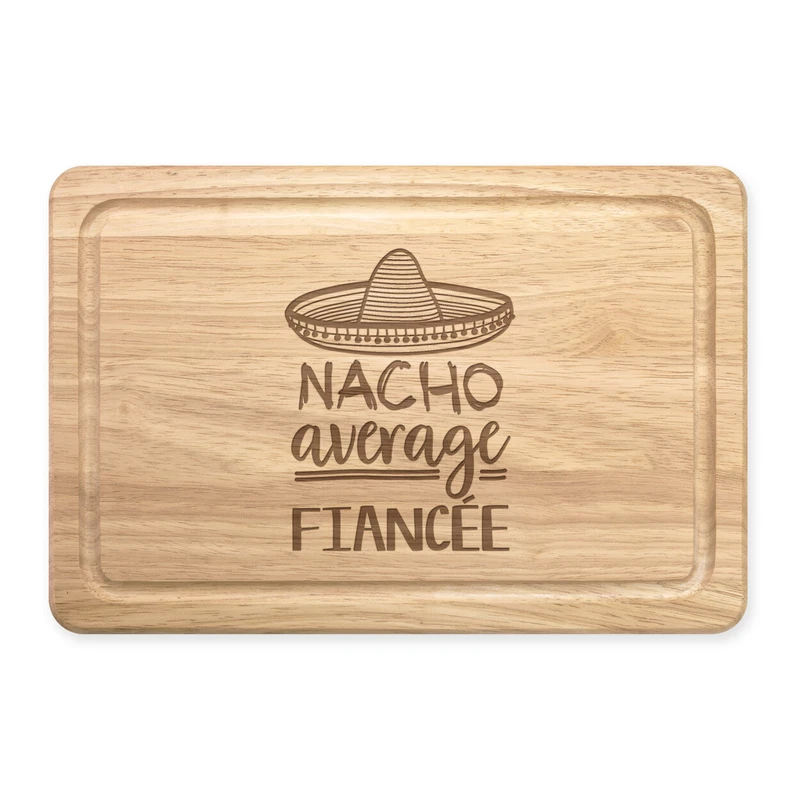
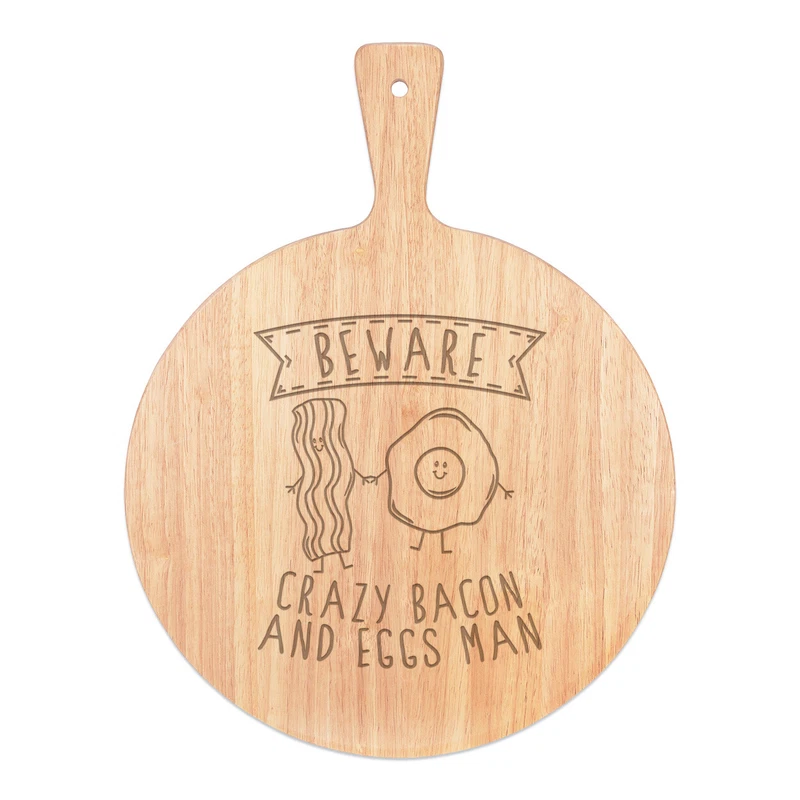
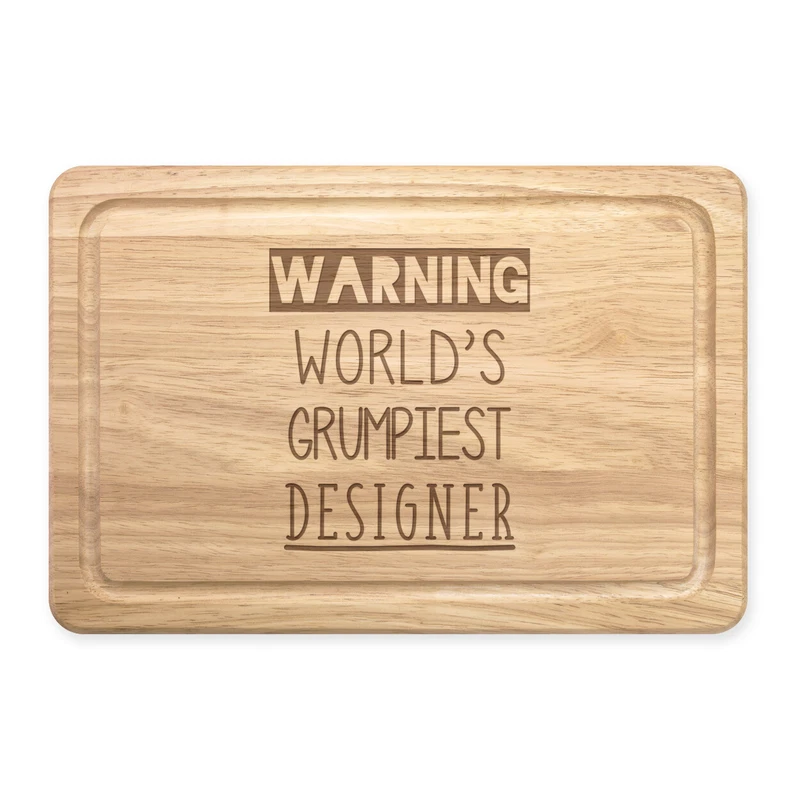
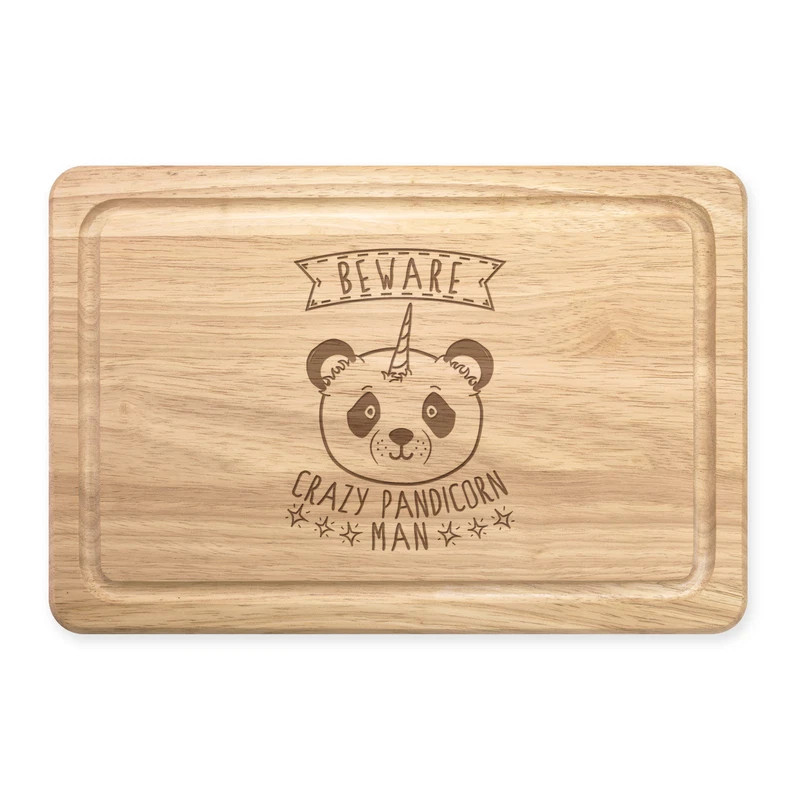
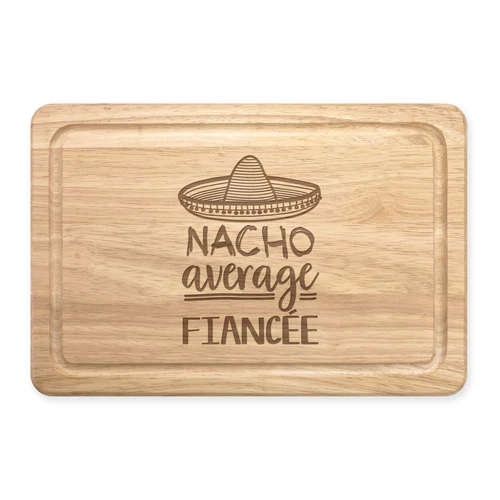
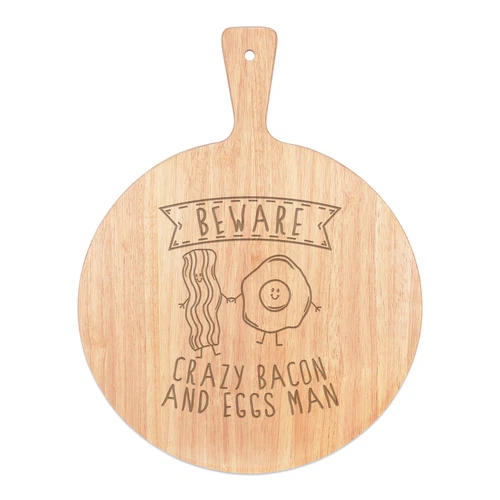
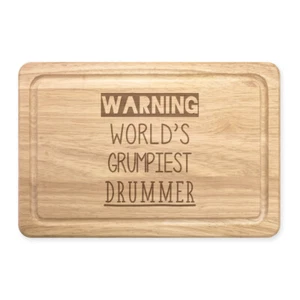
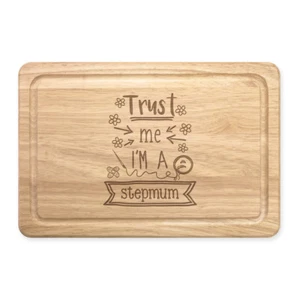
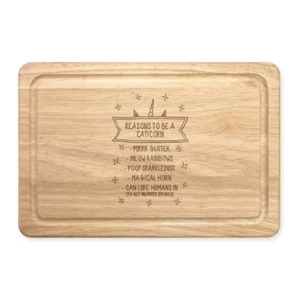
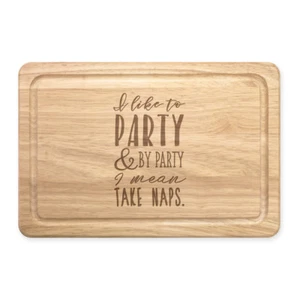
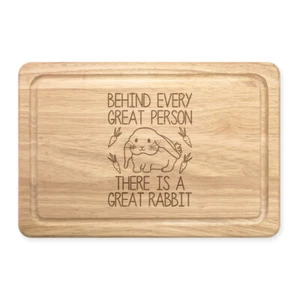
However, wood requires maintenance. It cannot be soaked in water, and it demands periodic mineral oil conditioning to prevent drying and cracking. For those seeking the warmth of wood without complex upkeep, modular sets or decorative pieces are popular. You might consider a multi-pack solution such as the for batch prep or entertaining, or opt for charming themed boards like the , the , or the which bring personality to the kitchen while still offering a wood-based cutting surface.
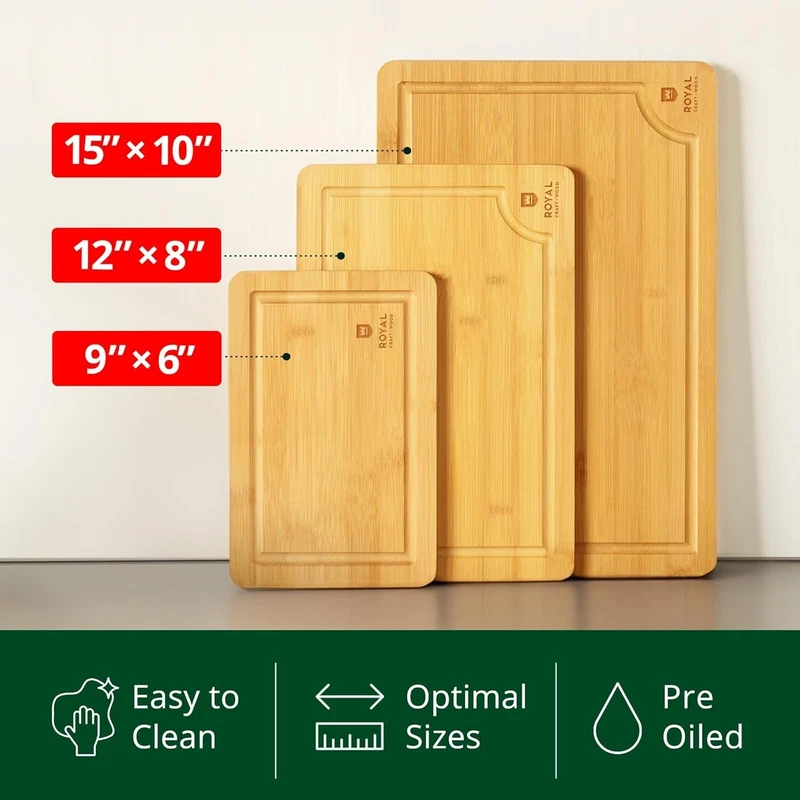
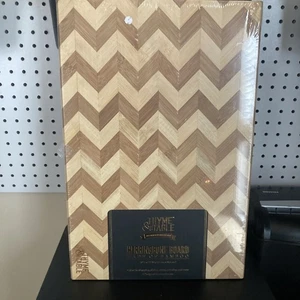
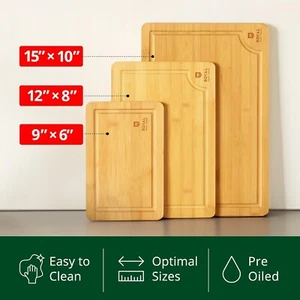
Bamboo is another popular natural option, often marketed as an eco-friendly alternative to hardwood. While bamboo is technically a fast-growing grass rather than a tree, it is extremely dense and hard. This high density means bamboo boards resist scarring and moisture absorption remarkably well, but it also means they are harder on knife edges than softer woods like maple or teak. If you appreciate the aesthetic of bamboo, products like the add a stylish, modern touch with a herringbone pattern and multi-color wood tone, while the provides a structured set featuring juice grooves and thick construction suitable for meat prep.
Plastic and synthetic polymer boards—such as high-density polyethylene (HDPE)—occupy a different niche. They are dishwasher safe, lightweight, budget-friendly, and non-porous. A quality synthetic option like the delivers ultra-durable strength, deep grooves to catch messy juices, and a nonporous surface that won’t splinter or peel like wood or bamboo. The primary trade-off with plastic is knife scarring; over time, the blade leaves deep gouges in the plastic surface. These grooves can trap food particles and bacteria, meaning plastic boards must be replaced periodically once they become heavily scored.
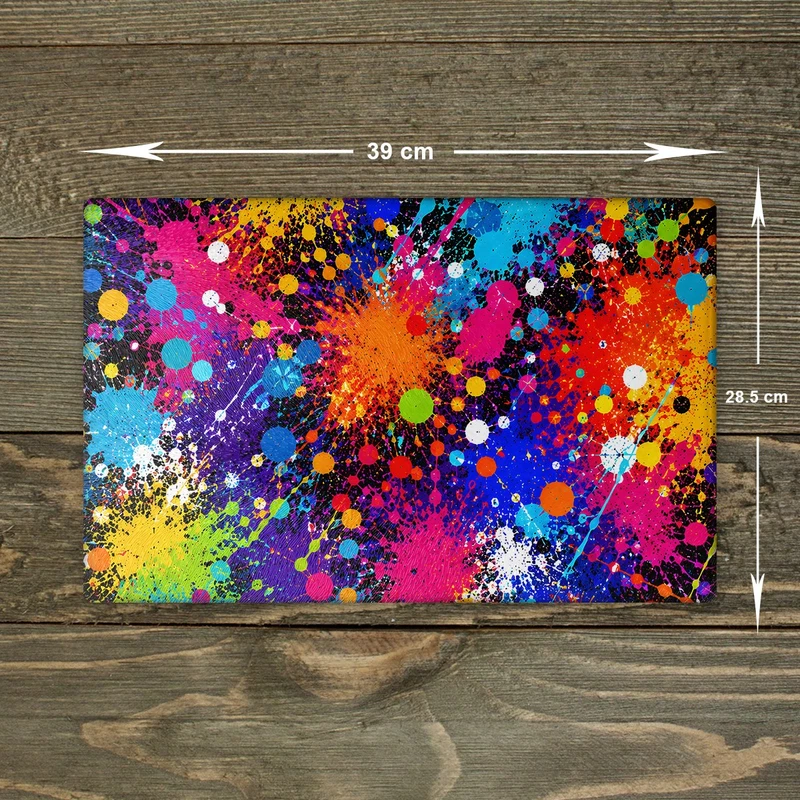
Glass boards represent the polar opposite end of the spectrum. While proponents praise glass for its effortless cleanup and heat resistance, knife enthusiasts view glass as public enemy number one. Hacking a knife blade against a tempered glass surface instantly rolls or chips the delicate apex of the edge, transforming a razor-sharp blade into a dull wedge within minutes. If you choose to use decorative glass surfaces like the , the , or the simple , it is best to reserve them strictly for serving trays, pastry work, or kitchen decor rather than active knife work.






 $134.99