Both brands file patents and both market heavily, and both use the word “technology” in a way that makes shoppers assume the two are interchangeable. Here is what the technologies on the listings we checked actually do, with the marketing stripped out. The single most useful thing to understand before comparing any two jackets is that insulation, shell and construction are three separate decisions, and the two brands are strong in different ones.
Insulation decides how warm you are when you are not moving. Shell decides how wet you get. Construction — baffle spacing, seam placement, hood design, pocket count — decides how long the first two keep working. A jacket can be superb at one and hopeless at another, which is precisely why comparing two brands head to head without naming the jacket type produces arguments that cannot be settled. Nearly every confident opinion you have heard on this topic is actually an opinion about a parka or a softshell, delivered as though it were an opinion about the brand.
The North Face: Thermoball, 550 down and the shell
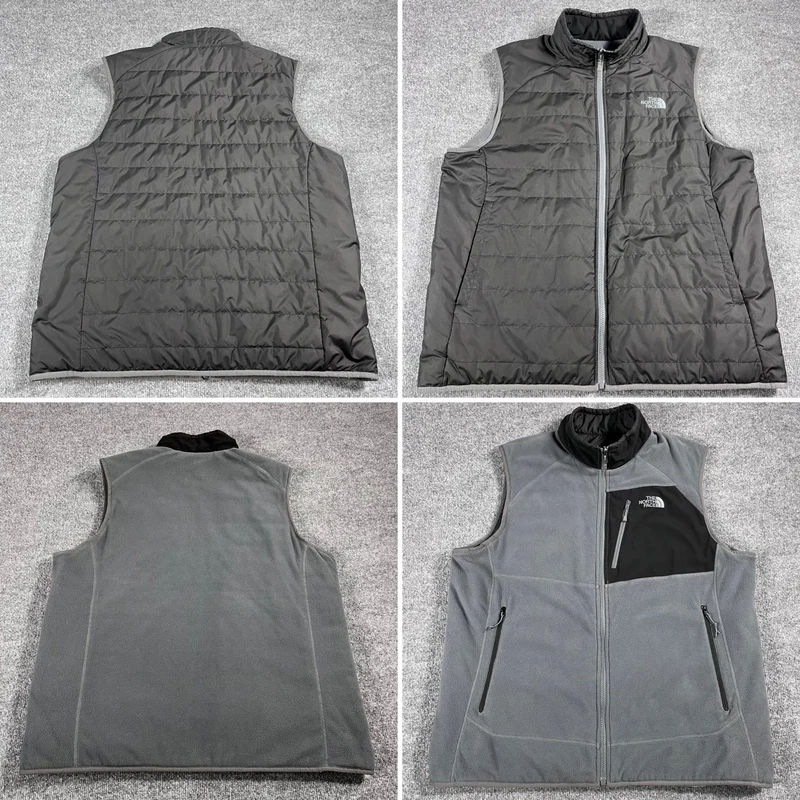
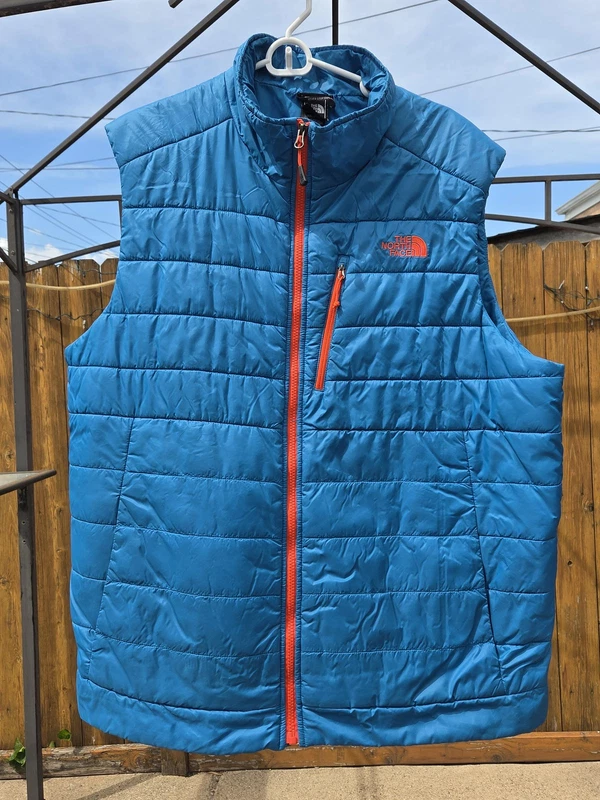
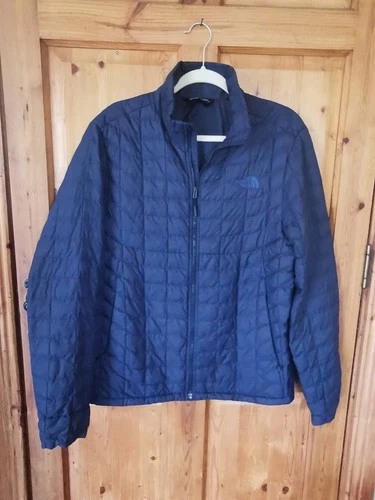
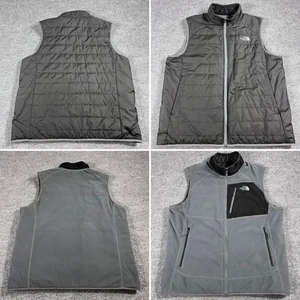
Thermoball is synthetic insulation — polyester fibres designed to mimic the structure of down while staying warmer when damp. It is a sensible choice for a jacket that will get wet, because the failure mode of wet down is catastrophic and the failure mode of wet synthetic is merely disappointing. The listing for the , confirmed at $59.78, describes the full spec cleanly: embroidered logos front and back, a full zip closure, two zippered hand pockets, Thermoball polyester insulation, and a body that packs into the left pocket for storage. That is a genuinely useful design at a genuinely good price.
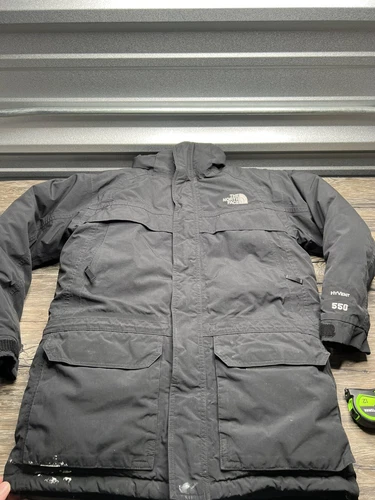
550-fill down is the North Face's down standard, and it appears in the confirmed at $136.93 — an oversized, hoodless coat, quilted inside, with the old-school collegiate look. 550 fill is a mid-grade fill: warmer for its weight than 500, and more compressible. It is not the top of the range, but it is a defensible specification and it is the reason many North Face parkas feel lighter than their size suggests.
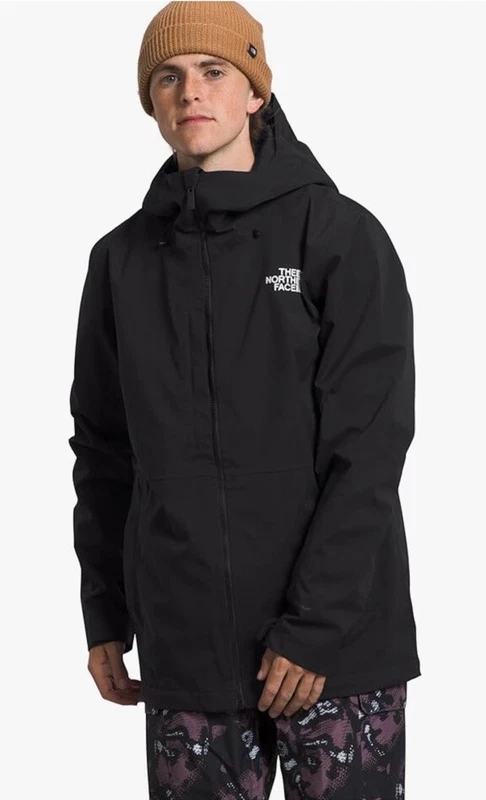
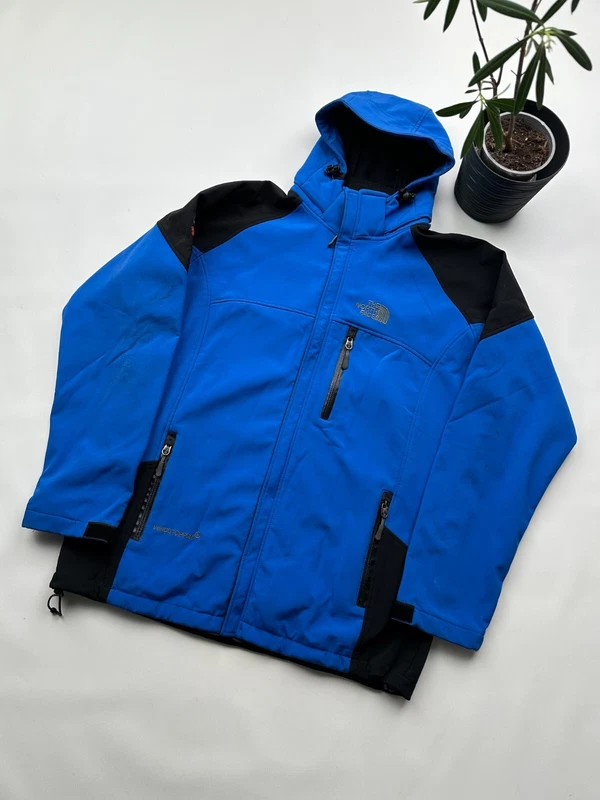
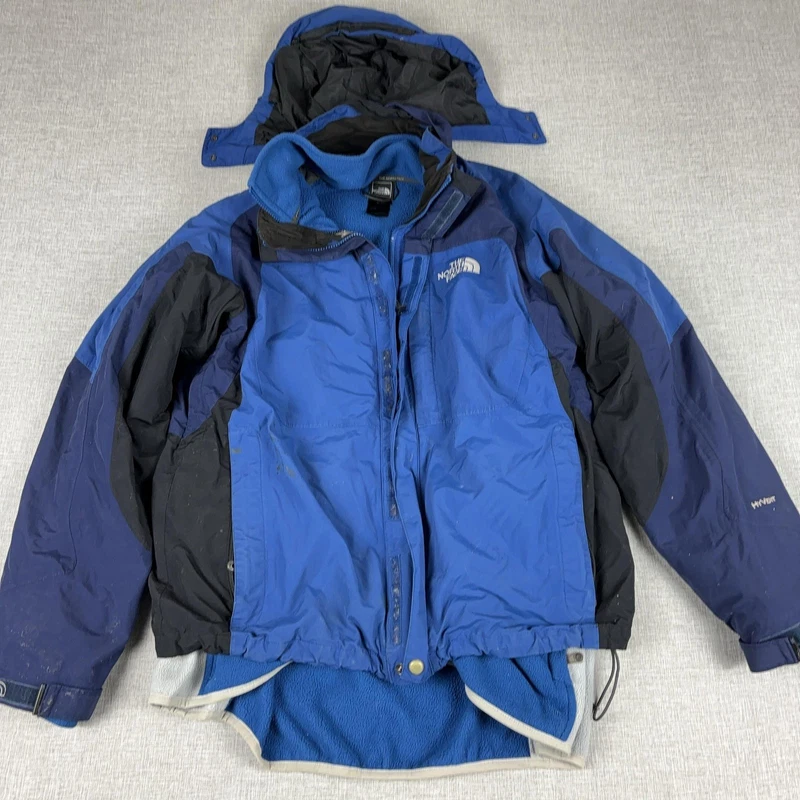
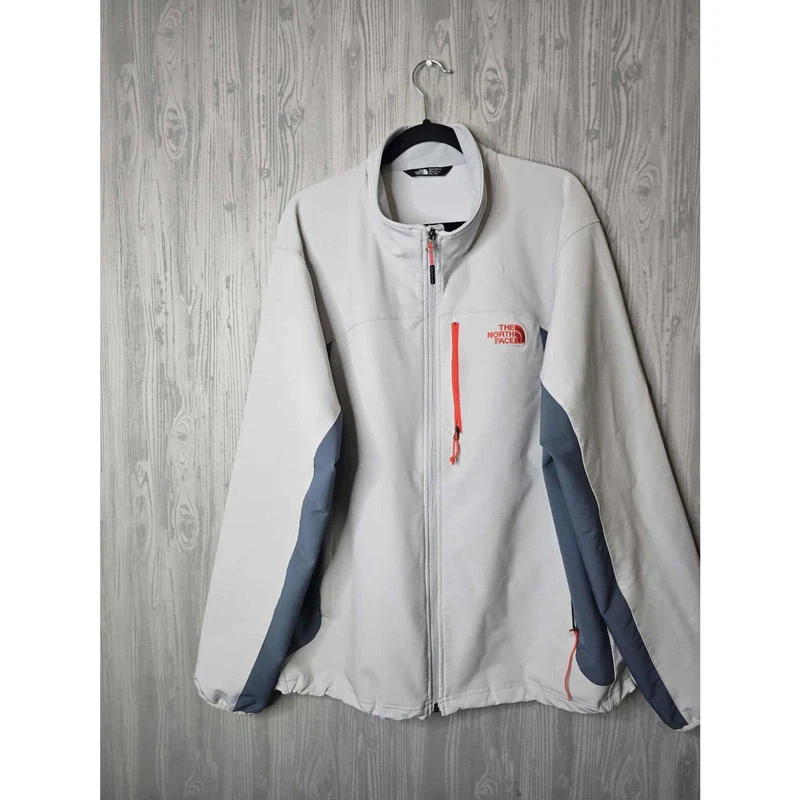
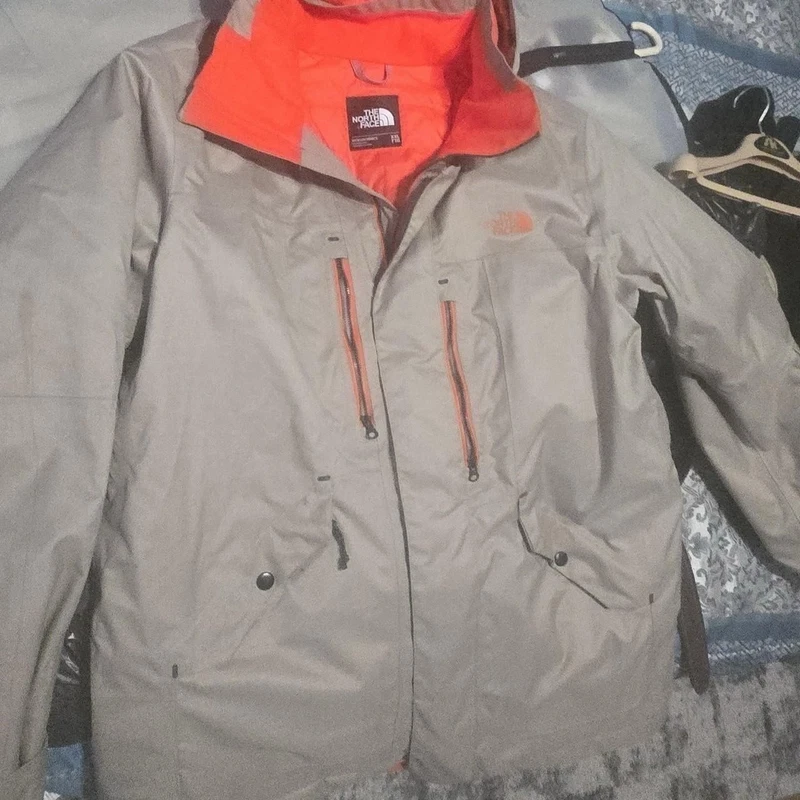
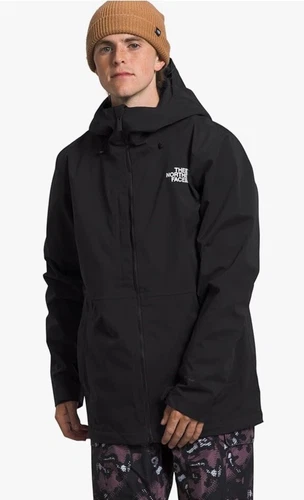
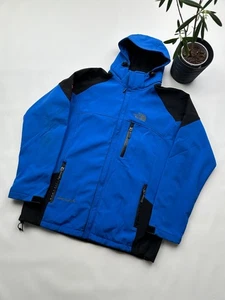
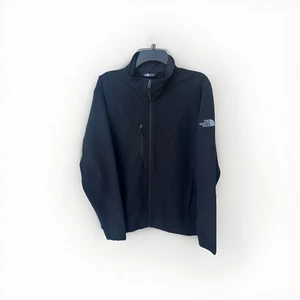
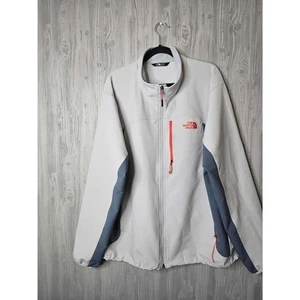
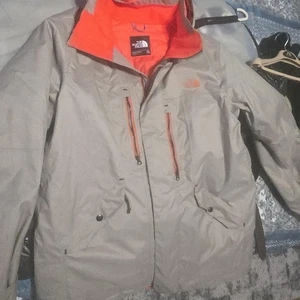
The shell fabric is where The North Face has the clearest technical edge. The , confirmed at $199.00, is the most expensive item in this entire comparison, and that gap is real rather than a logo premium. Stretch waterproof shells move with you in a way that rigid membranes do not, which is the difference between a jacket you can ski in and a jacket you can only stand in. The trade-off is that you now own a jacket whose membrane is harder to replace.
- Thermoball synthetic stays usable when damp — the right call for wet climates
- 550-fill down gives high warmth-to-weight in the McMurdo parka
- Stretch shell membranes genuinely improve movement in high-output sports
- Down loses loft permanently if it gets soaked, and there is no fixing that at home
Columbia: Omni-Heat and Omni-Tech
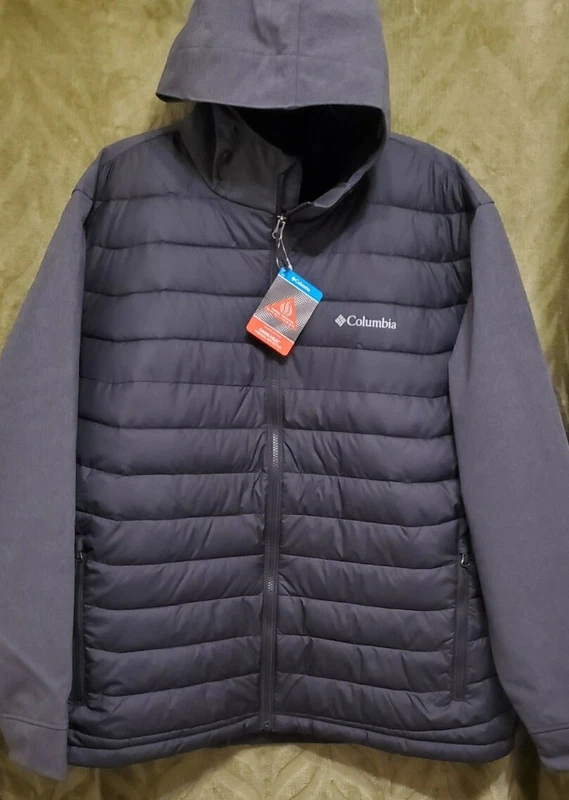
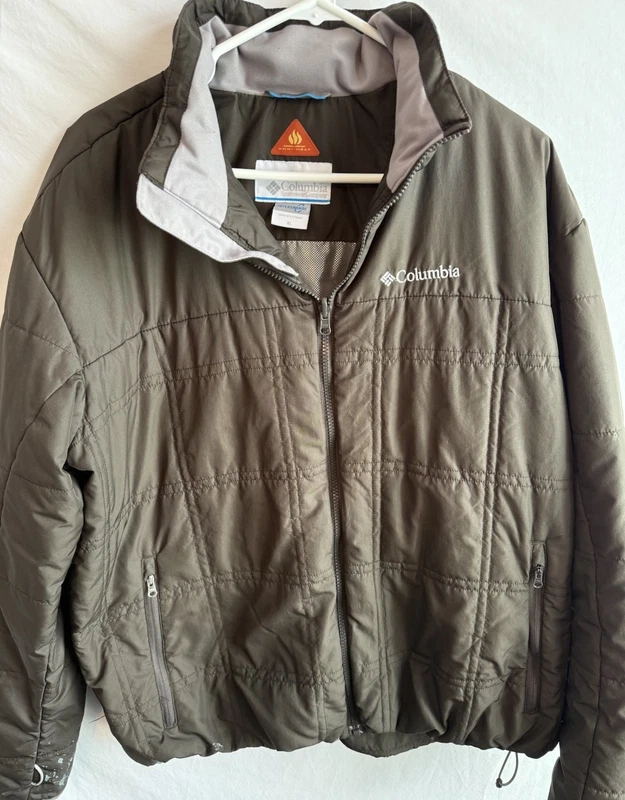
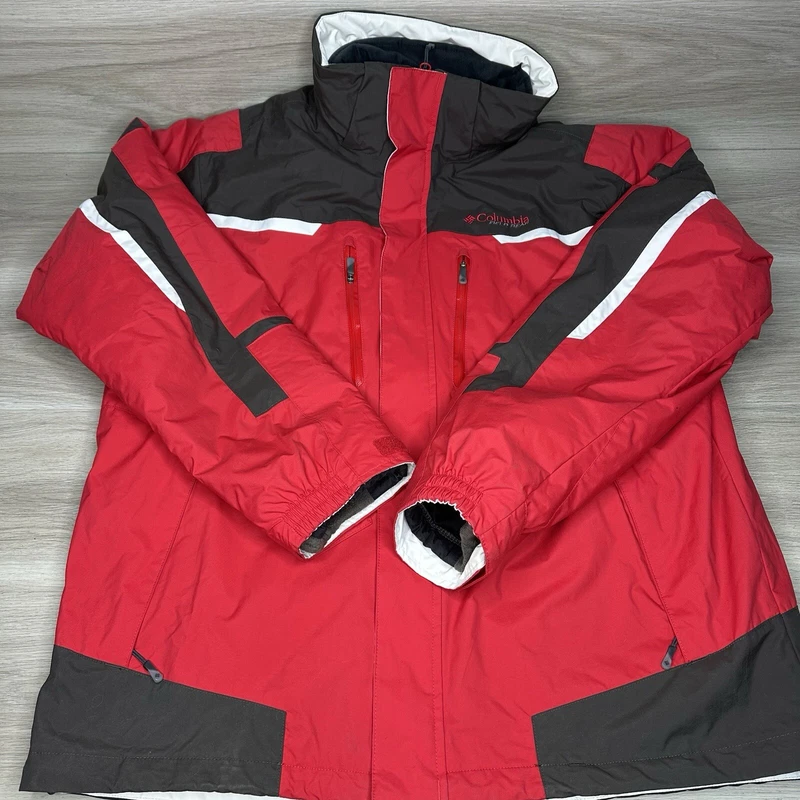
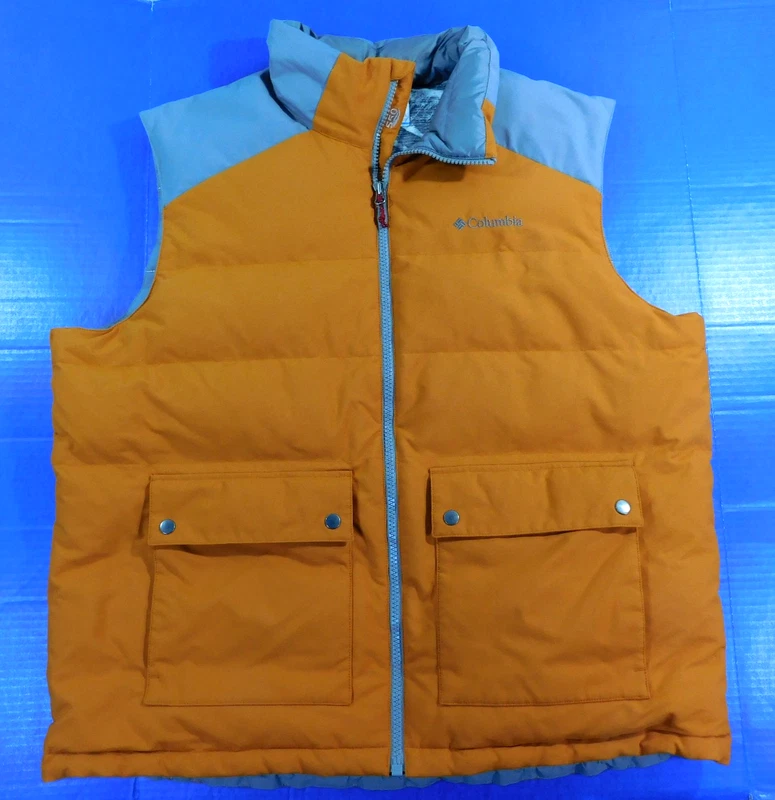
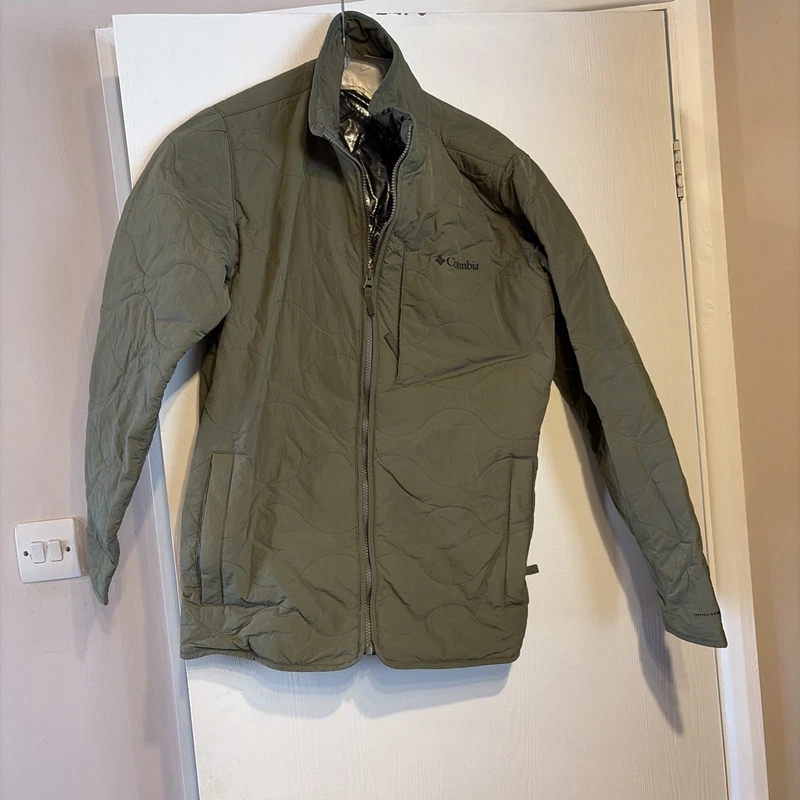
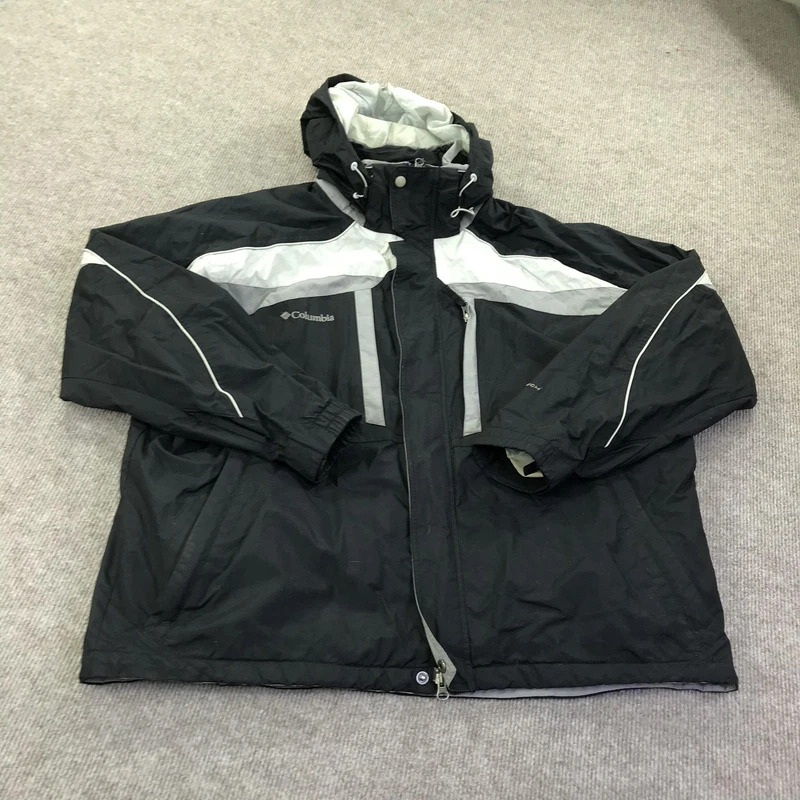
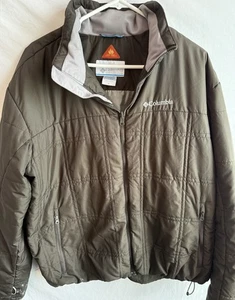
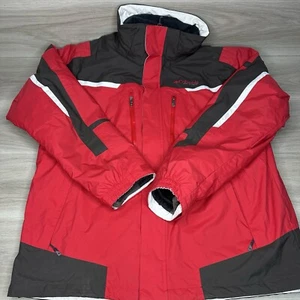
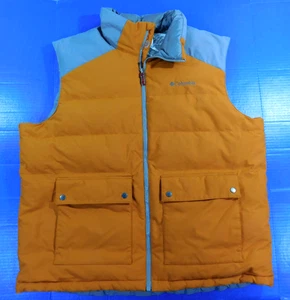
Omni-Heat is Columbia's patented reflective insulation system, and it is the most misunderstood technology in this comparison. It is not a heater and it draws no power. The mechanism is a lining printed with a metallic dot pattern that reflects the wearer's own radiated body heat back toward them while blocking outside radiant heat. The , confirmed at $99.99, describes exactly this — 100% polyester with a metallic dot interior lining for radiant heat management. An in a large is confirmed at $40.00, and a at $39.99 is the same idea combined with a nylon outer shell and polyester insulation.
What Omni-Heat is genuinely good for: staying warm on a static commute, sitting still at a match, working outdoors where you cannot keep moving to generate heat. What it is not: a replacement for real lofted insulation in genuinely cold conditions. It is a radiant barrier, and radiant barriers work best as a layer under something with loft.
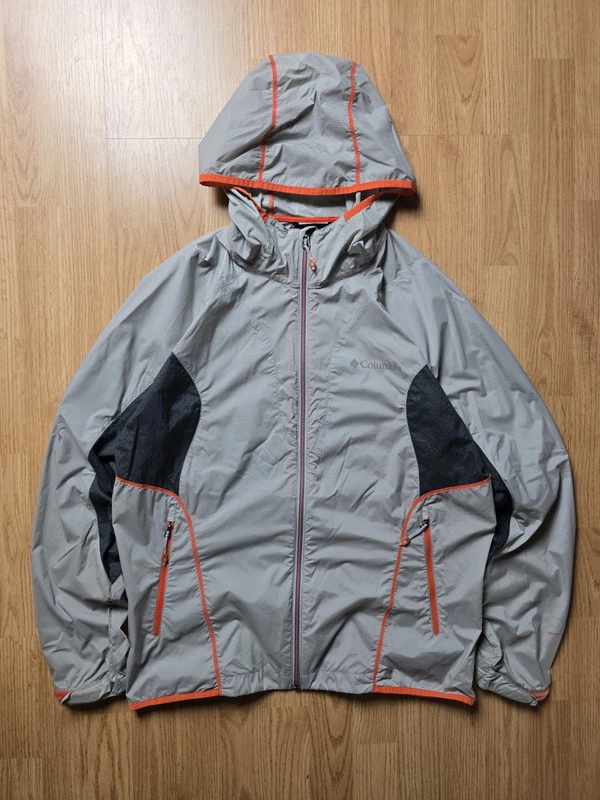
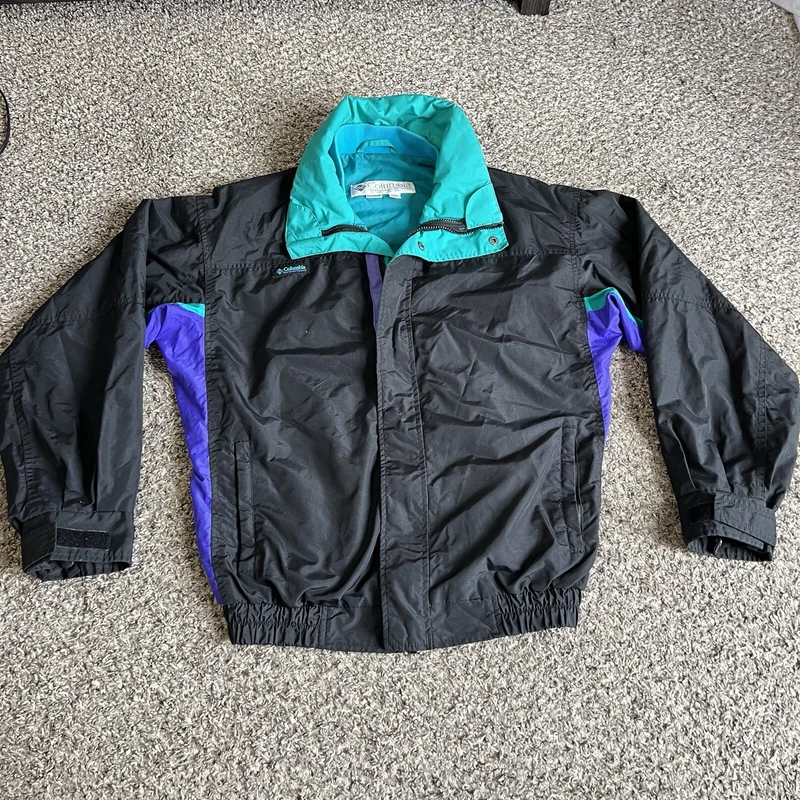
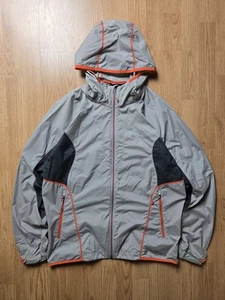
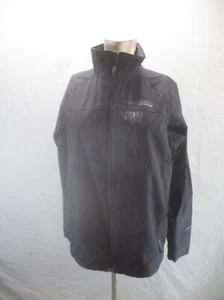
Omni-Tech is Columbia's waterproof breathable membrane family, and the in a large, confirmed at $23.95, shows how little that technology costs when you buy the pre-owned end of the market. Omni-Shield appears on windproof rather than fully waterproof shells, as in the confirmed at $53.98, a piece the seller rates at condition 9 out of 10 with breathable mesh panels, zip hand pockets and a pit-to-pit of 22.5 inches.
The honest summary of the technology gap: The North Face has better membranes; Columbia has a cleverer lining. For most people buying a jacket to wear to work and on a weekend walk, that means the Columbia lining gives you more usable warmth for the money, and the North Face membrane gives you better protection in sustained rain.







 $59.78