Cleaning and protection are unglamorous and pay back fastest. The rule for both: buy the thing that removes the problem at source, not the thing that makes the problem less visible.
Cleaning: Buy the Thing That Removes the Problem at Source
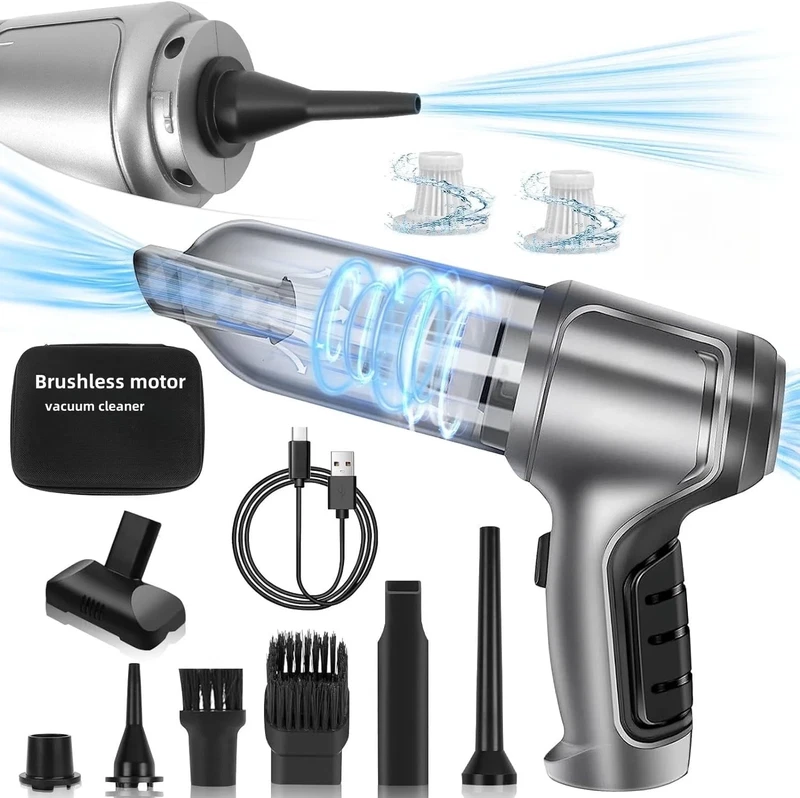
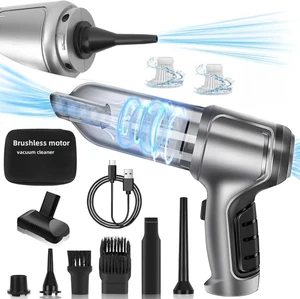
Suction is the cleaning spec that matters. Pa, or pascals, is the unit of suction pressure. It is a manufacturer figure rather than a laboratory result, and it is easy to inflate — but as a rough guide, a handheld car vacuum in the low tens of thousands of Pa handles crumbs and grit, and anything claiming six figures is a marketing decision. The is rated at 15,000Pa by the seller, with a double-turbine blade structure spinning up to 75,000 r/min. That is a plausible number for the price, and it is the sort of honest figure that tells you it will do crumbs, pet hair and seat rails rather than embedded sand.
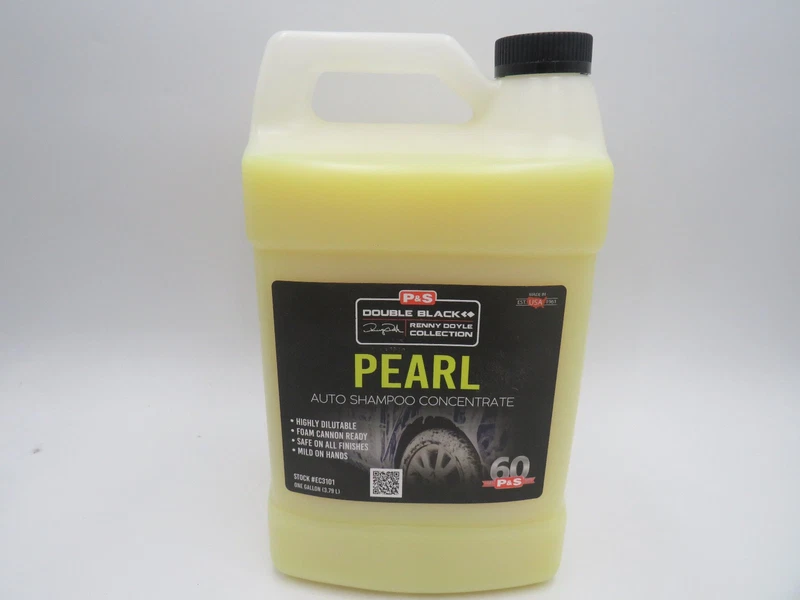
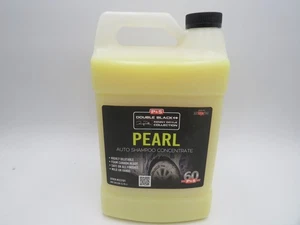
For consumables, the mistake is buying concentrate in a small bottle and diluting it wrongly. The is a 128 fl oz pH-balanced gallon — enough that dilution mistakes stop mattering, and enough to make a two-bucket wash routine practical rather than aspirational. The pH balance matters: shampoo that is too aggressive strips wax and sealant, and you will see the water beading fail two washes later.
A smaller alternative is the at $20.91, containing car wash soap and wax, ammonia-free glass wipes that will not streak or leave residue, tire foam that lifts dirt without scrubbing while acting as a protectant, and a UV protectant spray for interior surfaces. Four items rather than thirty, and each one does a job a whole detailing kit would only approximate.
Protecting Seats, Interiors and Cargo
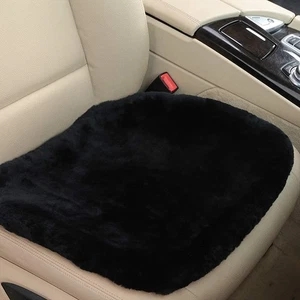
Protection is cheaper than cleaning and lasts longer. The at $43.56 is merino wool, which the listing describes as absorbing moisture and regulating temperature naturally, giving a cooler surface in summer and warmth in winter. Wool is the right material for a long drive and the wrong material for a $15 seat cover.
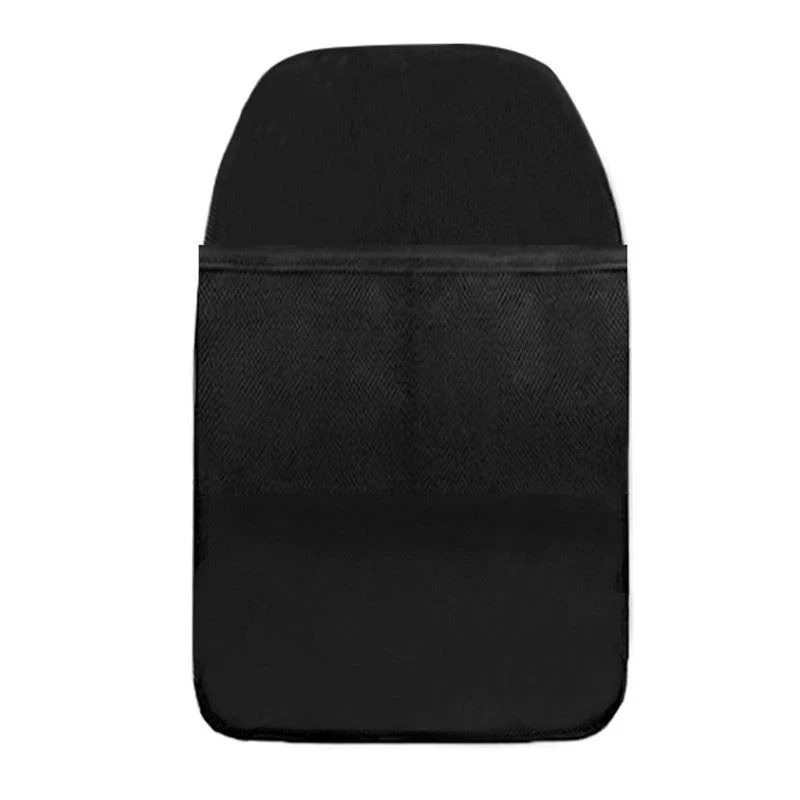
For a car that takes a beating from boots, the at $37.34 is a set of protective mats for the rear seat backs, described as a premium odourless model. Kick mats protect against the single most common interior damage in a family car, and they are far cheaper than reupholstering.
The Long Tail: Winter, Roof, Pets and Plug-In Extras
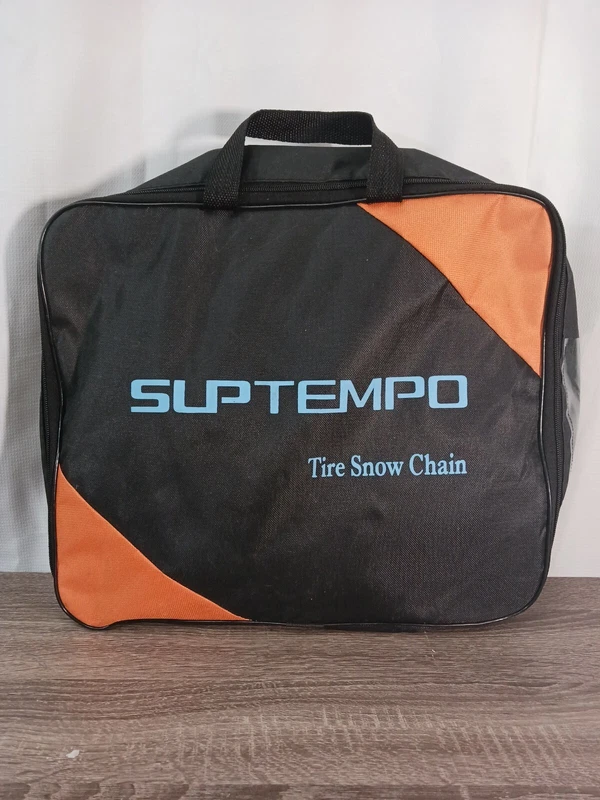
Three situations people forget until the season arrives. The at $37.95 are described as thickened TPU with embedded high-hardness metal studs, rated for tyre widths from 165mm to 285mm — that is 6.5 to 11.2 inches, covering standard car, minivan, passenger car, SUV and light truck tyres. They fit while the vehicle is parked, with tension adjustment straps, and the material is described as low-temperature resistant to minus 50C. Check your tyre width against that 165 to 285mm range before you buy — this is the one accessory on the list where a mismatch is a genuine safety problem rather than an inconvenience.
If you carry a roof tent, the at $35.62 is 420D Oxford cloth, wear- and tear-resistant, in dirt-resistant black, measuring 143 x 120 x 28cm and weighing about 400g. It folds into a supplied storage bag. A roof tent left in the sun degrades fast, and a cover is cheaper than a re-seamed tent.
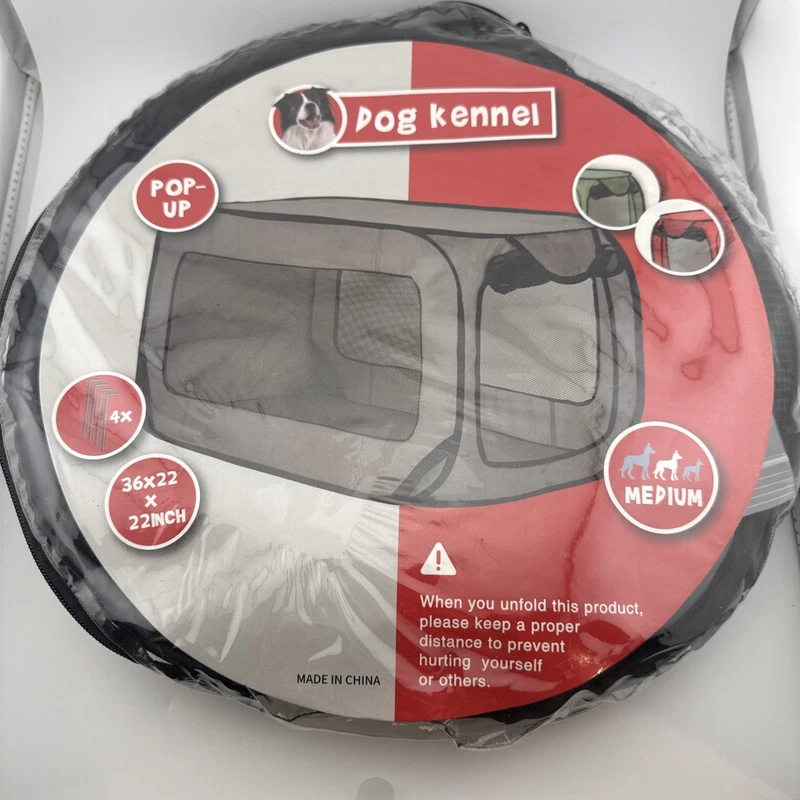
For a pet, the at $26.99 is new in package and ships with instructions and four metal tie-downs. Tie-downs are the specification that matters here. A pet seat that is not mechanically attached to the vehicle is a pet bed.
And if your commute involves a plug socket rather than a charger port, the at $25.00 is a used 12V plug-in coffee maker. The seller states it is fully functional and that the drinking cup has surface cracks as pictured but does not leak. That disclosure is exactly what you want to see in a used listing — check the cup for hairline cracks before the first use.
For anyone whose vehicle doubles as a weekend cooking platform, the at $49.99 weighs 6 lbs, comes with a lid and stopper, and is listed as new in its original box. Six pounds matters: it is the difference between a grill you take to the tailgate and one that stays in the garage.











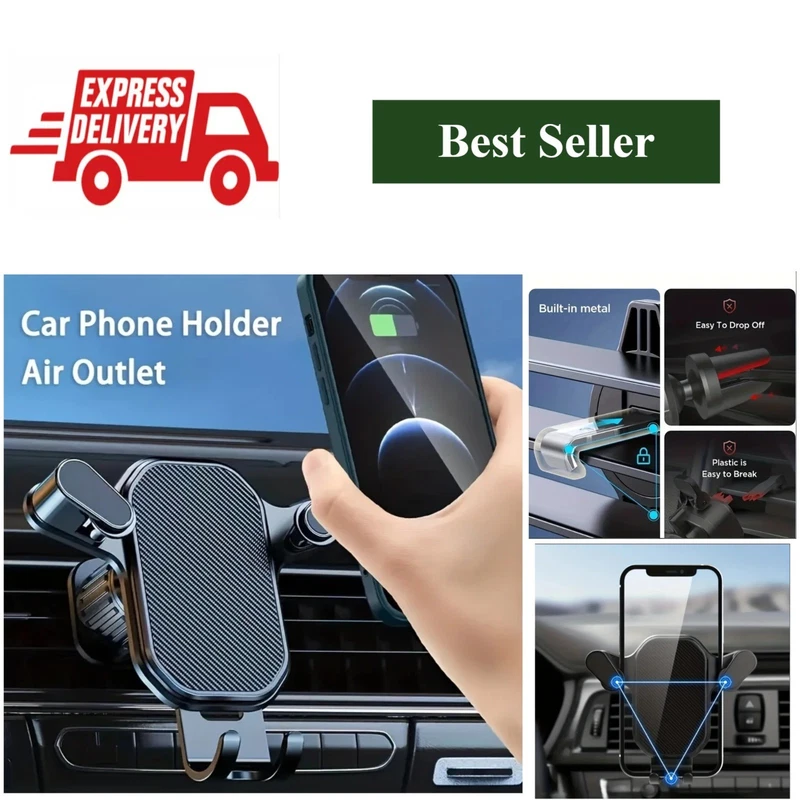 $5.99