When evaluating bike repair tools sizes and features, you will encounter a staggering array of terminology. Understanding what matters structurally versus what is just cosmetic polish is crucial for building a reliable kit. Let us break down the core categories of bicycle maintenance equipment and examine what you are actually paying for.
Hex Keys and Torque Management
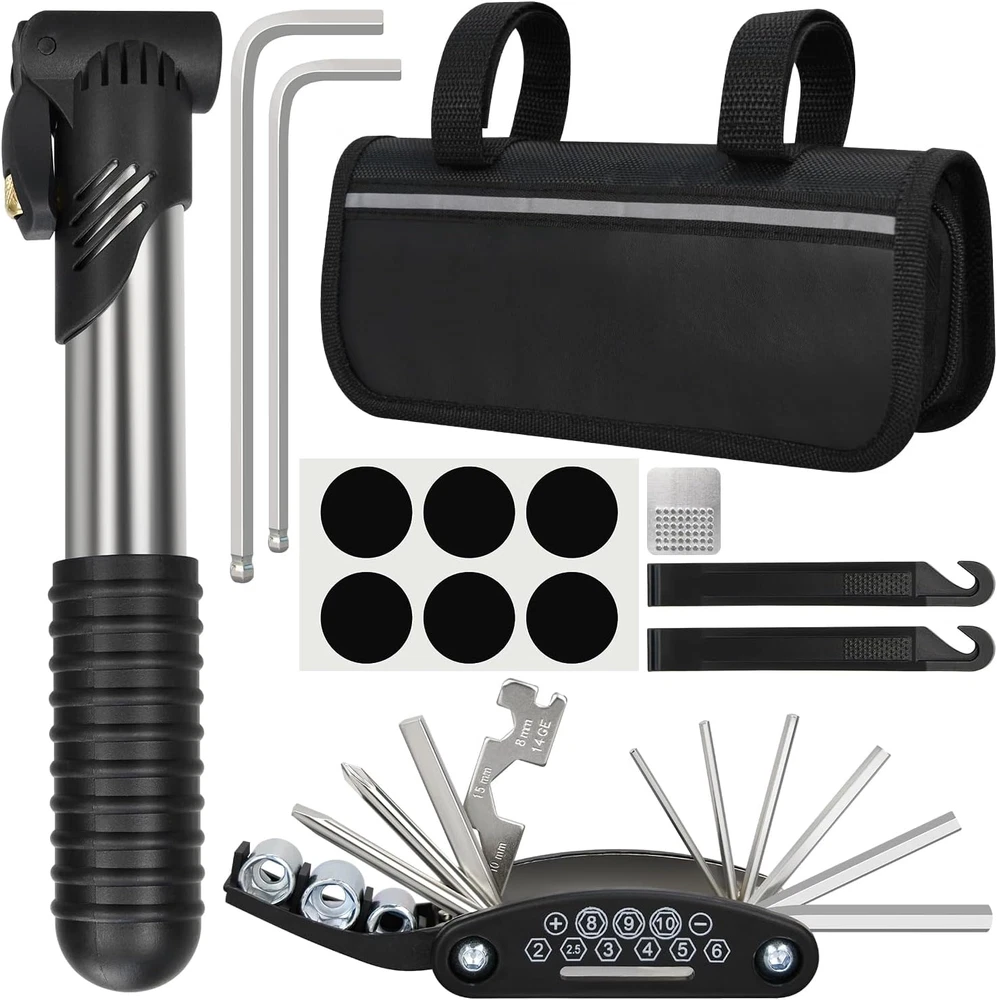
Hex keys (Allen wrenches) are the absolute backbone of bicycle maintenance. Almost every bolt on a modern bike—from your stem faceplate and seatpost clamp to your disc brake rotors and water bottle cages—uses a 2mm, 3mm, 4mm, 5mm, or 6mm hex bolt. The marketing trap here is the "titanium-coated ultra-alloy rainbow finish" hex set. Color coatings do nothing for steel strength. What matters is the steel grade, tolerance precision, and chamfered tip design. Poorly machined cheap hex keys will round out your soft aluminum bolt heads on your expensive stem, turning a simple handlebar adjustment into a nightmare.
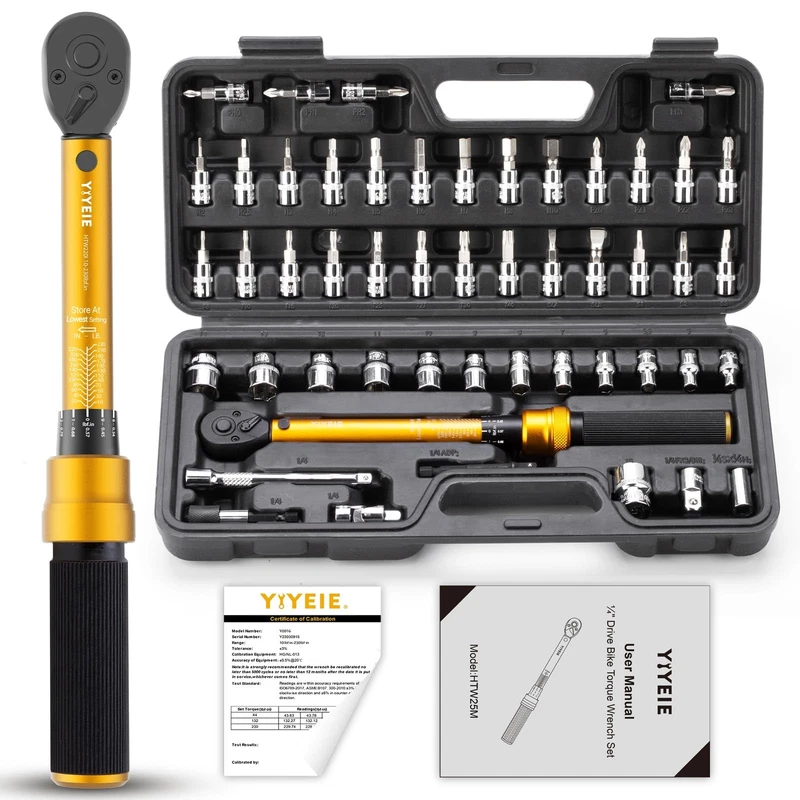
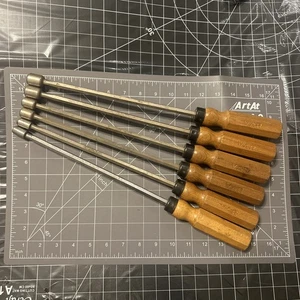
When working with modern aluminum and carbon components, torque control is non-negotiable. Over-tightening a carbon seatpost will crack the frame; under-tightening a stem clamp will cause your handlebars to slip mid-ride. A proper micro-precision click torque wrench, such as the comprehensive , provides the exact 1/4" drive and comprehensive bit sockets ranging from Hex 2-10, Torx 8-40, and 4mm-15mm sockets to ensure you never twist a bolt past its safety threshold.
Drivetrain Extraction and Cassette Removal
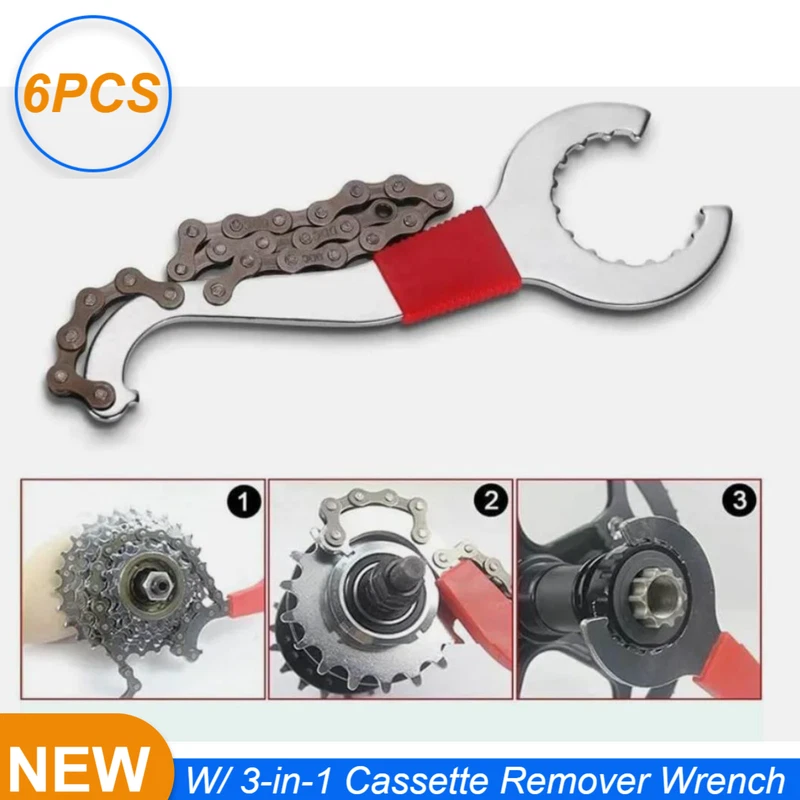
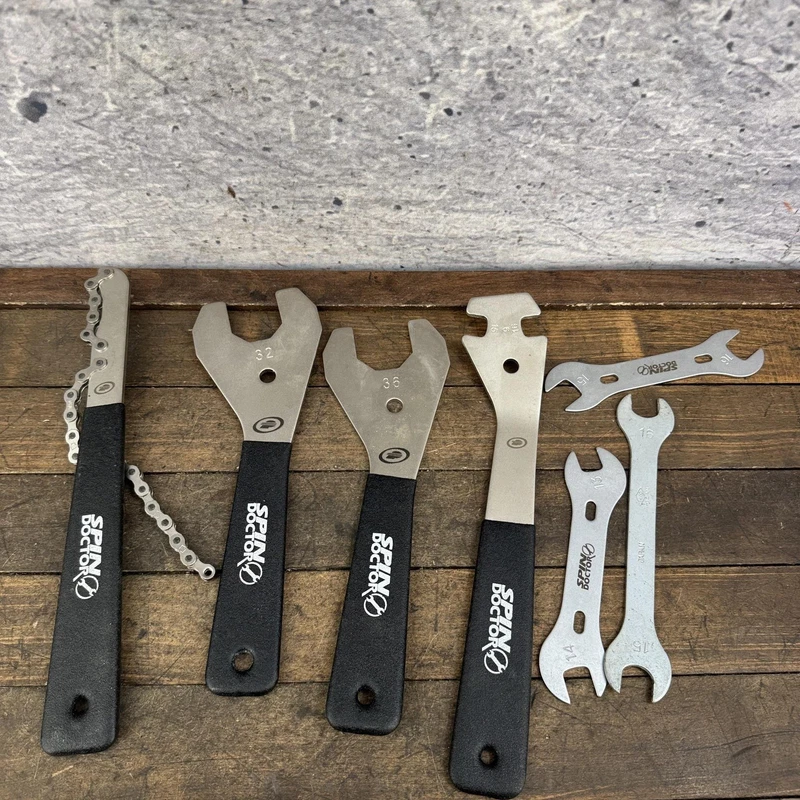
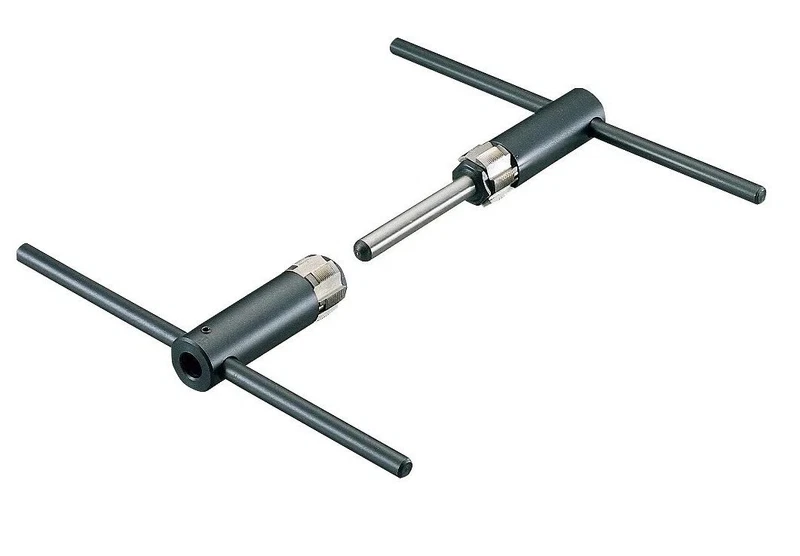
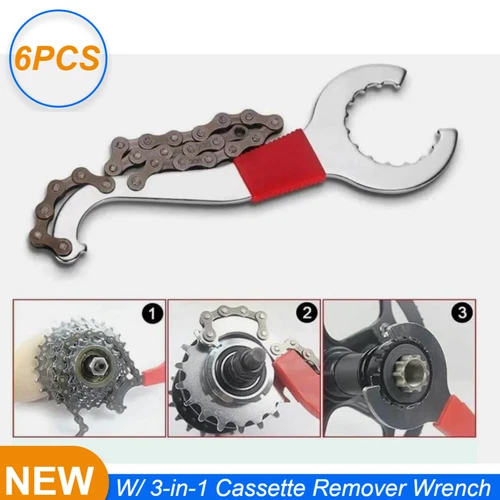
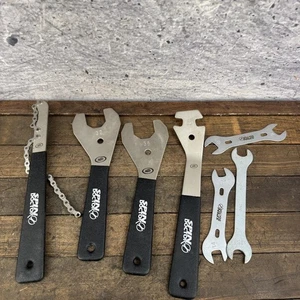
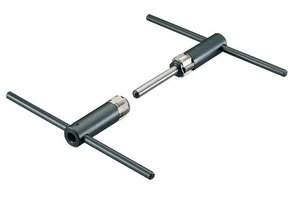
Your chain, cassette, and crankset endure immense mechanical stress. Over a few thousand miles, they wear down together. Replacing them requires specialized interface tools. A standard adjustable wrench will not remove a cassette; you need a dedicated lockring tool paired with a chain whip to hold the cogs steady while you apply torque. Similarly, pulling square-taper or splined cranks requires a threaded crank puller extractor tool.
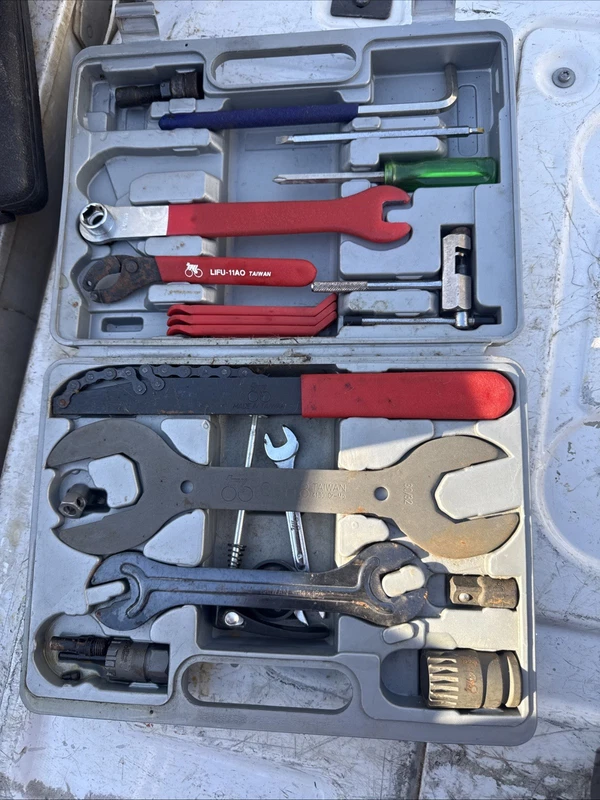
Many entry-level kits combine these exact drivetrain instruments into modular bundles. For instance, the provides an affordable path to tackling gear clusters and crankarms without breaking the bank. If you want a slightly more robust option with identical utility, the offers a similar 6-piece configuration built from superior durable materials to match your bike chain repair needs.
Chain Breakers and Link Pliers
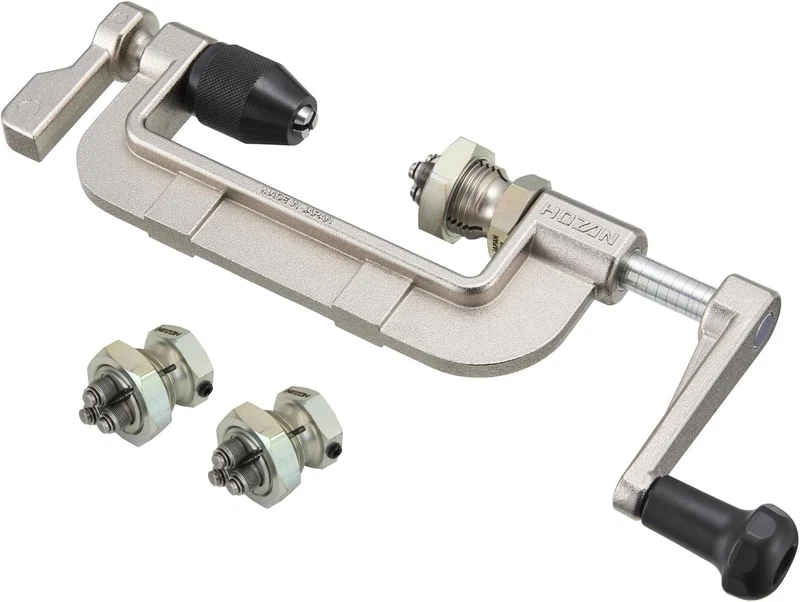
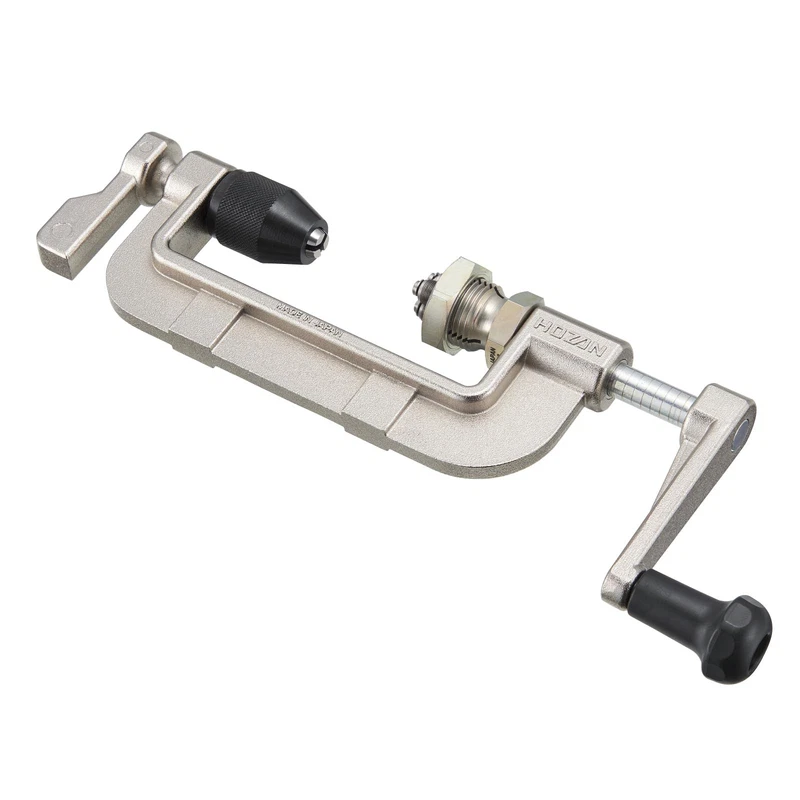
A snapped chain leaves you stranded. A chain breaker tool allows you to push out a damaged pin, shorten a stretched chain, or install a new one. Modern multi-speed chains require precision-width push pins so you do not bend the outer plates. Paired with master link pliers, breaking and reconnecting chains takes seconds rather than minutes of struggling with pliers and wire cutters.
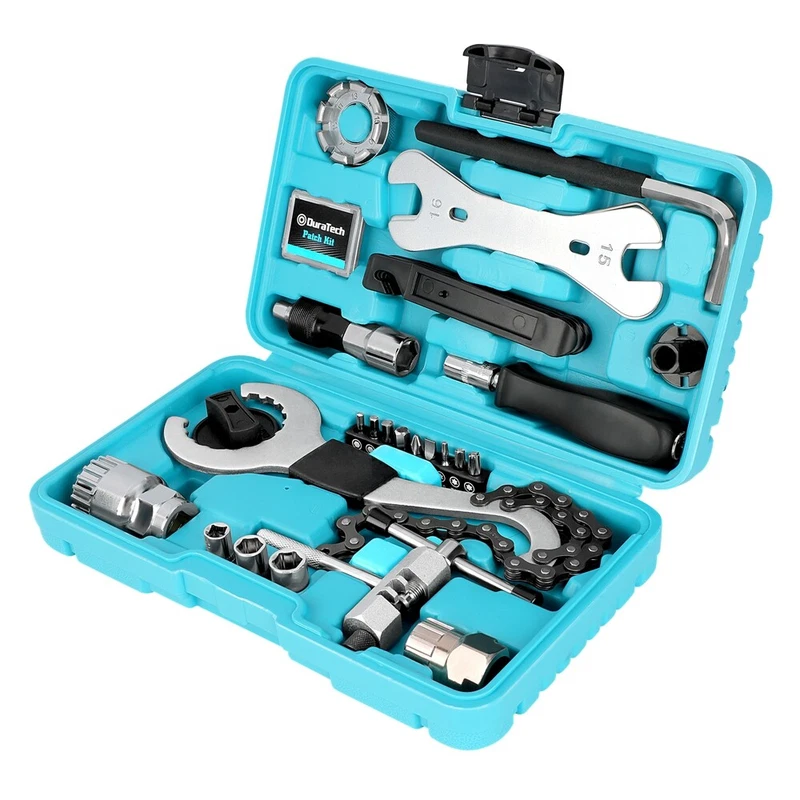
For riders looking for a balanced multi-piece setup that includes these exact items, the delivers eight essential professional components, featuring a cassette removal tool with chain whip, a dedicated bike chain breaker, and bike link pliers designed specifically for mountain and road bikes.








 $15.85