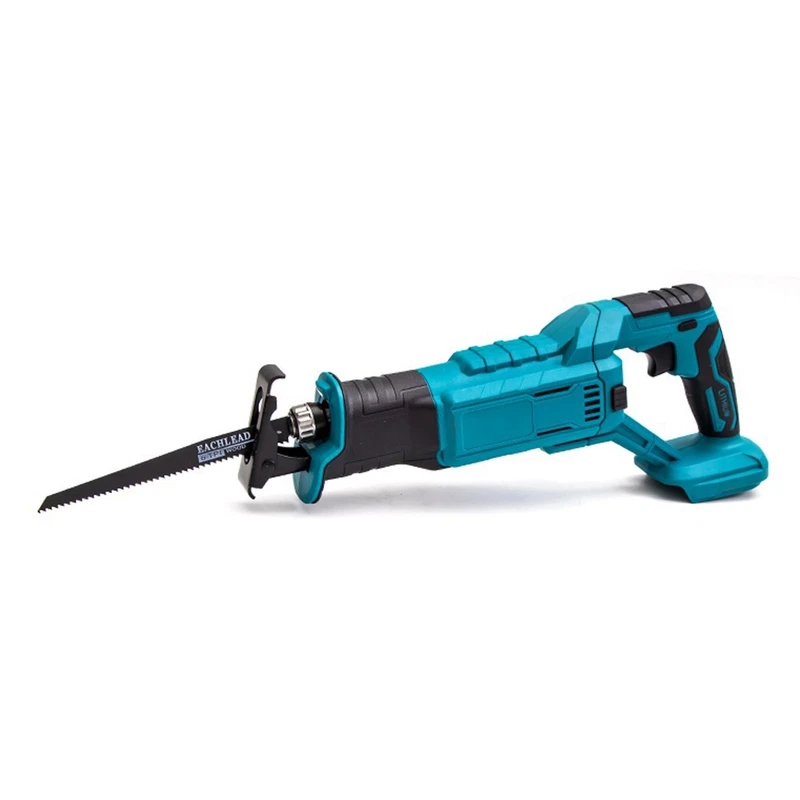
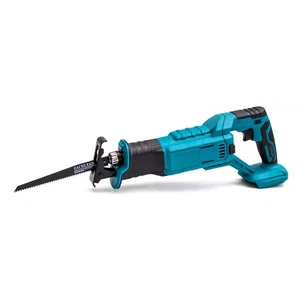
Two reciprocating saws at very different prices will cut a branch at the same speed if they are running the same blade. Blade length, tooth count and tooth geometry do the work. Short blades clear tight spaces and cut faster in thin material; long blades reach through thick timber and keep a straight line. Teeth per inch decides what the blade wants: coarse teeth rip green wood and plastic, fine teeth leave a cleaner edge in metal, and bi-metal or carbide-tipped teeth survive nails that would strip a plain steel edge in seconds.
Pruning and green-wood blades
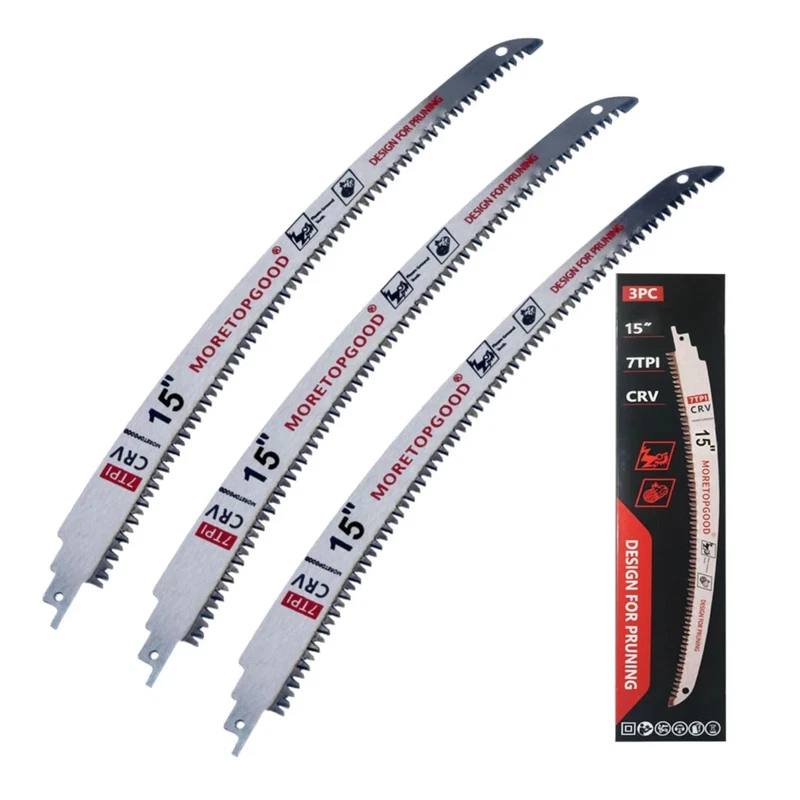
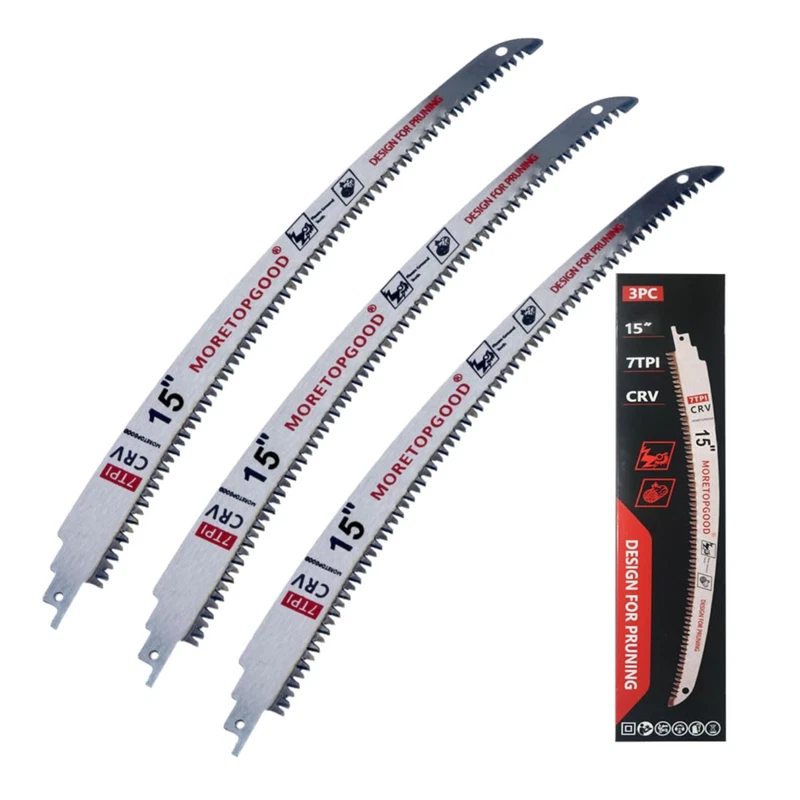
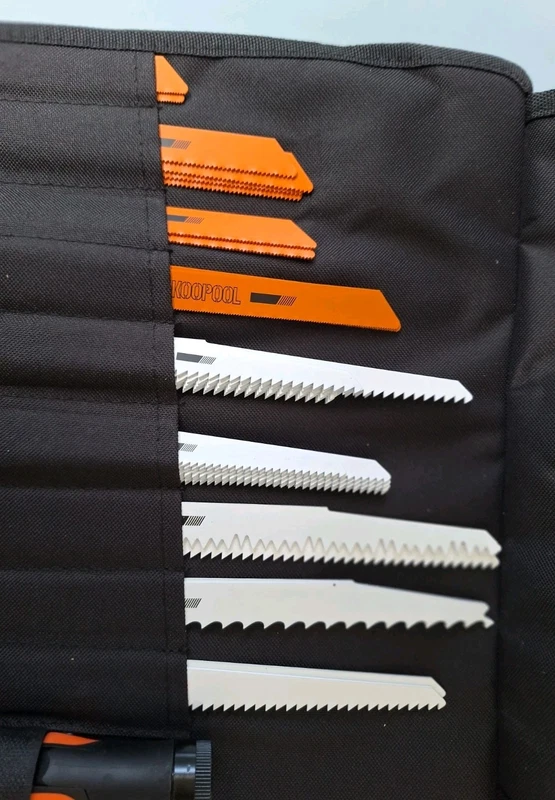
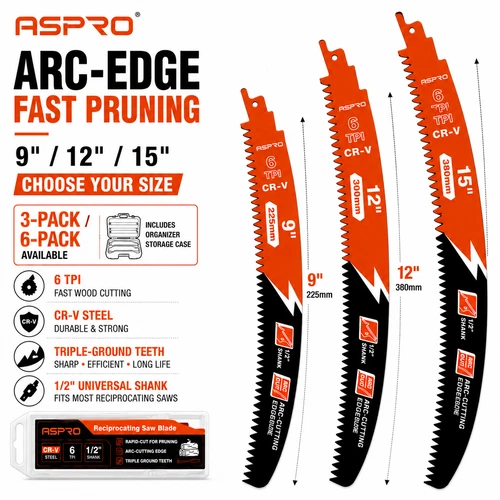
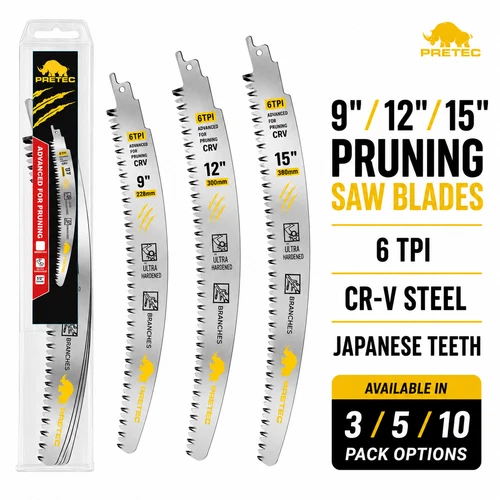
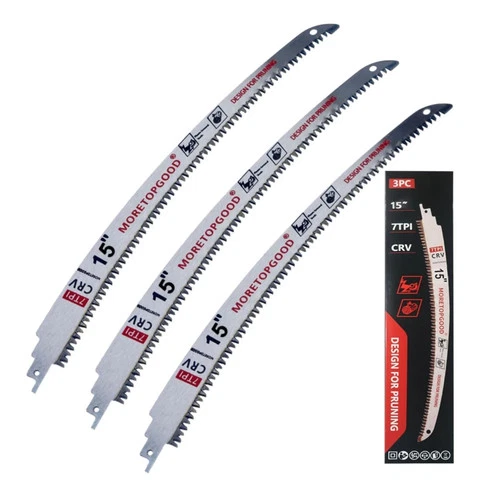
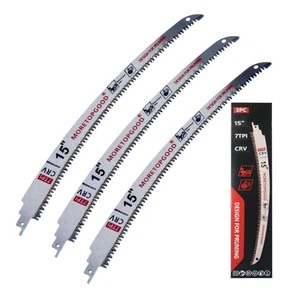
Curved, arc-edge blades with aggressive Japanese-style teeth are the pruning specialist: the curve keeps more teeth in the cut and clears chips, so a limb goes through without the blade wandering. The at $19.99 give you three lengths in one pack, and the are the same idea at $19.99 with more pack options. If you only ever cut branches, the longer singles are the ones to buy: the at $21.59, and three separate EZARC listings at $22.99, $25.31 and $33.49 — the , the and the . A 15-inch blade only makes sense on a saw with enough stroke and clearance to use it.
Bi-metal blades for demolition
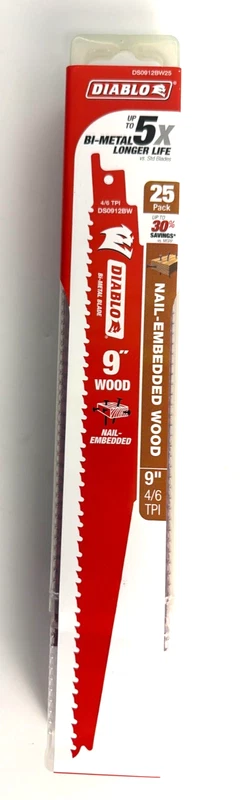
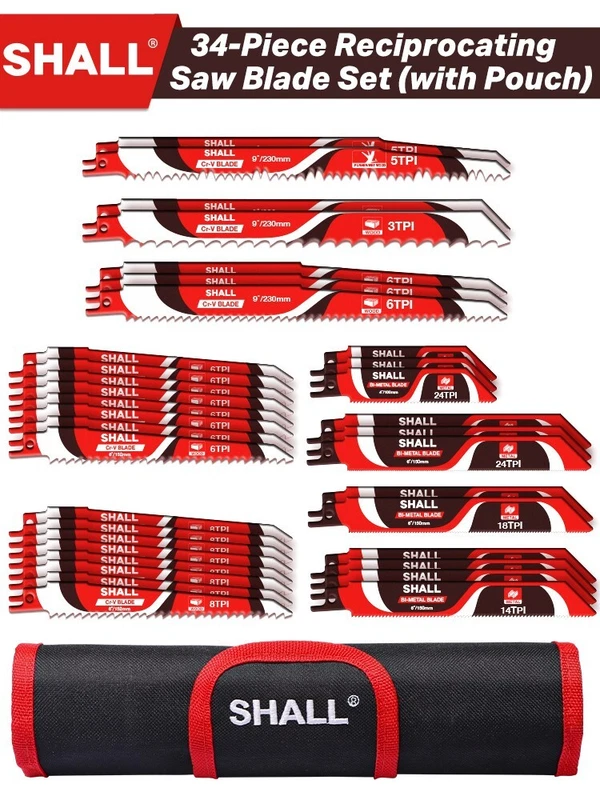
Demolition work is where bi-metal construction earns its price: a flexible high-speed steel edge welded to a spring-steel body resists the twisting that snaps cheap blades. The at $58 are the branded option for cutting pipe and fasteners, while the at $63.48 is aimed squarely at teardown work where every stud has nails in it. Expect a pack that size to outlast several cheaper packs, not to cut faster.
Bulk bundles for the price of a takeaway
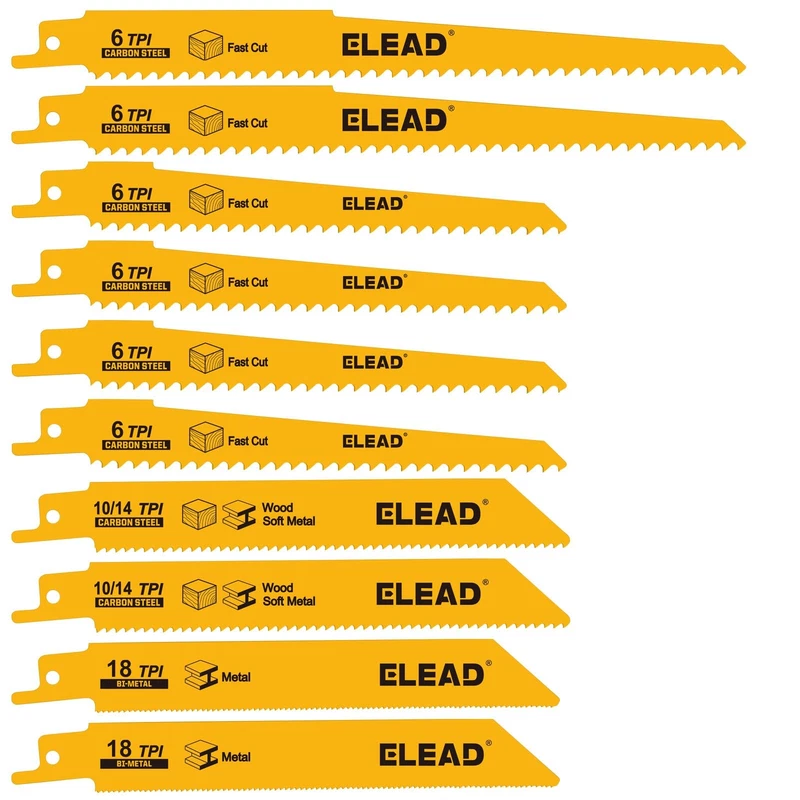
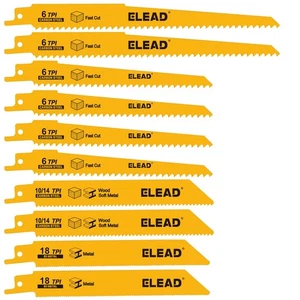
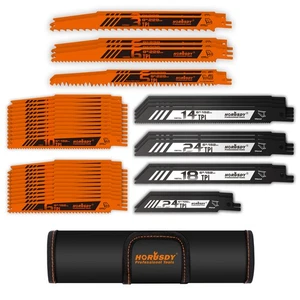
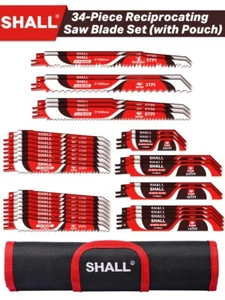
If you simply break blades, buy them by the handful. The at $10.99 and the at $11.40 both mix wood and metal teeth across sizes, which is the sensible first purchase for a home workshop. Step up to the at $22.98 or the at $24.49 if you want a spare blade for every job rather than re-sharpening anything. The at $18 even bundles a hand saw alongside the blades, which suits a shed that has no powered saw at all.








 $19.99