The first decision is nipple shape. Orthodontic pacifiers have a flattened bottom and a rounded top, which is meant to sit against the palate and tongue in a particular way. Symmetrical (cherry) nipples are round on both sides and can be inserted either way, which some babies accept more readily. Neither shape is medically superior in any proven sense; babies simply have preferences, and the only test is offering both.
The second decision is construction. A one-piece pacifier is molded from a single piece of silicone or rubber, so there is no joint where milk or water can collect and no separate nipple that can detach. A two-piece design has a separate nipple and shield, which can be easier to replace but adds a cleaning seam. For hygiene and safety, one-piece is the simpler choice, and it is the style most hospitals hand out.
The third decision is size by age. Most brands sell size 0 to 6 months, 6 to 18 months, and 18 months plus. The shield and nipple are scaled to the mouth, and using a size that is too large can gag a newborn while a size that is too small can be a choking risk. Follow the printed age range rather than buying ahead.
The fourth decision is material. Silicone is firm, clear, and dishwasher-safe, and it does not absorb odor. Natural rubber (latex) is softer and more flexible, which some babies prefer, but it wears out faster and can trigger latex sensitivity. If you are unsure, start with silicone.
The fifth decision is cleaning. All pacifiers should be sterilized before first use and cleaned regularly after. Silicone handles boiling and steam sterilizers well; rubber should be checked for cracks and replaced sooner.
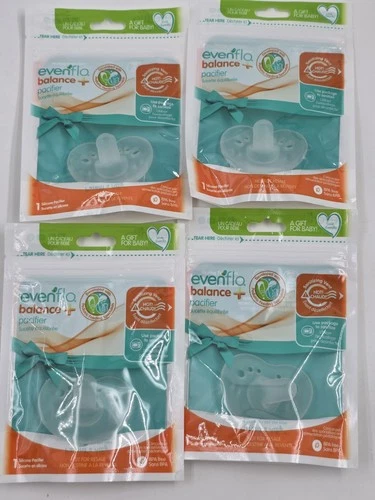


 $24.99


