Before you look at a single price tag, you must understand the three core power systems available today: corded electric, battery-powered, and traditional petrol (gasoline). Each comes with distinct operational profiles, maintenance requirements, and upfront costs. Corded electric units remain the absolute cheapest way to mow a tiny townhouse strip, but the tethered cord severely limits your radius and demands constant vigilance so you do not slice your own power line. If your yard is larger than a postage stamp, corded models are rarely practical.
Battery-powered mowers have transformed the market over the last few years. Lithium-ion technology now delivers torque that rivals entry-level gas engines without the noise, oil changes, spark plug replacements, or stale fuel headaches. However, battery run-time is finite. If you have a sprawling yard, you will need multiple charged batteries or a machine that accepts dual power packs. Furthermore, high ambient temperatures can trigger thermal protection shutoffs on intensive jobs.
Petrol mowers still reign supreme for sheer endurance and unlimited runtime. As long as you have a fuel can, you can keep cutting acres of thick, wet grass until your arms give out. They do, however, demand regular tune-ups. Keeping a spare on hand is practically mandatory if you run a heavy-duty Kohler twin-cylinder engine. For Honda-powered push mowers, maintaining the fuel system with parts like the ensures your auto-choke system operates smoothly after winter storage.
Beyond power sources, you must evaluate deck width. Deck width dictates how many square feet you cover per pass. A narrow 14-inch or 16-inch deck is lightweight and nimble around tight garden beds, but it requires significantly more passes across a wide lawn. Conversely, a wide 22-inch deck cuts mowing time drastically, but it can be heavy to push uphill and too bulky to squeeze through narrow side gates. If you are replacing worn hardware on older equipment, ensure you match your components correctly, whether you are installing a or swapping out pneumatic tires using a for your garage workshop.
Another crucial mechanical decision involves mulching versus bagging. Bagging collects your clippings, leaving a pristine, golf-course finish with zero visible debris. The major downside is that bagging requires you to stop frequently to empty heavy, damp bags into compost bins or yard waste bags. Mulching, on the other hand, chops grass blades into fine micro-particles that drop down into the turf canopy, where they decompose and return essential nitrogen and moisture back into the soil. Mulching saves fertilizer costs and eliminates bag disposal entirely, but it fails miserably if you let your grass grow too tall; trying to mulch knee-high turf results in unsightly clumps and clogs.
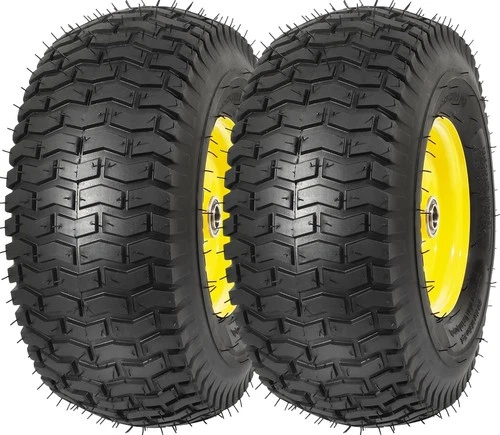


 $21.46


