









This comprehensive buying guide is built for homeowners, DIY renovators, property managers, and first-time tool buyers who need to select the right vertical access equipment without second-guessing their safety. Whether you are clearing second-story gutters, painting a stairwell, trimming high branches, or organizing a tight storage closet, choosing the correct climbing tool prevents severe injuries and property damage. If you have ever felt your stomach drop while standing on the top rung of a rickety hardware store special, you already know why this decision matters. This guide demystifies the core choices—including fibreglass versus aluminium versus traditional step designs—explains why duty ratings are critical safety thresholds rather than mere suggestions, and breaks down the mathematical certainty of the 1-to-4 angle rule. Along the way, we will examine unique items like a or a , alongside quirky household finds such as a , a , a , a , an , a , a , , a , , a , an , a , , , , , a , a , and a . While most of those eclectic items belong in living rooms, kitchens, or skate parks rather than a construction site, understanding structural design principles applies across every category of consumer goods.
Materials Compared: Aluminium, Fibreglass, and Wood
The material composition of your climbing equipment dictates its weight, durability, electrical conductivity, and cost. Selecting the wrong material can lead to rapid corrosion, structural failure in extreme temperatures, or fatal electrical shock when working near household power lines. Let us evaluate the three major contenders found in modern construction and home improvement.
Aluminium is the lightweight champion of the job site. It will not rust, handles rough treatment in the back of a truck bed, and is easy to carry with one hand. However, aluminium is an exceptional conductor of electricity. Never use an aluminium extension or step model near overhead power lines, electrical service panels, or faulty wiring. Furthermore, bare aluminium can oxidize over time and leave black residue on your hands and clothes if not properly sealed or maintained.
Fibreglass provides the ultimate combination of strength and electrical insulation. Because fibreglass does not conduct electricity when clean and dry, it is the mandatory standard for electricians, utility workers, and anyone doing exterior home repairs near service drops. Fibreglass is significantly heavier than aluminium, making single-person setup of tall extension models more physically demanding. Over years of exposure to intense ultraviolet sunlight, unprotected fibreglass can experience resin degradation known as fiber blooming, where microscopic glass fibers become exposed and irritate bare skin.
Wood is the traditional material of choice for specialty indoor applications, custom libraries, and heavy-duty gymnastics gear such as a . Wooden models offer natural aesthetic warmth, do not conduct electricity when dry, and absorb impacts well without permanent bending. On the downside, wood is vulnerable to moisture absorption, rot, splintering, and warping if left exposed to rain or humid environments. It requires regular inspection and protective varnish coatings to remain safe for load-bearing applications.
Duty Ratings: Understanding Weight Thresholds
A common misconception among beginner DIYers is that a duty rating represents the total weight the equipment can support before it breaks. In professional safety standards, the duty rating is a legal and structural classification that includes your body weight, your clothing, tool belts, and all materials you are carrying up the rungs. Ignoring these thresholds invites catastrophic structural collapse.
Duty ratings are divided into strict categories governed by ANSI standards. Type III (Household) is rated for 200 pounds and is strictly intended for light domestic tasks like dusting or changing a lightbulb. Type II (Medium Commercial) is rated for 225 pounds, suitable for painters and general cleaners. Type I (Heavy Industrial) is rated for 250 pounds, making it the baseline for most professional contractors. Type IA (Extra Heavy Industrial) supports up to 300 pounds, and Type IAA (Super Heavy Industrial) handles up to 375 pounds for heavy demolition and masonry work.
If you weigh 210 pounds and carry a 30-pound tool belt filled with fasteners and power tools, your total working load is 240 pounds. Selecting a Type III or Type II model puts you dangerously over capacity, even if the equipment does not snap instantly. Overloading accelerates metal fatigue, weakens rivet joints, and causes side rails to bow outward under stress. Always calculate your fully loaded weight before purchasing, and when in doubt, step up one classification tier.
The Physics of Safety: The 1-to-4 Angle Rule
Using an extension model incorrectly is the leading cause of gravity-related falls on residential job sites. The physics of leaning an unsecured vertical rail against a vertical wall require strict adherence to geometric principles. Violating the fundamental rules of inclination turns your climbing tool into an unstable launching ramp.
The golden rule of extension placement is the 1-to-4 ratio. For every four feet of distance between the ground and the upper support point where the top rests against the wall, the base of the equipment must be pulled out one foot away from the wall. For example, if you are accessing a roof line sixteen feet high, the base feet must be placed exactly four feet away from the base of the wall.
To check this quickly without a tape measure, use the toe-and-arm test. Stand with your toes touching the base rails and extend your arms straight out horizontally. If your palms touch the rungs comfortably without you having to lean forward or stretch, your angle is safely in the correct zone. If your arms are bent or you have to step backward, the base is too close to the wall and the top is likely to slide outward under your weight.
Always ensure the top rests on a flat, stable surface that can bear the concentrated load without crushing or slipping. Never place the feet on loose gravel, mud, ice, or uneven soil without using wide base levelers or stabilizing anchor spikes. If you are upgrading your home gym setup or organizing workout gear alongside heavy equipment, you might appreciate the robust construction found in items like a , though structural wall anchoring is required for safe bodyweight pull-ups just as it is for vertical climbing gear.
Decision Matrix: Choosing the Right Style
Different tasks demand completely different structural form factors. Review the comparison table below to determine which category matches your primary projects around the home or job site.
| Style Category | Best For | Key Advantages | Primary Limitation |
|---|---|---|---|
| Step Model | Indoor chores, painting rooms, changing ceiling fixtures | Self-supporting, folds flat, built-in top shelf | Fixed height, limited reach, bulky to store |
| Extension Model | Roof access, second-story cleaning, tree trimming | Extreme height reach, adjustable span | Requires a stable wall surface, heavy to transport |
| Multi-Position / Articulated | Stairwells, uneven ground, multi-use versatility | Converts into scaffold base, A-frame, or straight extension | Complex hinge mechanisms require regular safety checks |
| Telescopic Model | Compact storage, RV owners, frequent transport | Collapses down to a tiny footprint for car trunks | Pinch points during closure, higher maintenance on locking pins |
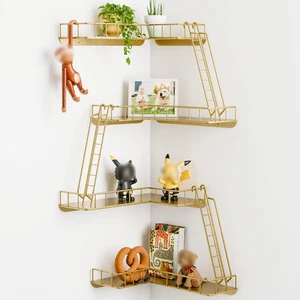
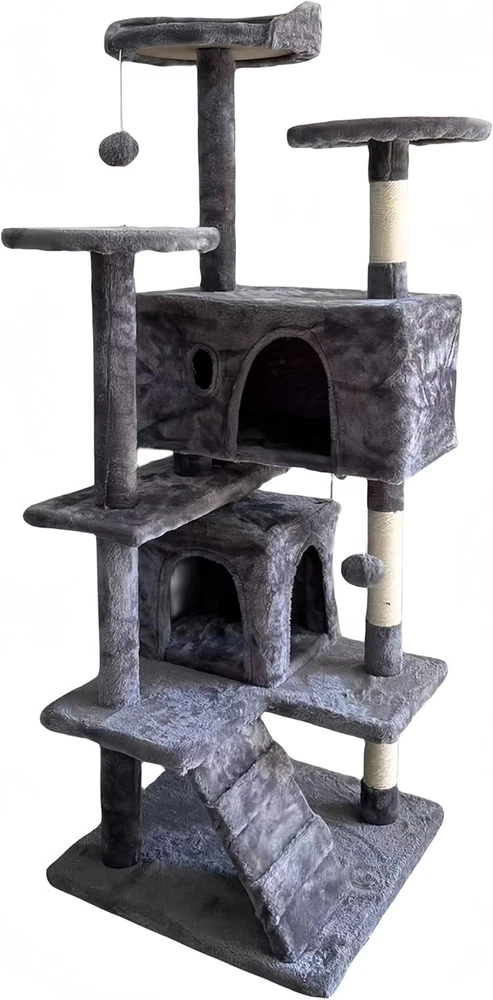
For everyday household organization, you might also look at alternative display and storage solutions such as a or a , which bring the aesthetic silhouette of vertical rungs into indoor decor without any load-bearing safety risks. Similarly, pet owners love functional climbing towers like a or an , which keep domestic animals active and entertained.
Glossary of Common Terms
Navigating hardware store specifications requires understanding industry jargon. Here are the precise definitions of terms you will encounter when shopping:
- Duty Rating: The maximum safe working load capacity established by safety testing standards, combining the user's weight, clothing, and gear.
- Spreaders: The horizontal arms on a step model that lock the front and rear sections open to prevent accidental folding during use.
- Shoes / Feet: The bottom contact points of the side rails, often fitted with slip-resistant rubber pads or swiveling metal spikes for outdoor terrain.
- Rungs: The horizontal cross-pieces that you step on; quality models feature deep diamond-tread patterns or serrated grooves to prevent boot slippage.
- Fly Section: The upper sliding portion of an extension model that extends upward to achieve greater reach.
- Pawls / Dogs: The spring-loaded locking latches that secure the fly section to the lower base rails at the desired height rung.
- Stile: The vertical side rail member that provides the primary structural rigidity and load-bearing strength of the assembly.
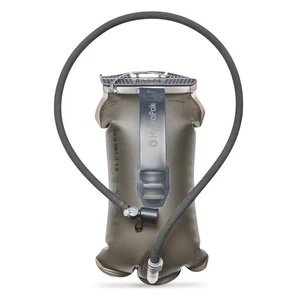
While mechanical locking mechanisms keep you secure on professional job sites, similar locking reliability matters in unexpected places—whether you are securing hydration gear like a on a backcountry hike, wearing a , or packing a for a weekend trail excursion.
Tiered Recommendations: Best Options by Use Case
To help you narrow down your choices, we have organized specific market finds into functional tiers based on your project requirements and experience level.
Tier 1: Entry-Level & Specialty Indoor Solutions
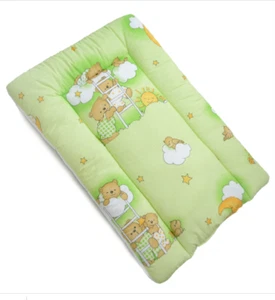
If your needs are strictly indoor, decorative, or recreational, you do not need heavy industrial fibreglass. For unique lifestyle upgrades, check out a for nursery comfort, a for bathroom organization, or a to maximize corner storage in modern living spaces. If you are an avid collector of retro board games, a offers classic family entertainment, while vintage toy enthusiasts might admire a classic .
Music lovers and collectors will appreciate specialized items like a , featuring traditional internal bracing that defines its acoustic resonance and age. Outdoor sports enthusiasts can also stay hydrated on long treks with a , a , or a compact . For household utility upgrades, you might even need to replace internal home components like a when refreshing guest bedroom comfort.
Tier 2: Mid-Range Versatility & Collector Footwear
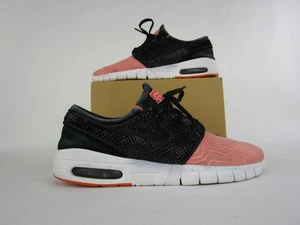
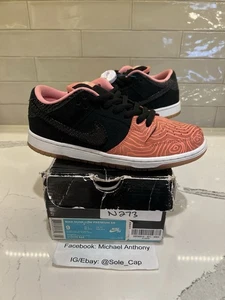
For buyers looking for everyday utility paired with distinctive style, the market offers unexpected crossover appeal. If you enjoy unique streetwear and sneaker culture, limited editions like the , the , the , the , and the showcase unique thematic colorways inspired by water engineering and aquatic wildlife. These pairs deliver padded skate comfort and distinct textured panels that stand out in any sneaker collection.
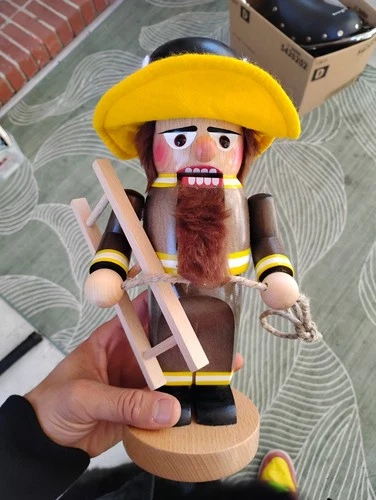
For culinary enthusiasts preparing gourmet meals at home, a handmade offers exceptional steel craftsmanship with a mesmerizing multi-layer pattern forged right into the blade edge. If you prefer fine holiday decor and traditional woodcraft, pieces like a or an bring authentic European craftsmanship into your seasonal display.
Tier 3: Heavy-Duty Pro Equipment & Furniture
When your projects require serious structural integrity and commercial-grade capacity, you must invest in heavy-duty assets. For home gyms and bodyweight fitness training, installing a provides professional-grade beech and pine construction designed to withstand intense daily pulling and climbing routines. For formal dining rooms or classic interior seating, a sturdy set delivers timeless high-back wooden craftsmanship with comfortable armrests.
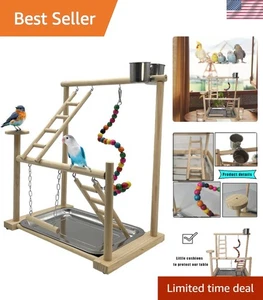
For pet owners who want to enrich their pets' indoor environments, a multi-level gives cats a secure vertical playground with sisal-wrapped scratching posts, while an provides birds with safe wooden climbing rungs and integrated feeding stations.
Inspection, Maintenance, and Storage Protocol
Even the highest-rated commercial climbing equipment will fail prematurely if neglected. Establishing a routine inspection schedule protects your investment and ensures your personal safety every time you leave the ground. Perform a thorough check before every single use, looking for specific failure indicators.
On aluminium models, inspect every rivet and weld for hairline cracks, loose fasteners, or excessive oxidation. Ensure the spreader bars lock firmly into place without excessive play or bending. Check the rubber safety shoes at the base; if the treads are worn flat, smooth, or torn away, replace them immediately to prevent the base from kicking out on smooth concrete or hardwood floors.
On fibreglass models, run your hands along the side rails to check for fiber bloom, splintering, or deep gouges caused by impact with truck beds or brick walls. If the resin has worn away and bare glass fibers are visible, sand the area lightly and apply a clear polyurethane sealant to protect the structural integrity and prevent skin irritation.
On extension models, test the rope and pulley system for fraying, and verify that the spring-loaded pawls engage securely over the rungs whenever you raise or lower the fly section. Never lubricate mechanical locking dogs with sticky grease that attracts dirt and grit; instead, use a dry silicone spray that repels dust and ensures smooth, reliable latching action in all weather conditions.
Storage matters just as much as maintenance. Store your equipment horizontally on wall-mounted brackets or hooks to prevent sagging and accidental tipping. Keeping long rails supported at multiple points prevents warping, especially in humid garages, uninsulated sheds, or outdoor storage areas exposed to extreme seasonal temperature swings.
If you are also interested in keeping your living spaces clean while tackling home maintenance projects, check out our in-depth guides on automated cleaning solutions like Best Robot Vacuum Under $300 or compare advanced stick models in Best Vacuums Under $150 (Cordless & Stick) to keep your workspace spotless after drilling, sawing, and painting.
Final Summary: Making Your Choice
Choosing the right equipment ultimately comes down to matching your physical reach requirements, your fully loaded weight capacity, and your working environment. If you only buy one thing for general household maintenance and indoor projects, prioritize a sturdy, ANSI-certified fibreglass or aluminium step model with a Type I or Type IA duty rating that comfortably exceeds your total working weight. Always inspect your gear before climbing, maintain the 1-to-4 rule for extension work, and never compromise on safety for the sake of convenience.
Please note that retail prices, product availability, and shipping conditions change frequently and vary by individual seller, equipment condition, and marketplace platform. Always verify current specifications and safety certifications directly before finalizing your purchase.
Frequently asked questions
What is the difference between fibreglass and aluminium ladders?
Aluminium is lightweight, rust-resistant, and budget-friendly, making it great for general tasks, but it conducts electricity and should never be used near power lines. Fibreglass provides natural electrical insulation and high strength, making it the preferred choice for electricians and outdoor work near utilities, though it is noticeably heavier to transport.
Why is the duty rating important when choosing a ladder?
The duty rating is not just a suggestion; it represents the maximum safe working load capacity, which includes your body weight, clothing, and any tools you carry. Ignoring this rating and overloading the equipment can lead to structural failure, cracked side rails, and severe injuries during use.
How do I use the 1-to-4 angle rule safely?
For every four feet of height between the ground and the upper support point where the top rests, you must place the base of the extension equipment one foot away from the wall. This specific geometric ratio prevents the base from slipping outward and reduces the risk of gravity-related falls.
Which type of ladder is best for beginners doing household chores?
Step ladders are ideal for beginners tackling indoor chores, painting, and changing light fixtures because they are self-supporting and fold flat for easy storage. They offer a stable platform for low-to-medium height tasks without requiring a vertical wall surface for support.