HSS is the baseline. High speed steel cuts wood, plastic, aluminium and mild steel at a fair price, and every listing above that does not state otherwise is HSS. It loses its edge quickly in stainless, which work-hardens under the bit, and in any pre-hardened steel.
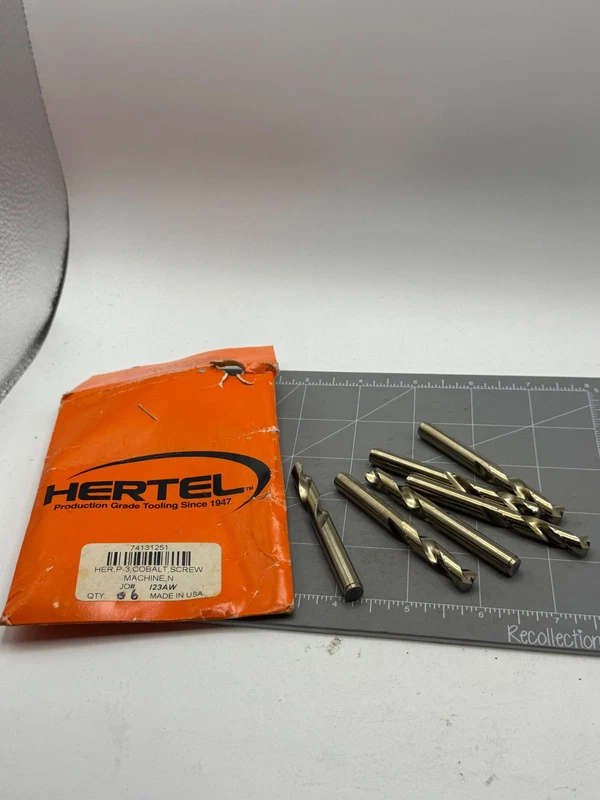
Cobalt adds heat resistance. Cobalt HSS, usually marked HSCO, has cobalt in the alloy rather than on the surface, so it stays hard at the temperatures generated drilling stainless and alloy steel. It costs more and is more brittle, so a dropped cobalt bit snaps where an HSS bit might survive the fall.
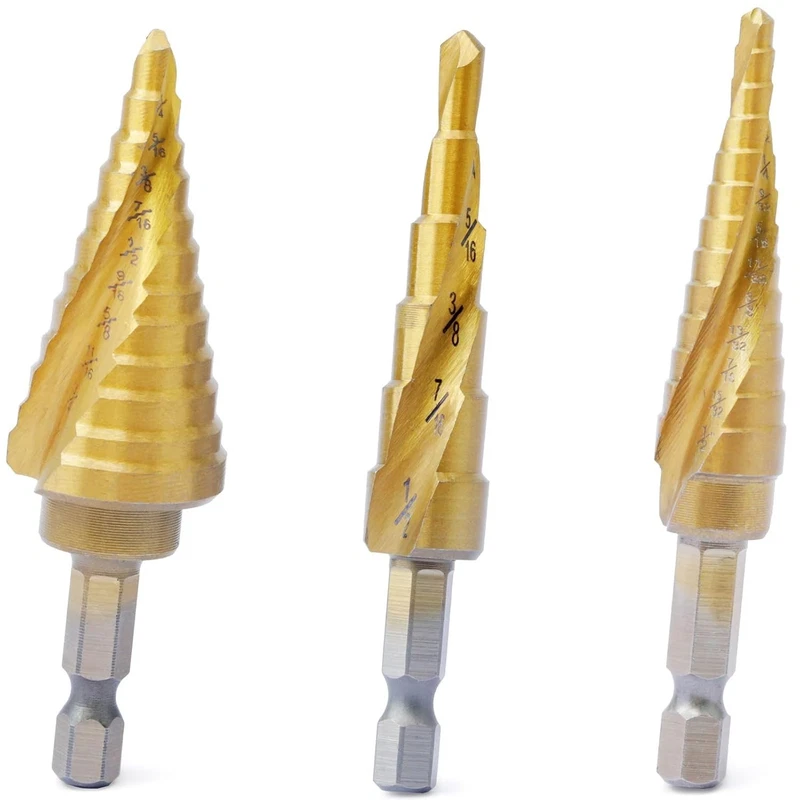
Titanium is a coating, not a steel. Titanium nitride raises surface hardness and helps the bit deal with abrasive materials, but the body underneath is still HSS. Once the coating wears through at the cutting edge, you are drilling with an HSS bit. Black oxide is a useful lubricious treatment on HSS, but again it is not a hardness upgrade. Buy the steel first and the coating second.
Point geometry matters more than any coating. A 135-degree split point self-centres and resists walking, which is why it now dominates metalworking sets; the older 118-degree general-purpose point is perfectly good in wood and soft materials. Brad-point bits, with a sharp centre spur and spurs on the outer edges, are the woodworker's choice: they start exactly on the mark and clear chips in timber, but they are useless in metal and will deflect on a hard knot.
Pilot holes prevent most of the damage people blame on the bit. A pilot hole before a screw in hardwood reduces splitting, lowers the torque the drill has to deliver and guides the fastener straight. Choose a pilot close to the minor diameter of the thread, and step up gradually in hard timber rather than jumping straight to full size.
Why cheap bits dull and wander comes down to soft steel, sloppy grinding and inconsistent point angles. A budget bit goes off the mark as soon as pressure goes on, and its edge rounds within a few holes in anything harder than pine. A split point, a decent HSS or cobalt body and a pecking pace, meaning back off, clear the chips and go again, fix almost all of it. The index case is part of the product too: a folded steel or moulded index keeps sizes sorted, protects the cutting edges and shows you what is missing at a glance, while a loose pouch loses bits in the drawer within a month.
| Pick | Best for | Asking price |
|---|
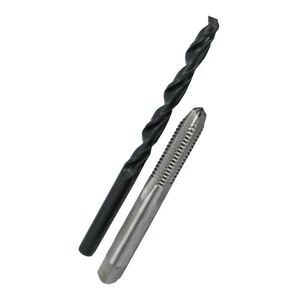
| Cleveland 1/4-inch HSS, 20-pack | Mild steel and timber | $16.99 |
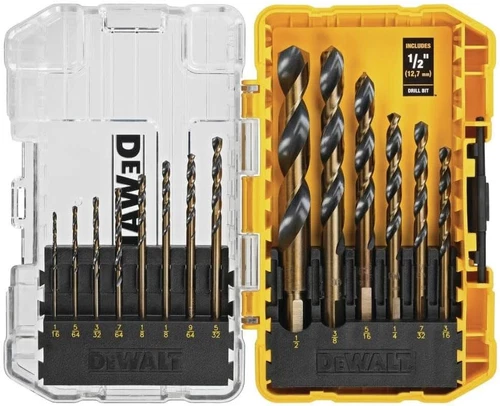
| 14-piece 135-degree split-point index | Everyday mixed drilling | $19.60 |
| Hertel cobalt, 6-piece USA | Stainless and hard steel | $18.55 |
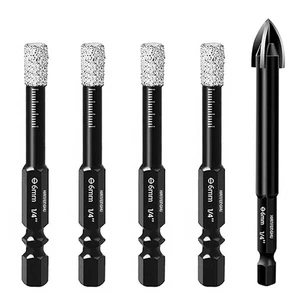
| 10-piece masonry set | Brick, block and concrete | $12.98 |
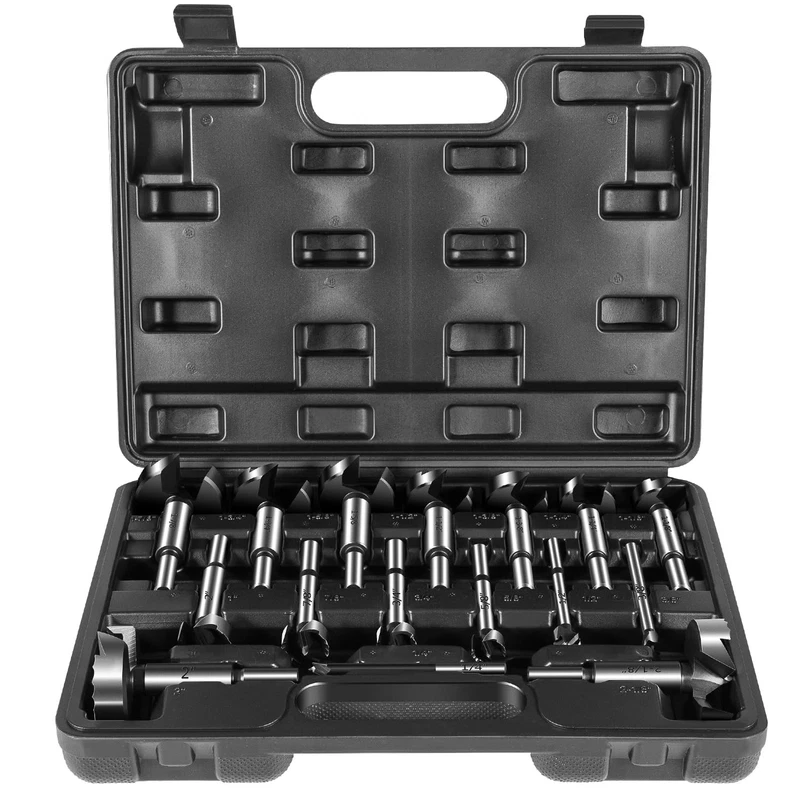
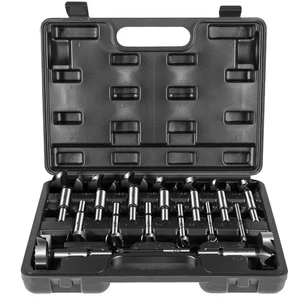
| 16-piece Forstner set | Flat-bottom holes in wood | $169.10 |
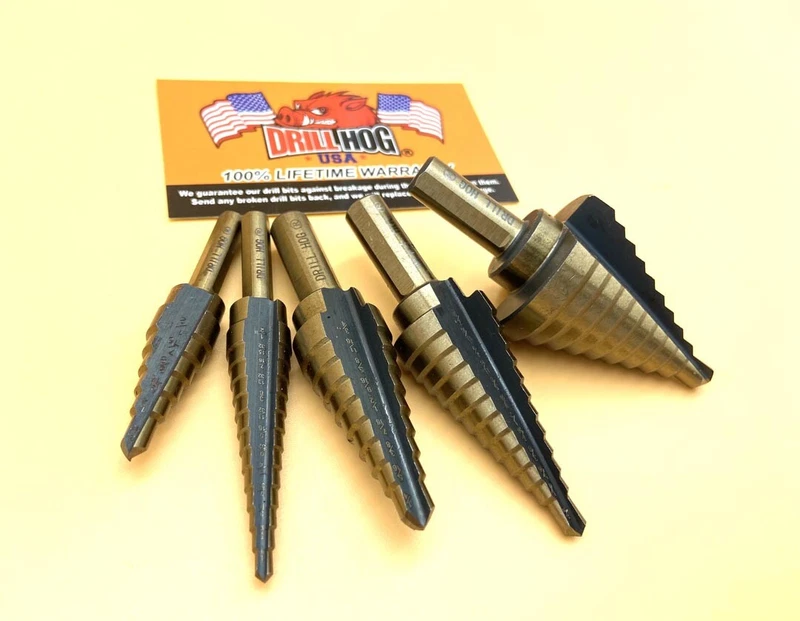
| Drill Hog 5-piece step bits | Sheet metal and panels | $37.99 |
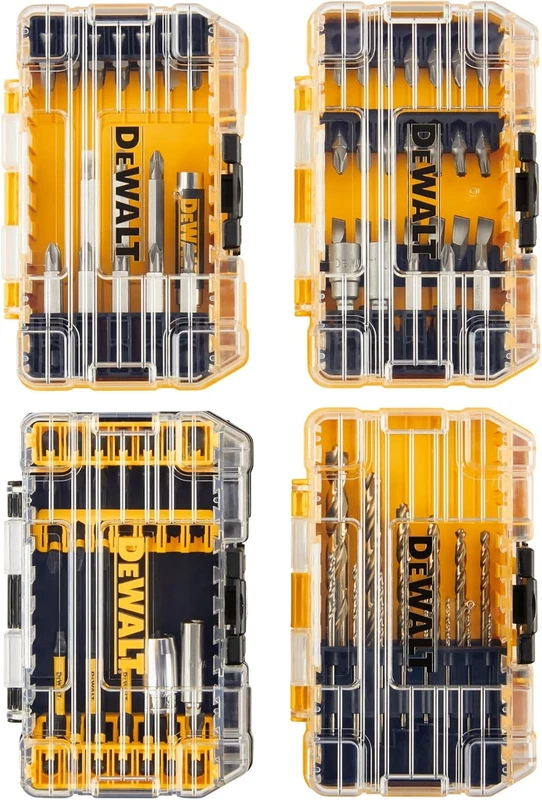
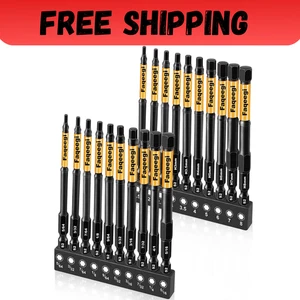
| DeWalt 100-piece impact bit set | Driving screws with an impact | $97.69 |
| BLACK+DECKER 20V brushless kit | A first drill and bit set | $89.99 |









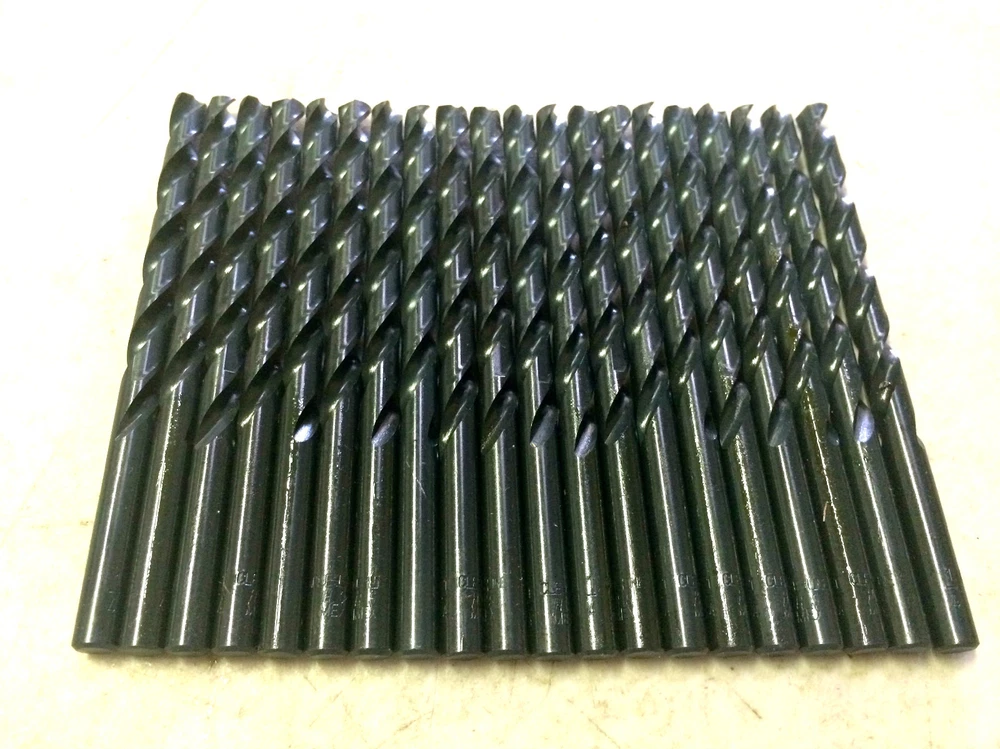
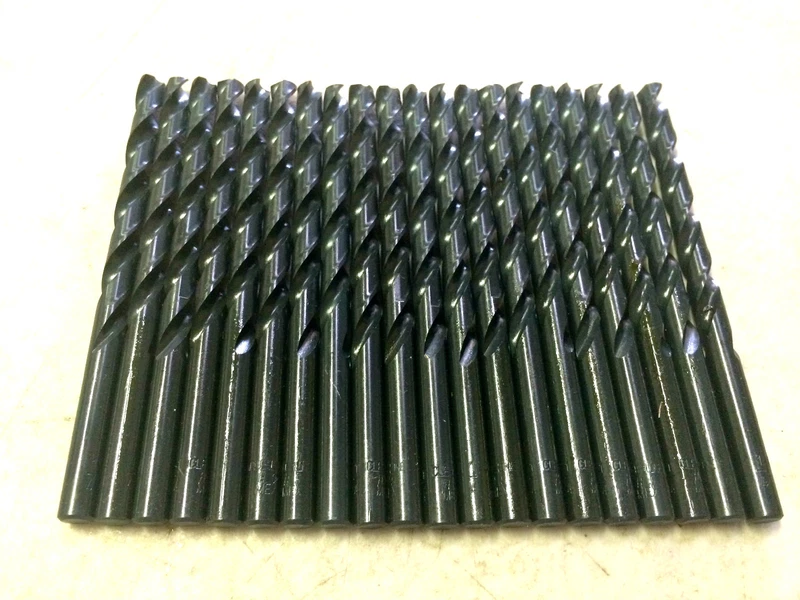 $16.99