The first decision is sound type. White noise contains all frequencies equally and sounds like static or rushing air. Pink noise softens the high frequencies and sounds more like rain or a waterfall. Brown noise emphasizes the low frequencies and sounds like a deep rumble. Most babies do not care which one you choose, but parents often prefer pink or brown because they are less harsh to adult ears. A machine that offers several options lets you find the one your household can live with.
The second decision is volume. The machine should be loud enough to mask household noise but not so loud that it risks infant hearing. Keep the volume at the lowest level that still covers the disruptive sounds, place the machine at least a few feet from the crib, and avoid leaving it at maximum overnight. If you are unsure, a phone sound-meter app held near the crib gives a rough check.
The third decision is power. A plug-in machine never runs out of battery, which is the most reliable setup for a nursery. A battery or USB-rechargeable machine is essential for travel, stroller naps, and power outages. Many families own one of each: a plug-in unit for the nursery and a small portable unit for the diaper bag.
The fourth decision is the timer. An auto-off timer is useful for daytime naps if you do not want the machine running all day, but for nighttime sleep most parents leave it on continuously so the baby does not wake when the sound stops. Check whether the timer is optional, because a machine that always shuts off after an hour is frustrating for night use.
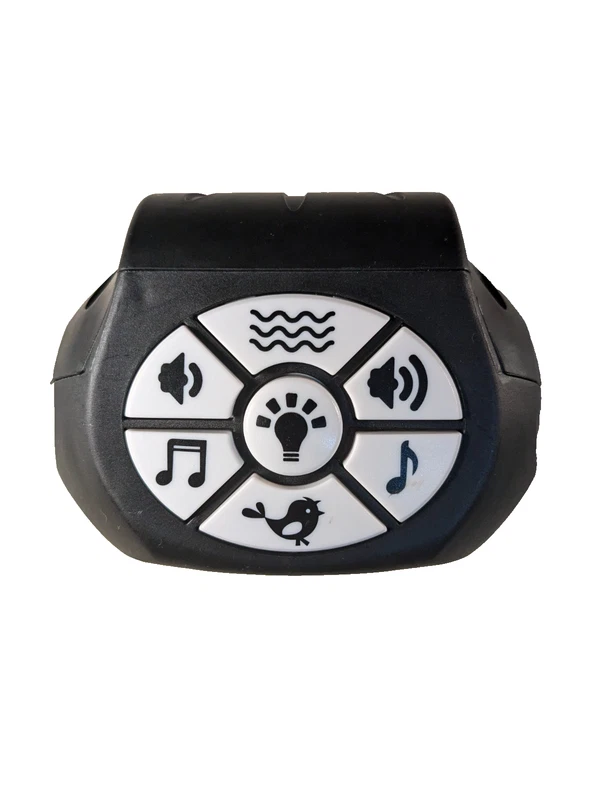
The fifth decision is light. A bright LED or a glowing display can light up a dark nursery and keep a baby awake. Look for a machine with no light, a dimmable light, or a light that can be turned off entirely. If you want a night light, a separate dim lamp is easier to control.


 $32.98


