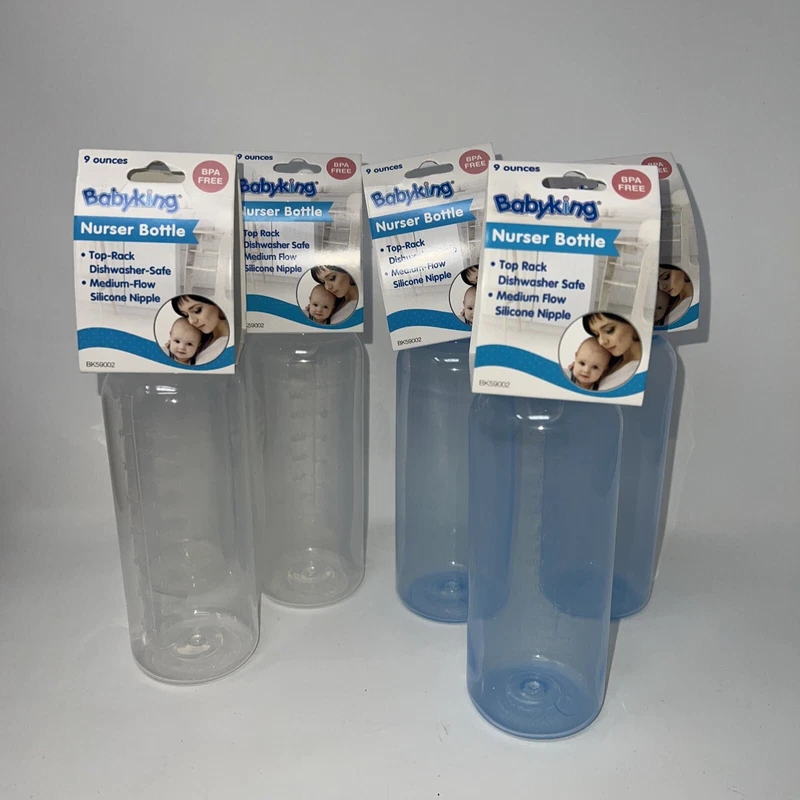
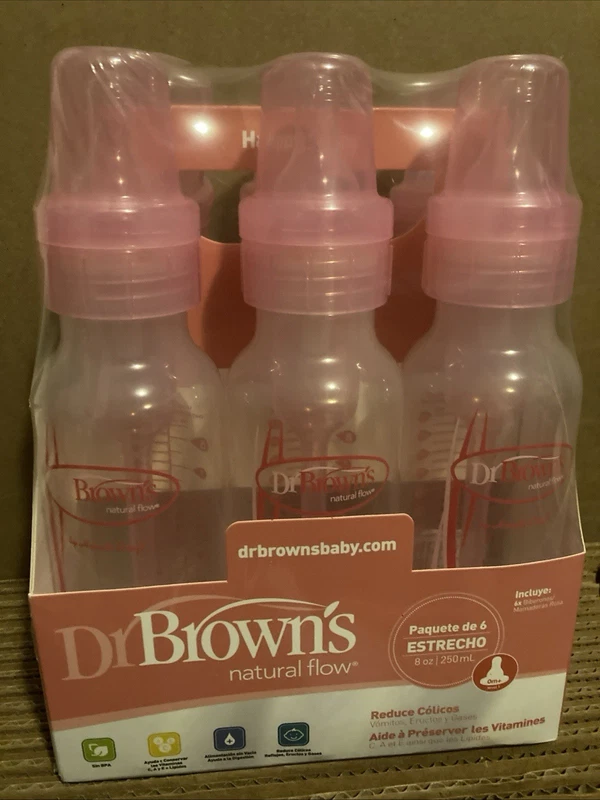
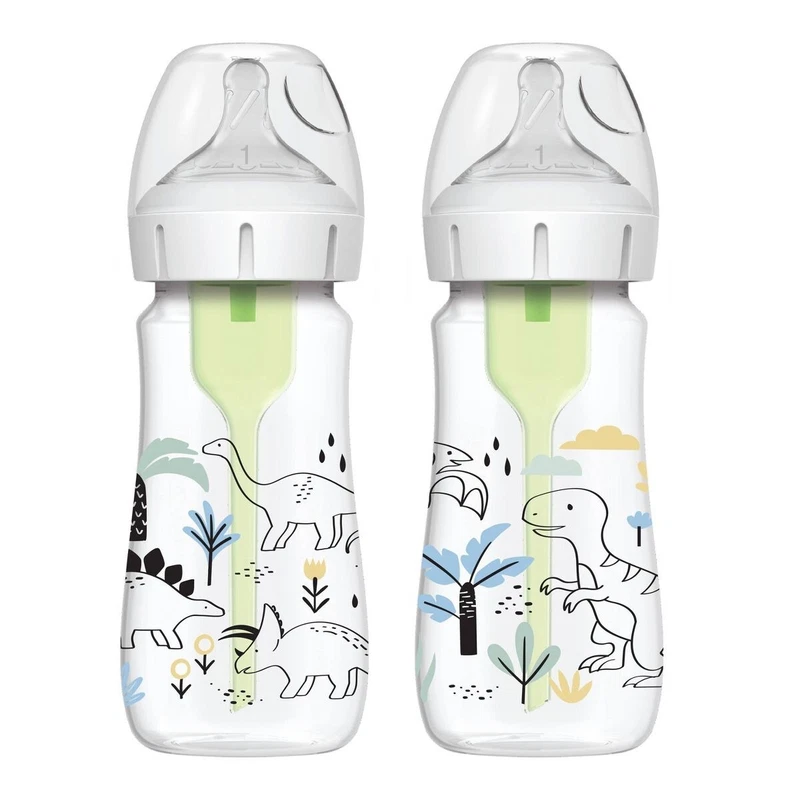
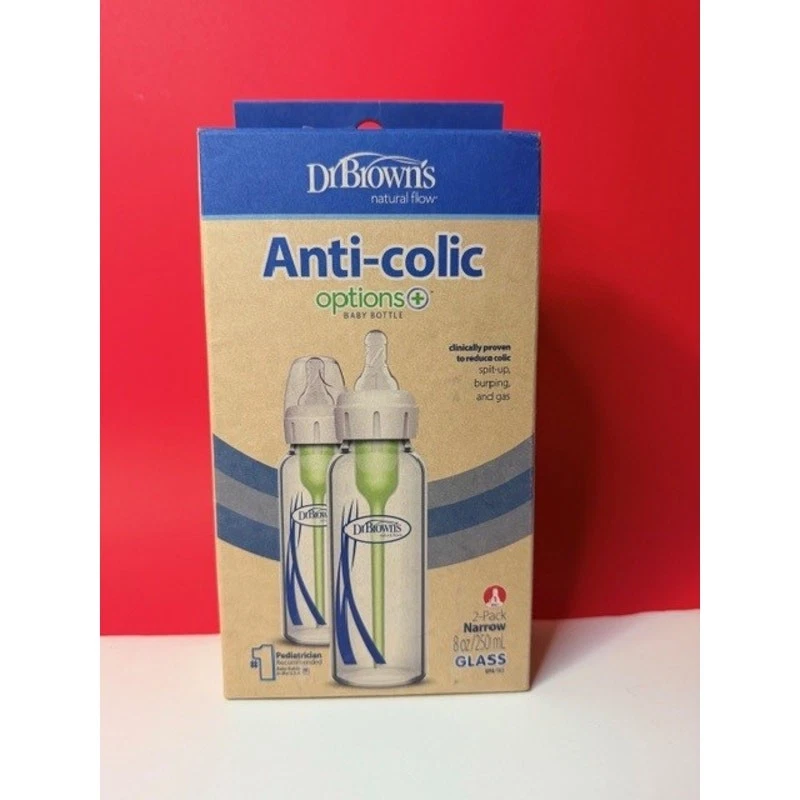
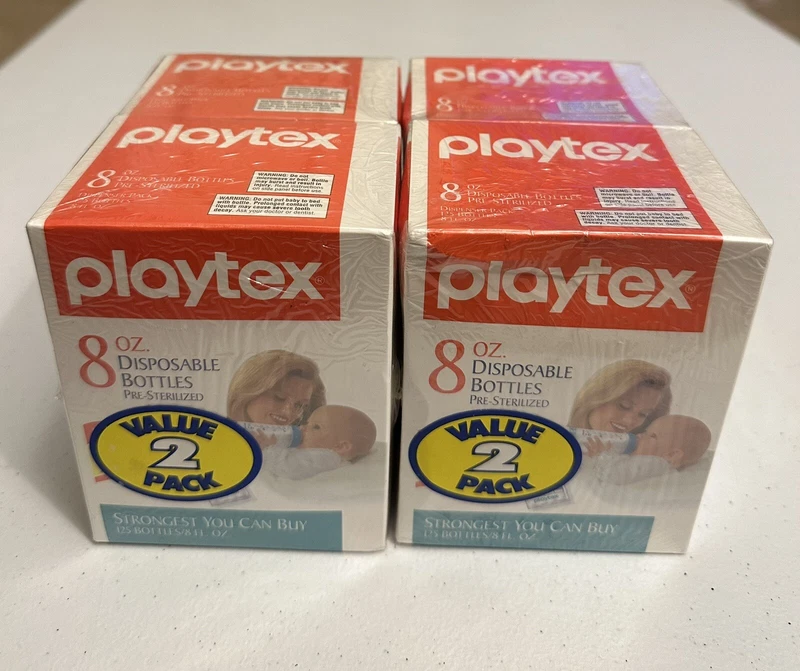
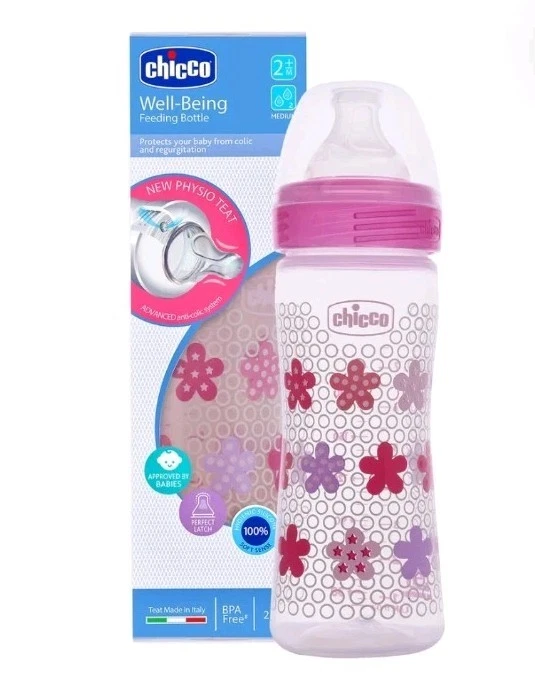
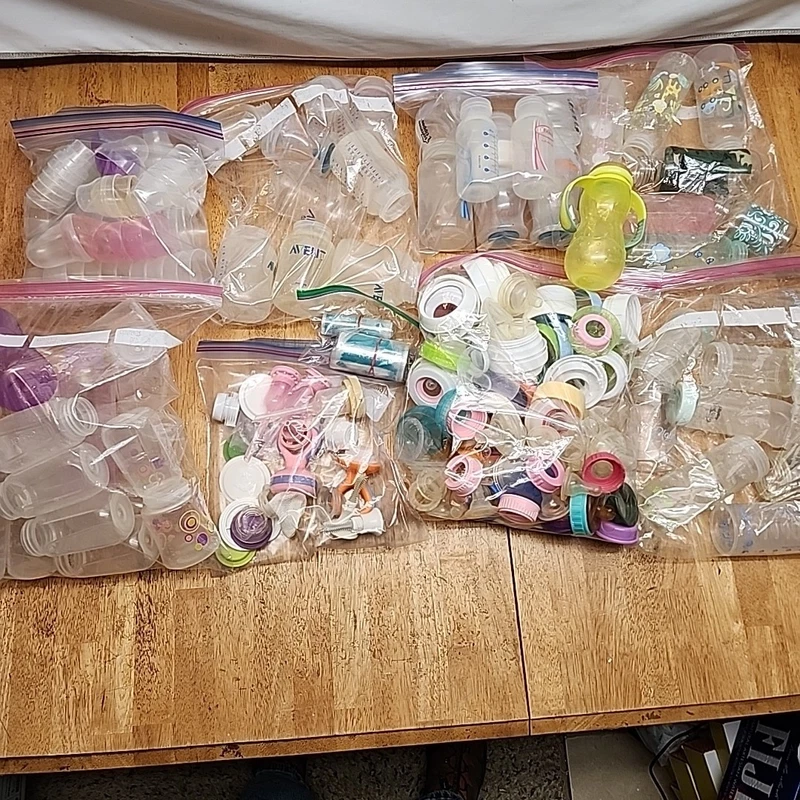
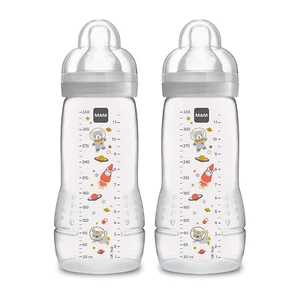
The first decision is nipple flow rate. Newborns need a slow flow that mimics breastfeeding; older babies and faster feeders need medium or fast. A flow that is too fast causes gulping, coughing, and milk leaking from the corners of the mouth. A flow that is too slow frustrates the baby and prolongs feeds. Most brands sell the same bottle in multiple flow rates, so check the included nipple before you assume the bottle itself is the problem.
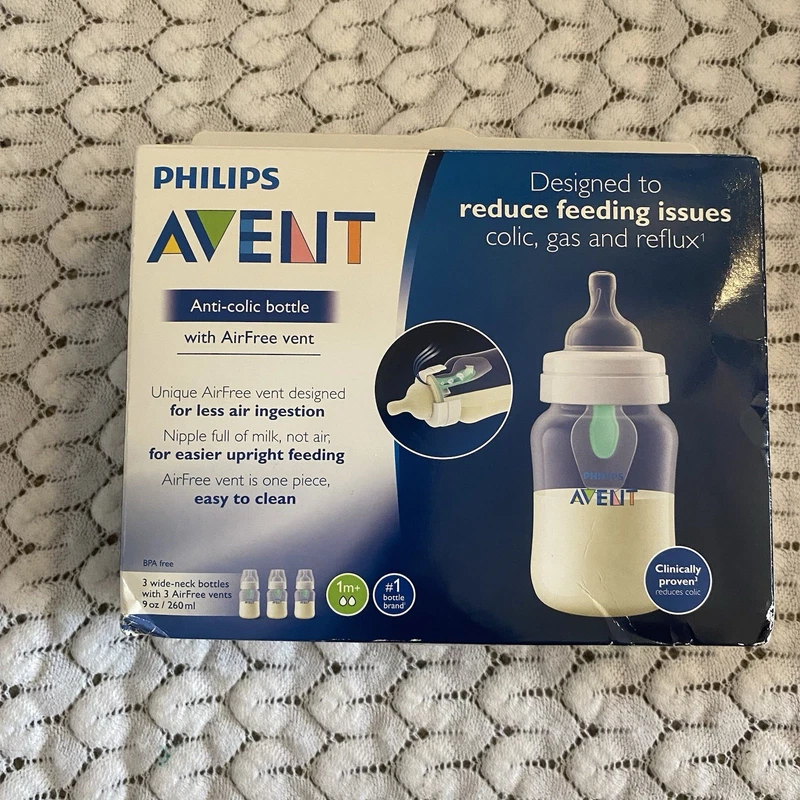
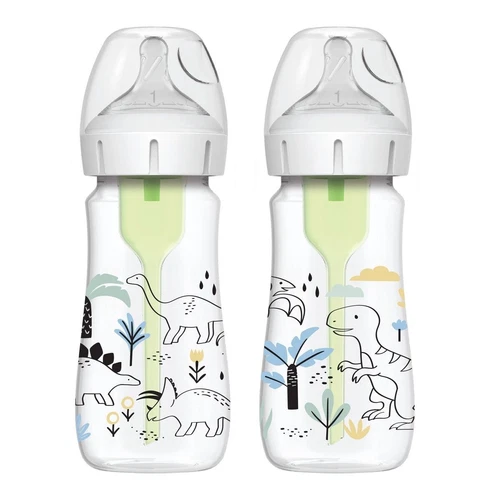
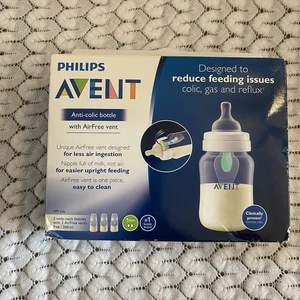
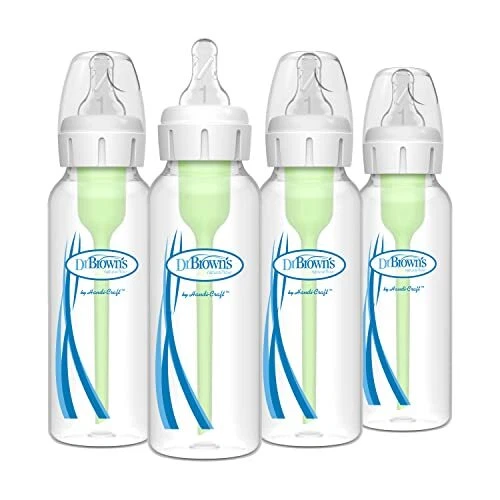
The second decision is anti-colic venting. True anti-colic bottles route air away from the milk, either through an internal vent tube, an air-free valve, or a collapsible liner. The goal is to reduce the air a baby swallows during a feed, which is a common contributor to gas and fussiness. These designs genuinely help some babies and make no difference to others, and they add parts that need cleaning, so weigh the trade-off honestly.
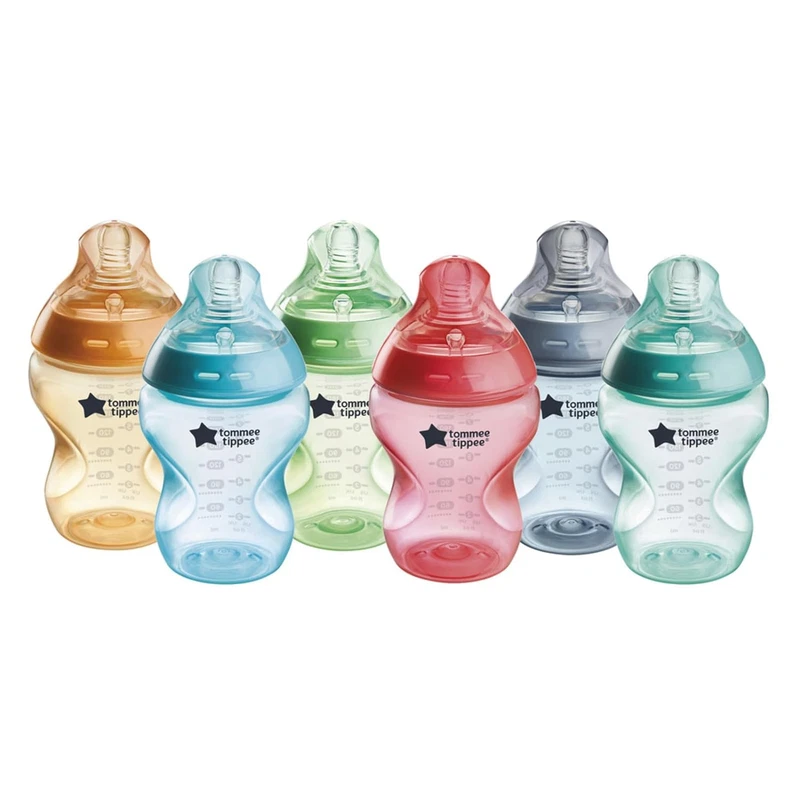
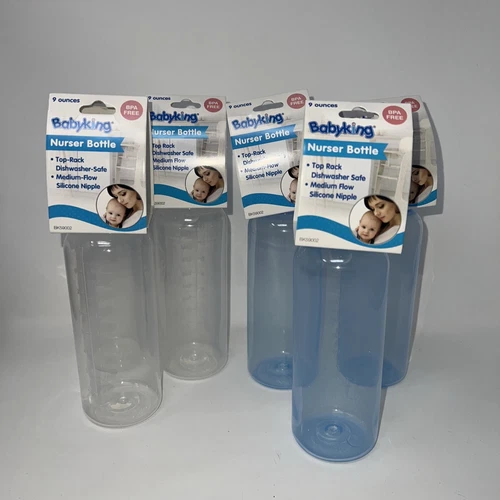
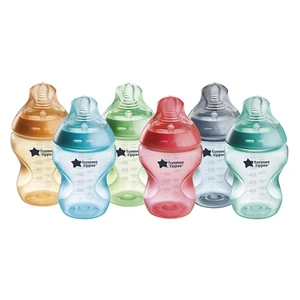
The third decision is material. Plastic is light, cheap, and unbreakable but can stain and absorb odor over time. Glass is heavy, durable in the sense that it does not degrade, and easy to sterilize, but it can break and it is heavier for a baby to hold. Silicone is soft, lightweight, and unbreakable but tends to cost more. For most families, BPA-free plastic is the practical default, with glass as a good choice for home use.
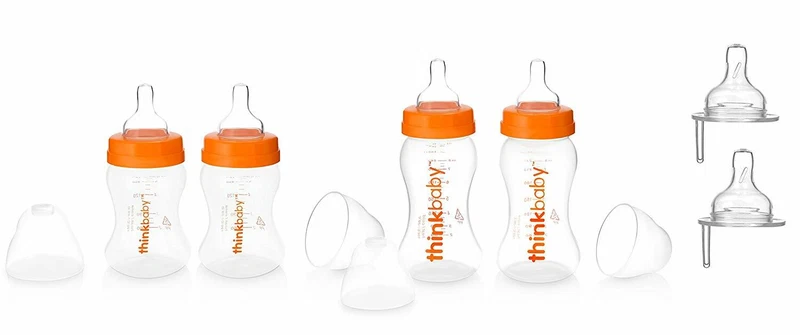
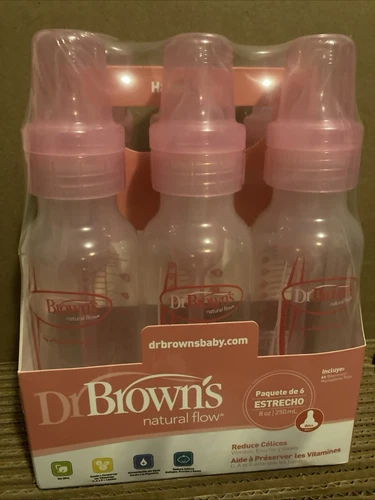
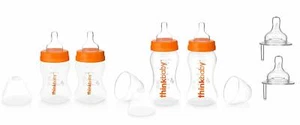
The fourth decision is neck width. Wide-neck bottles are easier to fill and clean and pair better with breast pumps, but they take up more space in a diaper bag. Narrow-neck bottles are slimmer and often cheaper. If you are also pumping, wide-neck compatibility with your pump brand is worth checking before you buy a set.
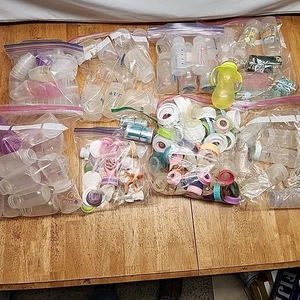
The fifth decision is cleaning. Every extra part is a part you will wash at midnight. If you choose an anti-colic system, make sure you are willing to disassemble and scrub the vent. A bottle brush and a nipple brush are not optional, and a dishwasher basket saves real time.
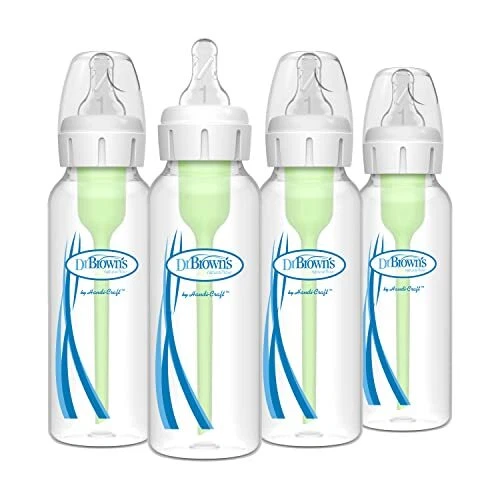


 $33.49