Tahabay icon tahabay

Ultimate Aquarium Buying Guide: Size, Cycling, and Essential Gear

Master fishkeeping with our complete aquarium buying guide. Learn about tank size versus stocking, the nitrogen cycle, filtration, and startup gear.

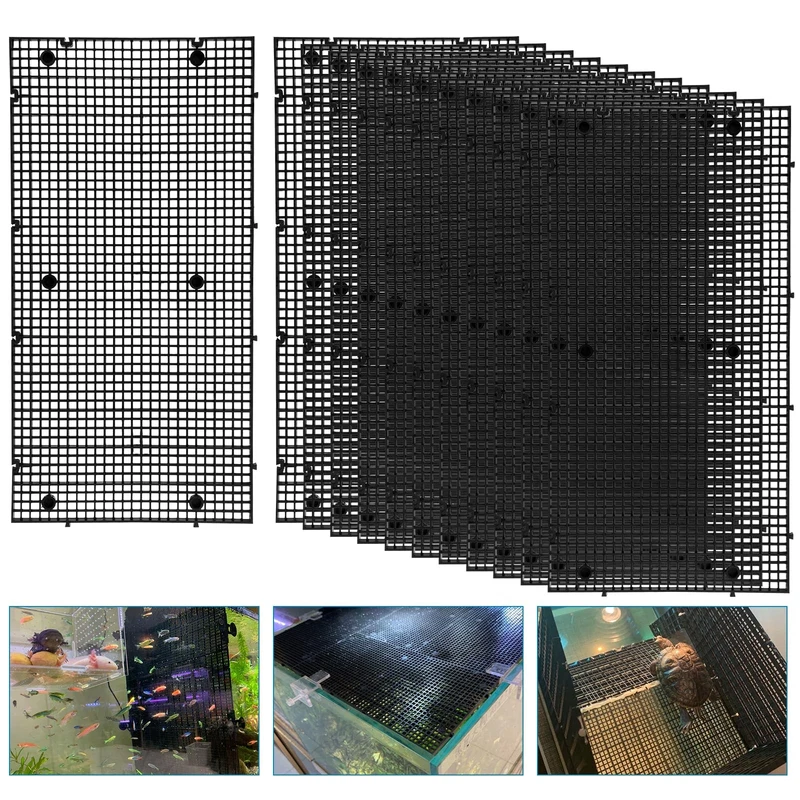
12-Piece White Aquarium Divider Grid

Welcome to the ultimate aquarium buying guide for everyone who wants to dive into the captivating hobby of fishkeeping without drowning in equipment confusion. If you are a beginner wondering what size fish tank do I need, or an intermediate hobbyist trying to balance bioload, filtration rates, and scaping, this comprehensive manual will walk you through every critical decision. Setting up a slice of aquatic nature in your home is deeply rewarding, but it requires understanding core parameters like tank volume, the nitrogen cycle, lighting spectra, and weekly maintenance timelines. Whether you want to house a single colorful betta, establish a lush planted nature scape, or set up a sprawling community tank, getting the hardware right from day one saves you money, prevents livestock loss, and spares you endless maintenance headaches.

Before spending a single dollar, you need to understand who this guide is designed for. It is built for the everyday pet parent, apartment dweller, and home decorator who wants to make informed purchasing decisions based on real hardware rather than marketing hype. We will explore the vital trade-offs between nano tanks and giant showpieces, evaluate filter capacities matched to specific water volumes, demystify the science of cycling, and break down the time commitments required for freshwater versus marine systems. By the end of this resource, you will have a clear blueprint of what gear to buy, how to assemble your first ecosystem safely, and how to avoid the most common beginner pitfalls.

Part 1

Understanding Size Versus Stocking and the "What Size Fish Tank Do I Need?" Dilemma

The single most common question newcomers ask is: what size fish tank do I need? The knee-jerk reaction for many beginners is to start with a tiny 2-gallon or 5-gallon bowl because it takes up minimal space on a desk. However, experienced aquarists universally advise starting with a larger volume—ideally a 20-gallon to 40-gallon long tank—for one fundamental reason: stability. In a smaller body of water, chemical swings happen rapidly. A missed feeding, a dead plant leaf, or a slight temperature fluctuation can spike ammonia or shift pH levels to dangerous extremes within hours. Larger volumes act as a biological buffer, forgiving minor maintenance delays and giving you time to correct imbalances.

When evaluating tank dimensions, remember that surface area matters far more than height. Fish exchange oxygen at the air-water interface, and wide, shallow tanks provide much better gas exchange than tall, narrow cylinders or vertical cubes. Stocking density is another critical calculation. The outdated "one inch of fish per gallon of water" rule is notoriously unreliable because a 6-inch goldfish produces vastly more waste and demands more oxygen than six 1-inch neon tetras. Instead, look at total bioload, adult fish size, swimming habits, and territorial aggression. Active schooling species need long tanks with open swimming lanes, while bottom-dwellers like corydoras require smooth substrates that will not damage their delicate barbels.

If you are planning your initial layout or dividing a larger tank for breeding or aggressive species, you will need reliable dividers and structural separators. Many hobbyists utilize the or the alternative to partition sections safely without restricting water flow. These grids allow filter currents to circulate evenly across all compartments while keeping territorial fish or shrimp safely separated. Creating distinct zones in your aquarium also opens up opportunities for imaginative aquascaping, ensuring that your livestock feel secure in structured hideouts rather than swimming stressed in an open, barren glass box.

To help you map out your spatial and biological requirements, review the comparison matrix below, which categorizes setups by volume tier, target livestock, maintenance burden, and hardware demands:

Aquarium Size Tiers, Stocking Profiles, and Maintenance Demands
Tier & Volume Ideal Livestock & Stocking Limits Hardware & Filtration Needs Weekly Maintenance Time
Nano Tier (2–10 Gallons) Single Betta, shrimp colony, or nerite snails. Zero schooling fish. Adjustable mini filter, 50W heater, basic LED light strip. 20–30 minutes (frequent water changes needed)
Standard Community (20–40 Gallons) Small tetras, corydoras, rasboras, livebearers, and dwarf gouramis. Rated HOB or canister filter, reliable heater, timer system. 30–45 minutes (moderate stability)
Large Showpiece (55+ Gallons) Cichlids, angelfish, medium schooling groups, or community mixes. High-flow filtration, dual heaters, specialized aquascaping. 45–60 minutes (lower volatility, larger water volume)
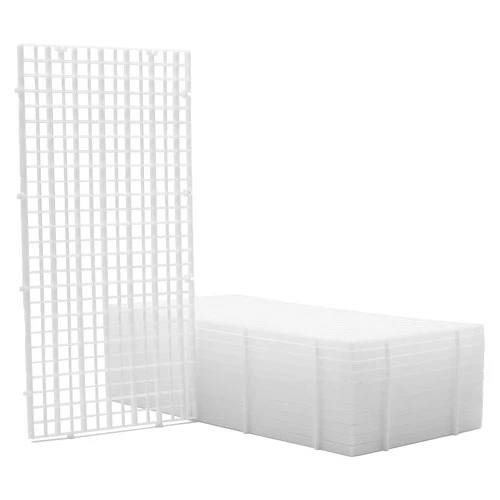
12-Piece White Aquarium Divider Grid$30.38

12-Piece White Aquarium Divider Grid

eBay Welcome to our stores! Discover Top Quality Products! We assure your satisfaction. 12 Pieces 5.9x11.8in (15X30cm) Aquarium Grid Plastic, Fish Tank Divider, Egg Crate for DIY Filtration and Bottom Protection in Aquascaping (White-No Accessories) Image Gall

See the live listing →
Plastic Egg Crate Aquarium Divider Panel$24.75

Plastic Egg Crate Aquarium Divider Panel

eBay 【Product size】aquarium divider separator kit includes 12pcs black aquarium divider and fish tank divider board size is 11.8 Inch X 5 .9 Inch with 0.15Inch hole 【Product size】aquarium divider separator kit includes 12pcs black aquarium divider and fish tan

See the live listing →
Part 2

The Science of Cycling: Why New Tanks Need Weeks of Bacteria Before Fish

One of the hardest lessons for beginners to learn is patience. When you fill a brand-new glass tank with treated tap water, add decorative elements, and turn on the filter, the water looks pristine. It is tempting to drive to the local pet store immediately and buy a dozen colorful fish. Doing so, however, is a recipe for disaster. This brings us to the nitrogen cycle—the invisible biological engine that keeps aquatic life alive. Fish produce waste in the form of ammonia, which is extremely toxic even in minute quantities. In nature, vast amounts of water dilute this waste. In a closed glass box, ammonia accumulates rapidly unless beneficial nitrifying bacteria break it down.

The nitrogen cycle is a two-step biological process. First, specialized bacteria colonize your filter media and substrate, consuming toxic ammonia and converting it into nitrites. Nitrites are also highly toxic to fish. A second colony of bacteria then consumes those nitrites and converts them into nitrates, which are relatively harmless in low concentrations and can be removed through routine weekly water changes and absorbed by live plants. This bacterial colony takes anywhere from three to six weeks to establish a robust population. Adding fish before this cycle completes results in "new tank syndrome," characterized by cloudy water, chemical burns, gasping fish at the surface, and inevitable mass mortality.

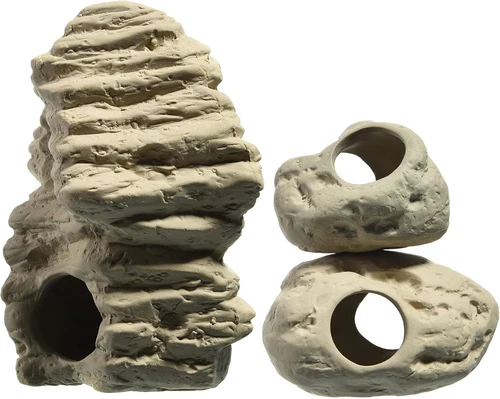
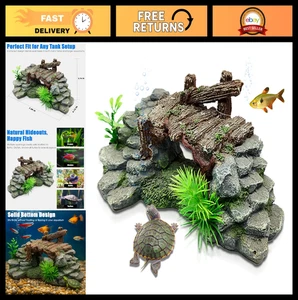
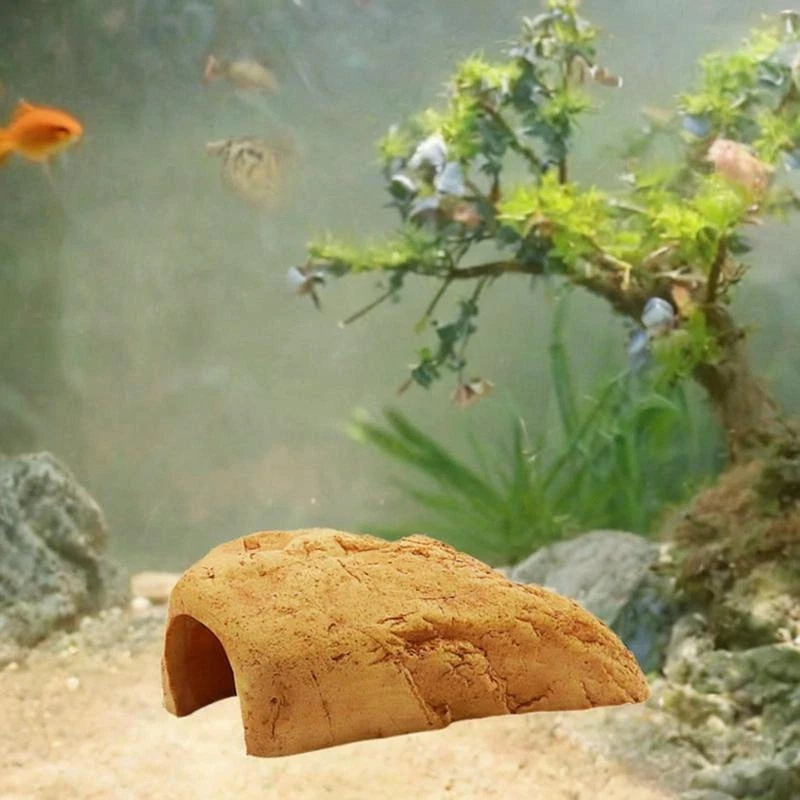
To jump-start or support this bacterial ecosystem, aquarists often incorporate porous biological media, caves, and ceramic decor that provide maximum surface area for bacterial colonization. For instance, putting structures like the or the into your tank not only gives shy fish a safe refuge from territorial bullying but also creates micro-habitats where beneficial bacteria thrive out of direct light. Similarly, natural elements and rock formations provide texture and anchoring points for biofilm, further stabilizing your nascent ecosystem before you introduce delicate swimmers.

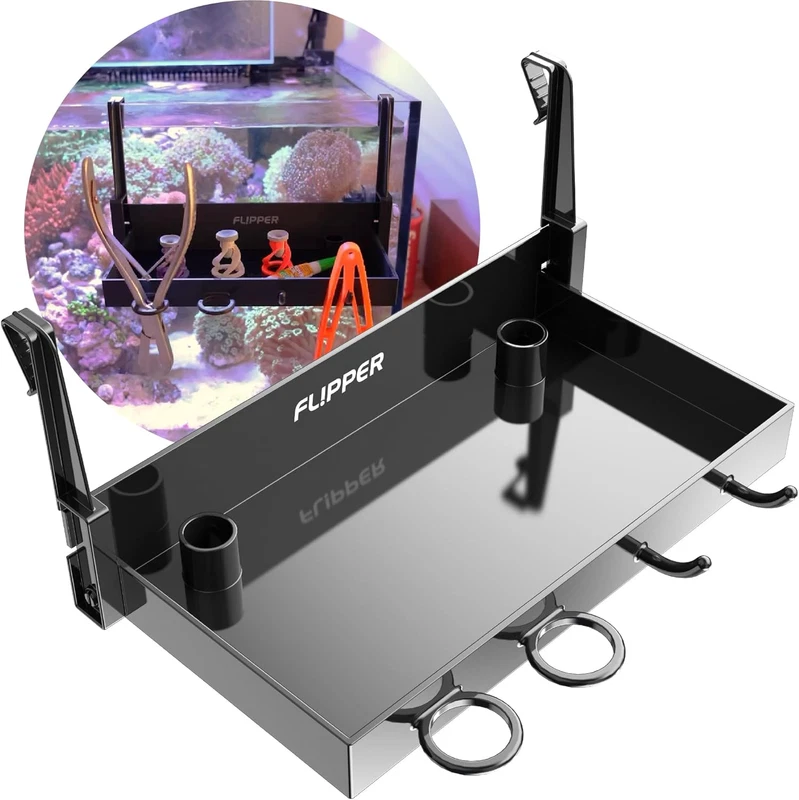
When setting up your hardscape during the cycling phase, you can also test and monitor water parameters using specialized test kits and accessories. Keeping your cleaning gear organized nearby prevents cross-contamination and makes maintenance sessions efficient. A dedicated storage station like the helps you keep fish nets, water conditioners, scrapers, and testing vials neatly arranged. Once your water parameters consistently read zero ammonia, zero nitrites, and rising nitrates, your tank is officially cycled, seasoned, and ready for its first inhabitants.

ALEGI Aquarium Rock Cave Betta Hideout Decor$28.26

ALEGI Aquarium Rock Cave Betta Hideout Decor

eBay Store New Arrivals Add to Favorite View Feedback Contact ALEGI Aquarium Decoration Rock Caves, Betta Fish Tank Accessories Hideout, Cichlid Stackable Cave Hiding (Small & Medium & Large) Description Size Small & Medium & Large Made of Ceramic, the edges a

See the live listing →
Reptile Hideout Stone Cave Aquarium Landscaping Decor$30.88

Reptile Hideout Stone Cave Aquarium Landscaping Decor

eBay Store Home | Home & Garden | Sporting Goods | Crafts | Clothing, Shoes & Accessories | Pet Supplies | Others Reptile Hideout Reptile Hideout Stone Accessories Landscaping Decoration Shrimp Description: 【Design】: This is a multifunctional Reptile hideout f

See the live listing →
Flipper Tank Buddy Aquarium Organizer$36.25

Flipper Tank Buddy Aquarium Organizer

eBay Menu Other Items Feedbacks About Us Contact Us Add To Favorites Flipper Tank Buddy - Fish Tank Accessories Organizer, Aquarium Accessories for Fish Tank, Aquarium Supplies, Saltwater Aquarium Accessories, Aquarium Cleaning Tools Storage Rack Multipurpose

See the live listing →
Part 3

Hardware Essentials: Filtration, Heating, Lighting, and Automation

Once you understand the biological foundation of your aquarium, you must select the right hardware to support it. The market is flooded with gadgets, but every successful setup relies on four core mechanical pillars: filtration, thermal regulation, illumination, and automated timing. Skimping on any of these components almost always leads to equipment failure, algae blooms, or unhealthy livestock.

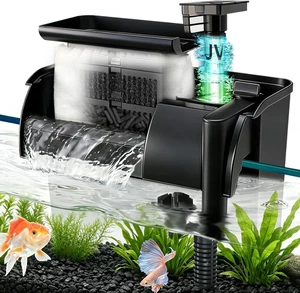
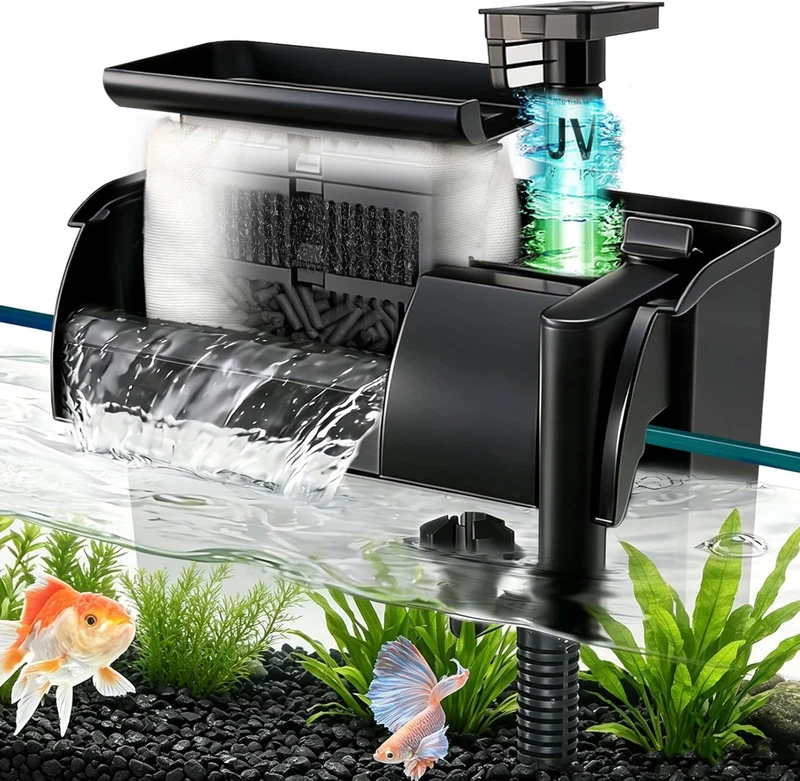
Filtration is divided into three distinct types: mechanical, chemical, and biological. Mechanical filtration traps physical debris like fish feces, uneaten food, and plant fragments through filter floss or sponges. Chemical filtration uses media like activated carbon or specialized resins to remove odors, tannins, and dissolved impurities. Biological filtration—the most critical element—provides porous surfaces where beneficial nitrifying bacteria live. Your filter should ideally turn over your total tank volume at least four to six times per hour. For larger setups ranging from 40 to 150 gallons, investing in a heavy-duty system such as the ensures vigorous water movement, multi-stage purification, and adequate oxygenation without creating dead zones where waste can accumulate.

Temperature stability is another non-negotiable requirement. Most tropical freshwater fish require stable water temperatures between 75°F and 80°F. Even if your home feels comfortable to you, ambient temperature swings between day and night stress fish and weaken their immune systems. Pair your submersible glass or titanium heater with a precise stick-on or digital thermometer, and always keep a backup heater on hand. Alongside thermal control, lighting dictates the aesthetic mood of your aquarium and determines whether you can successfully keep live aquatic plants. Basic LED strips provide enough illumination for fish viewing and slow-growing low-light plants like Anubias or Java Fern, whereas high-intensity spectrum lights are required for demanding carpeting plants and red flora.

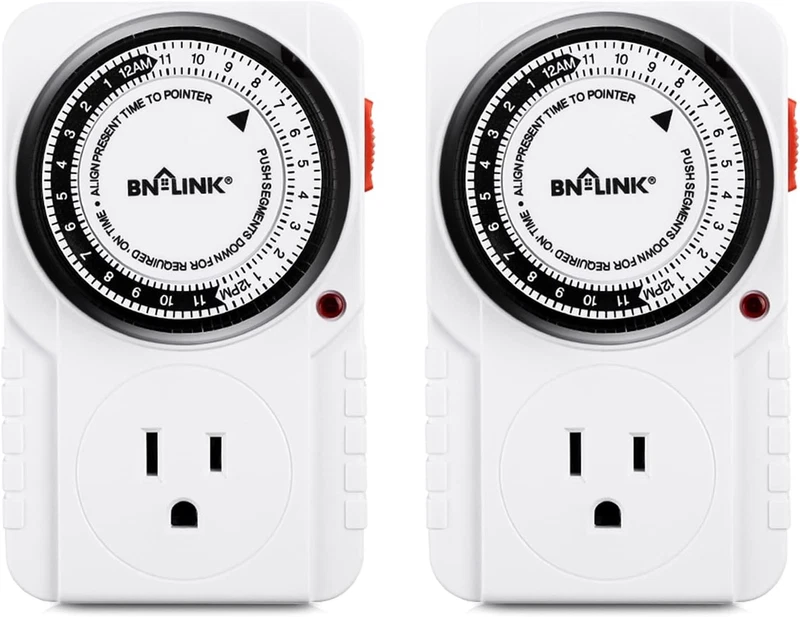
Managing lighting schedules manually is tedious and often leads to unwanted algae outbreaks if lights are left on too long. Algae thrives on unbalanced light and excess nutrients. To automate your daily photoperiod—typically set for 6 to 8 hours per day—plug your lighting rig into a reliable timing device such as the . This simple tool eliminates human error, ensures your fish maintain a natural circadian rhythm, and starves opportunistic algae of excessive light exposure.

Hang on Back Aquarium Filter 344GPH 40-150 Gallon$145.99

Hang on Back Aquarium Filter 344GPH 40-150 Gallon

eBay Need more than the quantity listed? Message us! Large Hang on Back Aquarium Filter 344GPH for 40-150 Gallon Fish Tank, U-V Light Big Canister W/ Filters High Flow 5-Stage Green Killing Deodorization Machine Keep Fresh& Saltwater Water Crystal Clear Descri

See the live listing →
24 Hour Plug-In Mechanical Timer Aquarium 15A$39.95

24 Hour Plug-In Mechanical Timer Aquarium 15A

eBay Please note: Some orders may ship from a U.S.-based fulfillment partner to ensure fast delivery. Due to this orders are unable to be cancelled after payment has been processed. We offer 30 day returns on all unused and unopened items. All opened returns m

See the live listing →
Part 4

Aquascaping, Decor, and Creating Natural Habitats

Aquascaping is where science meets art. Arranging wood, rocks, and artificial or live plants transforms a sterile glass box into a mesmerizing slice of natural riverbed or coral reef. Beyond aesthetics, proper aquascaping provides essential psychological and physical benefits for your livestock. Fish that lack hiding places feel exposed, leading to chronic stress, faded coloration, and increased susceptibility to disease. Providing caves, tunnels, and dense vegetation gives territorial species defined boundaries and offers vulnerable fish a safe place to rest.

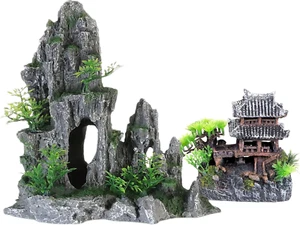
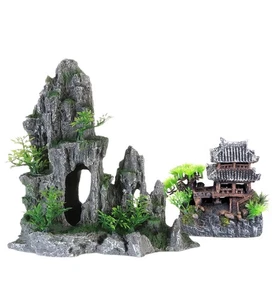
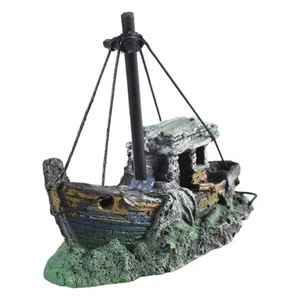
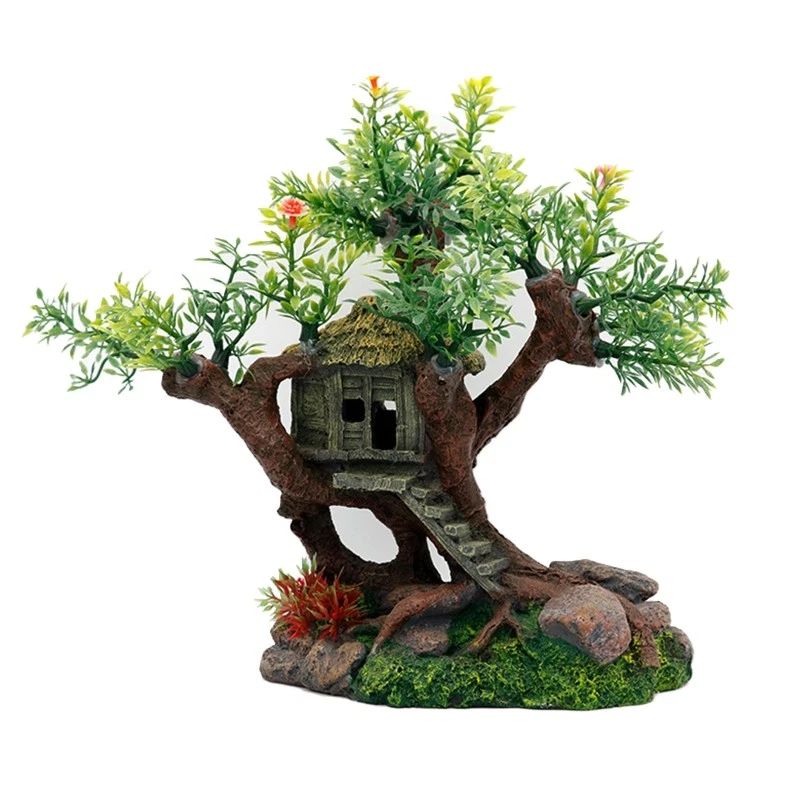
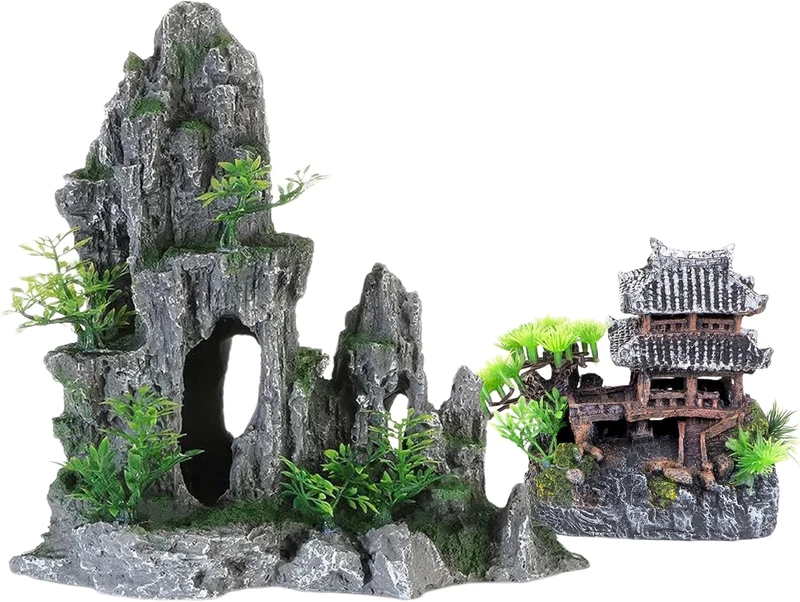
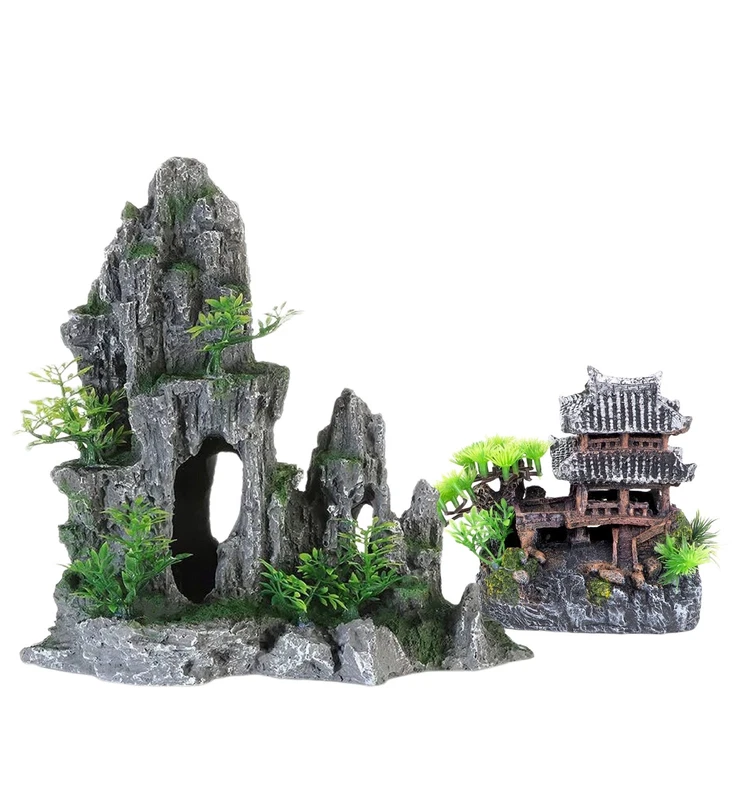
When selecting decor, you must ensure that the materials are aquarium-safe and will not leach toxic heavy metals or alter your water chemistry uncontrollably. Resin ornaments, ceramic structures, and inert rocks are popular choices because they are durable, easy to clean, and available in endless shapes. For hobbyists looking to create a whimsical or fantastical underwater world, adding intricate pieces like the or the historic instantly establishes a stunning focal point. These large structures offer deep hollows and wide entryways, making them exceptional hideouts for larger cichlids, loaches, or inquisitive goldfish.

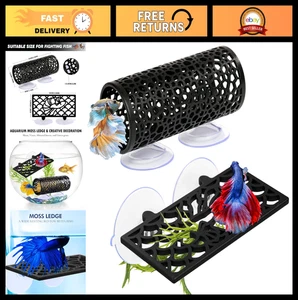
If you prefer a mystical, ruined-civilization aesthetic, options like the or the detailed create incredible depth and scale within standard or large rectangular aquariums. For smaller nano tanks or specific betta habitats, whimsical themes or compact shelters work wonders. Betta fish, in particular, love exploring narrow tunnels and resting near the water surface on broad leaves. You can enrich a betta's environment using specialized toys and resting stations such as the or the versatile . These accessories provide physical stimulation and prevent boredom in intelligent labyrinth fish.

For hobbyists who want a mix of natural textures and functional hideaways, integrating diverse structures adds immense character. You might combine mixed botanicals and artificial greenery with pieces like the , the eerie , or a pop-culture touch like the . To bulk up your planted look without the hassle of demanding CO2 injection systems, artificial foliage bundles such as the or the colorful offer vibrant, soft-textured shelter that will not rot or foul your water quality.

If you are exploring alternative setups or mixing terrestrial terrarium elements with aquatic zones, versatile bundles like the and the eclectic provide instant variety. For aquarists leaning toward saltwater-inspired aesthetics without the immense difficulty and cost of maintaining a true marine reef, inserting bright white artificial accents like the delivers striking coastal contrast against dark substrate. Finally, for an interactive element that delights both kids and adults, specialized statement pieces like the can be hooked up to a standard aquarium air pump, bubbling effervescent streams of oxygen that double as playful entertainment for your fish.

For more inspiration on pet care, habitat enrichment, and gear reviews across different animal categories, be sure to check out our comprehensive guide on top-rated pet supplies deals to keep all your household companions happy and healthy.
Resin Tree House Aquarium Decor$33.24

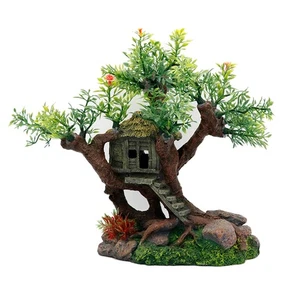
Resin Tree House Aquarium Decor

eBay Features: brand new and high quality Fish Hideout: The realistic tree houses add a beautiful view to your fish for tank and provides shelter, hiding spots, spawning, and entertainment venues for the fish. Great Gift: The aquarium ornament tree is also an

See the live listing →
Extra Large Aquarium Japanese Resin Castle Decor$76.97

Extra Large Aquarium Japanese Resin Castle Decor

eBay Store New Arrivals Add to Favorite View Feedback Contact Extra Large Aquarium Decorations Kit Japanese Resin Castle Mountain View Stone Description Item model number Ancient Temple in the Mountain Style Traditional Mounting Type Fish Tank Mount Color Gray

See the live listing →
AWXZOM Ancient Temple Aquarium Decoration Large Gray$61.35

AWXZOM Ancient Temple Aquarium Decoration Large Gray

eBay AWXZOM Extra Large Aquarium Decorations kit - “Ancient Temple in Large, Gray Product Details package included: 1x large Resin mountain aquarium rock and 1 x Resin Castle Decorations .this xl aquarium decorations is very large, Trust me, this big fish tank

See the live listing →
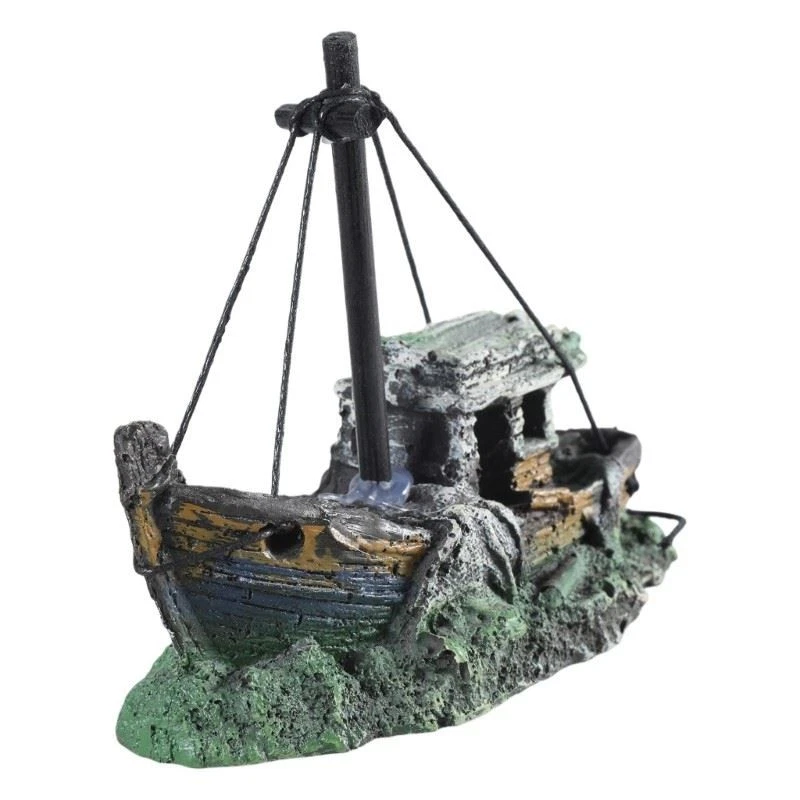
Resin Sunken Ship Cave Aquarium Ornament Decoration$45.83

Resin Sunken Ship Cave Aquarium Ornament Decoration

eBay Eurowagens eBay Template eBay Shop Home Add To Favourites Help & FAQ's Feedback About Us More - eBay Shop Home Join Our Newsletter Help & FAQs View Feedback About Us Contact Us Menu eBay Shop Home Add to Favourites Join Our Newsletter Help & FAQs View Fee

See the live listing →
Betta Fish Tank Swim Tube Hammock Hideout Toys$30.59

Betta Fish Tank Swim Tube Hammock Hideout Toys

eBay Create an Engaging Betta Fish Playground Transform your aquarium into a vibrant habitat with our Betta Fish tunnel set, designed specifically for bettas, small fish, and shrimps. This set includes: A tunnel and hammock for entertainment, breeding, and hid

See the live listing →
Betta Fish Tank Decor Large Ornament Accessories$30.59

Betta Fish Tank Decor Large Ornament Accessories

eBay Transform Your Aquarium with Premium Fish Tank Decorations Enhance your aquarium setup with our premium fish tank decorations that combine visual appeal with essential function. Designed for both freshwater and saltwater tanks, these realistic pieces blen

See the live listing →
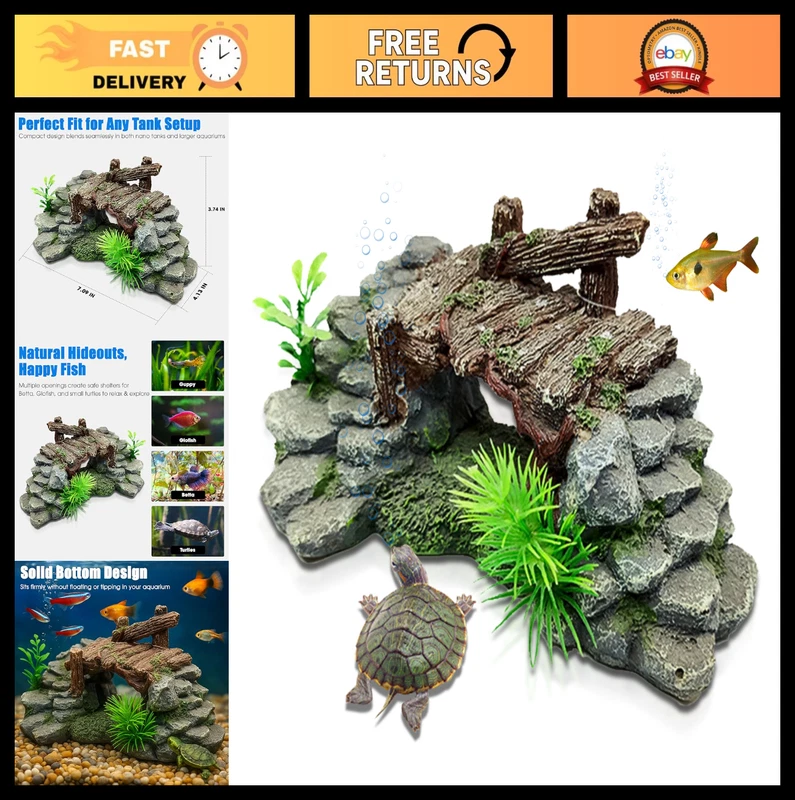
Aquarium Corner Tunnel Landscape Fish Tank Decoration$41.74

Aquarium Corner Tunnel Landscape Fish Tank Decoration

eBay Eurowagens eBay Template eBay Shop Home Add To Favourites Help & FAQ's Feedback About Us More - eBay Shop Home Join Our Newsletter Shipping & Returns Help & FAQs View Feedback About Us Contact Us Menu eBay Shop Home Add to Favourites Join Our Newsletter S

See the live listing →
Aquarium Skull Reptile Fish Tank Decoration$29.87

Aquarium Skull Reptile Fish Tank Decoration

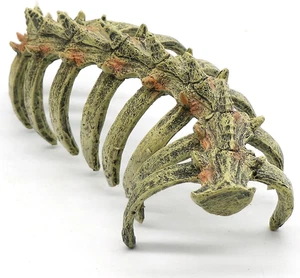
eBay Fast Shipping On All Items 30 Days Money Guarantee Customer Support Excellent Service 100% Satisfaction Satisfaction Guaranteed Aquarium Skull Animal Skeletons, Reptile Tank Accessories, Fish Tank Decorations Specification Item model number 4201 Style Art

See the live listing →
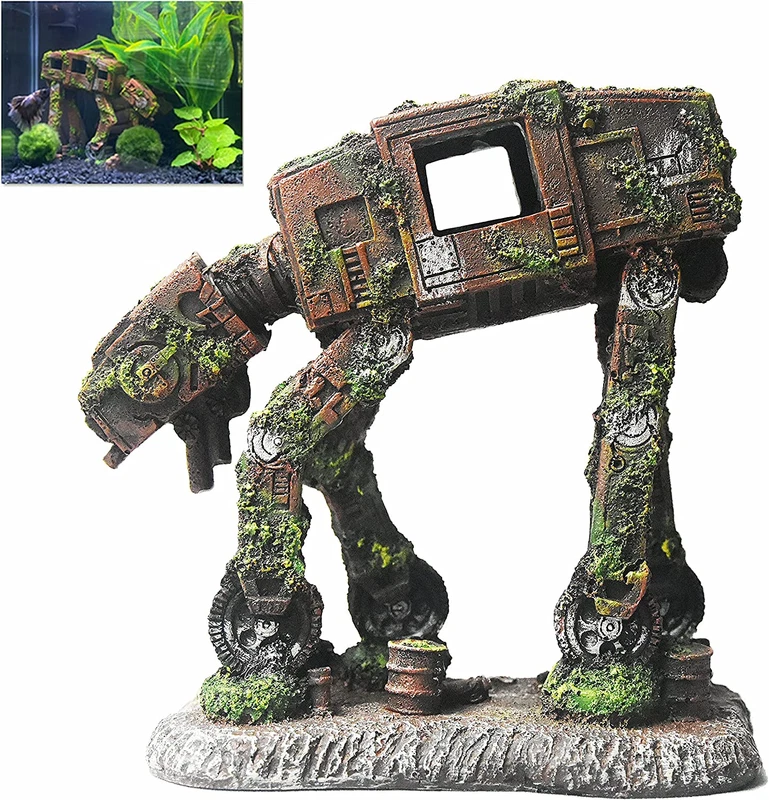
Star Wars Fish Tank Aquarium Decorations Set$27.05

Star Wars Fish Tank Aquarium Decorations Set

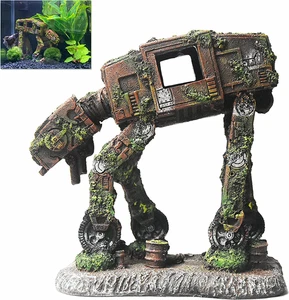
eBay MandyEssentials Fish Tank Decorations Star Wars Aquarium Accessories Small to Large Fish Tank Resin Decor for Betta Goldfish Hideouts Cave Hide Ornament Backgrounds (At-Small) Item Description SUITABLE SIZE: Height about 5.9 inch,length about 5.5inch, wid

See the live listing →
Resin Pedestal Artificial Aquarium Plants Decor 3 Pack$18.72

Resin Pedestal Artificial Aquarium Plants Decor 3 Pack

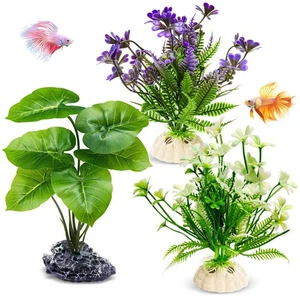
eBay Welcome to our stores! Discover Top Quality Products! We assure your satisfaction. Fish Tank Plants, Reptile Artificial Plastic Plants, Reptile Plants for Terrarium, Aquarium Decorations Resin Pedestal Ornaments for Fish Tank Accessories Set.(3PCS/B-Set)

See the live listing →
Aquarium Decoration Plants Fish Tank Decor 9pcs Orange$22.5

Aquarium Decoration Plants Fish Tank Decor 9pcs Orange

eBay Thank you for visiting our store. Please view all photos for full details of this item, feel free to ask any questions. We will gladly combine shipping whenever possible. We hope you had fun, please come back to see more fun items. Thank you Sue, Terri, J

See the live listing →
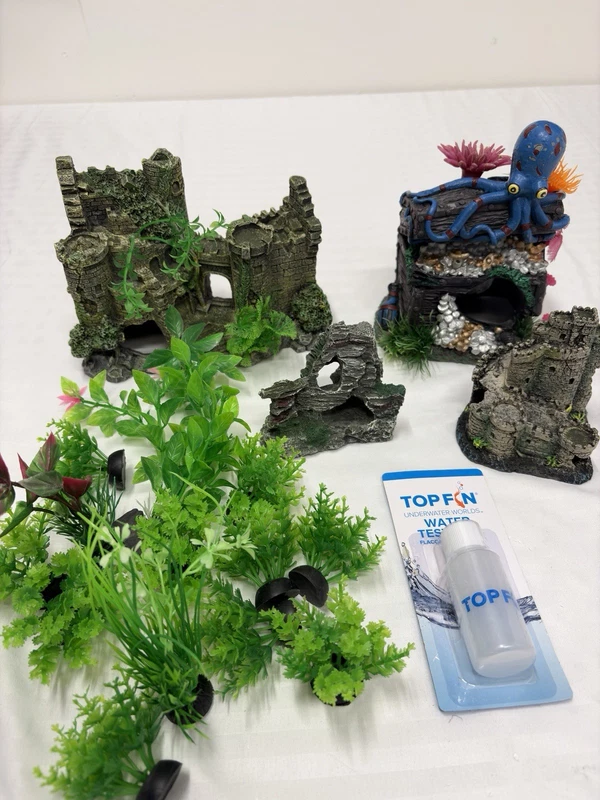
Mixed Aquarium Plant Ornament Decoration Set$30.0

Mixed Aquarium Plant Ornament Decoration Set

eBay Aquarium Decorations Fish-Tank Accessories Plants Fish Tank Ornaments Mixed 18 Pieces. Green trees, small and large castle , rock , octopus treasure, and new water test vial. New and pre owned items mixed. Shipped with usps ground advantage, we offer comb

See the live listing →
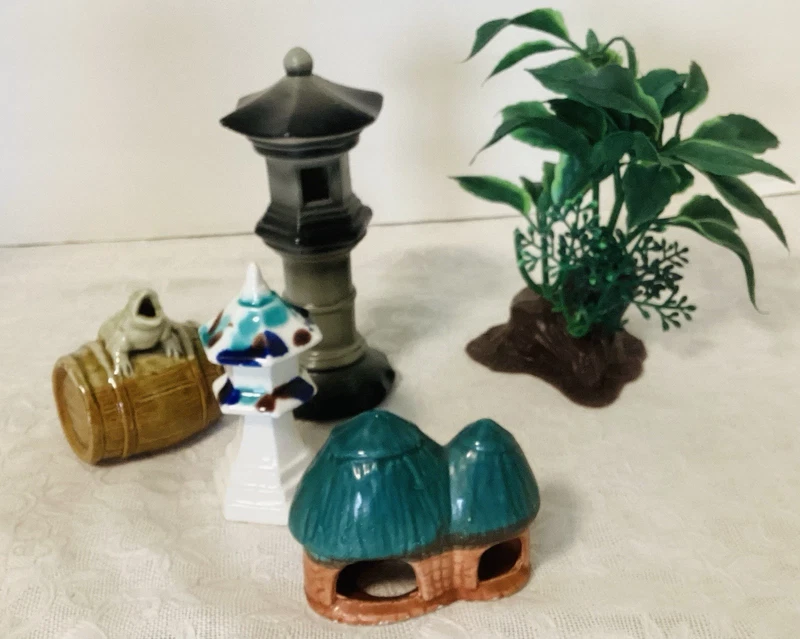
Vintage Aquarium Terrarium Set of 5 5 Pieces$23.95

Vintage Aquarium Terrarium Set of 5 5 Pieces

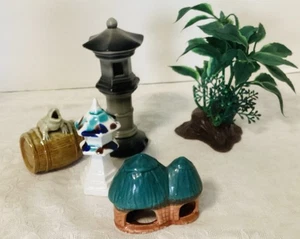
eBay This group is 5 pieces of Fish Tank or Terrarium decor. All are ceramic except the Foliage piece which is plastic and not vintage. Some are vintage, made in Japan. One appears to be a hobbyist piece. A great addition to your tank or terrarium! Please see

See the live listing →
White Resin Faux Coral Aquarium Reef Decor$32.99

White Resin Faux Coral Aquarium Reef Decor

eBay TOPZEA artificial white coral is very nice and has realistic looking, not only as beautiful ornament that adds beach accents to your space, the manufactured coral is also perfect alternative to the endangered coral, which good for protecting real coral an

See the live listing →
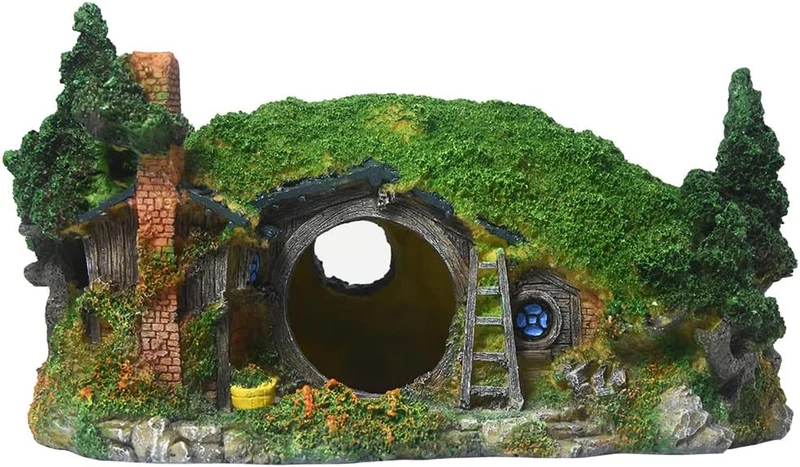
Hobbit Fish Tank Decoration Reptile Hideout Cave$52.35

Hobbit Fish Tank Decoration Reptile Hideout Cave

eBay Appearance: The castle decorations sculpture creates a lifelike environment. Fish tank decorations can be connected to an air pump to add more fun to the fish tank. Aquarium bubbler decorations can add more flavor to your fish tank Material safety: Betta

See the live listing →
Part 5

Freshwater Versus Marine: Comparing Weekly Time Budgets and Complexity

One of the most consequential decisions you will make is choosing between a freshwater setup and a saltwater marine ecosystem. While both hobbies involve keeping aquatic life in glass enclosures, their underlying chemistry, equipment requirements, and weekly time commitments differ dramatically. Understanding these differences before buying hardware will save you from frustration and unexpected financial strain.

Freshwater aquariums are the undisputed champions for beginners. Tap water, once treated with a simple dechlorinator, is suitable for the vast majority of freshwater community fish like guppies, tetras, barbs, and catfish. The biological parameters are forgiving, and if an algae bloom or minor parameter fluctuation occurs, it is usually straightforward to correct with a 25% water change and a brief scrubbing. The weekly time budget for a standard 20-gallon to 40-gallon freshwater tank is quite manageable: roughly 30 to 45 minutes spent scraping glass, vacuuming detritus from the substrate, testing water parameters, and topping off evaporated water.

Marine saltwater aquariums, by contrast, are complex, high-stakes aquatic ecosystems. Saltwater fish and delicate reef invertebrates—such as corals, anemones, and crustaceans—cannot tolerate unstable salinity, erratic alkalinity, or trace ammonia. Preparing saltwater requires mixing pure reverse osmosis/deionized (RO/DI) water with specialized synthetic sea salt blends and letting the mixture aerate and match temperature before it ever touches your tank. Furthermore, marine setups demand specialized gear: protein skimmers to pull organic waste out of the water column before it breaks down, high-output reef lighting, powerheads for turbulent wave action, and automated ATO (auto-top-off) systems to combat rapid evaporation that would otherwise spike salinity levels. The weekly time budget for a marine reef tank easily stretches to 2 to 3 hours of meticulous testing, dosing trace elements, cleaning salt creep, and monitoring equipment.

Before committing to either path, weigh your available free time, your budget, and your tolerance for troubleshooting technical gear. If you want a relaxing, beautiful hobby with gentle maintenance routines, a planted freshwater community tank is the ideal starting point. If you possess a scientific mindset, enjoy fine-tuning chemical parameters, and dream of keeping vibrantly colored marine clowns and swaying coral polyps, a saltwater reef tank offers an unmatched, rewarding challenge.

Part 6

Startup Checklist: Step-by-Step Execution Plan

To ensure your journey into fishkeeping is smooth and successful, follow this sequential startup checklist. Do not skip steps, and remember that patience during the cycling phase is your greatest ally.

  1. Research and Space Planning: Measure your floor or furniture weight capacity. Remember that water weighs roughly 8.3 pounds per gallon; a filled 40-gallon tank weighs over 400 pounds once glass, substrate, and decor are factored in.
  2. Tank Acquisition and Placement: Place your tank on a level, dedicated aquarium stand away from direct sunlight and drafts. Clean the glass with plain water—never use household detergents or soap, as chemical residue is lethal to fish.
  3. Substrate and Hardscape Installation: Add your washed gravel, sand, or specialized plant substrate. Arrange your rocks, driftwood, and decorative pieces like caves or castles to create stable structures that will not shift or collapse under burrowing fish.
  4. Install Hardware: Mount your hang-on-back or canister filter, submerge your preset heater, and position your LED lighting unit. Plug equipment into your mechanical timer to prepare for automated lighting cycles.
  5. Fill and Condition: Fill the tank slowly with temperature-matched water, pouring it over a saucer or flat rock to avoid disturbing your aquascape. Add a quality water dechlorinator immediately to neutralize chlorine and chloramines.
  6. Initiate the Nitrogen Cycle: Turn on all equipment. Add a bottled beneficial bacterial supplement or a tiny pinch of fish food to provide an initial ammonia source. Test your water every few days.
  7. Monitor and Wait: Watch your ammonia, nitrite, and nitrate levels over 3 to 6 weeks. Once ammonia and nitrites drop to zero and nitrates register, perform a 30% water change.
  8. Introduce Livestock Slowly: Add your hardiest fish first in small groups to prevent overwhelming your newly established bacterial colony. Feed sparingly and maintain a consistent weekly maintenance schedule.
Part 7

Glossary of Essential Aquarium Terminology

  • Aqualung / Air Pump: A mechanical pump placed outside the tank that pushes air through airline tubing down to airstones, sponge filters, or decorative bubblers to increase surface agitation and oxygenation.
  • Aquascaping: The art and craft of arranging aquatic plants, rocks, driftwood, and hardscape in an aesthetically pleasing manner within an aquarium.
  • Bioload: The total mass of living organisms (fish, snails, shrimp) in an aquarium and the amount of biological waste they produce relative to the tank's water volume and filtration capacity.
  • Cycling: The biological process of establishing and multiplying beneficial nitrifying bacteria in the filter and substrate that process toxic ammonia into nitrites and harmless nitrates.
  • Hardscape: The non-living structural elements of an aquarium setup, including stones, wood, and resin ornaments like caves and ruins.
  • Nitrogen Cycle: The natural biological cycle through which toxic fish waste (ammonia) is broken down into nitrites and subsequently into safer nitrates by specialized bacteria.
  • Parameter: Measurable chemical and physical characteristics of aquarium water, including pH, temperature, hardness, ammonia, nitrite, and nitrate levels.
  • Quarantine Tank: A separate, small holding tank used to isolate new fish, sick livestock, or aggressive individuals before introducing them to the main display aquarium.
  • Substrate: The material laid at the bottom of the aquarium, such as aquarium sand, gravel, or nutrient-rich planted tank soil.
Part 8

If You Only Buy One Thing

If you are overwhelmed by the sheer volume of choices and want to start with the most impactful single investment for your new aquatic setup, purchase a reliable, heavy-duty filtration system sized appropriately for your water volume, such as the Aquarium Corner Tunnel Landscape Fish Tank Decoration or a high-capacity unit like the . Clean, well-circulated water paired with robust biological media is the absolute lifeblood of any successful aquarium. Without stable filtration, no amount of gorgeous decor or expensive fish will keep your ecosystem alive. Prioritize your mechanical and biological filtration first, and the rest of your underwater world will thrive with confidence.

Please note that prices, availability, and shipping terms for all featured aquarium supplies and decor items change frequently and vary widely depending on the independent marketplace seller, item condition (new versus used), and geographic fulfillment center. Always verify current product specifications and seller ratings before completing your purchase.

Questions

Frequently asked questions

What size fish tank do I need as a beginner?

Beginners should generally start with a 20-gallon to 40-gallon tank rather than a tiny nano bowl. Larger volumes hold more water stability, which prevents rapid chemical swings and gives you a much better buffer against minor maintenance mistakes or feeding errors.

Why does a new fish tank need to cycle for weeks?

A new tank needs three to six weeks to establish beneficial nitrifying bacteria. These microscopic organisms break down highly toxic fish waste and ammonia into safer nitrates through the nitrogen cycle, preventing dangerous water conditions and new tank syndrome.

How do I choose the right filter capacity for my aquarium?

Your filter should be rated to turn over your total aquarium water volume at least four to six times every single hour. Always match your filter flow rate and media capacity directly to your tank size and anticipated bioload for optimal water clarity.

How much weekly time budget is required for maintenance?

A freshwater community setup typically demands about thirty to forty-five minutes of weekly maintenance, which includes water testing, algae wiping, filter rinsing, and a partial water change. Marine systems require significantly more time and precision.